Tonkotsu Ramen, from Scratch
Featured

Seasonal feature

Tonkotsu Ramen,
from Scratch

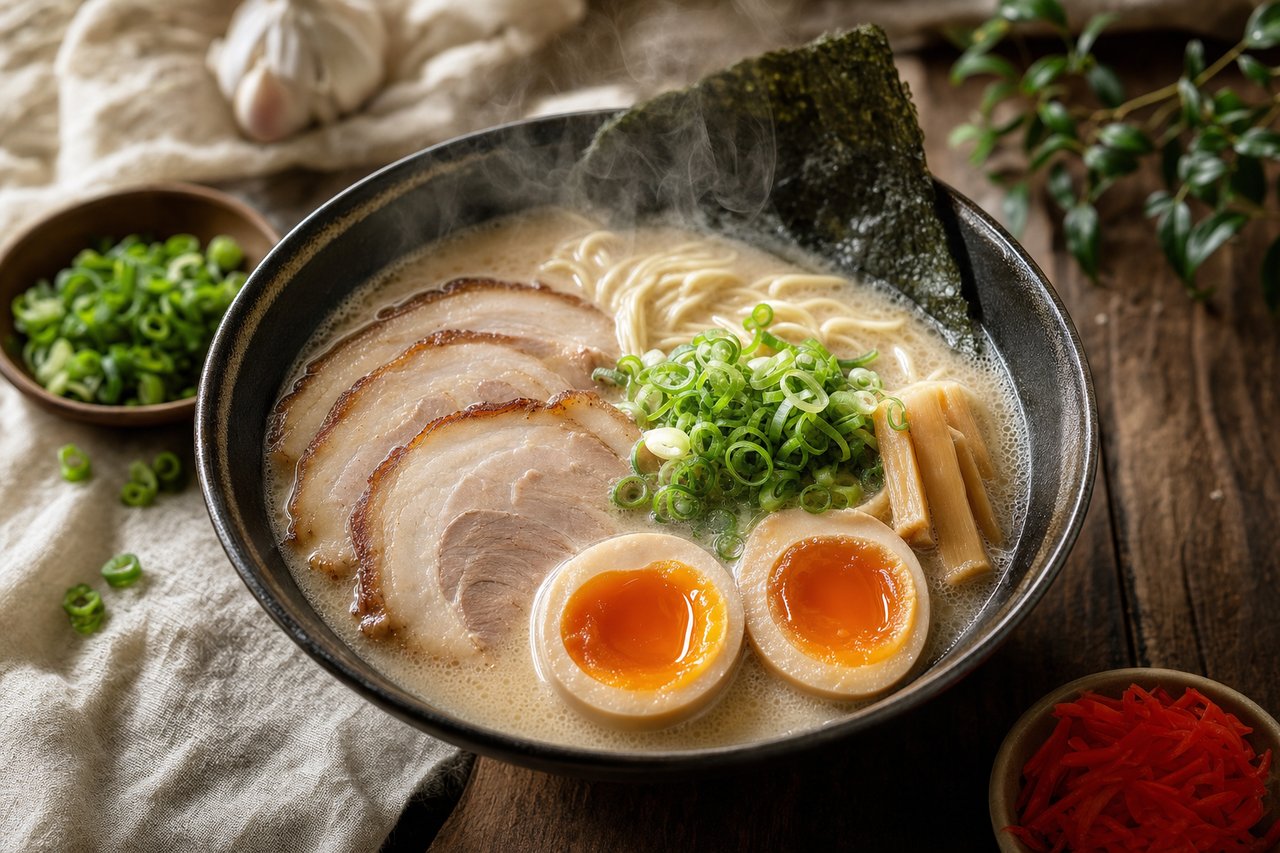
A milky, collagen-rich pork-bone broth with springy noodles, chashu and a soft-set egg — the weekend ramen worth the wait.

Get the recipe
45 tested recipes 6 Asian cuisines Tested for the home kitchen

Cook by cuisine

Six kitchens, one table

Japanese & Ramen
01

Japanese & Ramen

Tonkotsu broths, donburi bowls, izakaya plates and the slow art of dashi.

Explore
Korean
02

Korean

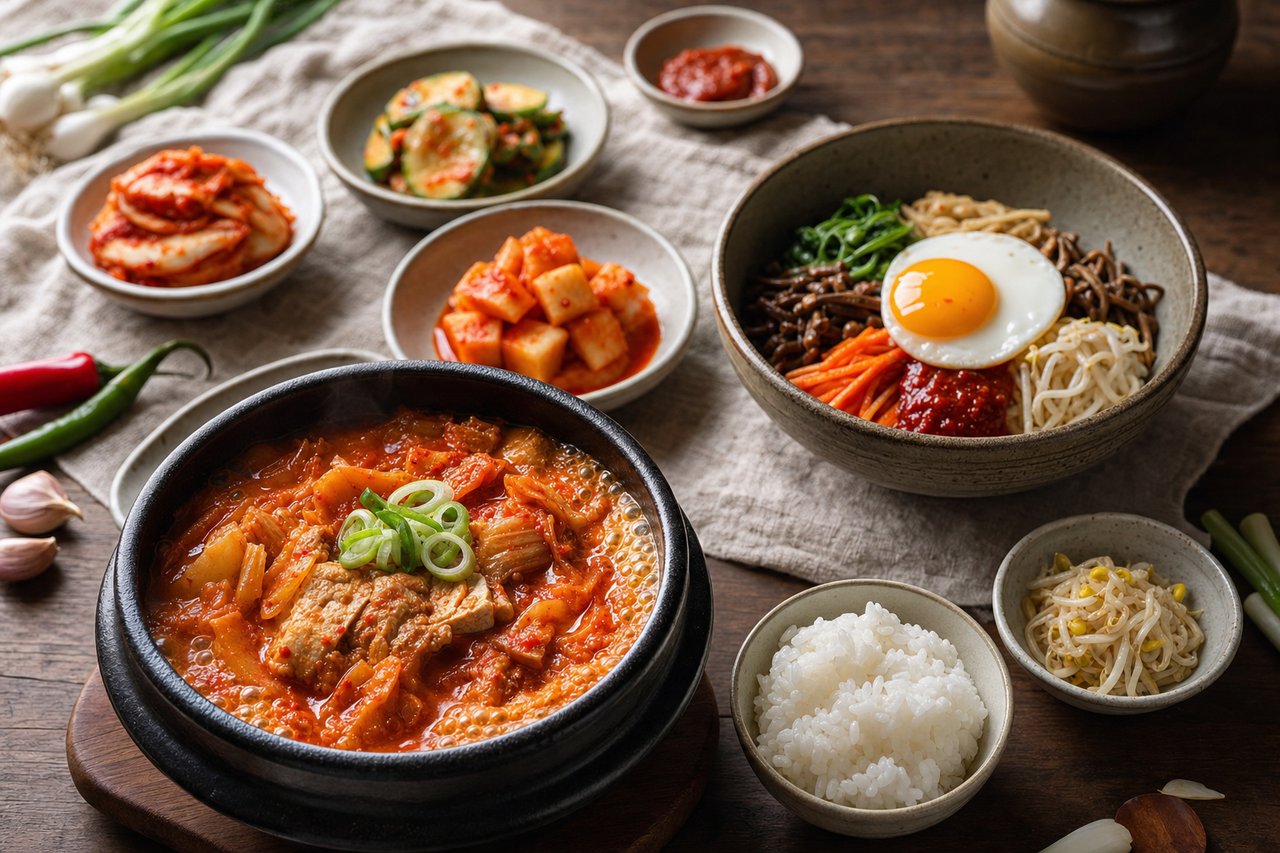
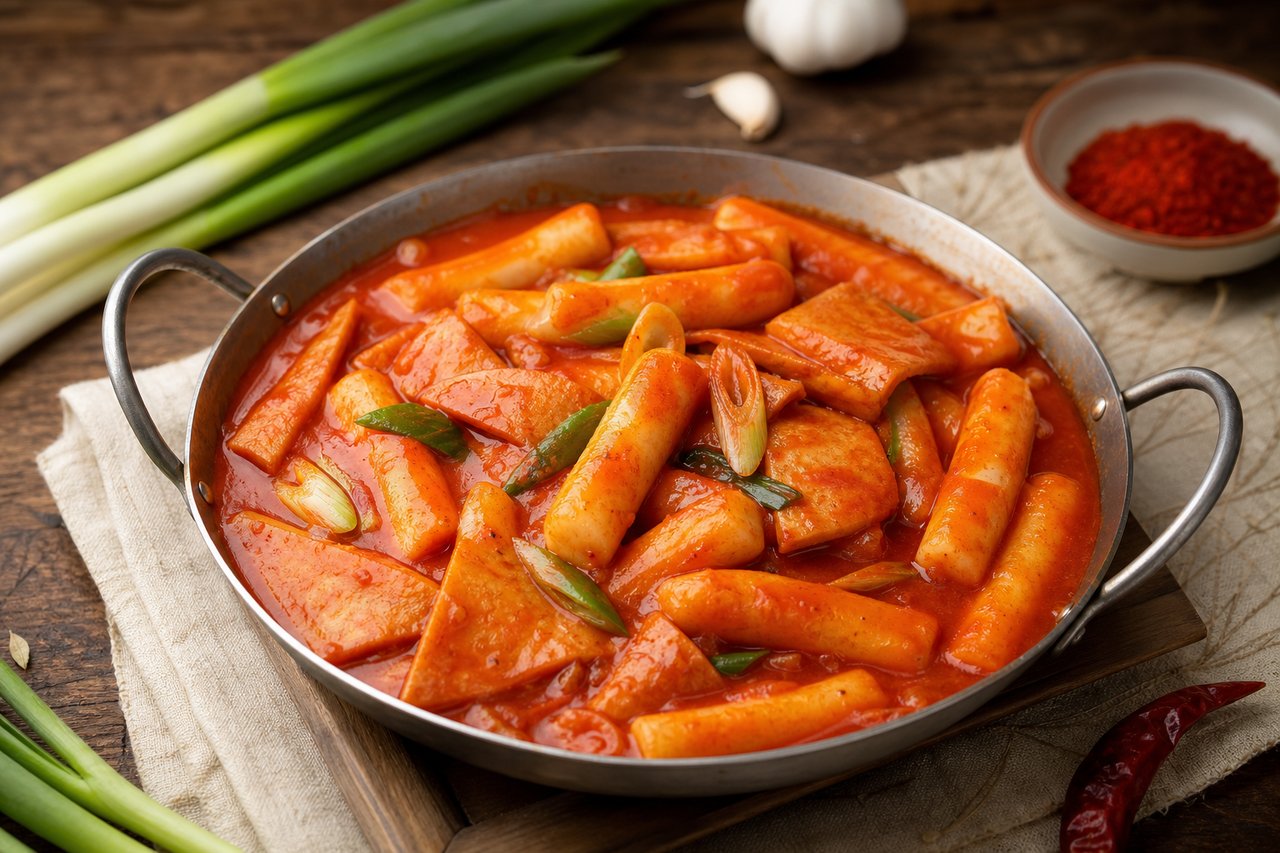
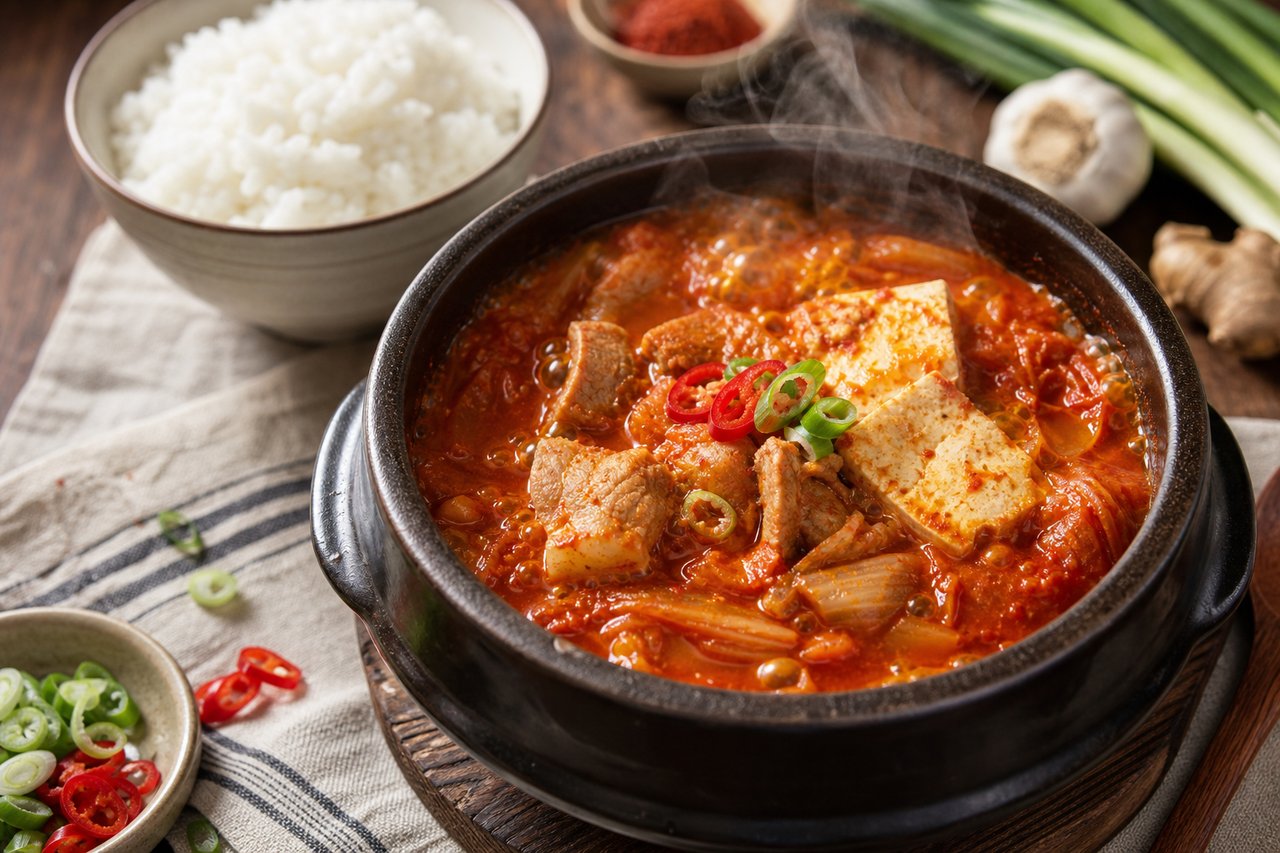
Kimchi jjigae, bibimbap, banchan and the deep heat of gochugaru.

Explore
Chinese
03

Chinese

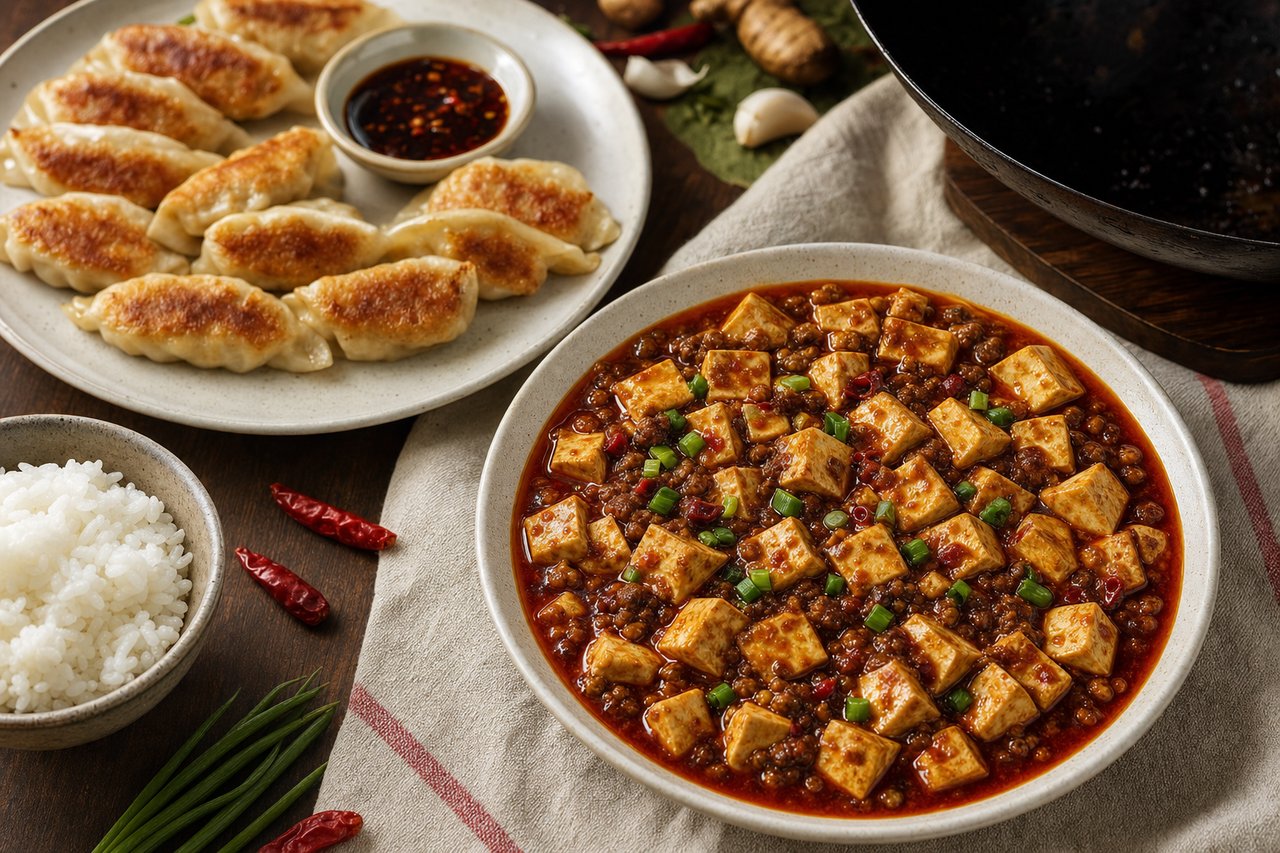
Mapo tofu, hand-folded dumplings and the wok-hei of a roaring stir-fry.

Explore
Bubble Tea & Drinks
04

Bubble Tea & Drinks

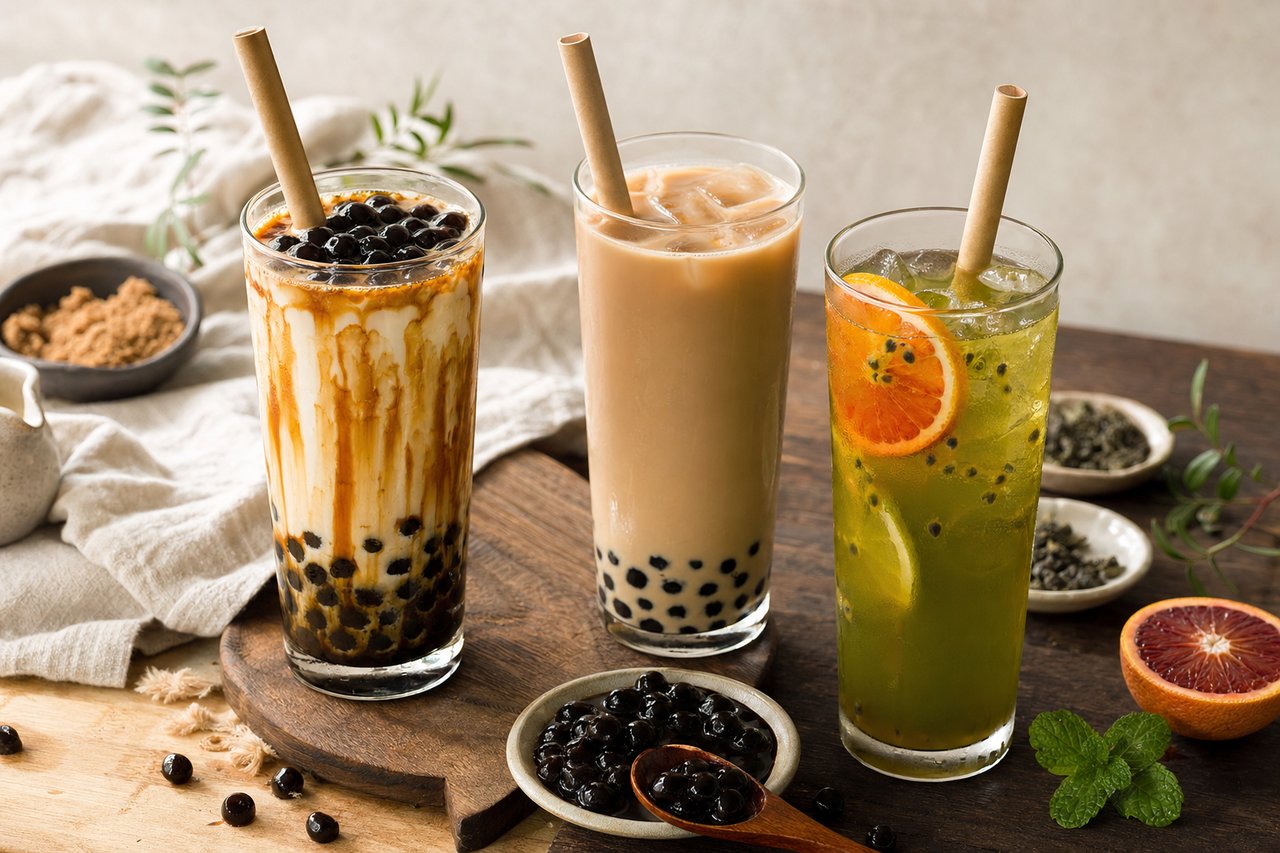
Brown-sugar boba, fruit teas and the chewy science of tapioca pearls.

Explore
Thai
05

Thai

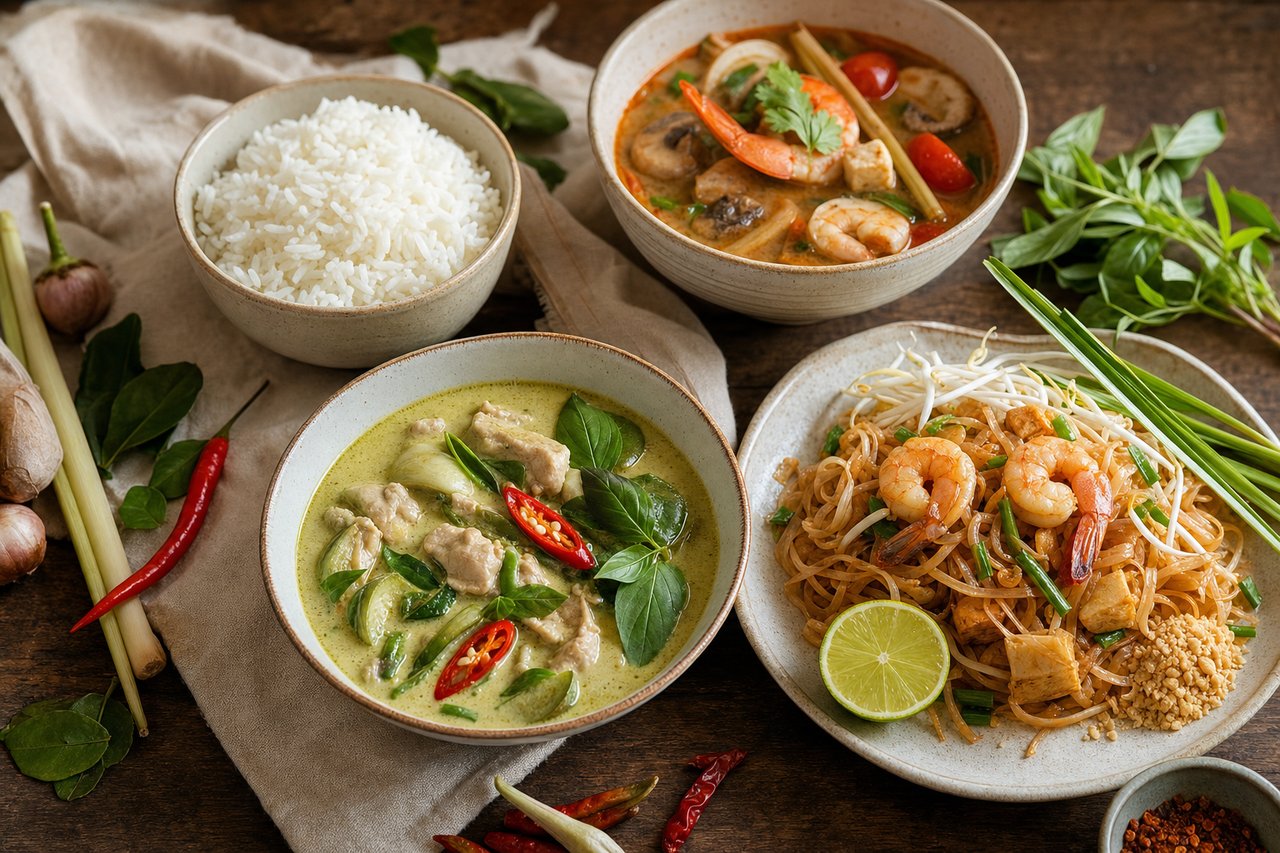
Pad thai, fragrant curries and the four-way balance of hot, sour, salty and sweet.

Explore
Vietnamese
06

Vietnamese

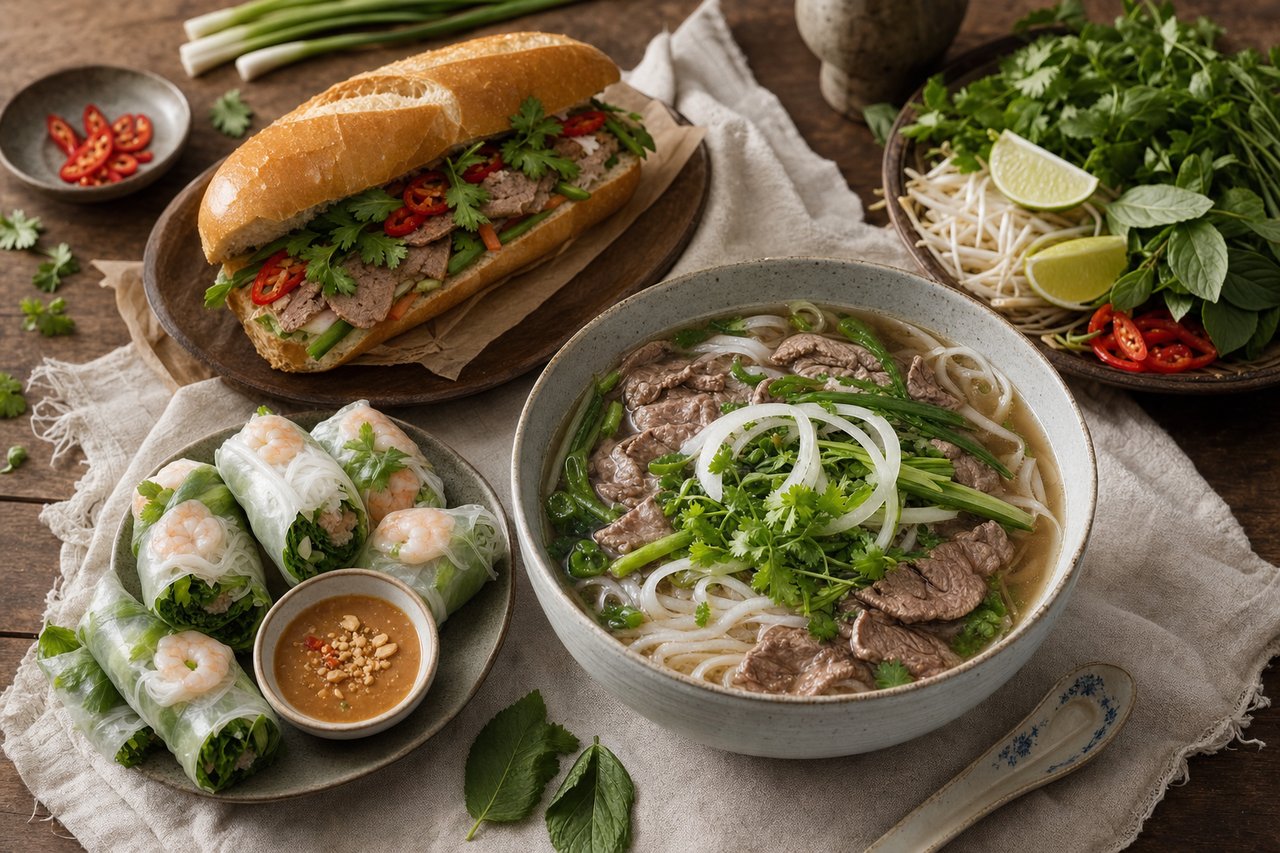
Pho, banh mi, fresh herbs and bright, clean broths.

Explore
Japanese Home Cooking & Ramen, Demystified
Cuisine guide

Japanese Home Cooking & Ramen, Demystified

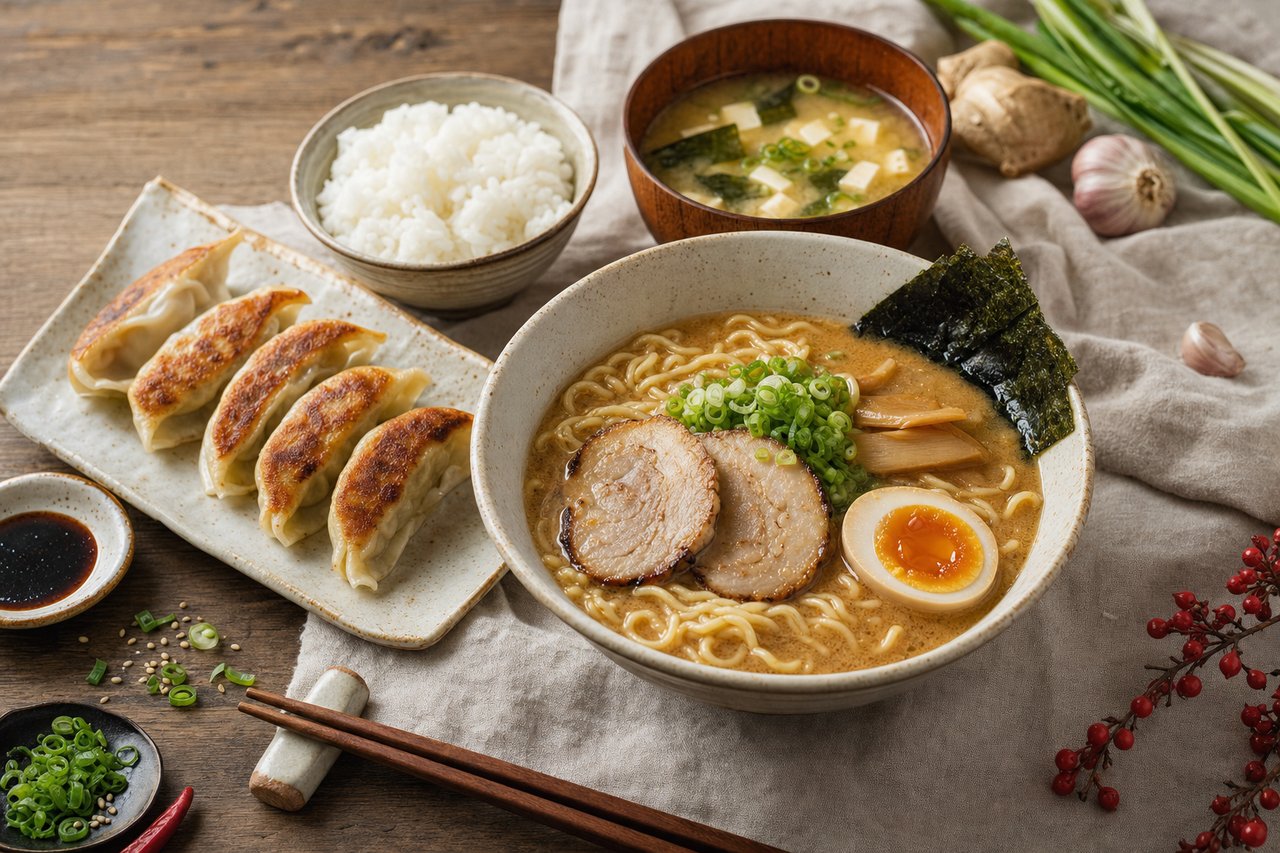
Dashi, rice and the ramen bowl — the foundations that unlock the whole repertoire, explained for a normal kitchen.

The kitchen note

“Good Asian home cooking is less about rare ingredients and more about balance — salt, sour, heat and umami finding their place in the bowl.”
A simmering pot of Asian stew

Recent recipes

Browse all
01

Chinese

Kung Pao Chicken

02

Japanese & Ramen

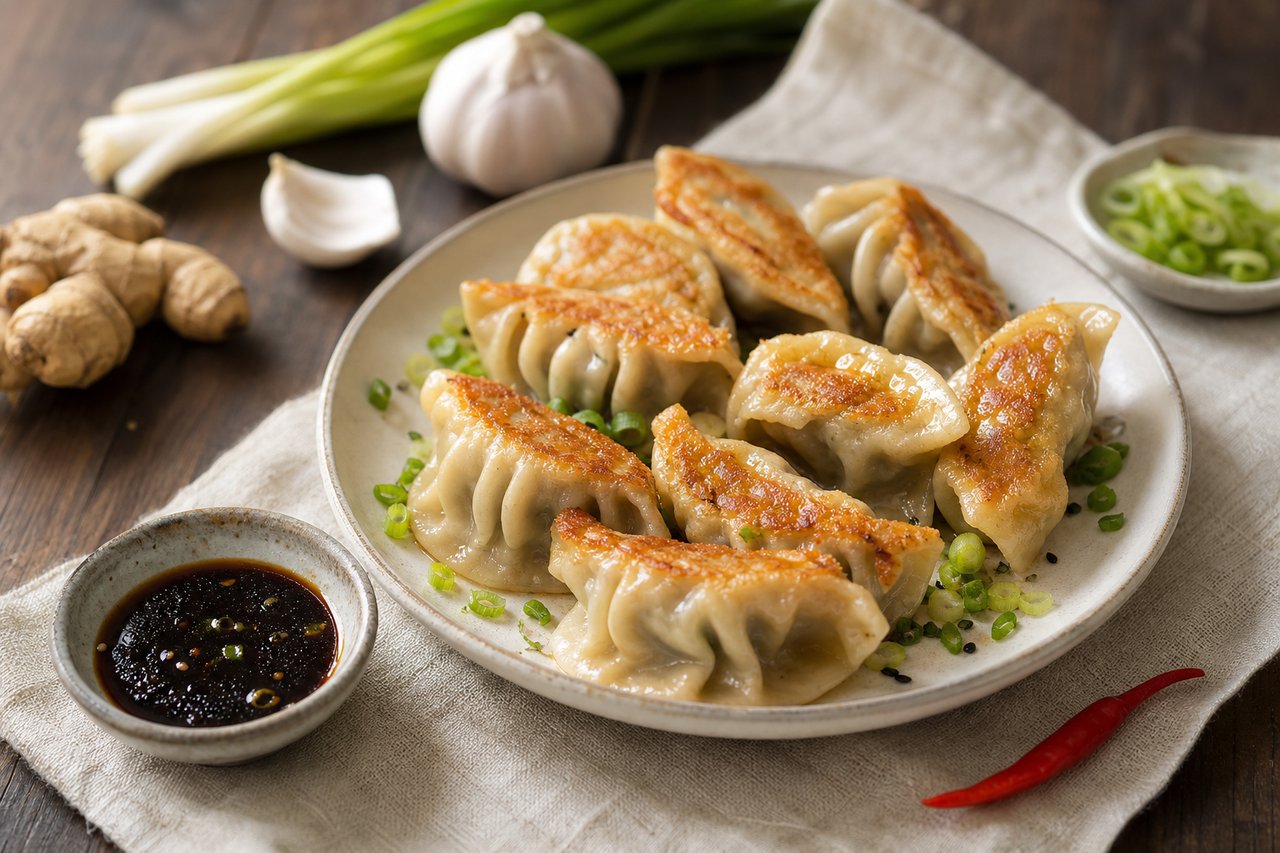
Pan-Fried Pork Gyoza

03

Vietnamese

Vietnamese Iced Coffee (Ca Phe Sua Da)

04

Bubble Tea & Drinks

Classic Milk Tea with Boba

05

Bubble Tea & Drinks

Thai Iced Tea

Cooking Asian food at home

Built for the home kitchen, not the restaurant pass

Asian cooking has a reputation for being fussy — long ingredient lists, special equipment, techniques that take years to master. In practice, the home cooking of Japan, Korea, China, Thailand and Vietnam is some of the most forgiving food there is, because so much of it rests on a small set of foundations and a tight, savoury pantry. Learn to cook rice properly, build a clean broth, balance salt against sour and heat, and a huge range of dishes opens up from the same handful of skills.

That is the idea behind every recipe here. Each one is written for an ordinary kitchen and ingredients you can actually buy, with the method explained step by step and the reasoning behind it made clear — not just what to do, but why. Where a technique genuinely matters, like pulling a milky tonkotsu ramen broth or getting tapioca pearls chewy rather than gummy, it gets the space it deserves in a dedicated technique guide. Where a shortcut works, it is offered; where it costs too much in flavour, the recipe says so.

Start where it suits you

If you are new to it, the beginner-friendly recipes are the gentlest way in, and the Asian pantry guide explains the dozen or so ingredients — soy sauce, miso, gochujang, fish sauce, sesame oil and the rest — that unlock the most dishes. If you already cook this food and want to go deeper, the cuisine guides work through the foundations of each kitchen in detail, and you can always browse by ingredient to cook from whatever is already in the cupboard.

However you arrive, the aim is the same: recipes you will cook on a normal weeknight, get right the first time, and come back to until you know them by heart.
Frequently asked questions

Do I need special equipment to cook Asian food at home?+

Rarely. A heavy pot, a non-stick or carbon-steel pan and a sharp knife handle the vast majority of these recipes. A few dishes are easier with a wok or a bamboo steamer, and the recipe always says so and offers a workaround, but nothing here demands a kitchen full of specialist gear.

Where do I buy the ingredients?+

Most are now stocked by larger supermarkets, and a local Asian grocery will have everything, usually cheaper. Each recipe flags the one or two items worth a special trip and suggests substitutions where they genuinely work. The Asian pantry guide explains what each staple is and how to keep it.

Are these recipes suitable for beginners?+

Many are. Every recipe is marked Easy, Medium or Hard, and the Beginner-friendly collection gathers the most forgiving ones — straightforward methods, everyday ingredients and dependable results. The technique guides cover the handful of skills, like cooking rice or building a broth, that the rest of the cooking rests on.

How are the recipes tested?+

Each one is cooked and re-cooked in a home kitchen until the method is reliable with ordinary equipment and supermarket-available ingredients. Where a shortcut costs too much in flavour the recipe says so; where one works, it is offered. Nothing is published on a single attempt.

New recipes in your inbox

Seasonal Asian home cooking — tested, photographed and explained step by step. Subscribe by email and a new recipe lands in your inbox each week. No spam, ever.

Subscribe by email