Cook with
Recipes with Palm Sugar
Caramel-toned unrefined sugar that rounds out Thai and Vietnamese dishes.
Palm sugar is the warm, caramel-toned sweetener at the heart of Thai and wider Southeast Asian cooking, made by boiling down the sap of palm trees into a thick syrup that sets into discs or stays soft in tubs. Far more than a source of sweetness, it carries toffee, butterscotch and faintly smoky notes that round out the salty, sour and spicy elements of a dish, bringing balance rather than mere sugariness.
What it is and how it tastes
The sap is tapped from coconut or sugar palms and slowly reduced over heat, concentrating its natural sugars while developing a deep, golden-brown caramel flavour during the long boiling. The result is less sweet and far more complex than refined sugar, with a soft, fudgy texture in its tub form and a firm, crumbly one in discs. That caramel depth is its defining trait: it sweetens while also adding a savoury-edged warmth that white sugar simply cannot supply. The exact flavour varies with the palm and the maker, ranging from pale and mild to dark, smoky and almost molasses-like, but the toffee character runs through all of it.
How to use it
Palm sugar is the sweet counterweight in the constant Thai balancing act between salty, sour, spicy and sweet. Shave or grate it from a hard disc, or scoop it from a tub, then dissolve it into warm dressings, dipping sauces and stir-fry sauces alongside fish sauce, lime and chilli. It melts smoothly into a hot pan with a little liquid. Because it is less sweet than white sugar, recipes often call for a generous amount, but it is always added to taste against the other flavours.
Buying and storing
Palm sugar comes as firm discs, in jars as a soft paste, or granulated for easy measuring. Discs keep longest and shave easily once a sharp knife is taken to them; soft palm sugar is convenient but must be sealed against drying out. Look for a pure product without added cane sugar where possible, as many cheaper versions are heavily cut with refined sugar that flattens the flavour. Stored airtight in a dry cupboard, away from moisture, it keeps almost indefinitely.
Where it shines and substitutes
Palm sugar is essential to a balanced pad thai sauce, to the dressing of green papaya salad som tam, and to the sweetness in massaman curry. It also rounds out countless dipping sauces and marinades, softening their salt and chilli with its mellow caramel sweetness. Light brown or coconut sugar are the nearest substitutes, sharing some caramel character if not the full depth and faint smokiness of the real thing. Because it is so central to the Thai balance of flavours, it is well worth keeping a disc or tub on hand. For more on the pantry it belongs to, see the Asian pantry guide.
Palm Sugar recipes (6)
Thai
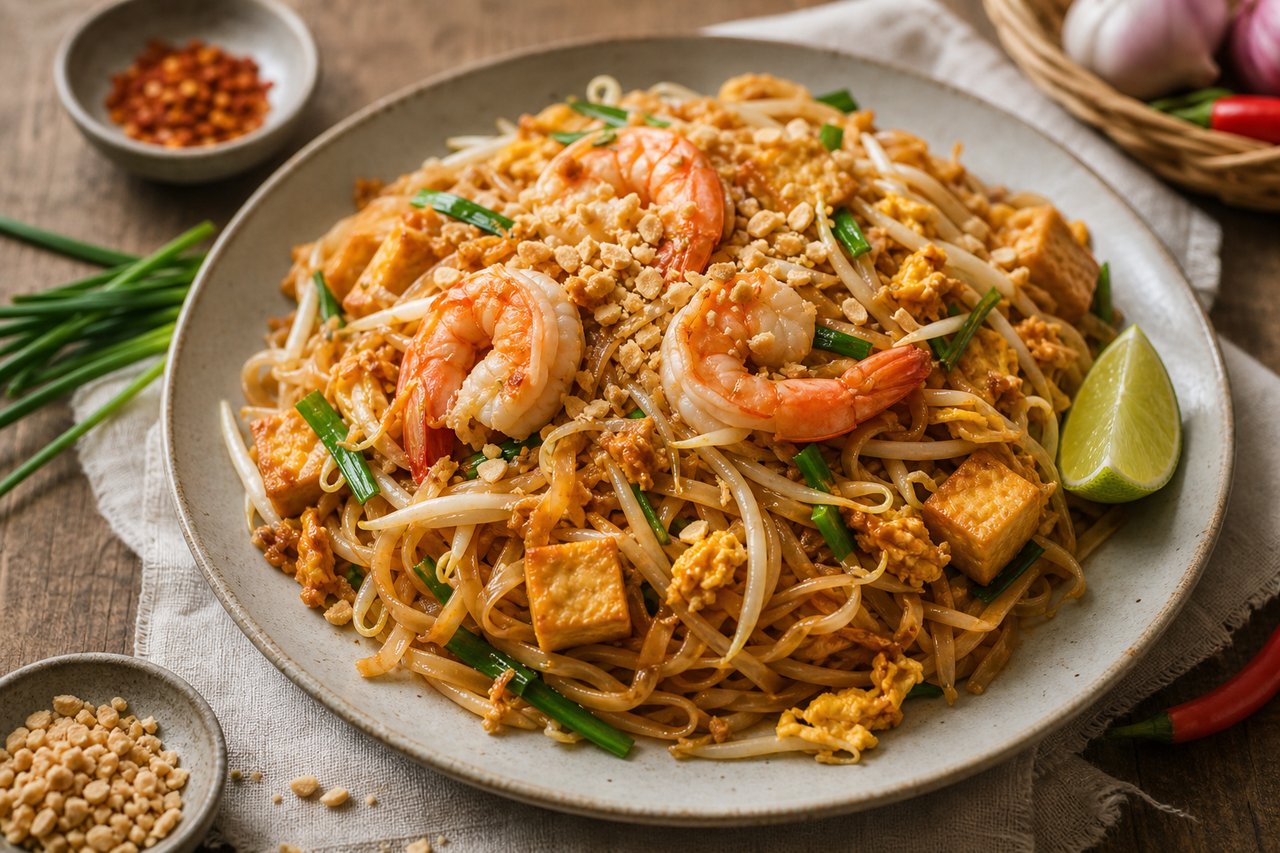
Pad Thai
Stir-fried rice noodles balanced on tamarind, fish sauce and palm sugar, with prawns, egg, tofu and a crunch of peanuts — the four-flavour classic in noodle
Thai
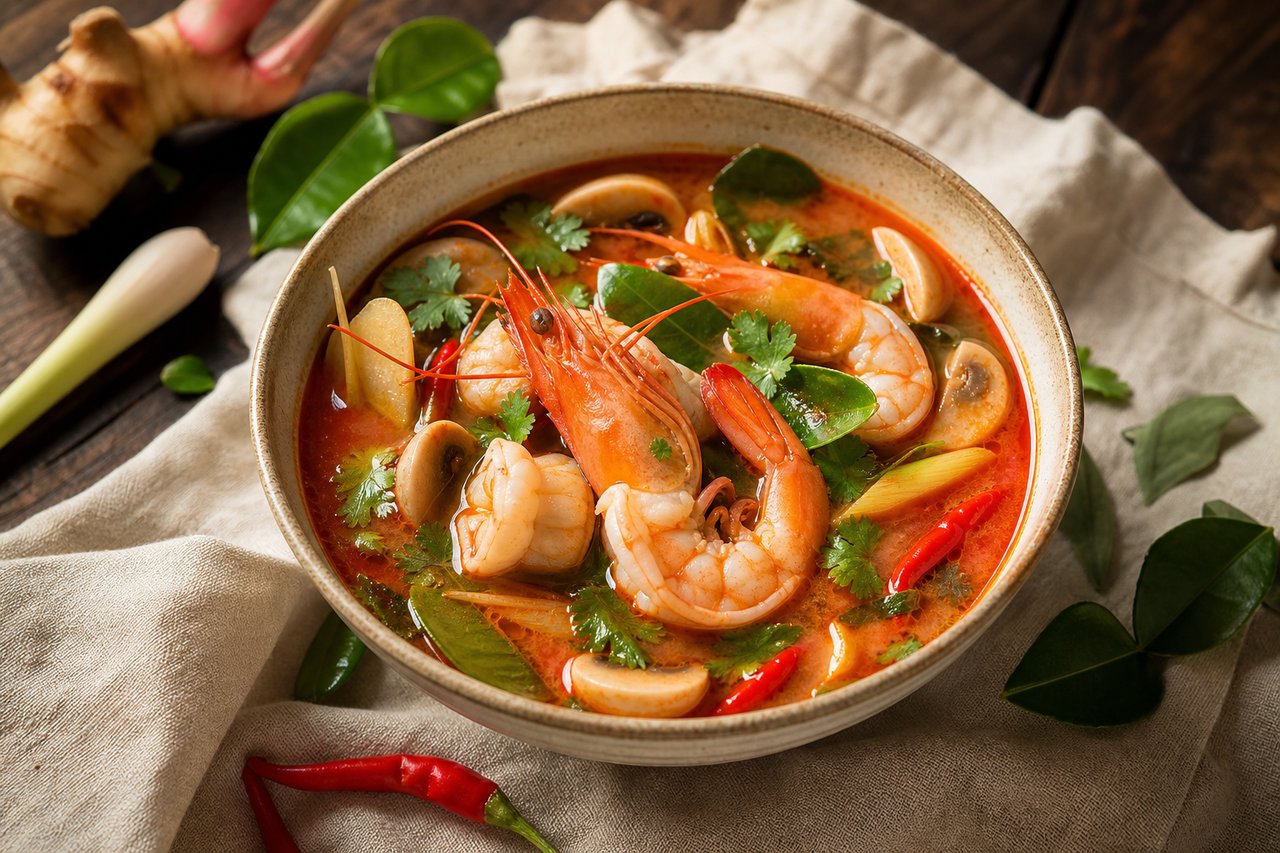
Tom Yum Goong
Thailand's iconic hot-and-sour prawn soup — fragrant with lemongrass, galangal and kaffir lime, sharpened with lime and chilli and ready in under half an hour.
Thai
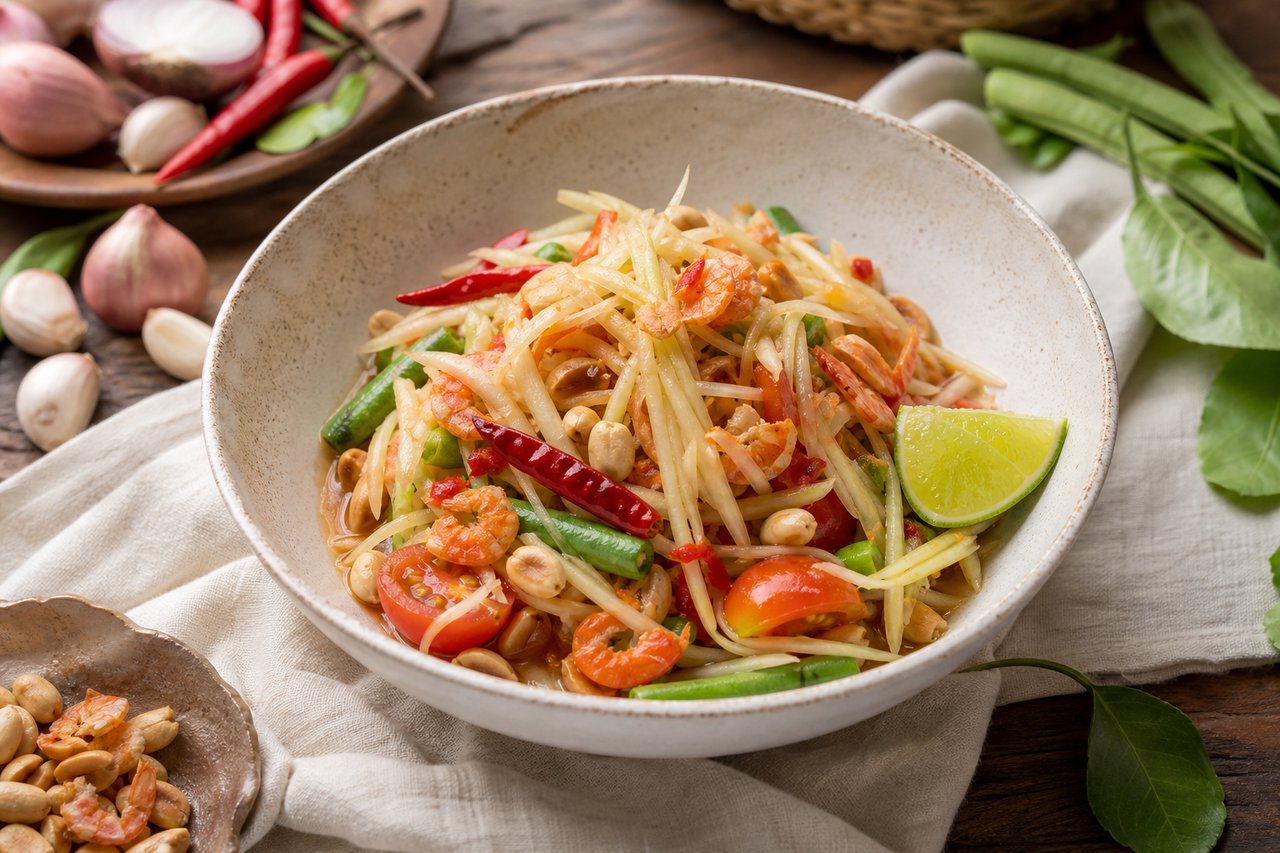
Som Tam — Thai Green Papaya Salad
Shredded green papaya pounded with lime, chilli, fish sauce and palm sugar — the bracing, crunchy salad at the heart of northeastern Thai food.
Vietnamese
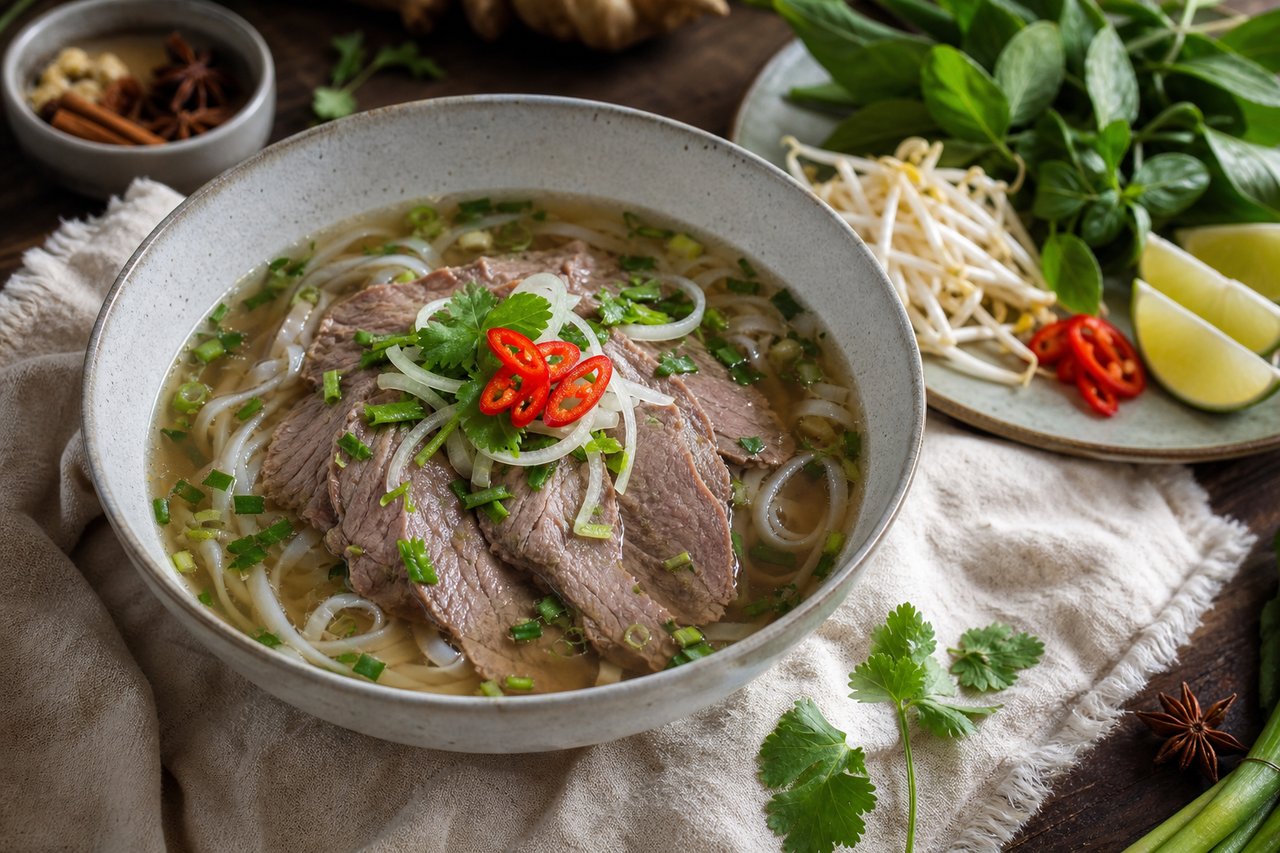
Pho Bo (Vietnamese Beef Noodle Soup)
A clear, deeply aromatic beef broth scented with charred onion, ginger and toasted spice, poured over rice noodles and raw beef and finished with a plate
Thai
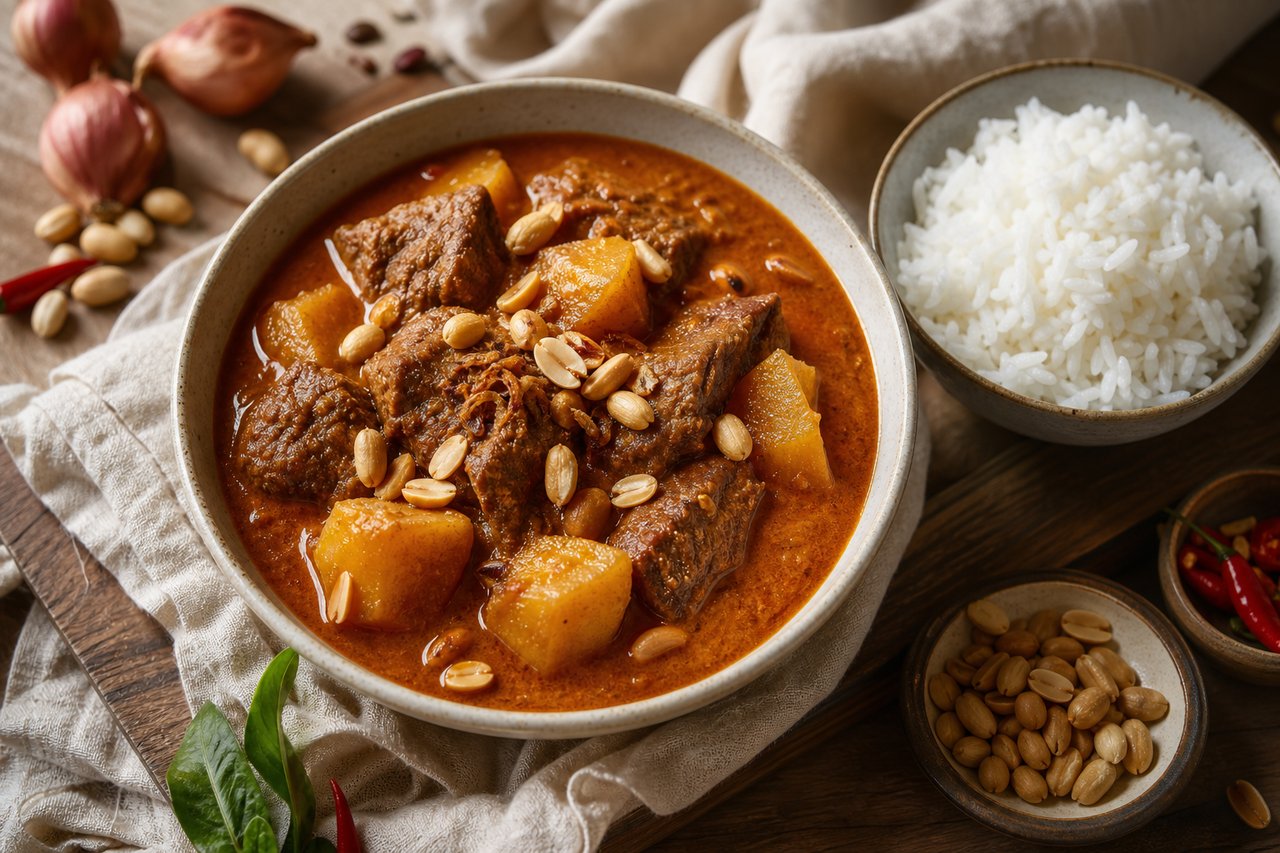
Massaman Curry
A mild, warmly spiced beef curry with potatoes and peanuts — slow-simmered in coconut milk with cardamom, cinnamon and tamarind for a rich, rounded depth.
Thai
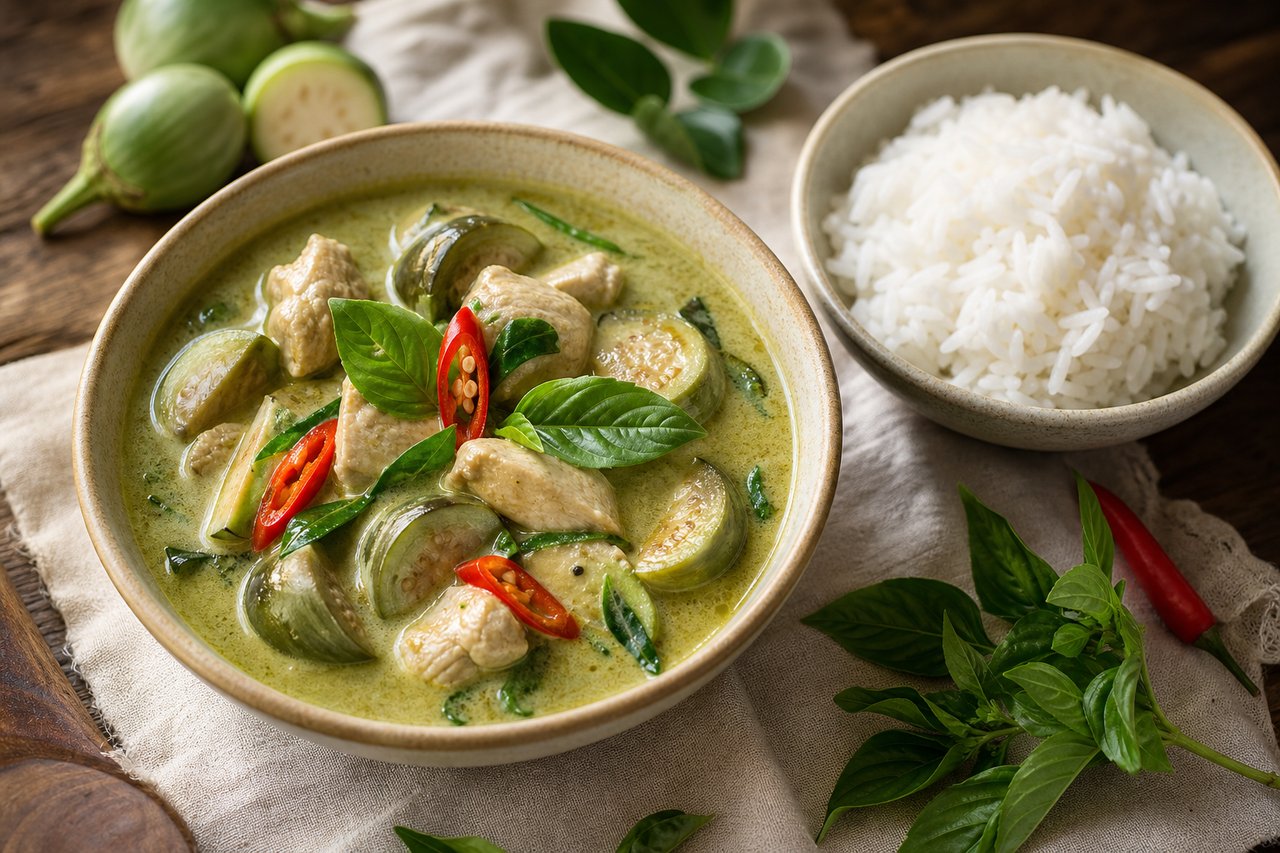
Thai Green Curry
A bright, fragrant coconut curry built on a fresh green chilli paste fried until it splits — with chicken, aubergine, basil and kaffir lime.
See also the Asian pantry guide for more on stocking these ingredients.