Cuisines

Six kitchens, one table. Start with a cuisine guide, then cook your way through its recipes.

The food gathered here spans six related but distinct kitchens — Japanese, Korean, Chinese, Thai, Vietnamese, and the bubble teas and drinks that have travelled from them around the world. Each has its own logic. Japanese cooking layers gentle umami from dashi, soy and miso; Korean food builds contrast from fermentation, chilli and a generous hand with garlic and sesame; Chinese cooking ranges from delicate Cantonese steaming to the numbing heat of Sichuan; Thai cooking chases a four-way balance of hot, sour, salty and sweet; and Vietnamese food prizes freshness, herbs and clean, aromatic broths.

What ties them together is a shared core — rice, soy, garlic, ginger and chilli appear everywhere — so the pantry and the basic techniques carry across all of them. Each cuisine guide below is a proper introduction to how that kitchen thinks: its essential ingredients, the handful of techniques that matter most, its regional variations, and how the dishes come together into a meal. Read the guide to understand the foundations, then work through the recipes underneath it. If you would rather cook from what you already have, you can also browse by ingredient, and the pantry guide covers the staples every one of these cuisines leans on.
Cook by cuisine

Six kitchens, one table

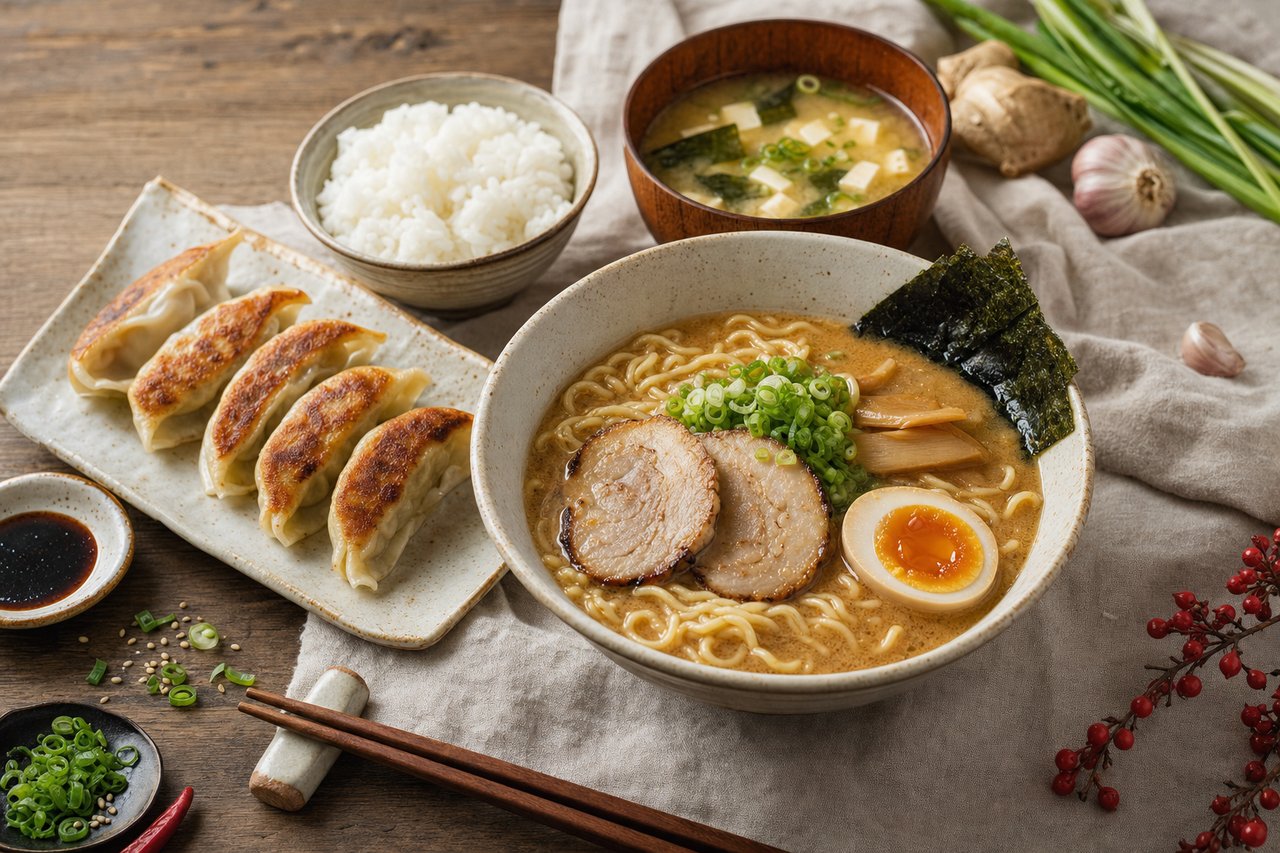
Japanese & Ramen
01

Japanese & Ramen

Tonkotsu broths, donburi bowls, izakaya plates and the slow art of dashi.

Explore
Korean
02

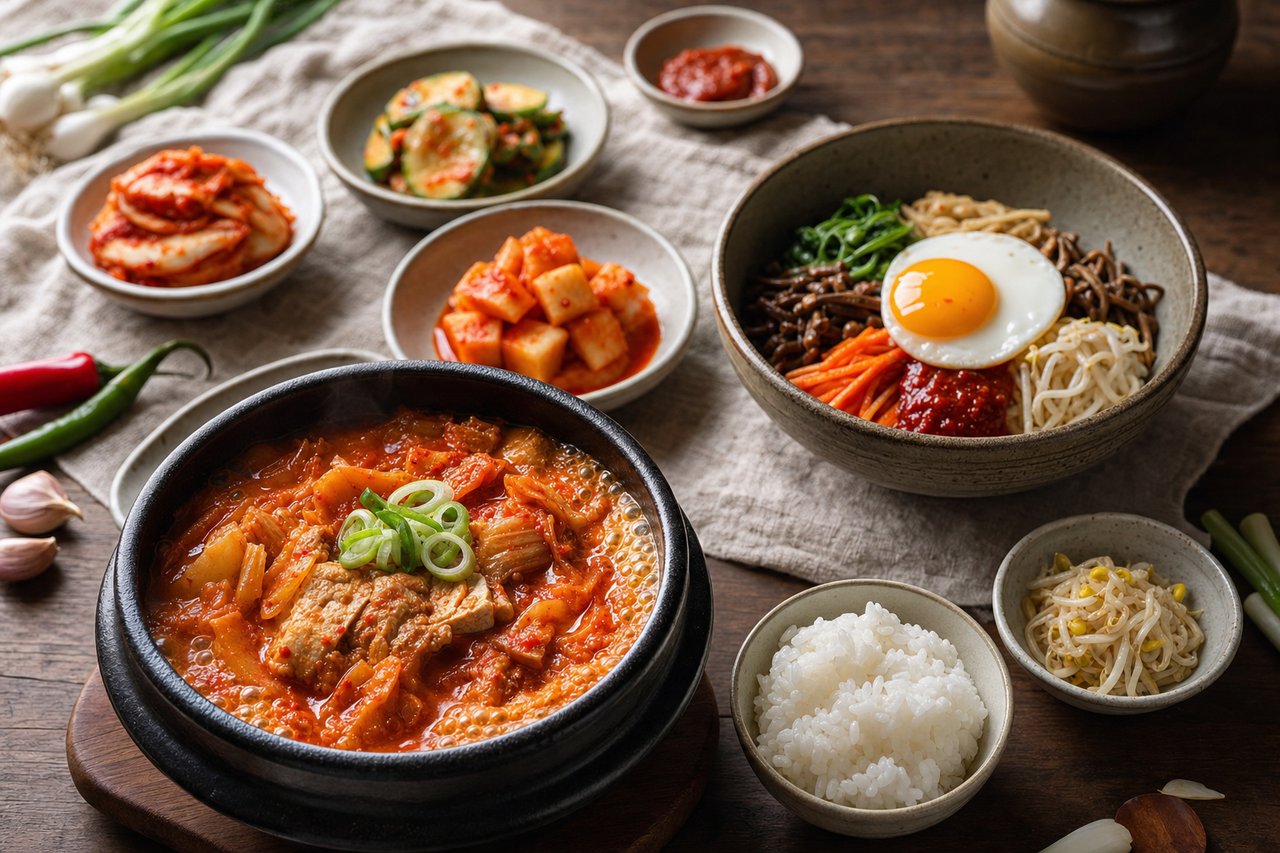
Korean

Kimchi jjigae, bibimbap, banchan and the deep heat of gochugaru.

Explore
Chinese
03

Chinese

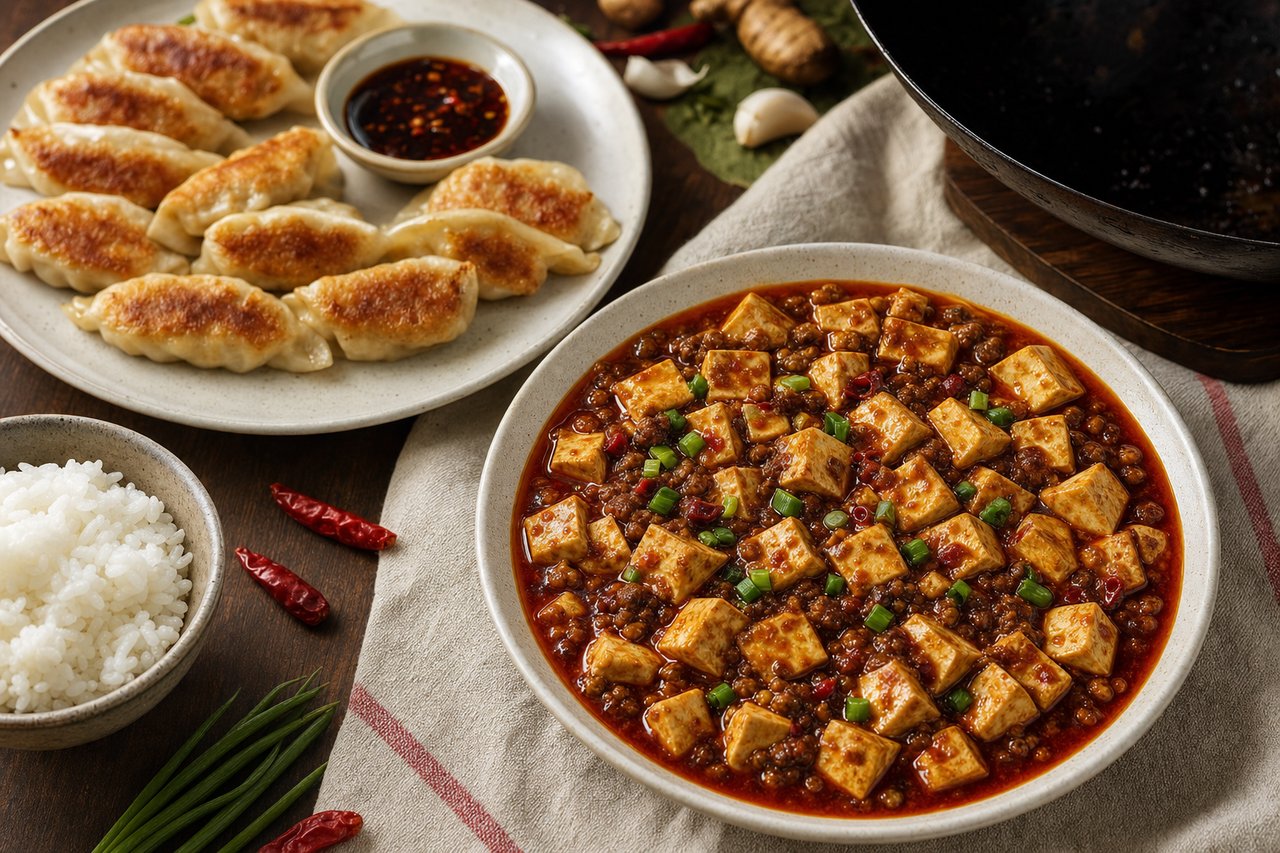
Mapo tofu, hand-folded dumplings and the wok-hei of a roaring stir-fry.

Explore
Bubble Tea & Drinks
04

Bubble Tea & Drinks

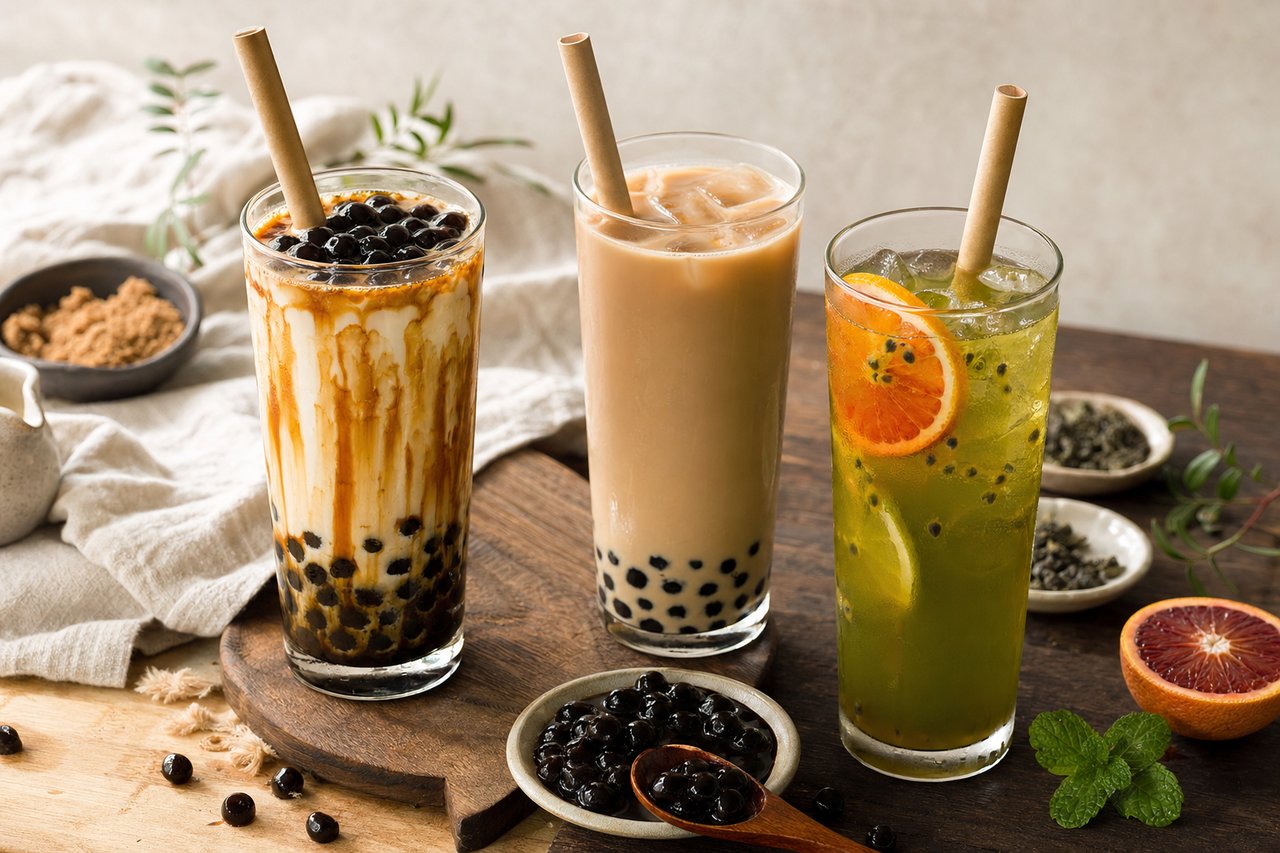
Brown-sugar boba, fruit teas and the chewy science of tapioca pearls.

Explore
Thai
05

Thai

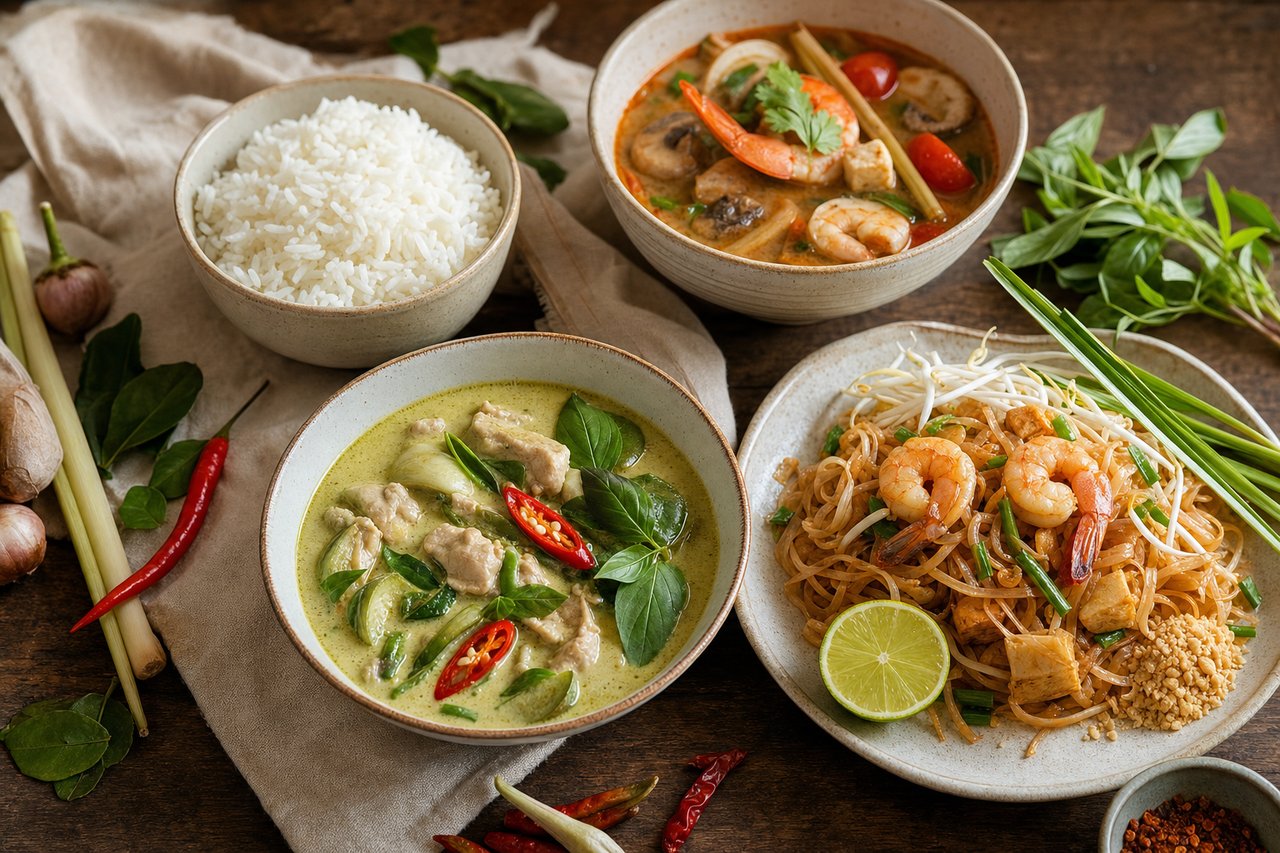
Pad thai, fragrant curries and the four-way balance of hot, sour, salty and sweet.

Explore
Vietnamese
06

Vietnamese

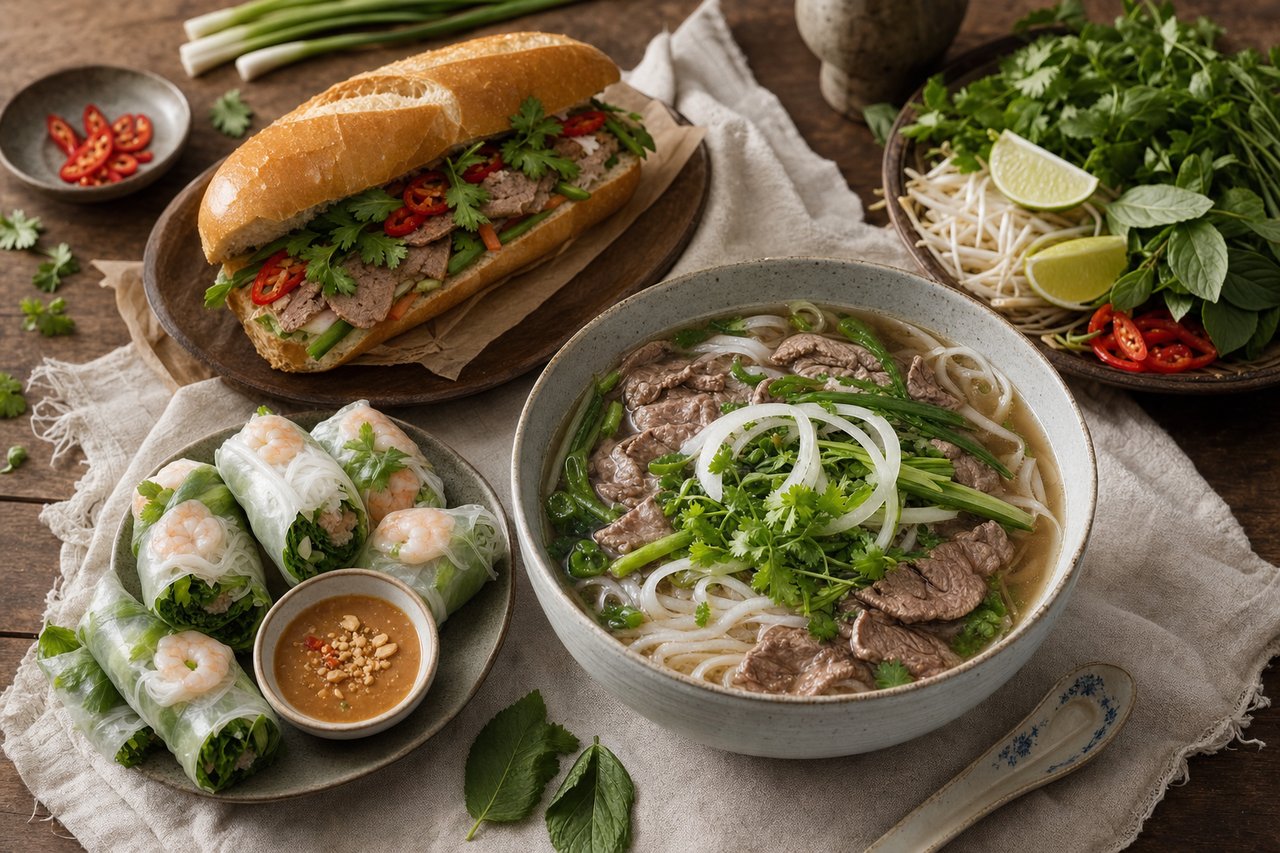
Pho, banh mi, fresh herbs and bright, clean broths.

Explore

Cooking by cuisine: common questions

Which cuisine is easiest to start with?+

Japanese and Vietnamese home cooking are often the gentlest entry points — both lean on clean, simple techniques and short ingredient lists. A bowl of rice with miso soup, or a plate of fresh summer rolls, asks very little of a beginner while still tasting authentic. Korean and Thai cooking reward a little more confidence with bold, layered flavours.

Do these cuisines share ingredients?+

A great deal. Soy sauce, garlic, ginger, sesame, chilli and rice run through all of them, so stocking a core Asian pantry sets you up to cook across every cuisine here. The differences come from the accents — fish sauce and lime in Thai and Vietnamese food, gochujang and gochugaru in Korean, fermented bean pastes in Chinese — rather than from entirely separate larders.

What is the difference between the cuisine guides and the recipes?+

Each cuisine guide is a long-form overview of how that kitchen works — its pantry, core techniques, regional styles and how a meal comes together — while the recipes are the individual dishes you cook. The guides are the best place to understand the foundations; the recipes are where you put them into practice.

Can I cook these dishes with supermarket ingredients?+

Mostly, yes. Larger supermarkets now stock the core sauces, pastes and aromatics, and every recipe flags the one or two items worth a trip to an Asian grocery, with substitutions where they work. None of the cooking here depends on ingredients you cannot reasonably get hold of.