Cook with
Recipes with Tofu
Silken for soups, firm for frying — a versatile protein that absorbs flavour.
Tofu is curdled soybean milk pressed into blocks, a mild, protein-rich staple that runs through Chinese, Japanese and Korean cooking alike. Its reputation for blandness is also its great virtue: tofu is a blank canvas that soaks up marinades, sauces and seasonings, taking on bold flavours while contributing a satisfying texture that ranges from silky and custard-like to firm and meaty depending on the type chosen.
What it is and how it tastes
Soy milk is set with a coagulant and pressed, much as cheese is made from curdled dairy. How much water is pressed out determines the type: silken tofu is left soft and barely set, almost like a savoury custard, while firm and extra-firm tofu is pressed denser and sturdier. On its own tofu tastes gently of soybeans and little else, which is the point — it carries other flavours rather than imposing its own, acting as a sponge for sauces and marinades. Texture is where it speaks loudest, from the delicate wobble of silken to the satisfying chew of a well-browned firm block with a golden crust.
How to use it
Match the tofu to the task. Silken tofu belongs in soups, sauces and anything where a smooth, delicate texture is wanted; handle it gently as it breaks easily. Firm and extra-firm tofu suits stir-fries, skewers and pan-frying — press it first to expel water so it browns and crisps rather than stewing. Marinate pressed tofu to drive flavour in, then sear it hard for a golden crust before finishing in a sauce. Frozen and thawed firm tofu turns spongy and soaks up sauce especially well.
Buying and storing
Buy the type the recipe calls for, as silken and firm are not interchangeable: a silken block will collapse in a stir-fry, while firm tofu turns rubbery in a delicate soup. Check the date and choose blocks that feel intact in their water, with no sour smell. Once opened, store leftovers submerged in fresh water in a sealed container in the fridge, changing the water daily to keep it fresh, and use within three or four days.
Where it shines and substitutes
Tofu is central to silky sundubu jjigae, to spicy mapo tofu, and to a comforting bowl of miso soup. The firm types also crisp up beautifully in stir-fries and on skewers once pressed and well seasoned. Where firm tofu is wanted, a pressed paneer or a firm tempeh can stand in for texture, though neither carries borrowed flavour quite the same way. With the right type chosen and a little care over pressing and browning, tofu rewards good technique as generously as any ingredient in the kitchen. For more on the pantry it belongs to, see the Asian pantry guide.
Tofu recipes (5)
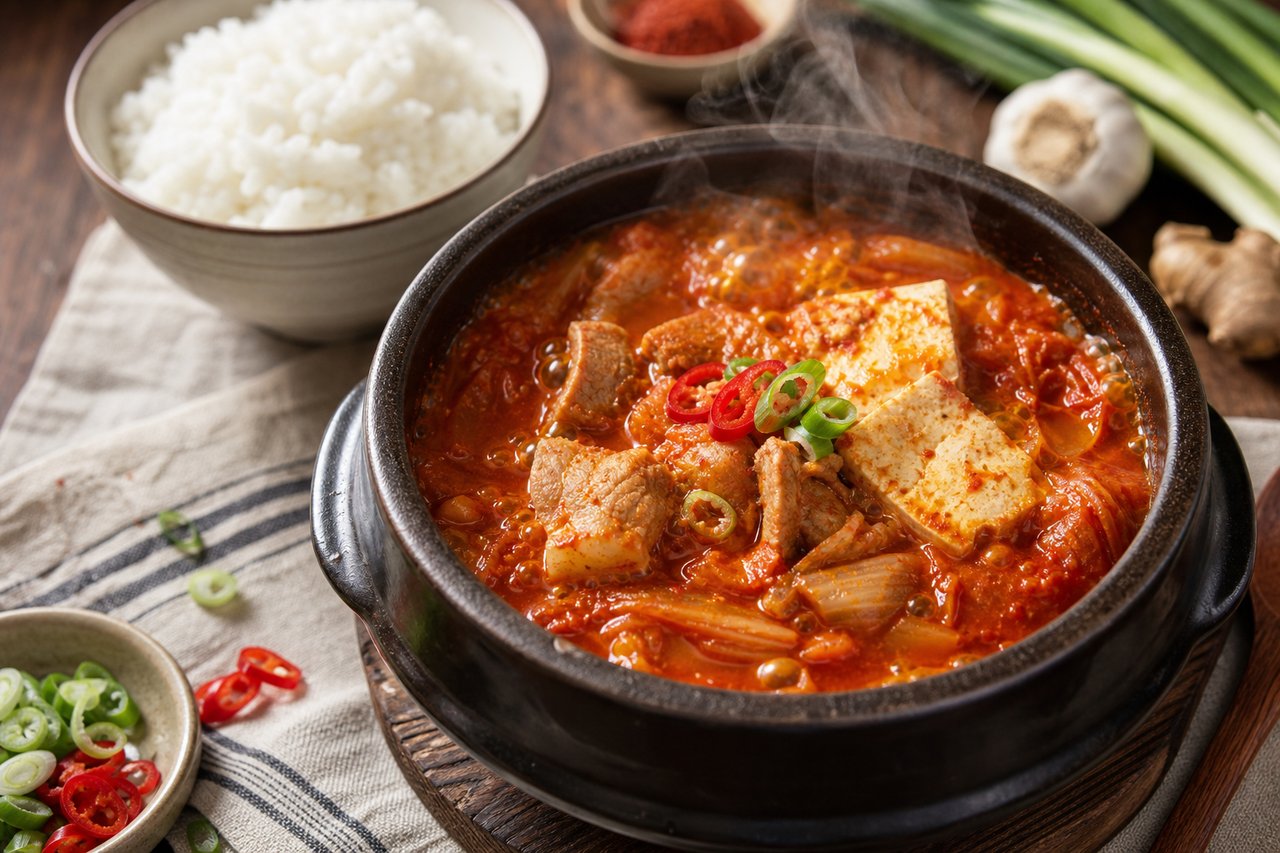
Korean
Kimchi Jjigae
The classic Korean kimchi stew — sour, aged kimchi simmered with pork, tofu and a deep gochugaru broth that tastes like it cooked all day but comes together
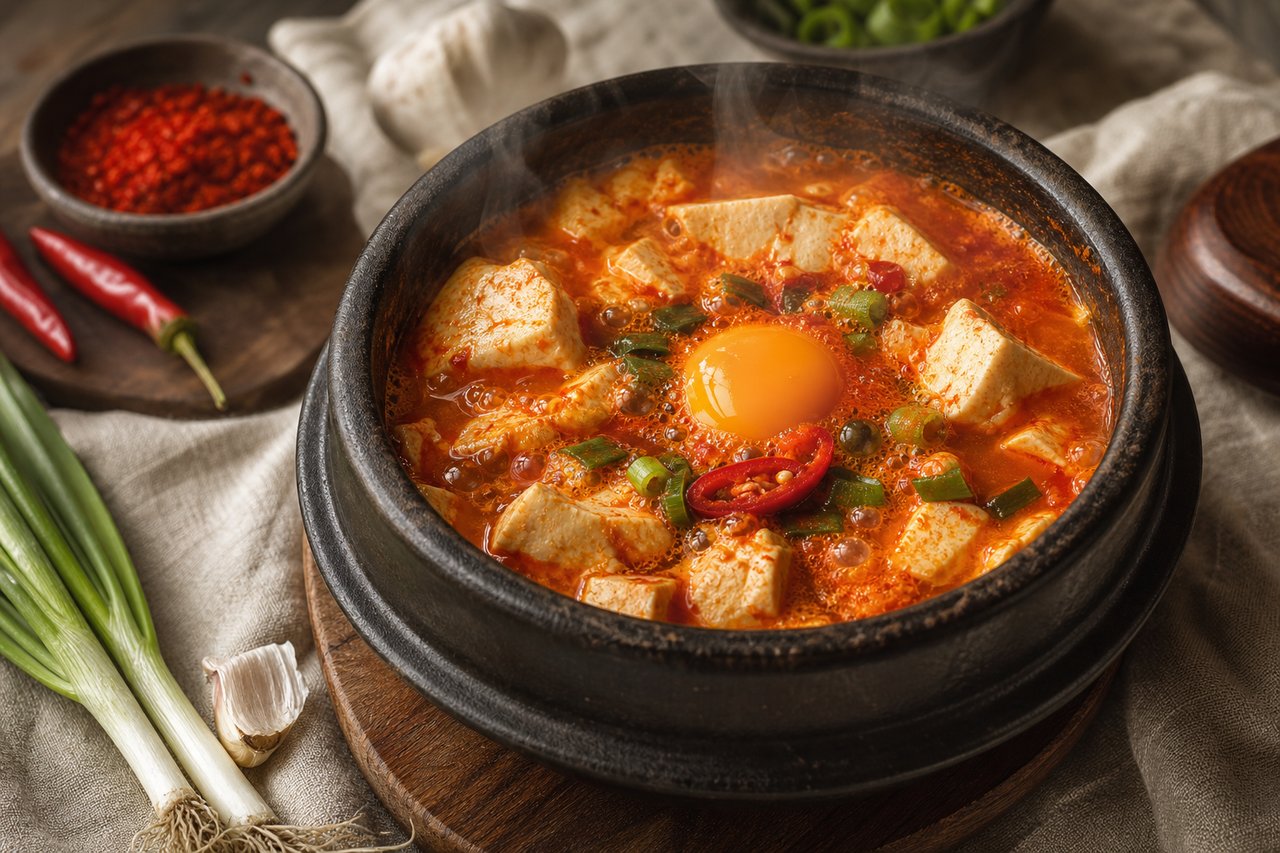
Korean
Sundubu Jjigae
A fiery, silky Korean soft-tofu stew built on a fragrant gochugaru-and-garlic chilli oil base, finished with uncurdled tofu and a raw egg cracked in at
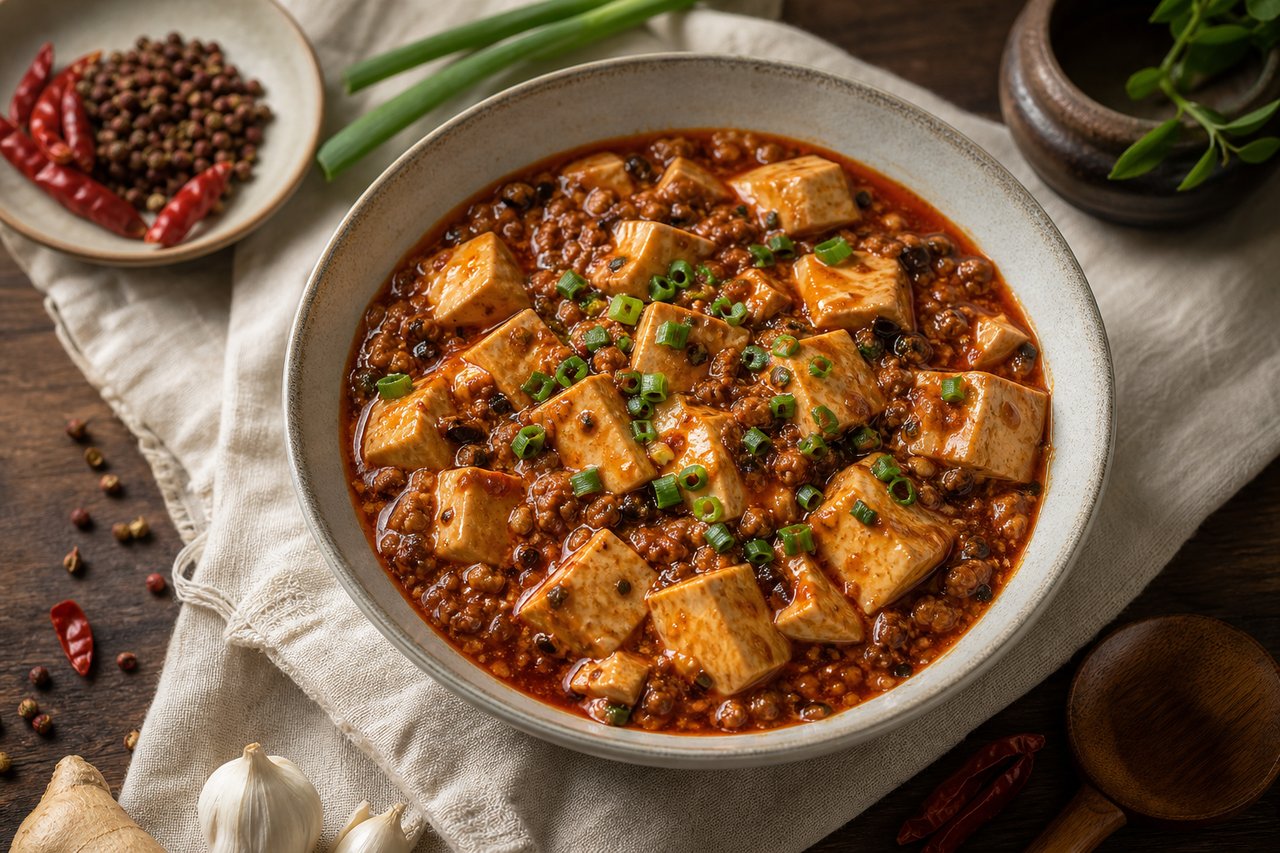
Chinese
Mapo Tofu
Silky tofu and minced pork in a glossy, numbing-hot Sichuan sauce built on doubanjiang and ground Sichuan peppercorn — a fast, deeply savoury weeknight classic.
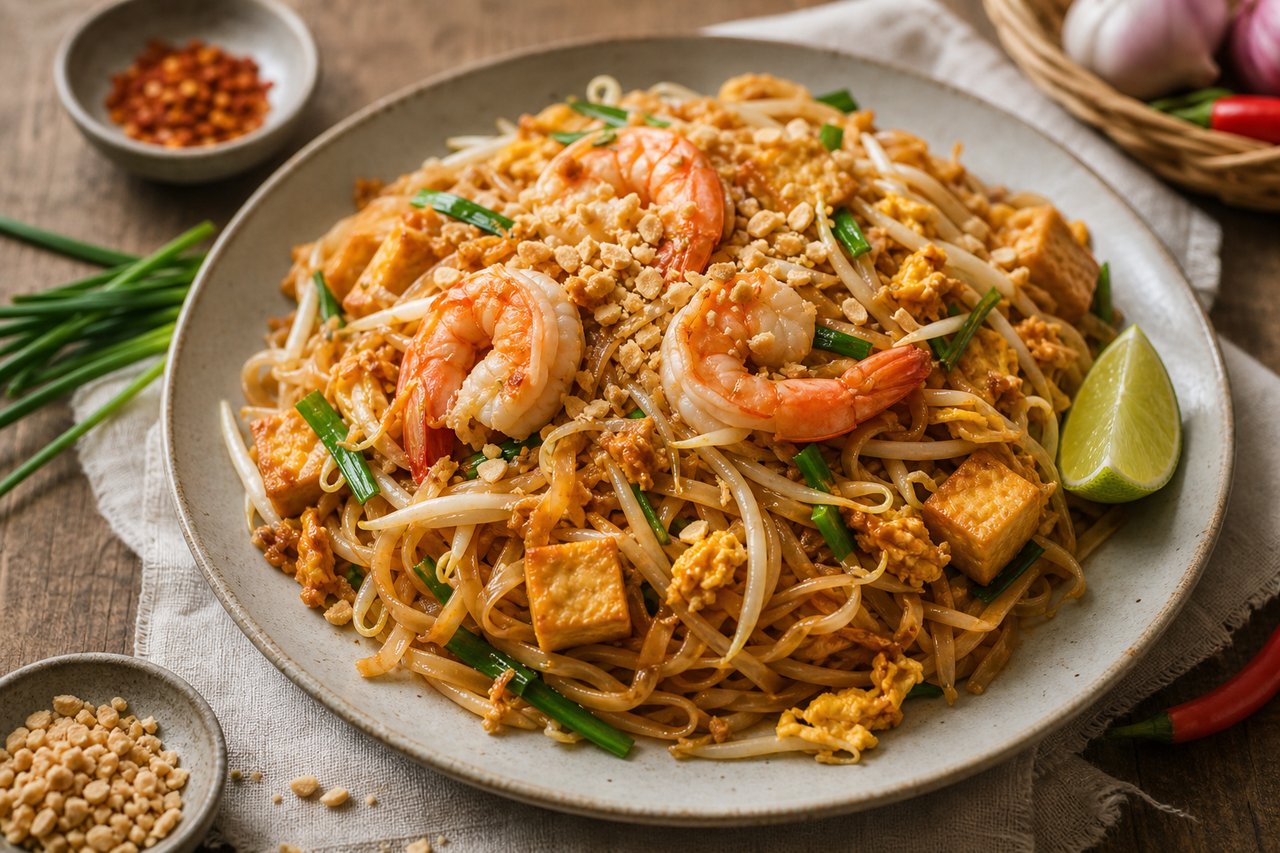
Thai
Pad Thai
Stir-fried rice noodles balanced on tamarind, fish sauce and palm sugar, with prawns, egg, tofu and a crunch of peanuts — the four-flavour classic in noodle
Japanese & Ramen
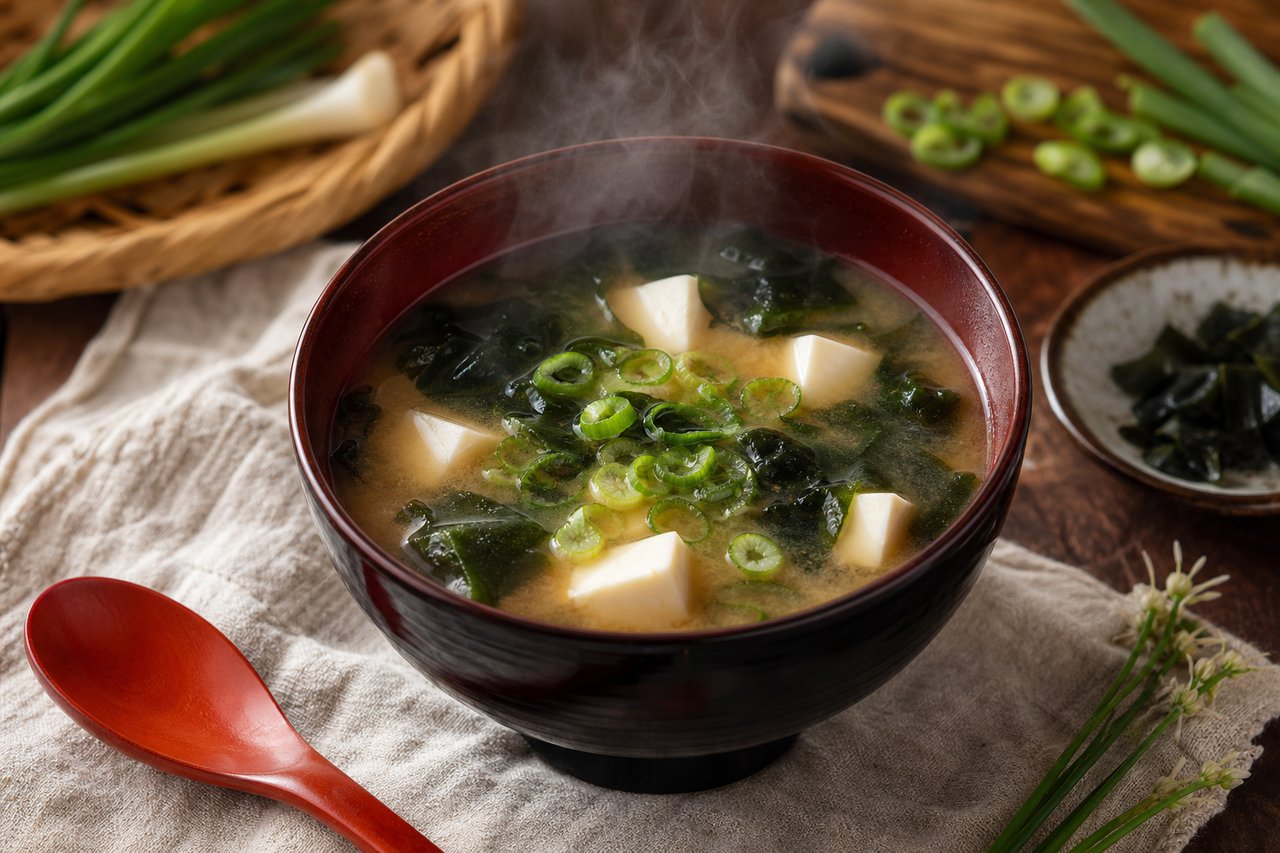
Everyday Miso Soup
A clear, savoury dashi broth loosened with miso, soft tofu and wakame — the five-minute soup at the heart of the Japanese table.
See also the Asian pantry guide for more on stocking these ingredients.