Japanese & Ramen

Everyday Miso Soup

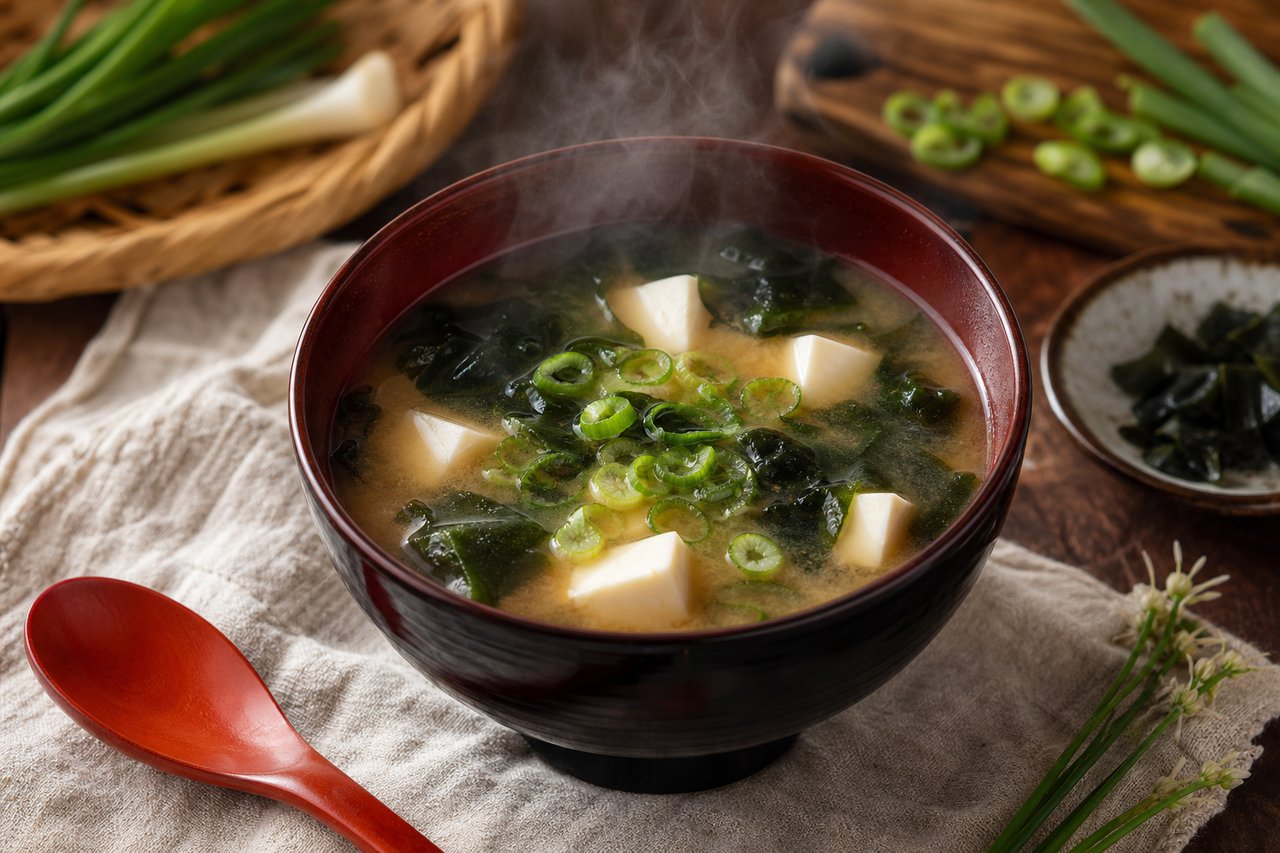
A clear, savoury dashi broth loosened with miso, soft tofu and wakame — the five-minute soup at the heart of the Japanese table.

Prep
5 min
Cook
10 min
Serves
4 bowls
Level
Easy

By Maya Chen

Everyday Miso Soup

Method

  1. 01

    Soak the dried wakame in cold water for 5 minutes until it swells and softens, then drain.

  2. 02

    Warm the dashi in a saucepan over medium heat until it is steaming but not boiling.

  3. 03

    Add the cubed tofu and the drained wakame and heat through gently for 2 minutes.

  4. 04

    Take the pan off the heat. Place the miso in a ladle or small sieve held in the broth and whisk it until fully dissolved, so it never sits in a lump.

  5. 05

    Stir the dissolved miso back through the soup. Do not let it boil after the miso goes in, or the aroma flattens and the texture turns grainy.

  6. 06

    Taste and add a little more miso if needed. Ladle into bowls and scatter with sliced spring onion.

Miso soup is the quiet constant of Japanese home cooking, served at breakfast as readily as dinner. It comes together in minutes once the dashi is ready, and the whole craft of it lies in two things: a good broth and a gentle hand with the miso. Get those right and the rest is a matter of what you feel like adding.

Start with dashi

Everything rests on the dashi, the savoury stock made from kombu and bonito that gives the soup its backbone. A traditional dashi takes only a short steep, and instant dashi powder is what most households actually use on a weeknight. For a vegetarian bowl, kombu alone or with dried shiitake delivers plenty of depth without any fish.

Dissolve the miso off the heat

The single rule that protects the flavour is to add the miso away from the boil. Whisking it through a ladle or small sieve held in the warm broth keeps it from clumping, and pulling the pan off the heat first preserves the fragrant, faintly sweet aroma that boiling would drive off. Tofu, wakame and spring onion go in last, and the soup is ready to serve the moment the miso is in.
Frequently Asked Questions

Why should miso soup never boil after adding the miso?+

Miso is a living, fermented paste, and its delicate aroma and the beneficial cultures in it are damaged by a hard boil. Boiling also makes the soup turn cloudy and can give the miso a slightly grainy, separated texture. Add the miso off the heat or at the barest simmer, dissolve it gently, and serve straight away. If the soup needs reheating, bring it back only to steaming, never to a rolling boil.

What kind of miso should I use?+

White miso (shiro) is mild, sweet and a good all-purpose choice; red miso (aka) is saltier, deeper and more robust; and many cooks blend the two for balance. There is no wrong answer, so start with white if you are unsure and adjust to taste. Because saltiness varies a lot between brands and types, always start with a little less than the recipe suggests and add more after tasting.

Can I make dashi without bonito flakes?+

Yes. A purely kombu-based dashi, made by steeping a strip of dried kelp in water, gives a clean vegetarian and vegan broth. Dried shiitake mushrooms steeped in water add savoury depth and pair well with kombu for a fuller flavour. Instant dashi powder is the everyday shortcut most Japanese home cooks rely on, though many versions contain fish, so check the label if you need it meat-free.

What else can go into miso soup?+

Miso soup is endlessly adaptable around the dashi-and-miso base. Common additions include thinly sliced daikon, sliced mushrooms, leafy greens, fried tofu pockets, clams, or potato and onion. Firmer vegetables go in early to soften in the dashi, while delicate ingredients like tofu, wakame and greens are added near the end. Keep the total quantity modest so the soup stays a light, brothy accompaniment rather than a stew.

You might also like

Pan-Fried Pork Gyoza

Japanese & Ramen

Pan-Fried Pork Gyoza

50 min Medium

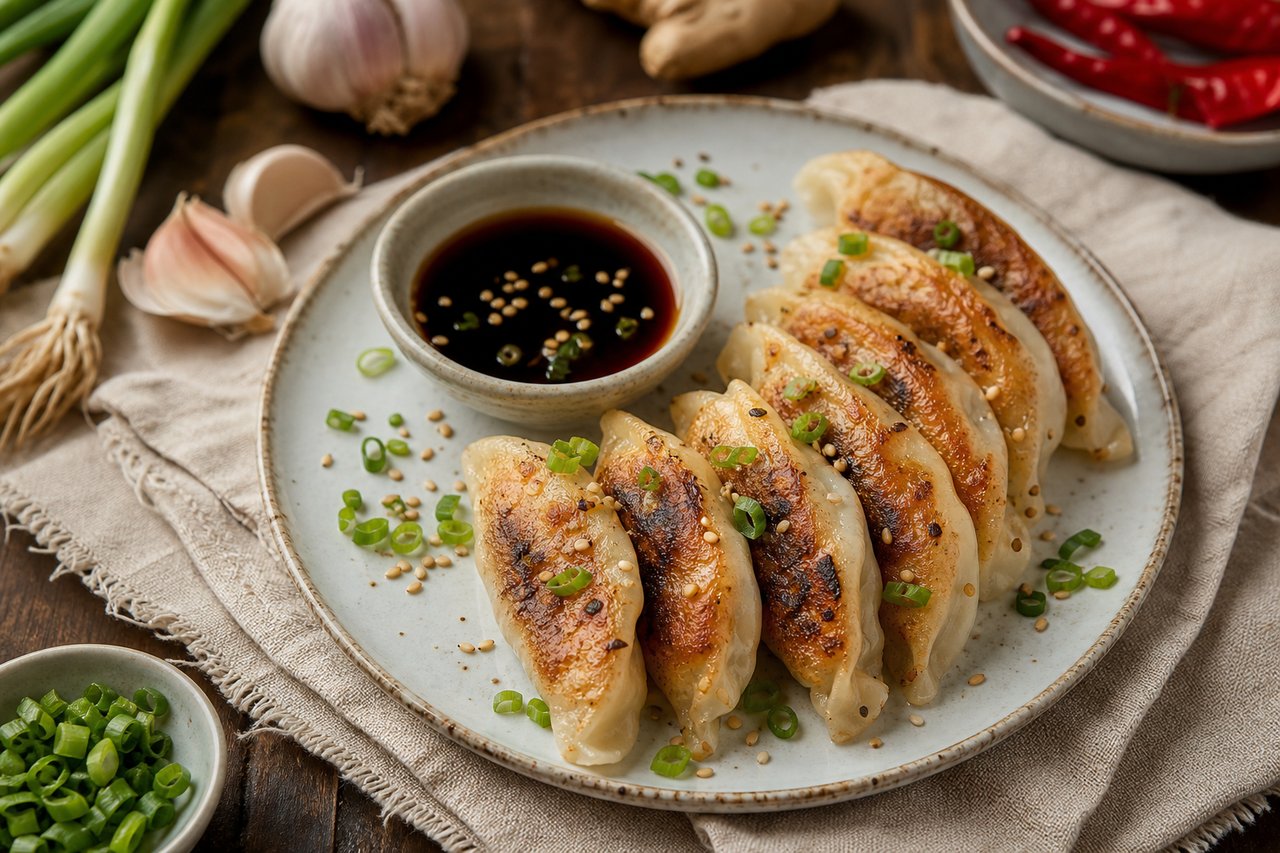
Juicy pork-and-cabbage dumplings with a lacy, crisp base and steamed pleated tops — the home version of the izakaya classic.

Chicken Katsu Curry

Japanese & Ramen

Chicken Katsu Curry

1 h Medium

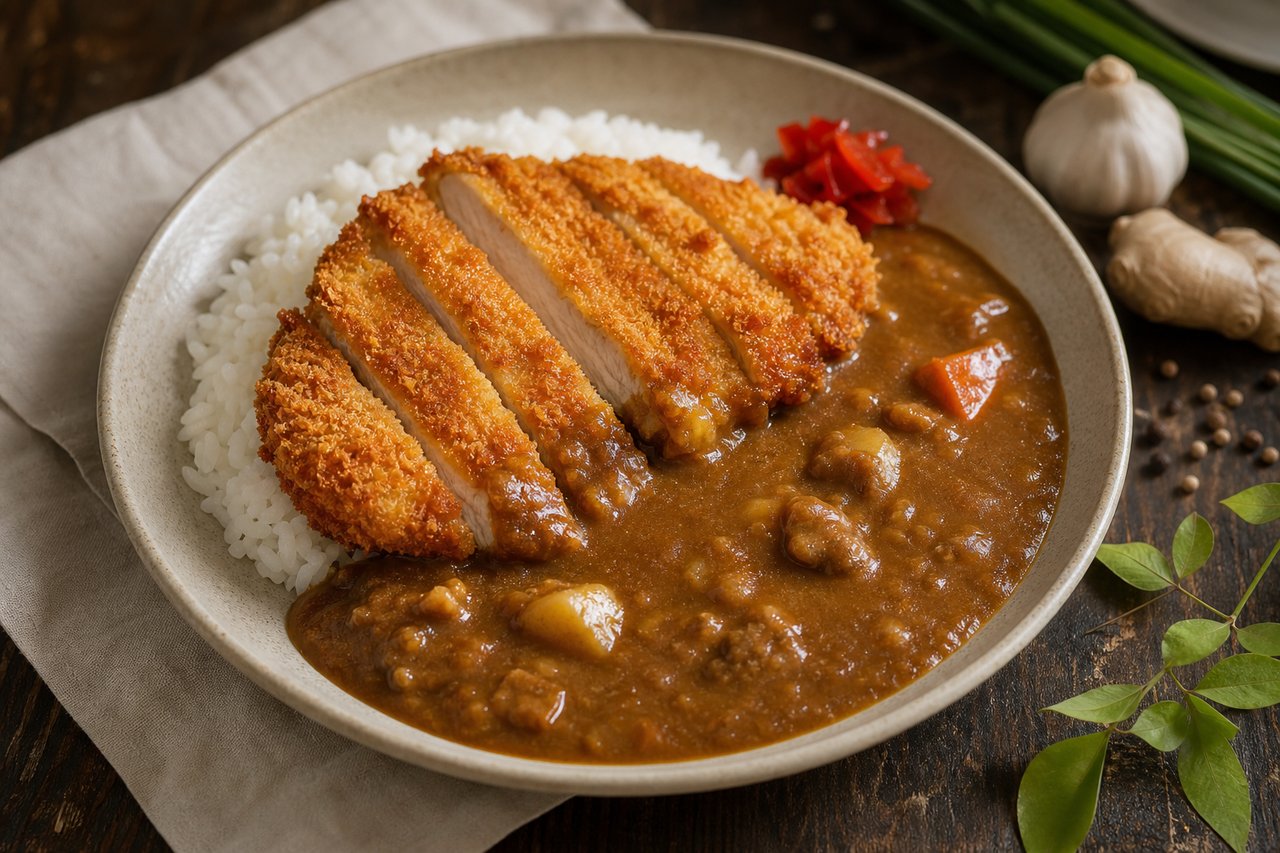
Crisp panko-crusted chicken cutlet over rice, blanketed in a glossy, lightly sweet Japanese curry sauce.

Yakitori — Japanese Grilled Chicken Skewers

Japanese & Ramen

Yakitori — Japanese Grilled Chicken Skewers

45 min Medium

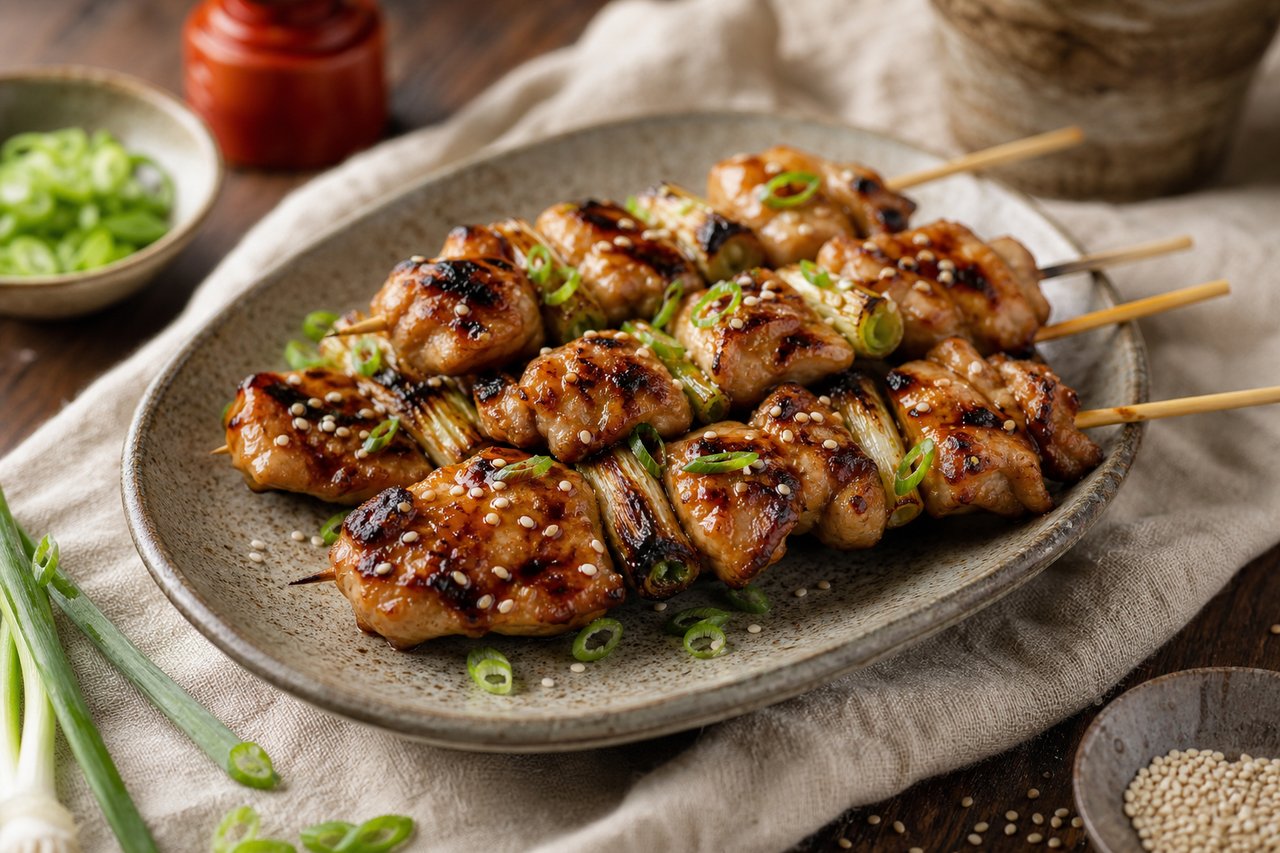
Bite-sized chicken skewers grilled over high heat and lacquered with a sweet-savoury tare, plus a salt-only version for purists.