Japanese & Ramen

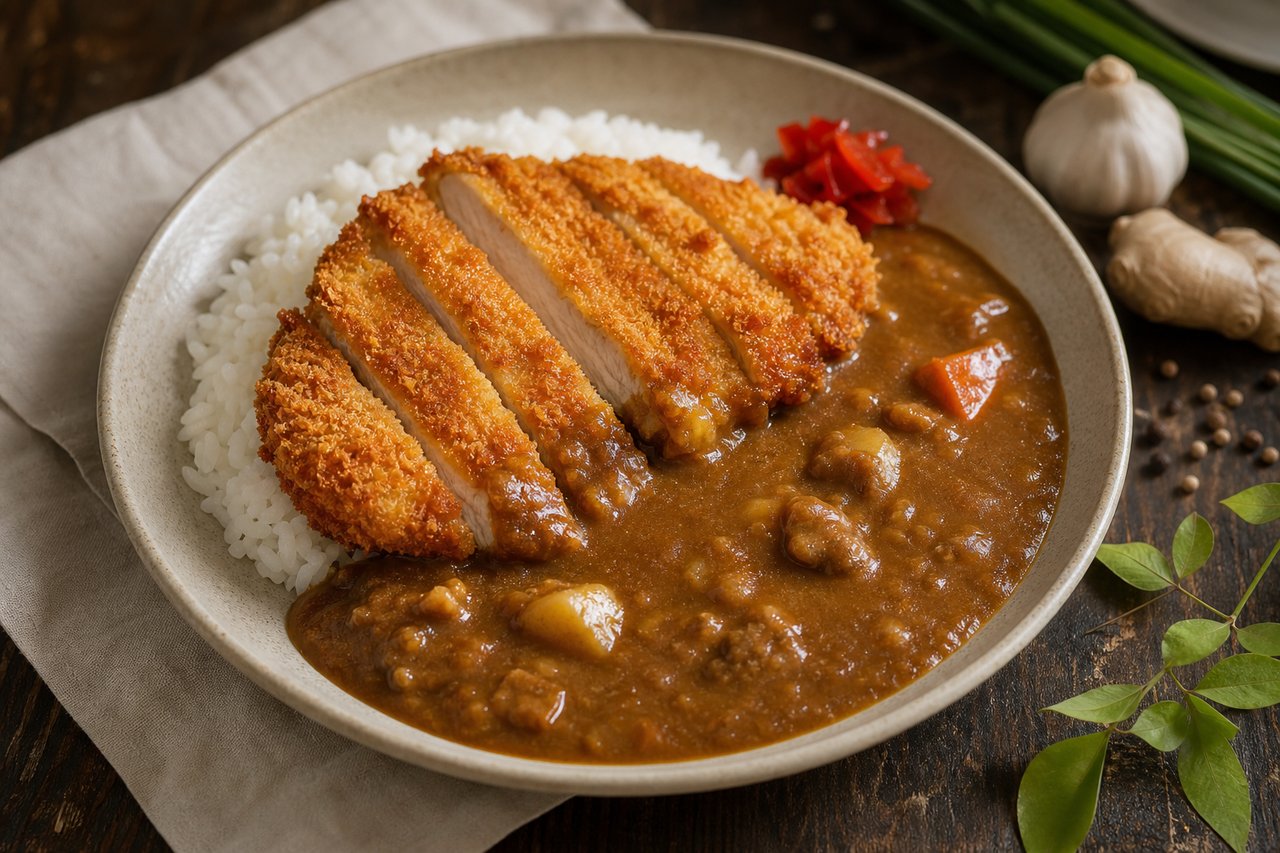
Chicken Katsu Curry

Crisp panko-crusted chicken cutlet over rice, blanketed in a glossy, lightly sweet Japanese curry sauce.

Prep
25 min
Cook
35 min
Serves
4 servings
Level
Medium

By Maya Chen

Chicken Katsu Curry

Method

  1. 01

    Soften the sliced onion and carrots in a little oil over medium heat for 8–10 minutes until the onion is golden and sweet. Stir in the garlic and ginger for a minute.

  2. 02

    Add the curry powder and flour and cook, stirring, for one minute to toast the spices, then slowly pour in the stock, whisking out lumps.

  3. 03

    Add the soy sauce and honey, simmer 15 minutes until the sauce thickens to a pourable gravy, then taste and adjust. For a smooth sauce, blend it briefly.

  4. 04

    Meanwhile, season the chicken and flatten thicker pieces slightly so they cook evenly.

  5. 05

    Set up a breading line: flour, beaten egg, then panko. Coat each piece in flour, dip in egg, and press firmly into the panko.

  6. 06

    Shallow-fry in 1 cm of oil over medium-high heat, 3–4 minutes per side, until deep golden and cooked through. Drain on a rack.

  7. 07

    Slice the cutlets crosswise into strips. Serve over steamed rice with the curry sauce ladled alongside or partly over the katsu.

Katsu curry is comfort food that earns its place: a shatteringly crisp cutlet, a thick and gently spiced sauce, and a mound of rice to soak up the gap between them. It looks like a project, but the two halves can run side by side, and the sauce is essentially a spiced gravy that forgives a heavy hand.

A curry sauce built on a quick roux

The sauce starts the way many do, with onions and carrots cooked slowly until sweet, then a spoonful of curry powder and flour toasted in the pan to build flavour and body. Whisking in stock from there gives a smooth, glossy gravy with the mild, faintly sweet profile that defines the Japanese style. Blending it at the end is optional but gives the silky restaurant texture.

The katsu, crisp and golden

The cutlet is straightforward breading done with care: dredge, egg-wash, then a firm coat of panko, which fries up airier and crunchier than ordinary breadcrumbs. Frying in shallow oil hot enough to set the crust on contact keeps the coating crisp and the meat juicy. Rest the cutlets on a rack, slice into strips, and assemble at the last moment so nothing softens before serving.
Frequently Asked Questions

Should I use chicken thigh or breast?+

Both work, and the choice is about texture. Thigh stays juicier and is more forgiving if slightly overcooked, which makes it the easier option for a crisp coating that needs a few minutes in the oil. Breast is leaner and cooks faster, but dries out quickly, so pound it to an even thickness and watch the timing. Either way, slicing the finished cutlet into strips before serving is the traditional presentation.

How do I keep the panko coating crisp?+

Three things matter: a firm three-stage breading of flour, egg, then panko with the crumbs pressed on well; oil hot enough that the crust sets on contact rather than soaking up grease; and draining on a wire rack instead of paper towel, which traps steam and softens the base. Ladle the curry sauce beside the cutlet or only partly over it so the crust does not go soggy before it reaches the table.

Can I make the curry sauce milder or spicier?+

Japanese curry is mild and slightly sweet by nature, which is why it is popular with children. The curry powder sets the heat level, so use a mild blend for a gentle sauce or add a pinch of cayenne or extra curry powder to push it hotter. A little more honey or a grated apple rounds it toward the sweeter, kid-friendly end. Adjust at the simmer stage and taste before serving.

Can the sauce be made in advance?+

Yes, and it arguably improves overnight as the flavours settle. Make the sauce up to three days ahead and refrigerate, then reheat gently with a splash of stock or water to loosen it back to a pourable consistency. It also freezes well for up to two months. Fry the katsu fresh just before serving, since the coating does not survive storage and reheating the way the sauce does.

You might also like

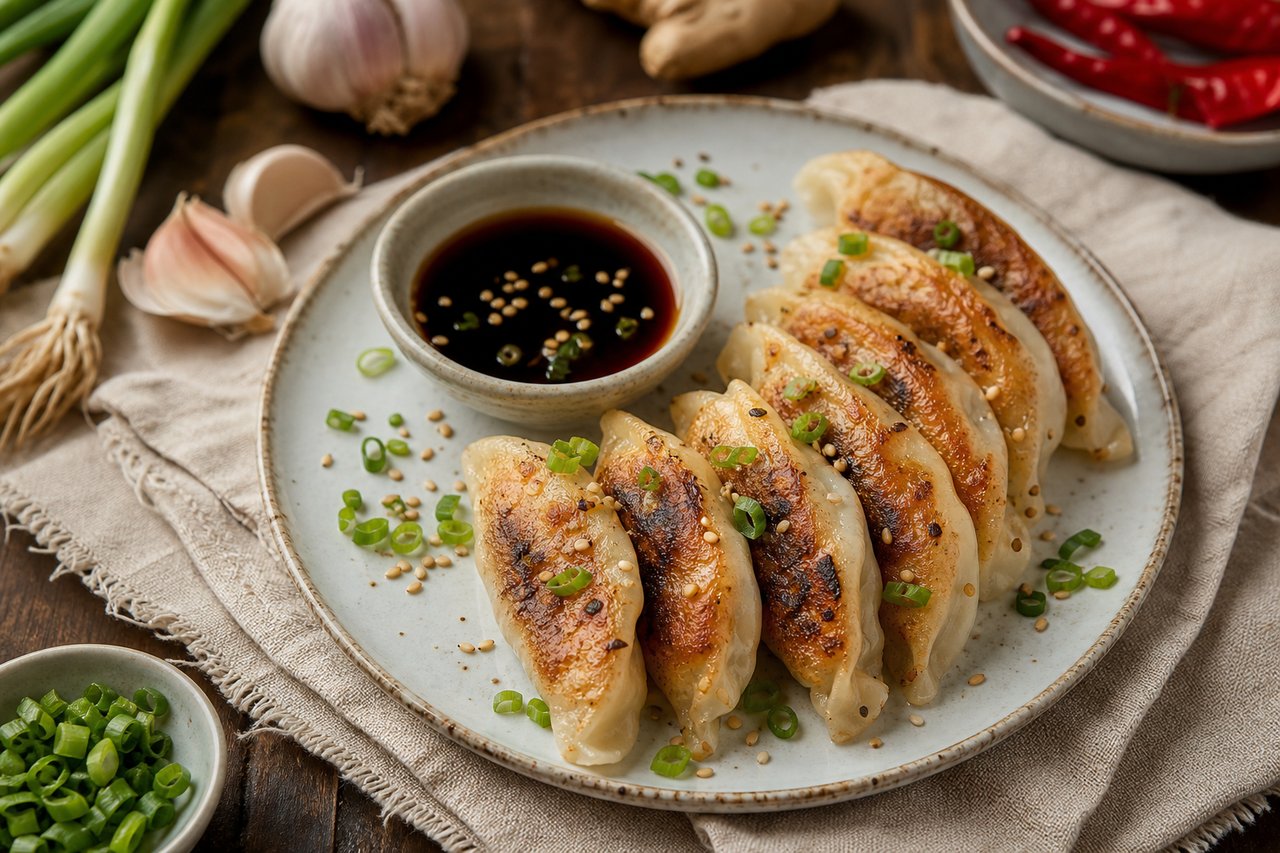
Pan-Fried Pork Gyoza

Japanese & Ramen

Pan-Fried Pork Gyoza

50 min Medium

Juicy pork-and-cabbage dumplings with a lacy, crisp base and steamed pleated tops — the home version of the izakaya classic.

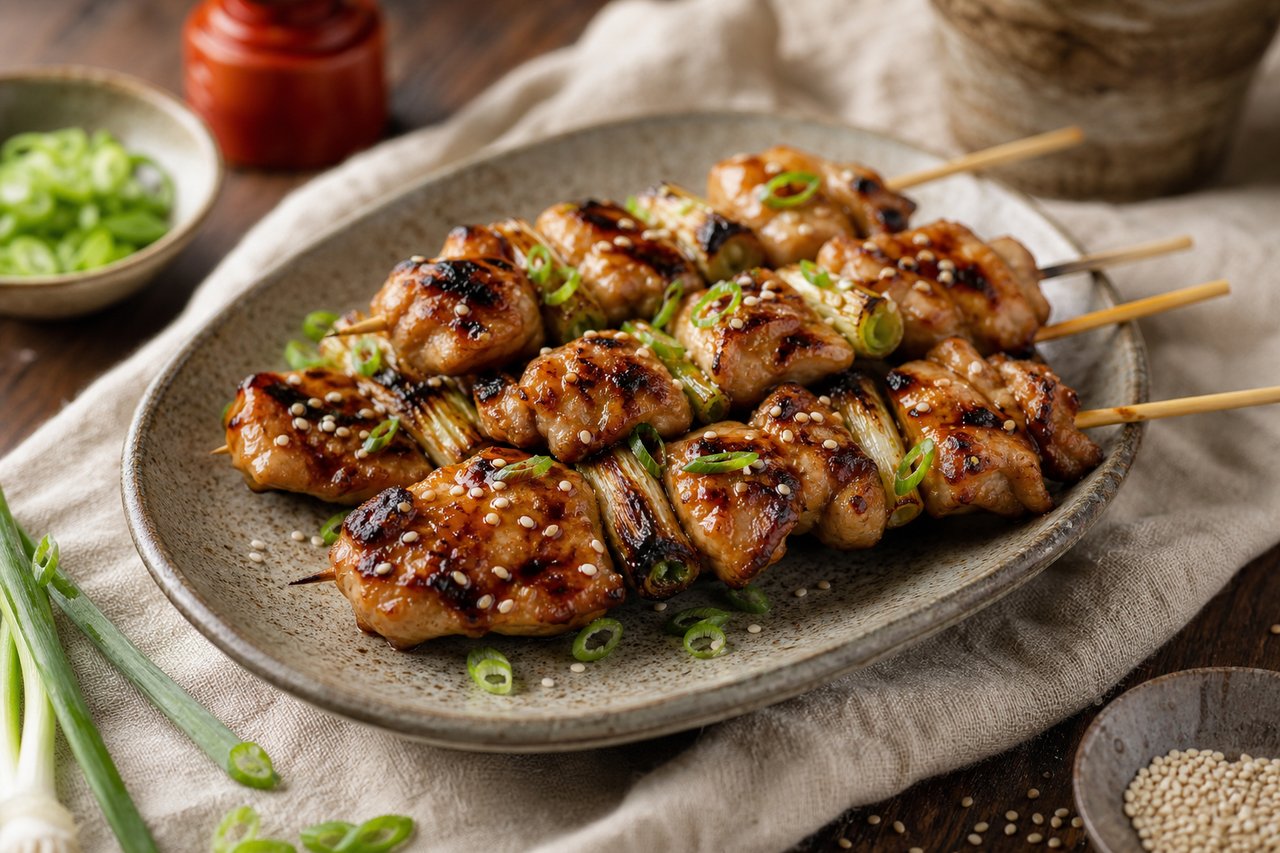
Yakitori — Japanese Grilled Chicken Skewers

Japanese & Ramen

Yakitori — Japanese Grilled Chicken Skewers

45 min Medium

Bite-sized chicken skewers grilled over high heat and lacquered with a sweet-savoury tare, plus a salt-only version for purists.

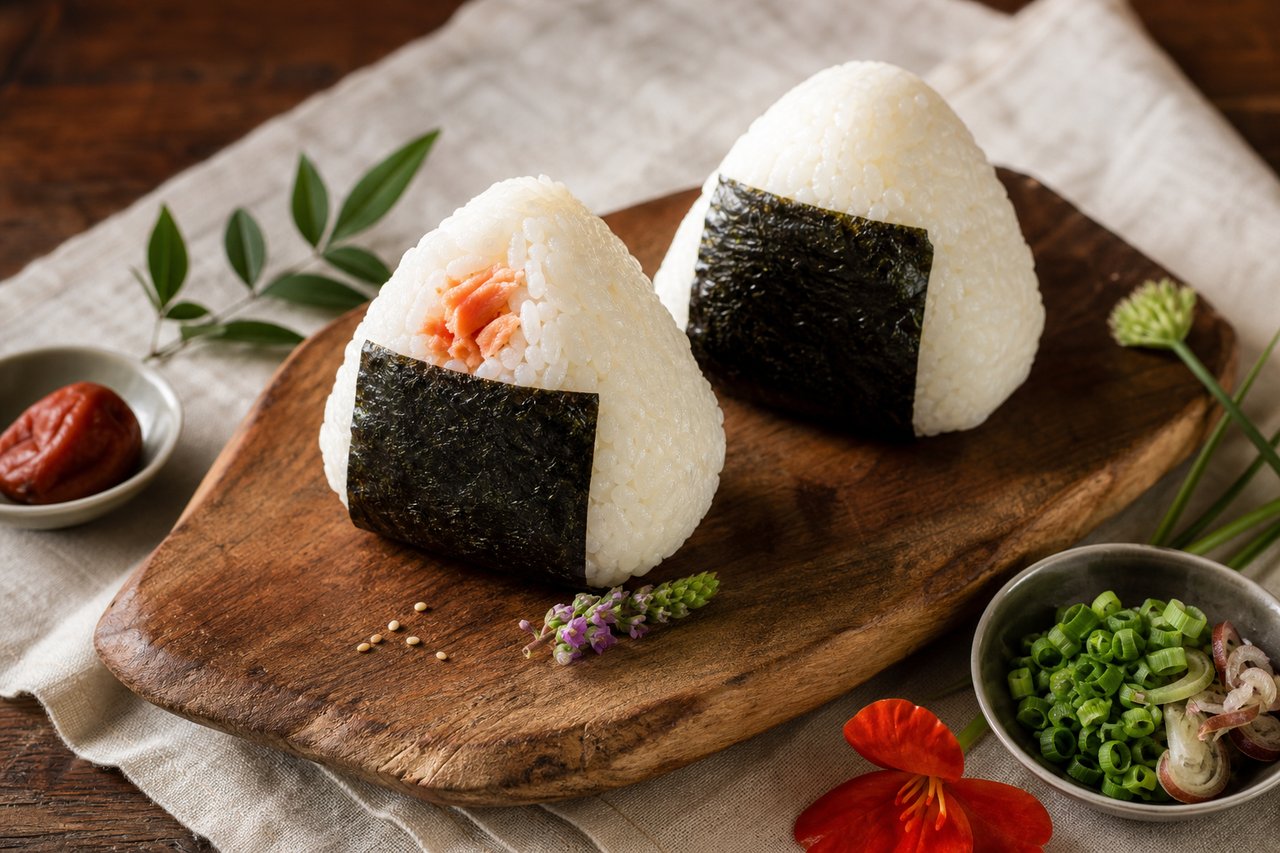
Onigiri Rice Balls

Japanese & Ramen

Onigiri Rice Balls

45 min Easy

Hand-shaped seasoned rice triangles wrapped in nori, with a savoury filling tucked inside — the portable staple of the Japanese lunchbox.