Cook with
Recipes with Soy Sauce
The everyday salt-and-umami workhorse, from light to dark.
Soy sauce is the backbone of savoury seasoning across East and Southeast Asia, a fermented brew of soybeans, wheat, salt and water that delivers deep, salty umami in a single splash. Brewed and aged over months, a good naturally fermented soy sauce carries far more complexity than its colour suggests, layering roasted, malty and faintly sweet notes beneath the salt.
What it is and how it tastes
At its core soy sauce is salt made savoury. The long fermentation breaks soy proteins down into glutamates, the compounds responsible for that mouth-filling umami, while the wheat contributes a gentle sweetness and aroma. Cheaper sauces made by rapid chemical hydrolysis taste flatly salty and slightly harsh; naturally brewed bottles are rounder, more fragrant and worth the small premium. Colour ranges from the bright reddish-brown of a light soy to the near-black of an aged dark soy, and the flavour shifts accordingly. A good soy sauce should taste salty but layered, with roasted and faintly sweet notes lingering after the salt rather than a single sharp hit.
How to use it
Soy sauce works at every stage of cooking. Stirred into marinades it seasons and tenderises; added to a hot wok it caramelises against the metal and lifts a stir-fry with a savoury, slightly smoky edge. A few drops finish a soup or a bowl of rice, while braises lean on dark soy for a glossy, mahogany glaze. Add it toward the end of high-heat cooking to keep its aroma, or early in a slow braise where time mellows it. A common Chinese approach is to use the two together, light soy for the salt and a smaller measure of dark soy for the colour, so the dish is both well seasoned and richly hued. Because it is already salty, taste before adding extra salt elsewhere, and remember that the sauce reduces and concentrates as it cooks.
Buying and storing
Look for bottles listing simply soybeans, wheat, salt and water, ideally noting natural brewing or fermentation, and avoid those padded with caramel colouring and corn syrup. Decide whether a recipe wants light soy for seasoning or dark soy for colour, and ideally keep both on the shelf since they are not interchangeable. Once opened, store in a cool cupboard or, better, the fridge to preserve aroma, and use within a few months while the flavour is at its brightest.
Where it shines and substitutes
Soy sauce is indispensable to a sticky teriyaki salmon glaze, to the dipping sauce for pork gyoza, and to the seasoning of a savoury pork fried rice. When a gluten-free version is needed, tamari is the closest match; coconut aminos is milder and sweeter. For more on stocking the essentials it anchors, see the Asian pantry guide.
Soy Sauce recipes (22)
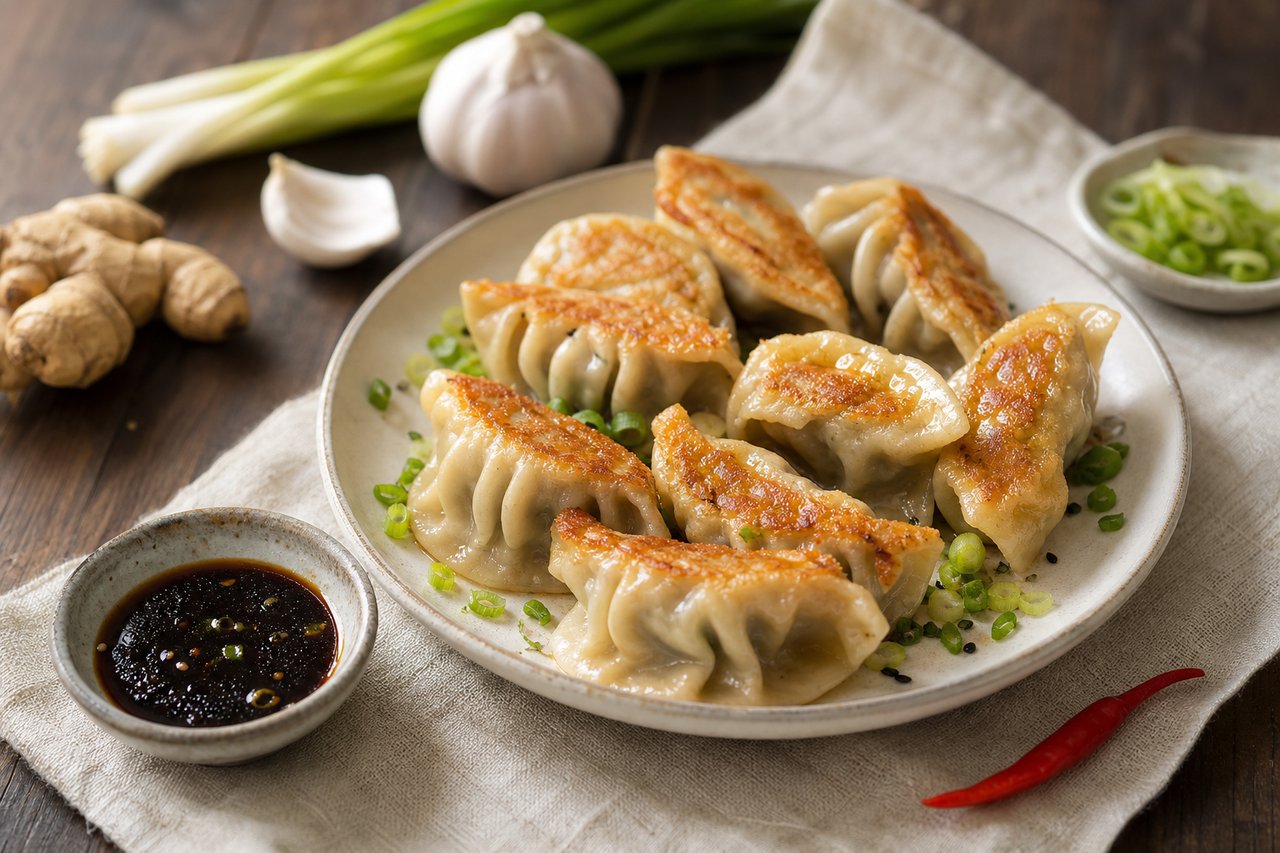
Chinese
Pork Potstickers
Juicy pork-and-cabbage dumplings pan-fried to a crisp golden base then steam-finished — the classic potsticker method, with a simple dipping sauce.
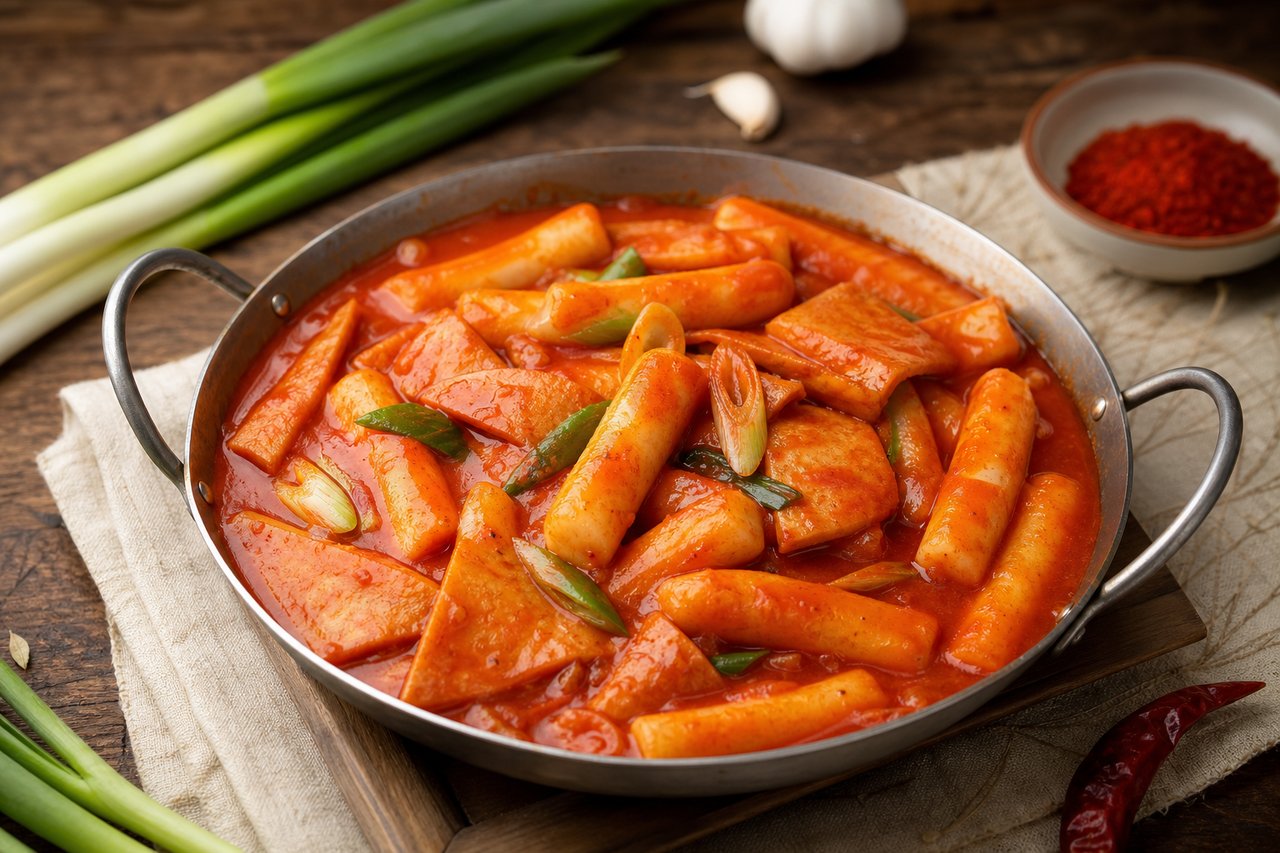
Korean
Tteokbokki
Chewy cylindrical rice cakes simmered in a glossy sweet-and-spicy gochujang sauce — Korea's most beloved street snack, ready in under half an hour.
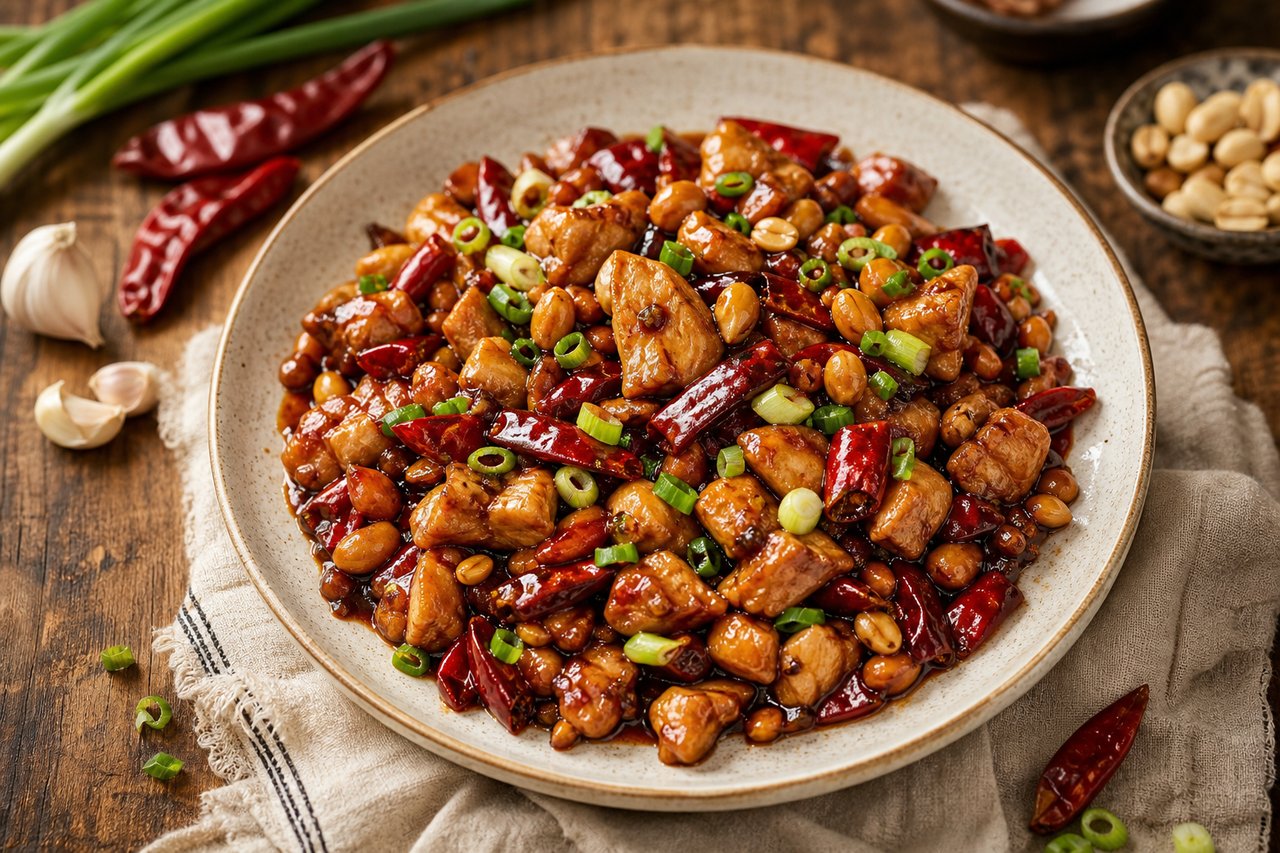
Chinese
Kung Pao Chicken
Diced chicken stir-fried with dried chillies, Sichuan peppercorn and peanuts in a sweet-savoury-sour sauce — a fast, balanced Sichuan classic with real depth.
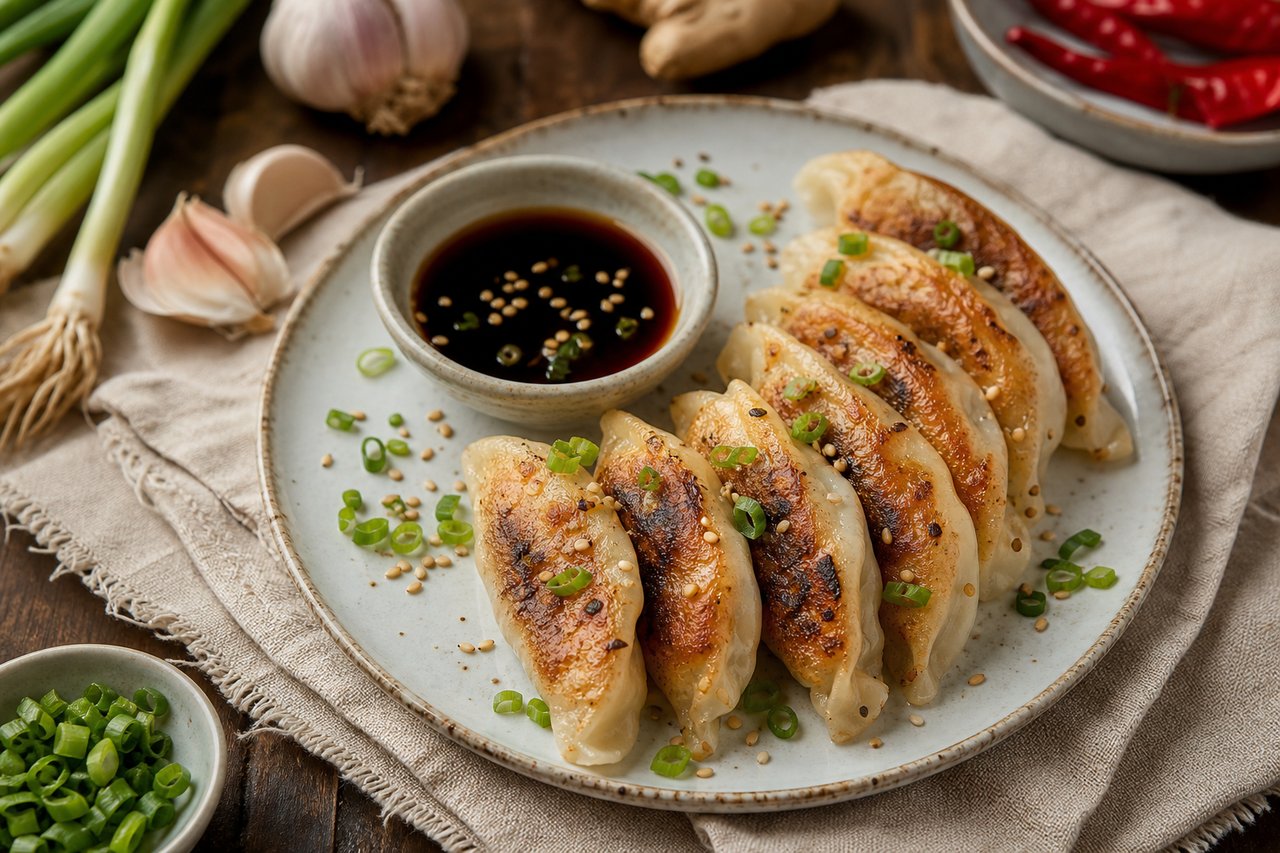
Japanese & Ramen
Pan-Fried Pork Gyoza
Juicy pork-and-cabbage dumplings with a lacy, crisp base and steamed pleated tops — the home version of the izakaya classic.
Korean
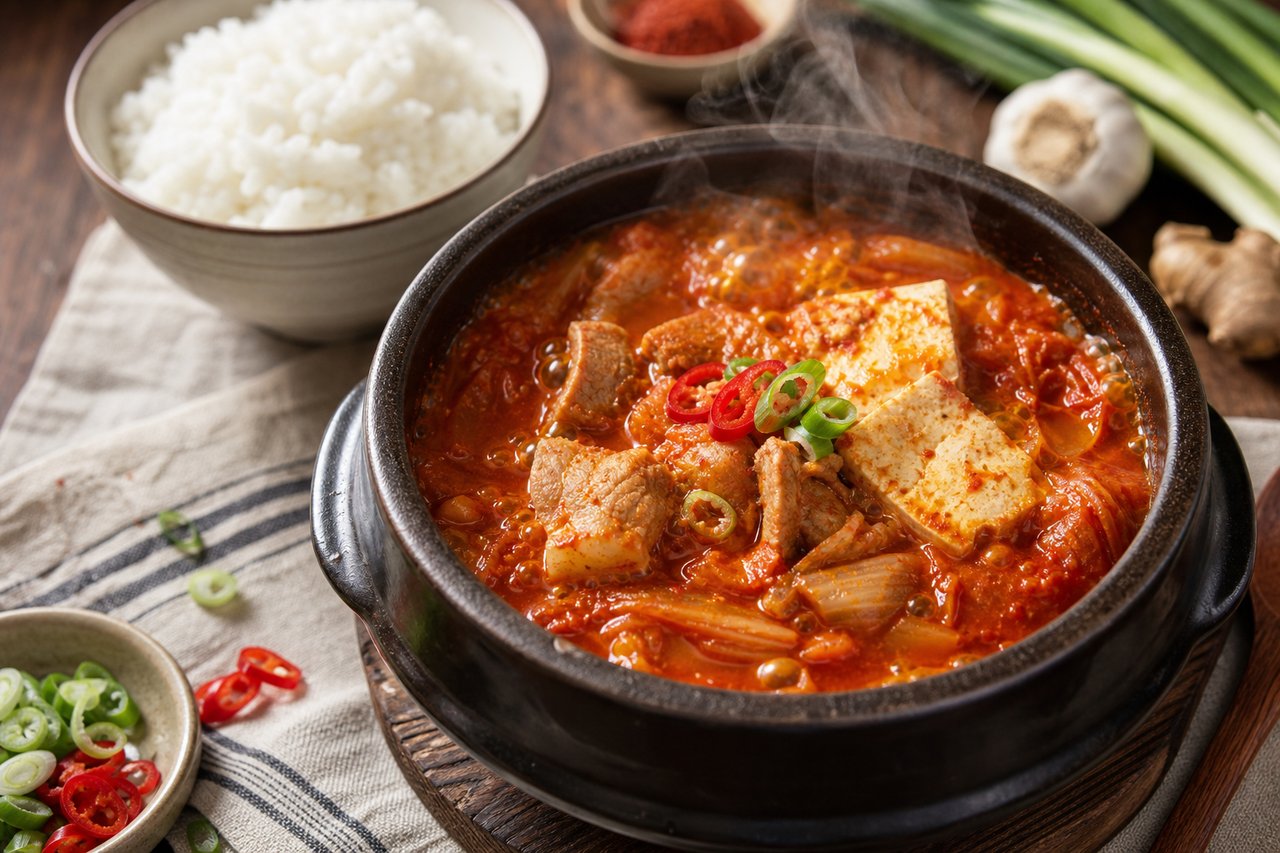
Kimchi Jjigae
The classic Korean kimchi stew — sour, aged kimchi simmered with pork, tofu and a deep gochugaru broth that tastes like it cooked all day but comes together
Japanese & Ramen
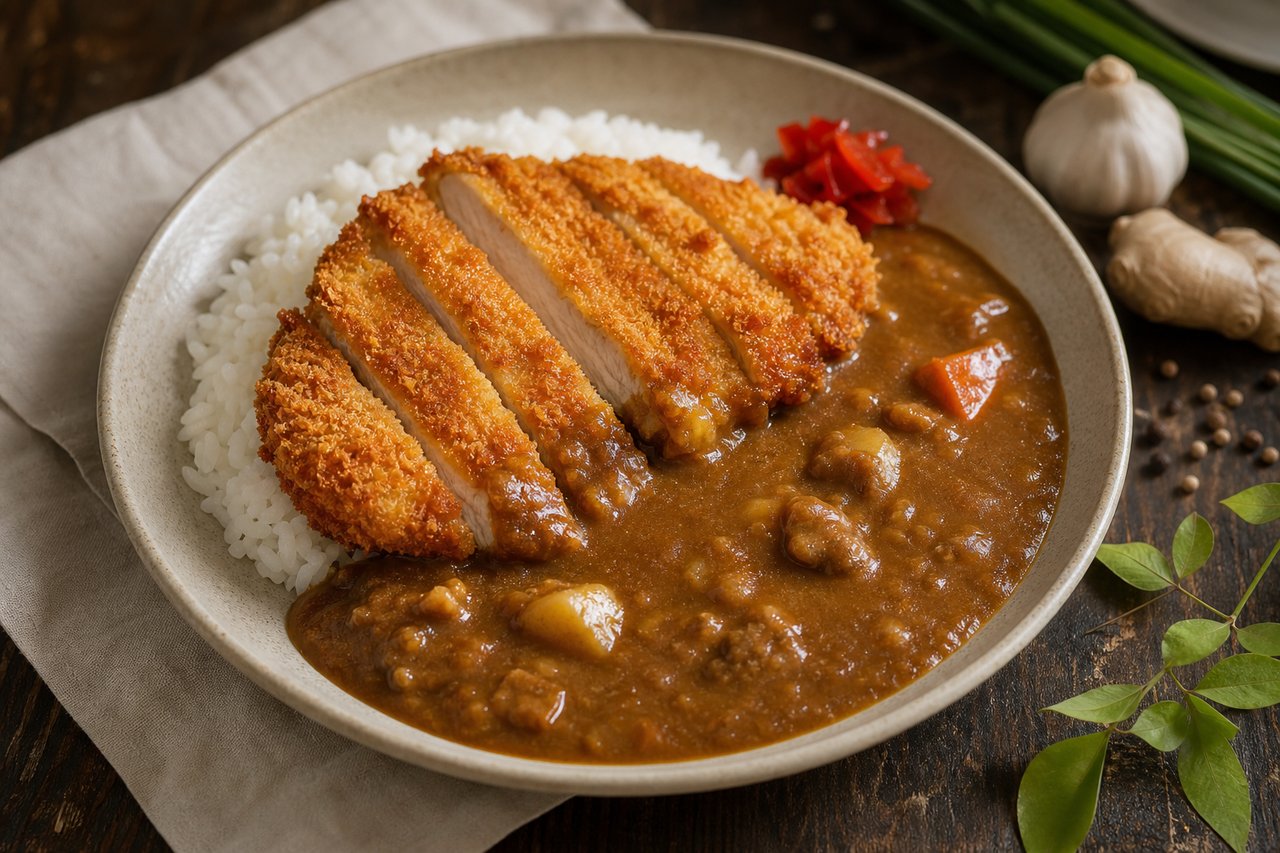
Chicken Katsu Curry
Crisp panko-crusted chicken cutlet over rice, blanketed in a glossy, lightly sweet Japanese curry sauce.
Korean
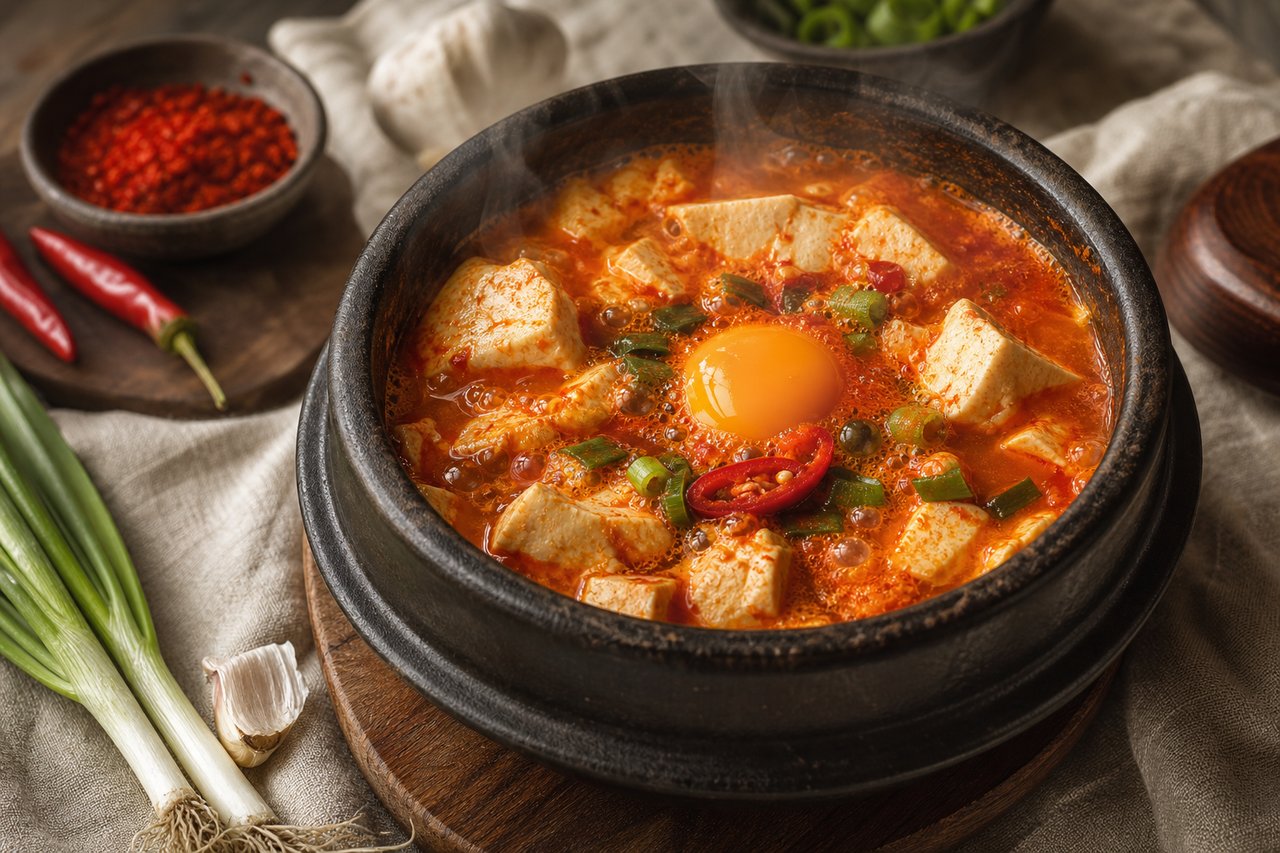
Sundubu Jjigae
A fiery, silky Korean soft-tofu stew built on a fragrant gochugaru-and-garlic chilli oil base, finished with uncurdled tofu and a raw egg cracked in at
Thai
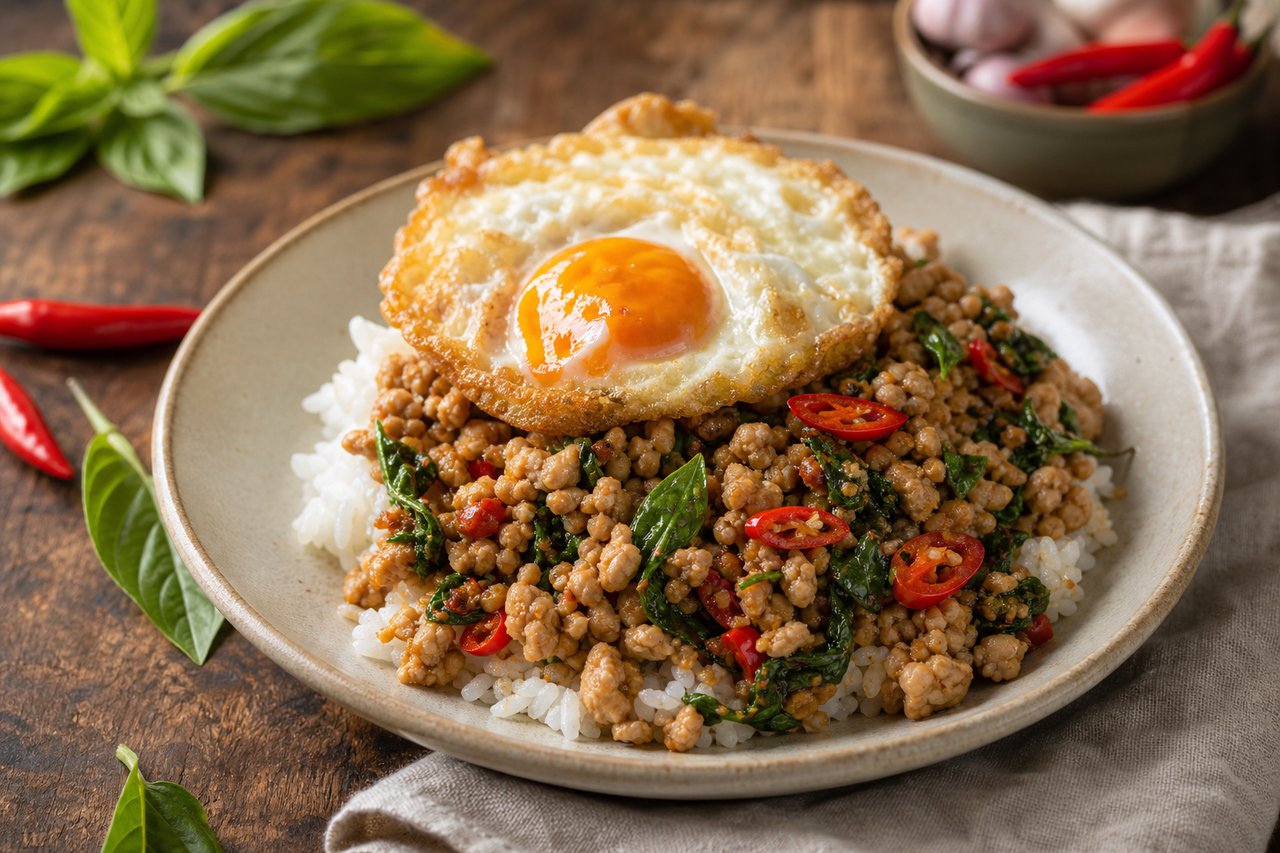
Pad Krapow Gai (Thai Holy Basil Chicken)
The fast, fiery street-food stir-fry of minced chicken with garlic, chilli and holy basil, served over rice with a crispy fried egg.
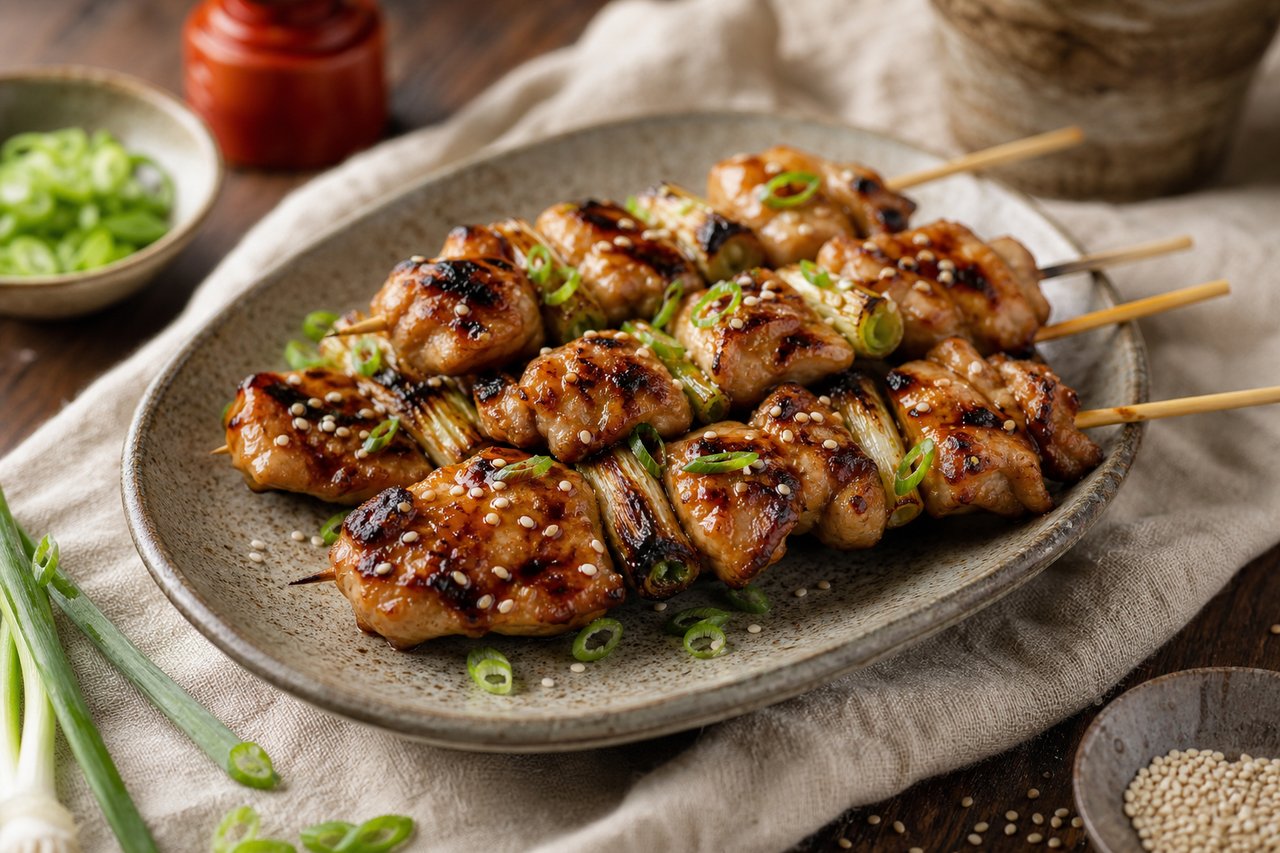
Japanese & Ramen
Yakitori — Japanese Grilled Chicken Skewers
Bite-sized chicken skewers grilled over high heat and lacquered with a sweet-savoury tare, plus a salt-only version for purists.
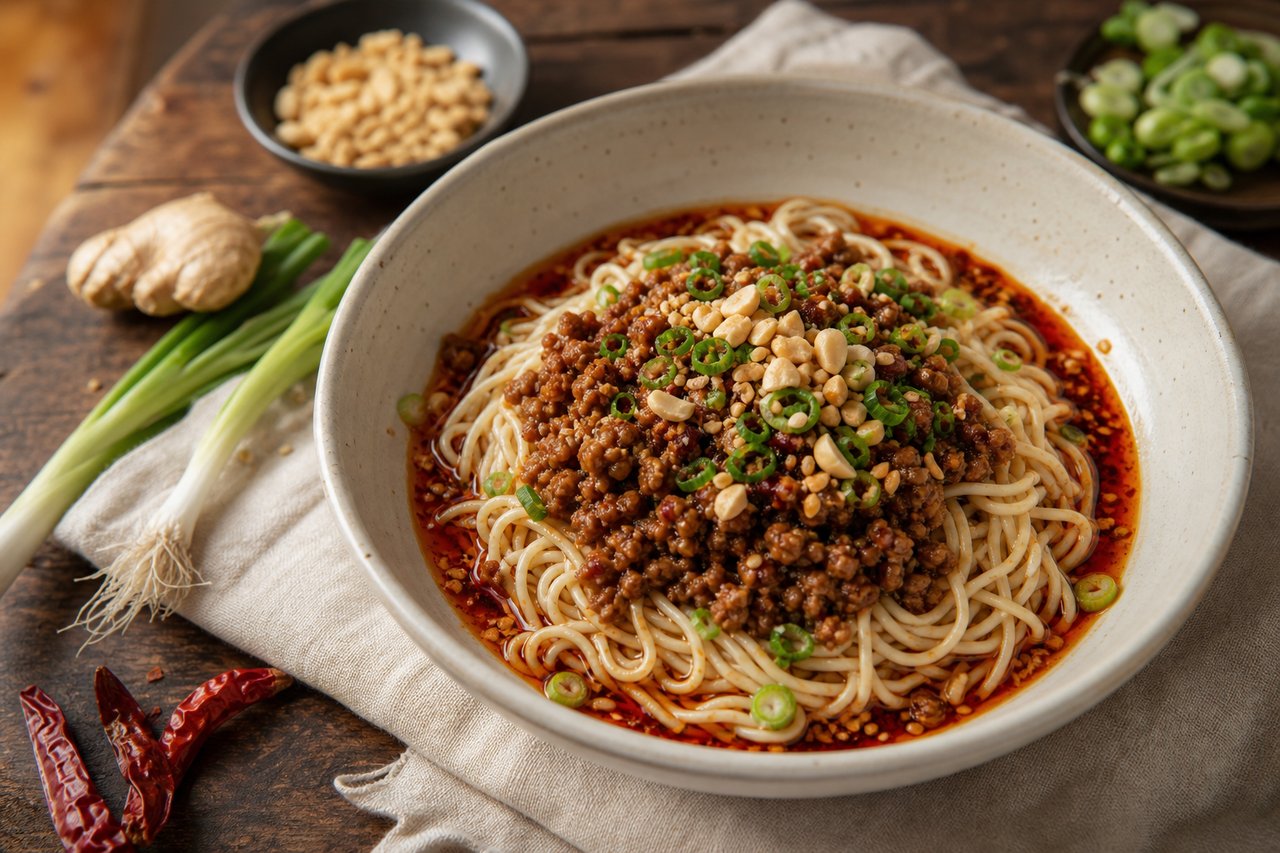
Chinese
Dan Dan Noodles
Springy wheat noodles over a numbing-spicy sauce of sesame paste, chilli oil and Sichuan peppercorn, topped with crisp minced pork and preserved vegetable.
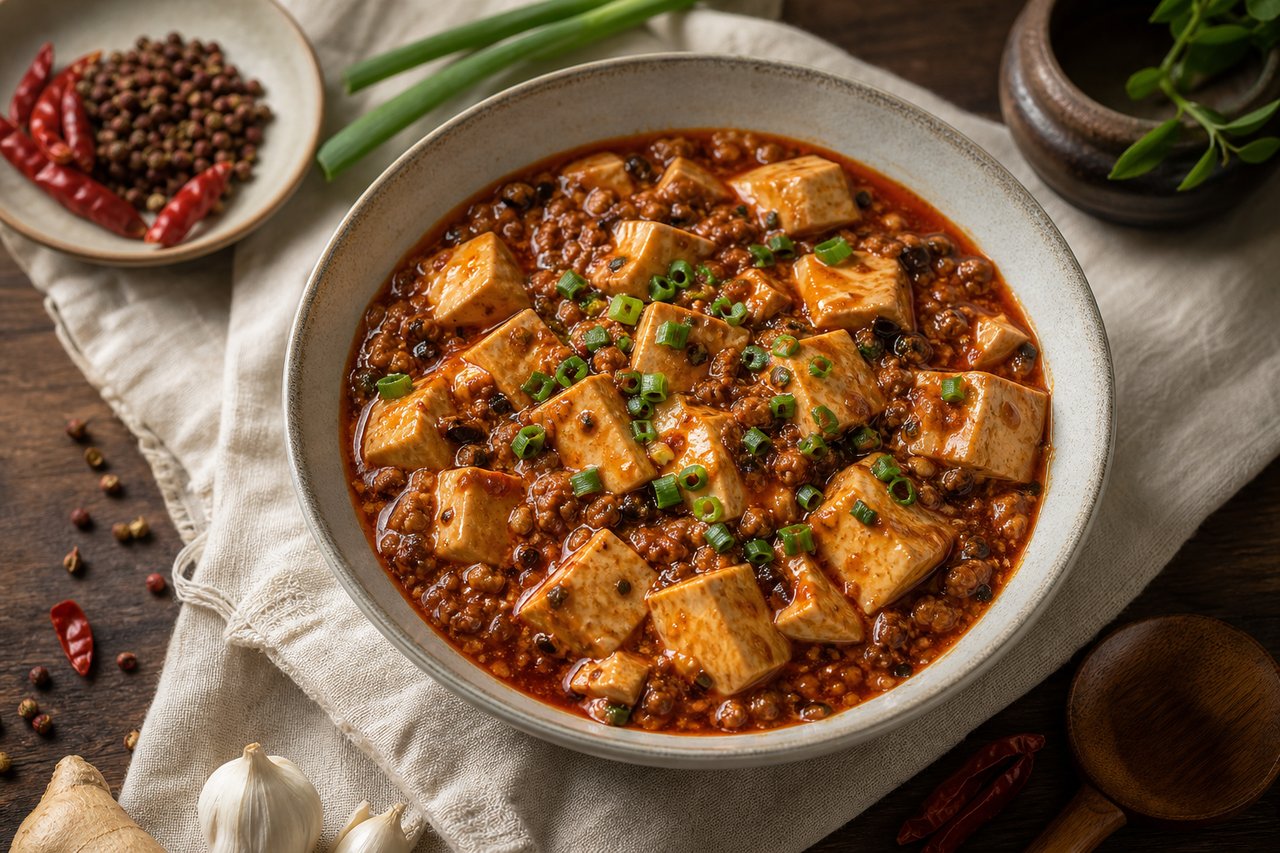
Chinese
Mapo Tofu
Silky tofu and minced pork in a glossy, numbing-hot Sichuan sauce built on doubanjiang and ground Sichuan peppercorn — a fast, deeply savoury weeknight classic.
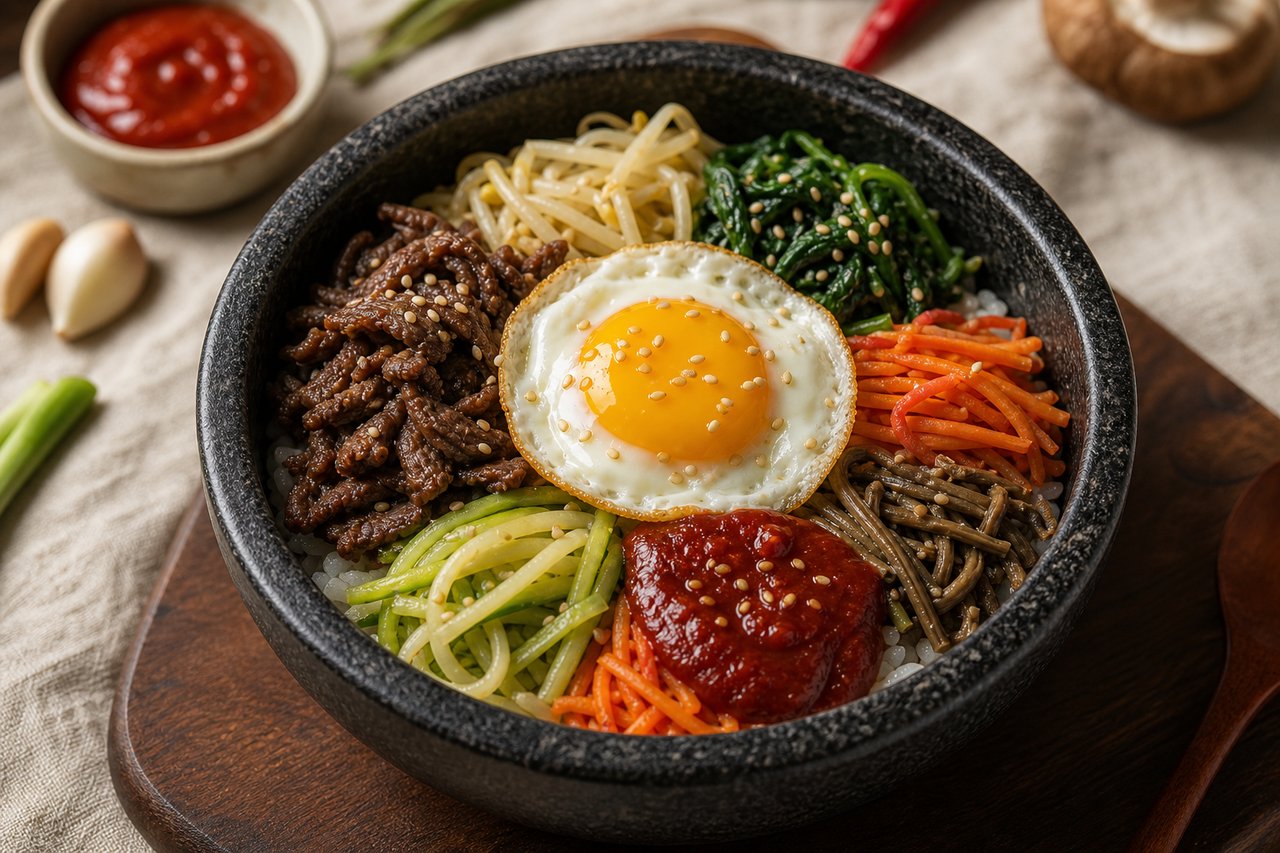
Korean
Bibimbap
A bowl of warm rice crowned with seasoned vegetables, beef and a fried egg, all bound together with a sweet-savoury gochujang sauce and a slick of sesame oil.
Vietnamese
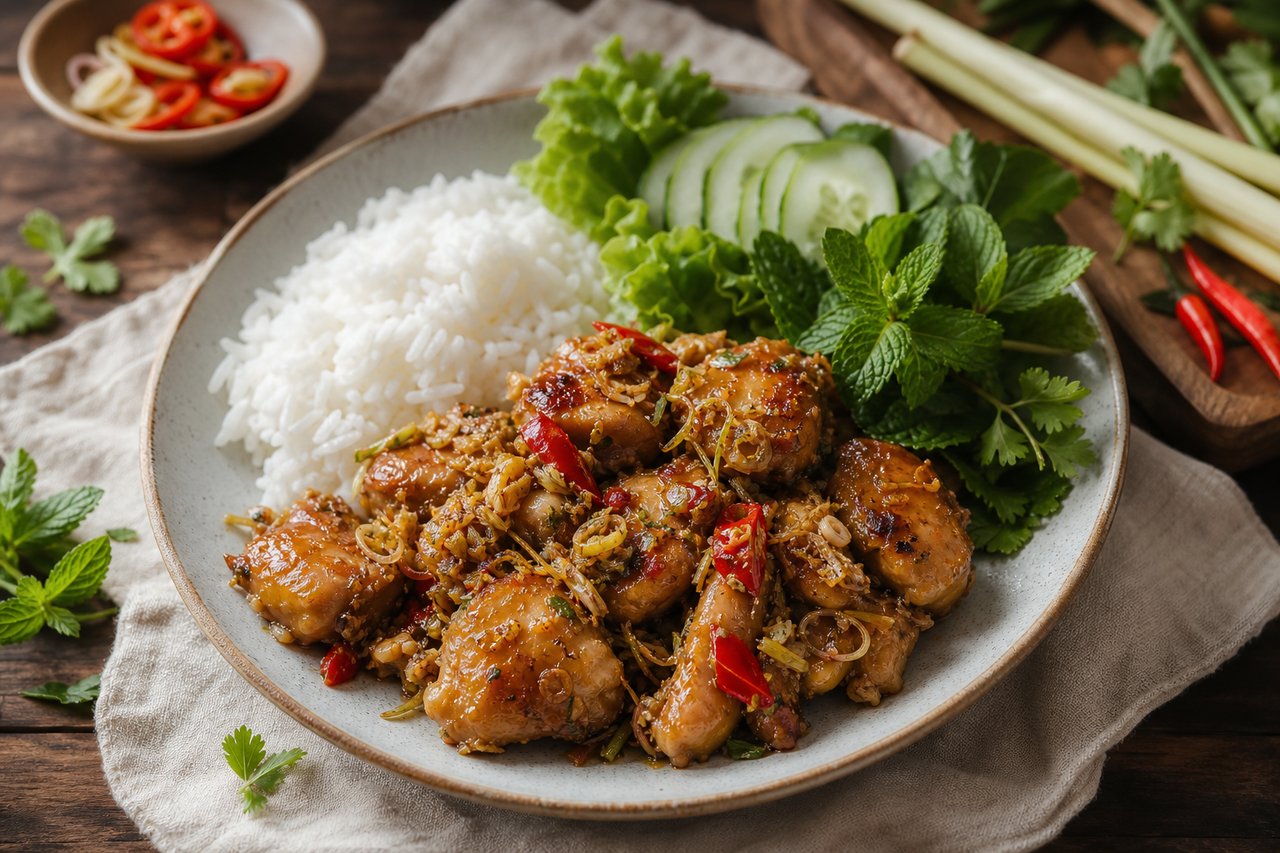
Vietnamese Lemongrass Chicken (Ga Xao Sa Ot)
Quick stir-fried chicken in a fragrant lemongrass, garlic and chilli marinade with a savoury fish-sauce glaze — a bright, aromatic weeknight dish over rice.
Chinese
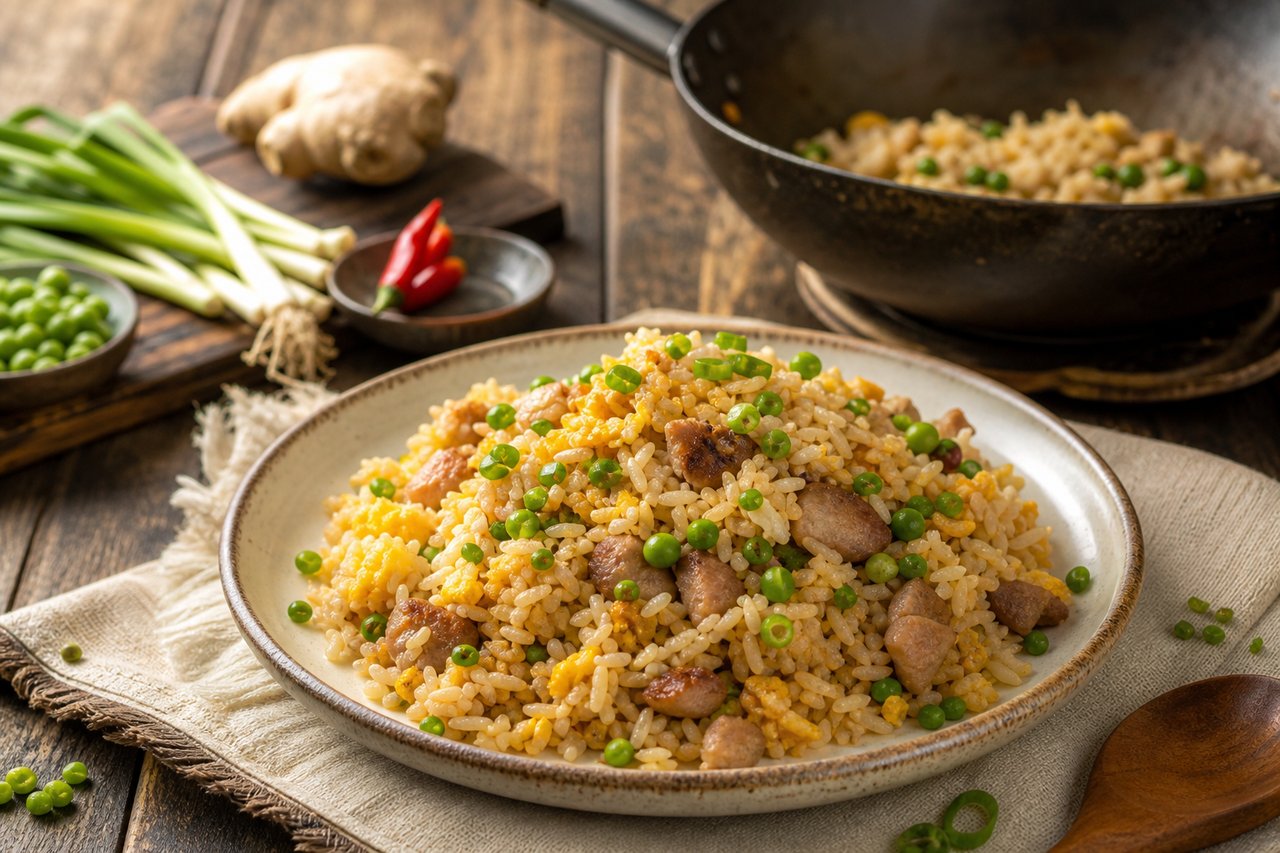
Pork Fried Rice
Day-old rice fried hot and fast with pork, egg and spring onion — the classic way to turn leftovers into a fast, savoury, restaurant-style one-wok meal.
Chinese
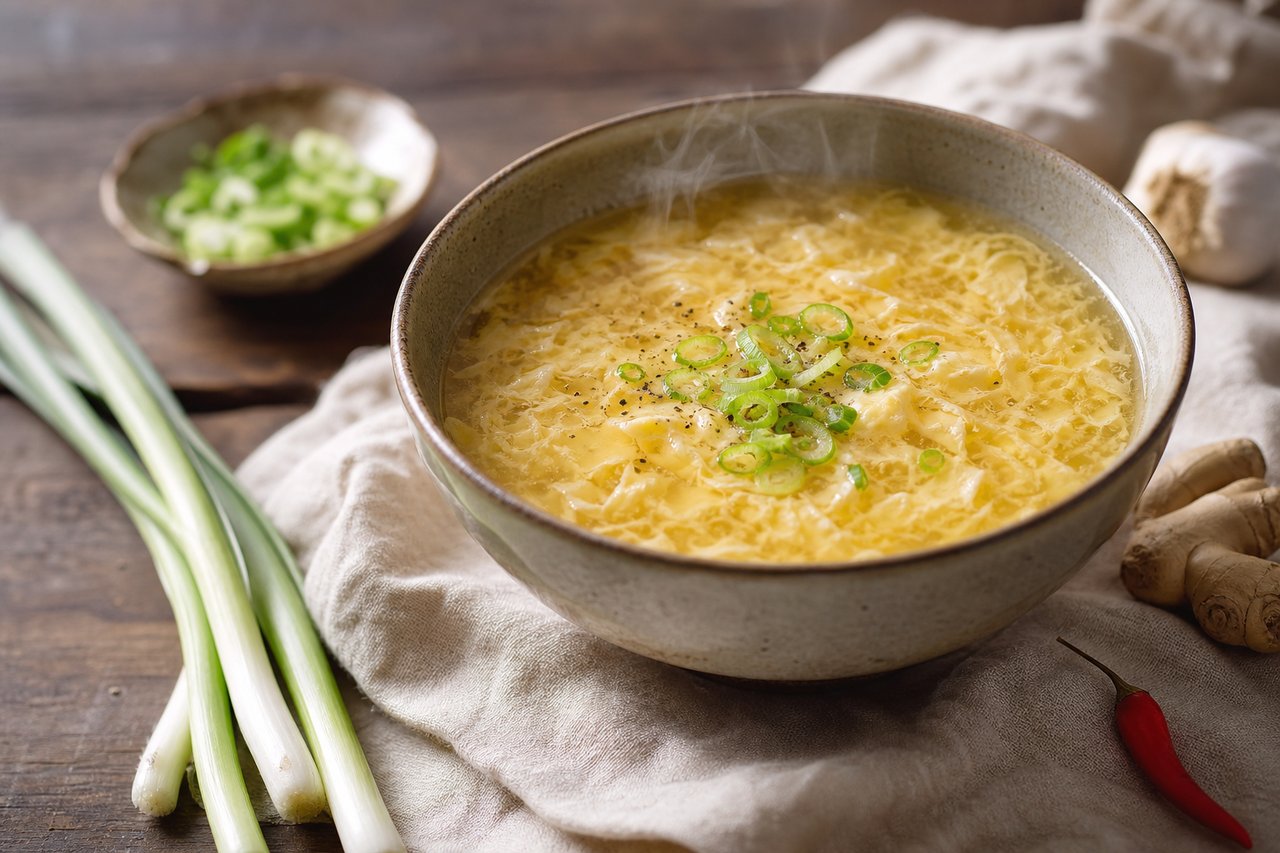
Egg Drop Soup
A silky, savoury chicken broth threaded with delicate ribbons of egg — a five-ingredient Chinese soup that comes together in under fifteen minutes.
Vietnamese
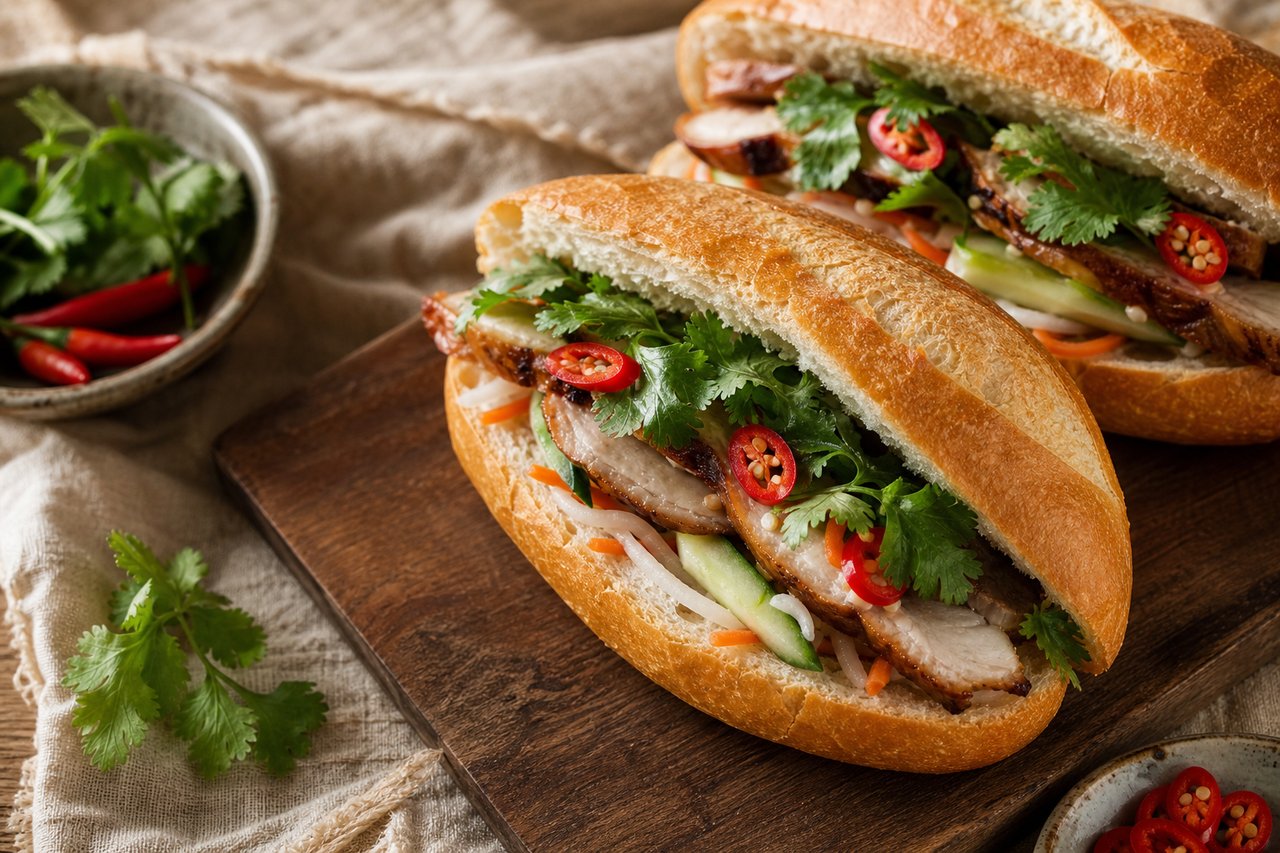
Banh Mi (Vietnamese Pork Sandwich)
A shatteringly crisp baguette filled with savoury pork, quick-pickled carrot and daikon, cucumber, coriander and chilli — the four-taste balance in a sandwich.
Thai
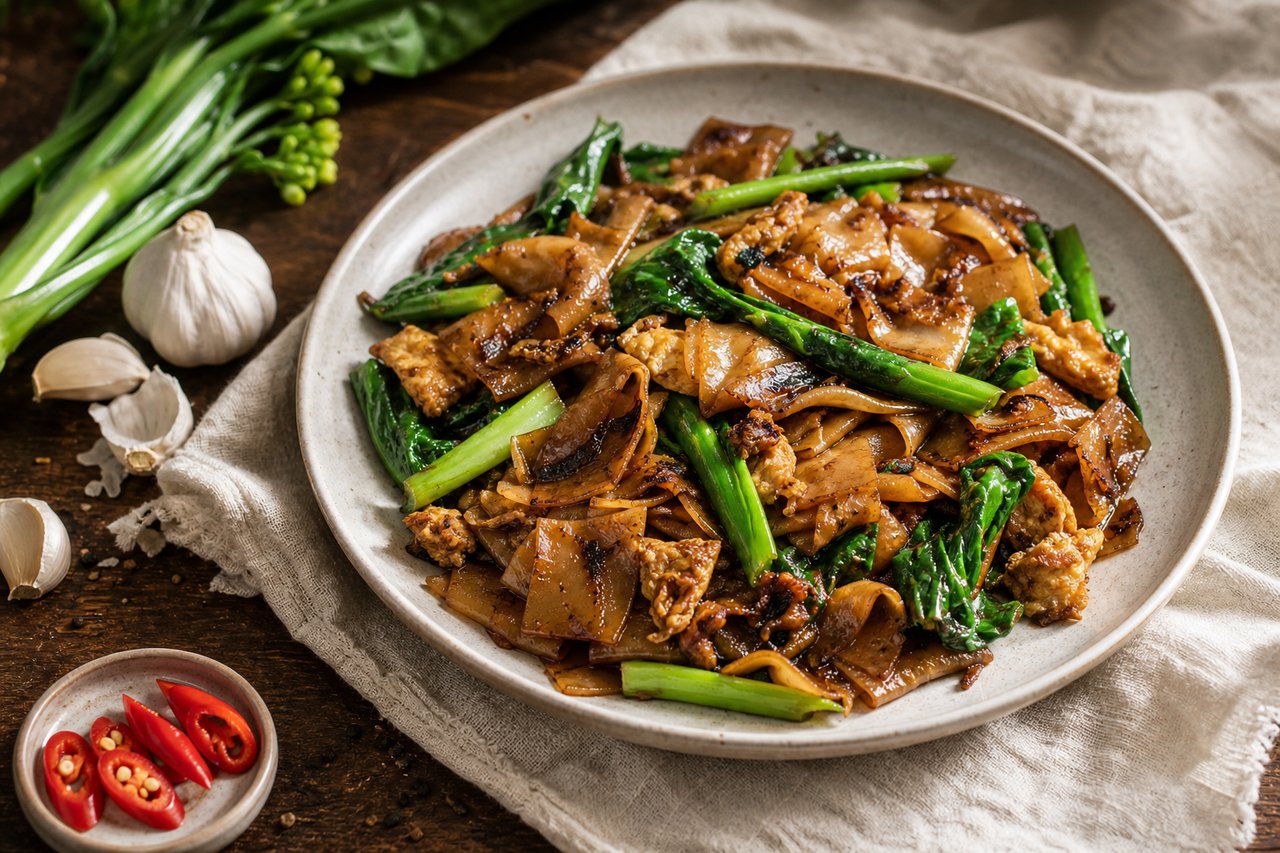
Pad See Ew — Thai Stir-Fried Wide Rice Noodles
Wide rice noodles charred in a hot wok with dark soy, egg and Chinese broccoli — smoky, savoury and lightly sweet Thai comfort food.
Korean
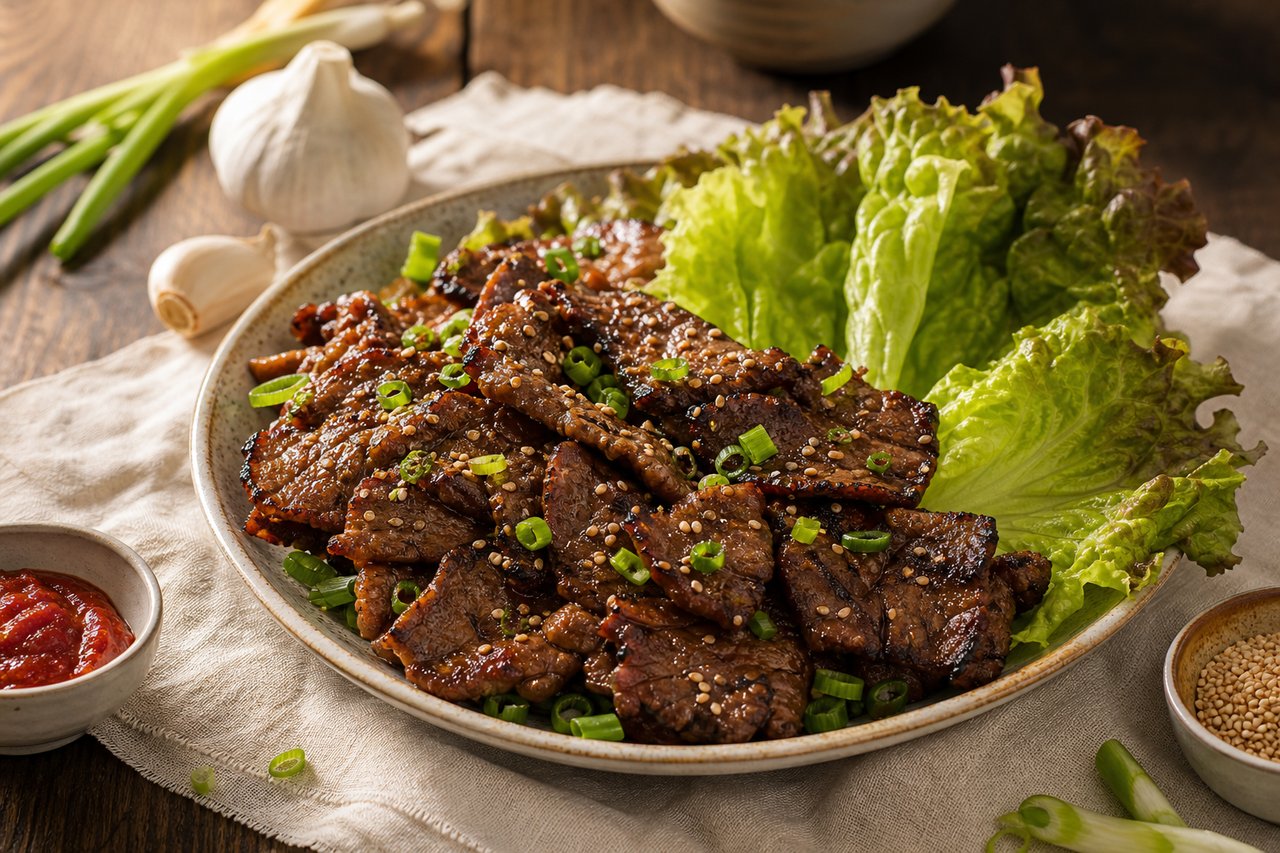
Bulgogi
Thin slices of beef marinated in a sweet-savoury soy, garlic, sesame and grated-pear marinade, then seared hard and fast — the most loved of Korea's grilled
Japanese & Ramen
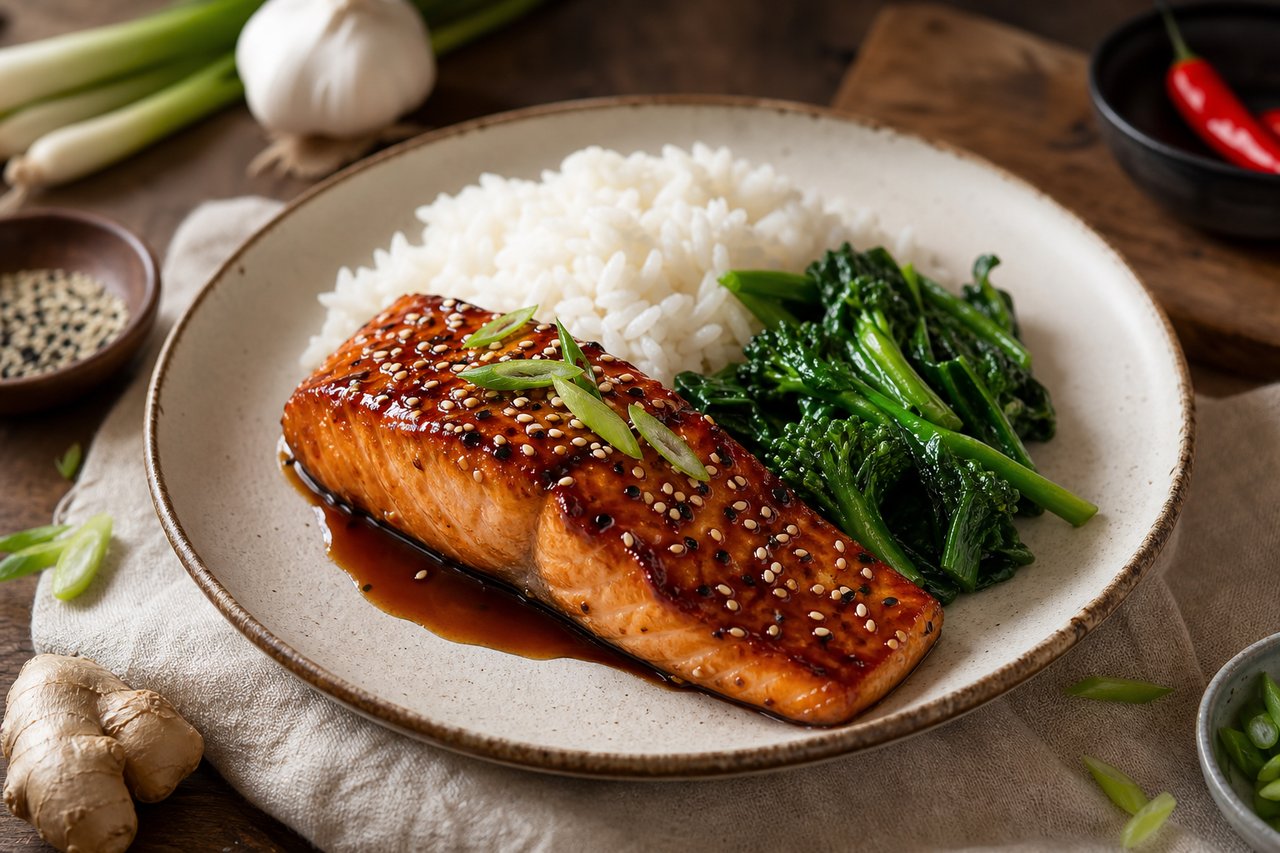
Teriyaki Salmon
Pan-seared salmon fillets glazed in a glossy four-ingredient teriyaki sauce reduced straight in the pan — a fast, weeknight-friendly main.
Korean
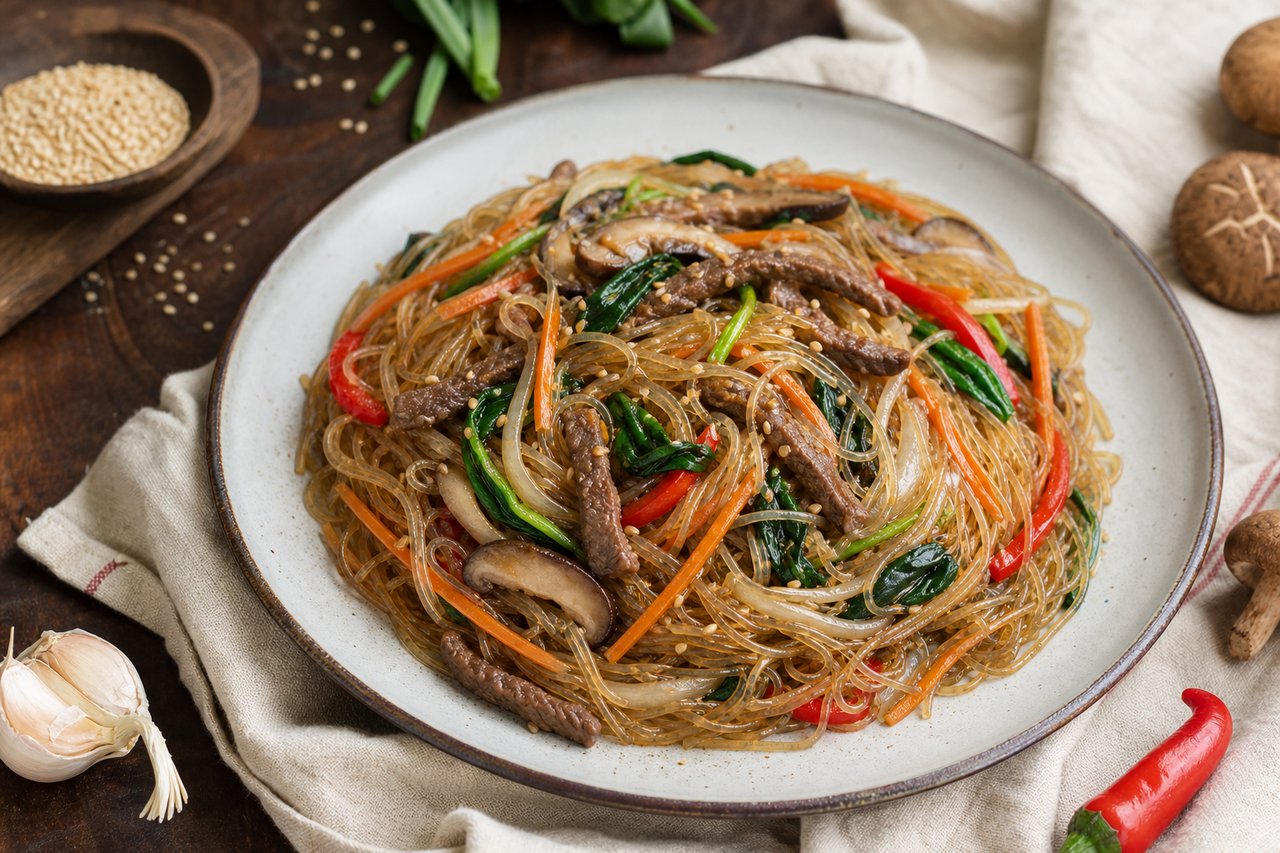
Japchae
Glassy sweet-potato noodles tossed with beef and a rainbow of seasoned vegetables in a savoury-sweet soy and sesame dressing — Korea's beloved celebration
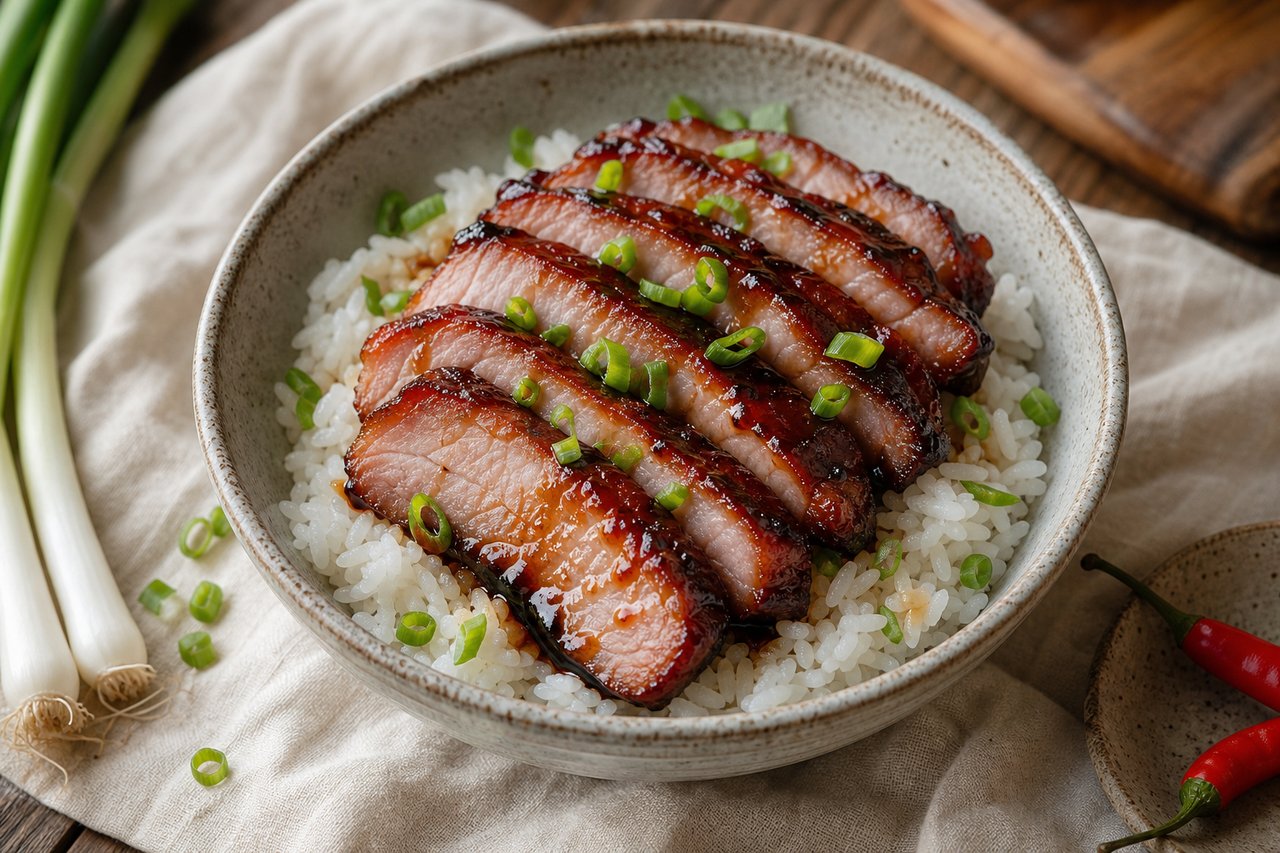
Chinese
Char Siu — Chinese BBQ Glazed Pork
Sticky, mahogany-glazed Cantonese roast pork with a sweet-savoury marinade and a honey lacquer, made in a home oven.
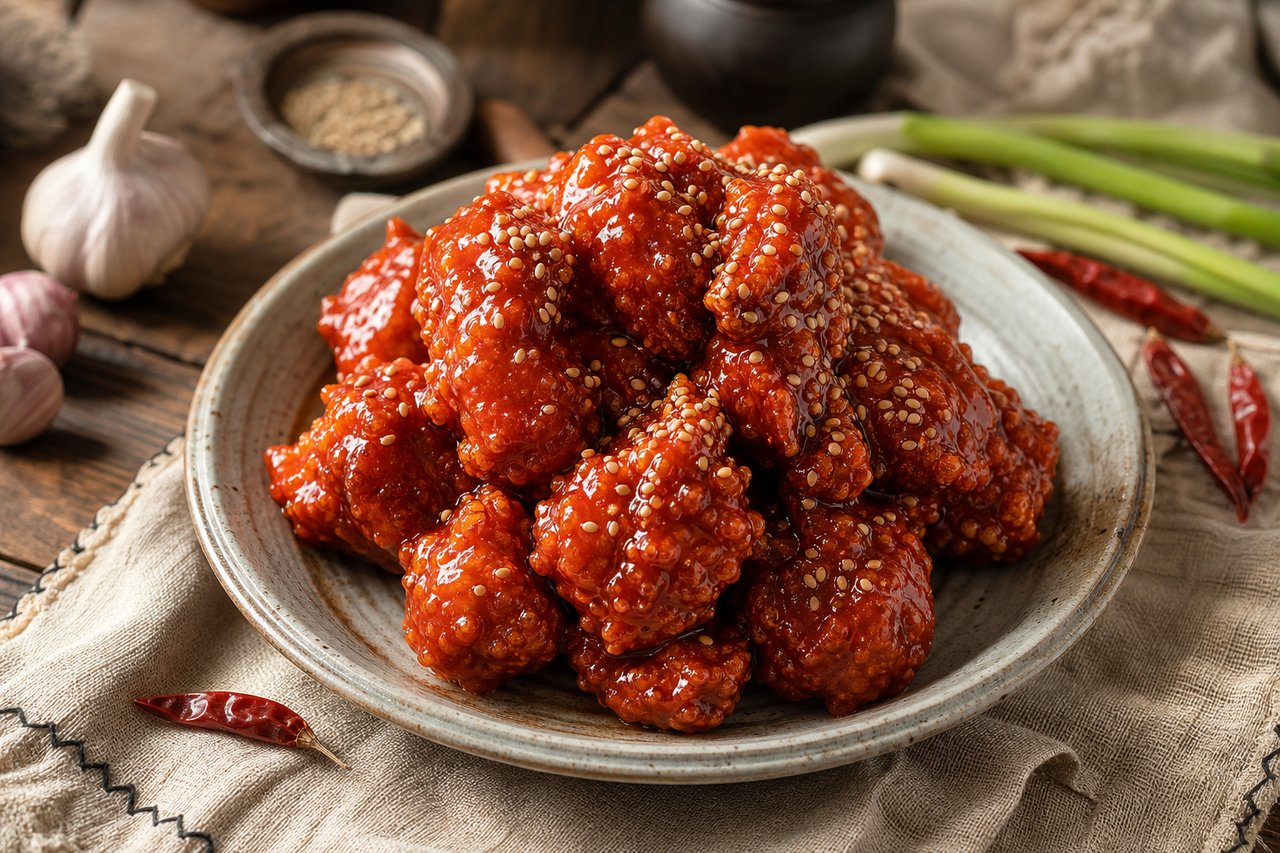
Korean
Korean Fried Chicken
Double-fried for a shatteringly thin, glassy crust that stays crisp under a sticky-sweet gochujang glaze — the famous Korean take on fried chicken, made at
See also the Asian pantry guide for more on stocking these ingredients.