Japanese & Ramen

Teriyaki Salmon

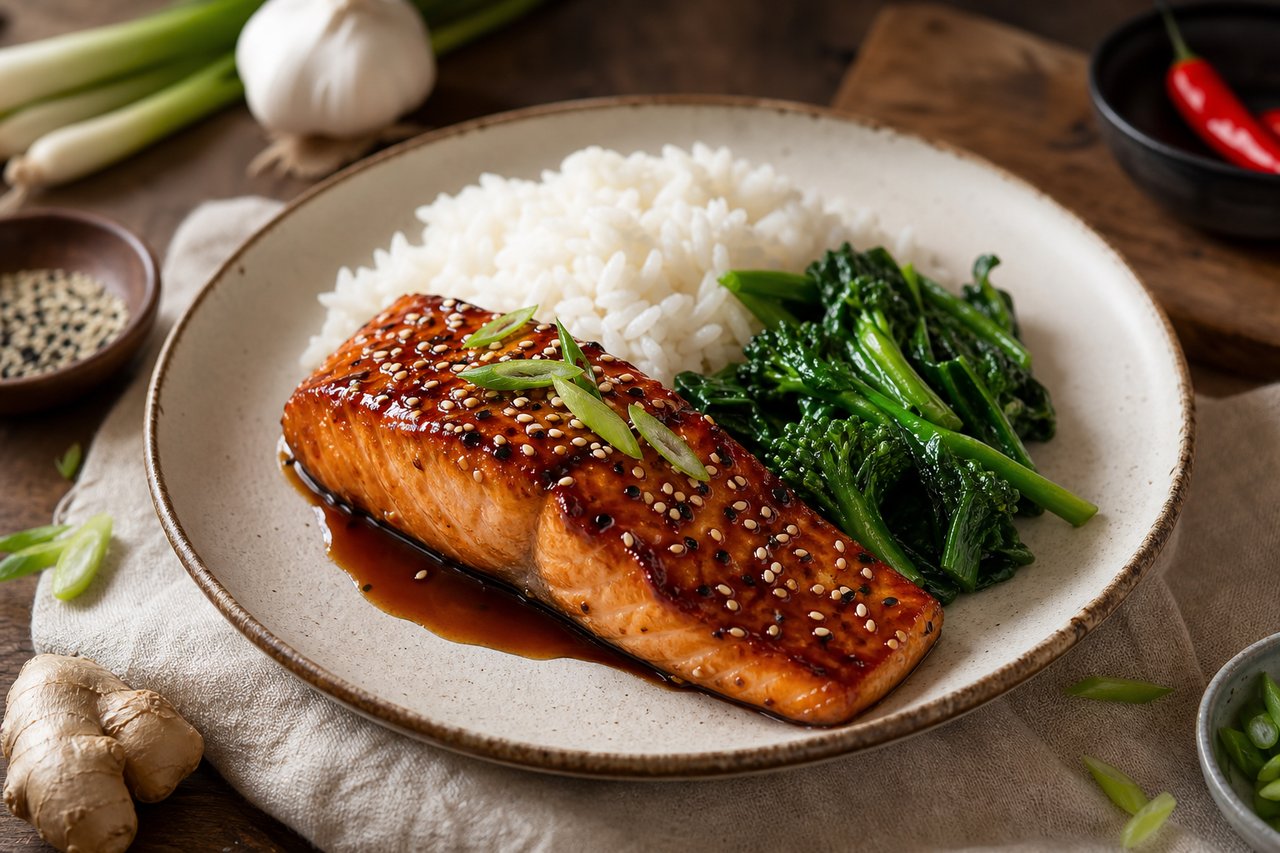
Pan-seared salmon fillets glazed in a glossy four-ingredient teriyaki sauce reduced straight in the pan — a fast, weeknight-friendly main.

Prep
10 min
Cook
15 min
Serves
4 servings
Level
Easy

By Maya Chen

Teriyaki Salmon

Method

  1. 01

    Pat the salmon fillets very dry and season lightly with salt. Stir together the soy sauce, mirin, sake and sugar to make the teriyaki sauce.

  2. 02

    Heat the oil in a non-stick pan over medium-high. Lay the fillets in skin-side down and press flat for 30 seconds so the skin makes full contact.

  3. 03

    Sear undisturbed for 4–5 minutes until the skin is crisp, then flip and cook the second side for 2–3 minutes. Lift the salmon out to a plate.

  4. 04

    Pour the sauce into the same pan and add the ginger if using. Bring to a brisk simmer.

  5. 05

    Let the sauce bubble and reduce for 2–3 minutes until it thickens to a syrup that coats the back of a spoon.

  6. 06

    Return the salmon to the pan, skin-side down, and spoon the glaze over the top repeatedly until the fillets are lacquered and glossy.

  7. 07

    Serve over rice, scattered with sesame seeds and spring onion, with any extra glaze spooned alongside.

Teriyaki salmon is one of those dishes that tastes far more involved than it is. The sauce is four pantry ingredients, the fish needs only a few minutes a side, and the whole thing reduces to a glossy lacquer in the same pan you seared in. It is the kind of dinner that fits a weeknight but looks at home on a nicer plate.

A real teriyaki sauce

Authentic teriyaki is just soy sauce, mirin, sake and sugar, simmered until it thickens on its own. The shine and body come from reducing the mirin and sugar, not from cornstarch, which is why the traditional version coats the fish in a thin, glassy glaze rather than a heavy gloop. Skipping the starch keeps the flavour clean and the texture light.

Sear first, glaze last

The order of operations protects both the skin and the sauce. Searing the salmon skin-side down in a hot, dry pan crisps the skin before any liquid touches it, and removing the fish to reduce the sauce means the glaze thickens properly instead of steaming the fillets. Returning the salmon at the end and spooning the syrup over it builds that signature glossy coat.
Frequently Asked Questions

What exactly makes a sauce teriyaki?+

Teriyaki refers to a cooking method as much as a sauce: the word combines teri, meaning glaze or shine, with yaki, meaning grilled or pan-fried. The authentic sauce is simply soy sauce, mirin, sake and sugar reduced until glossy, with no garlic, sesame oil or starch thickener in the traditional version. The shine comes from reducing the mirin and sugar rather than from cornstarch, which is a Western shortcut that gives a heavier, gloopier glaze.

How do I get crisp salmon skin?+

Dry skin and a hot pan are the whole secret. Pat the fillets thoroughly dry, salt the skin, and lay them skin-side down in a hot pan, pressing flat for the first half-minute so the skin does not buckle away from the heat. Leave them undisturbed for several minutes; the salmon will release cleanly once the skin is crisp. Adding the sauce only after the sear, then glazing rather than poaching, keeps the skin from going soft.

Can I substitute the mirin and sake?+

Mirin provides the sweetness and gloss, and sake adds depth, so they are central to the flavour. If you cannot find mirin, a mix of a dry white wine or rice vinegar with a little extra sugar approximates it, and the sake can be replaced with more mirin or a splash of water. The result drifts slightly from the classic balance, so taste and adjust the sugar. For an alcohol-free version, simmer the sauce a little longer to cook off the rawness.

Does this work with other fish or proteins?+

Yes, the teriyaki glaze is versatile. It suits other oily fish like mackerel and trout, as well as chicken thighs, tofu and even mushrooms. The technique stays the same: sear the protein first, lift it out, reduce the sauce in the pan, then return and glaze. Adjust the cooking time to the thickness of what you are cooking, and for chicken make sure it is cooked through before the final glazing step.

You might also like

Pan-Fried Pork Gyoza

Japanese & Ramen

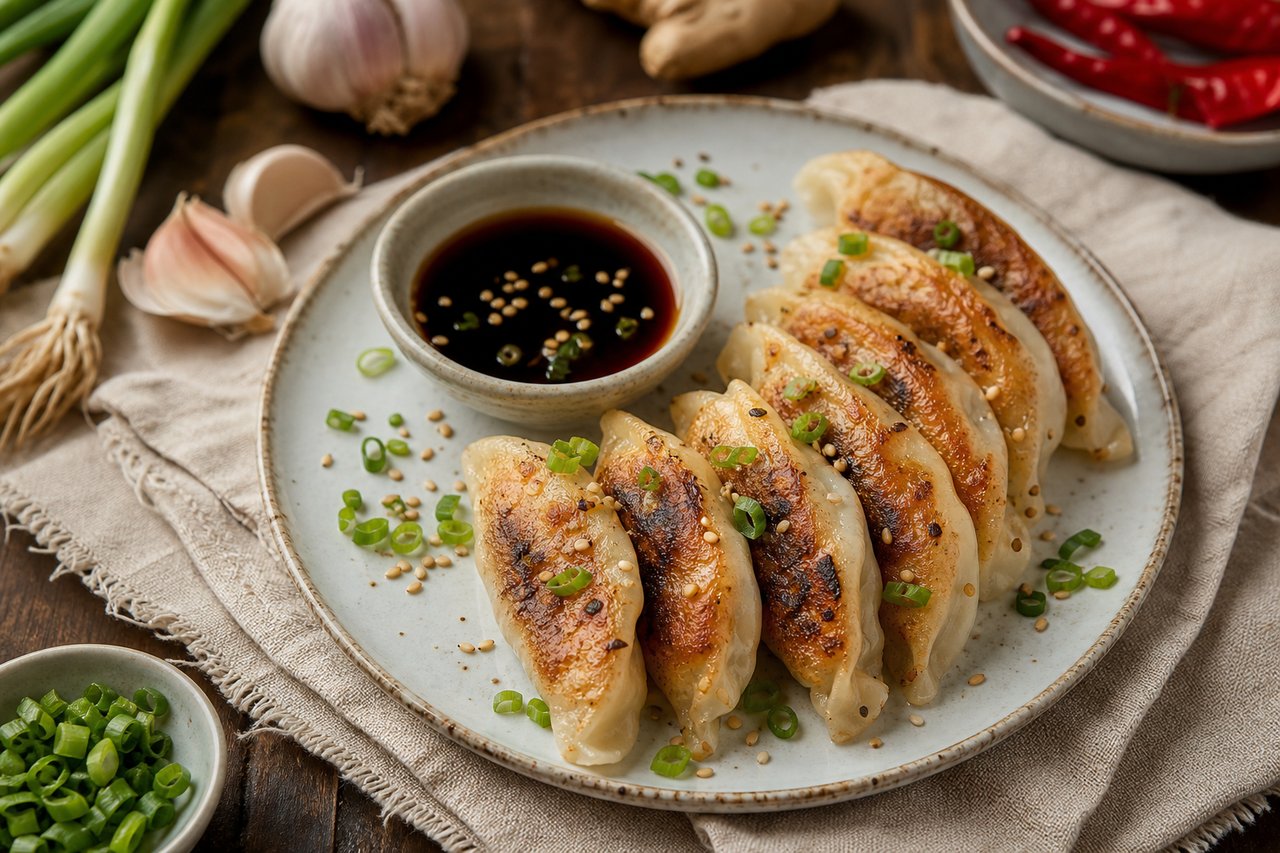
Pan-Fried Pork Gyoza

50 min Medium

Juicy pork-and-cabbage dumplings with a lacy, crisp base and steamed pleated tops — the home version of the izakaya classic.

Chicken Katsu Curry

Japanese & Ramen

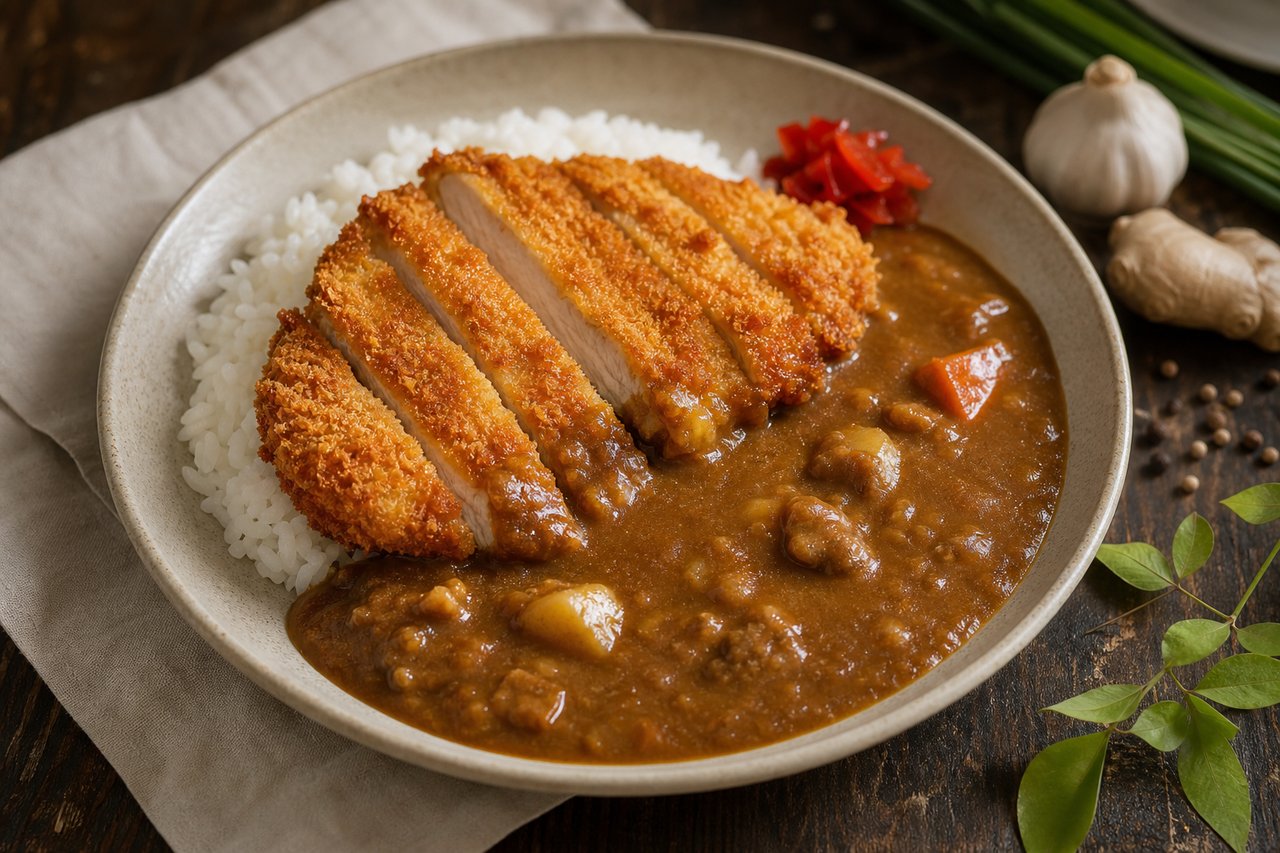
Chicken Katsu Curry

1 h Medium

Crisp panko-crusted chicken cutlet over rice, blanketed in a glossy, lightly sweet Japanese curry sauce.

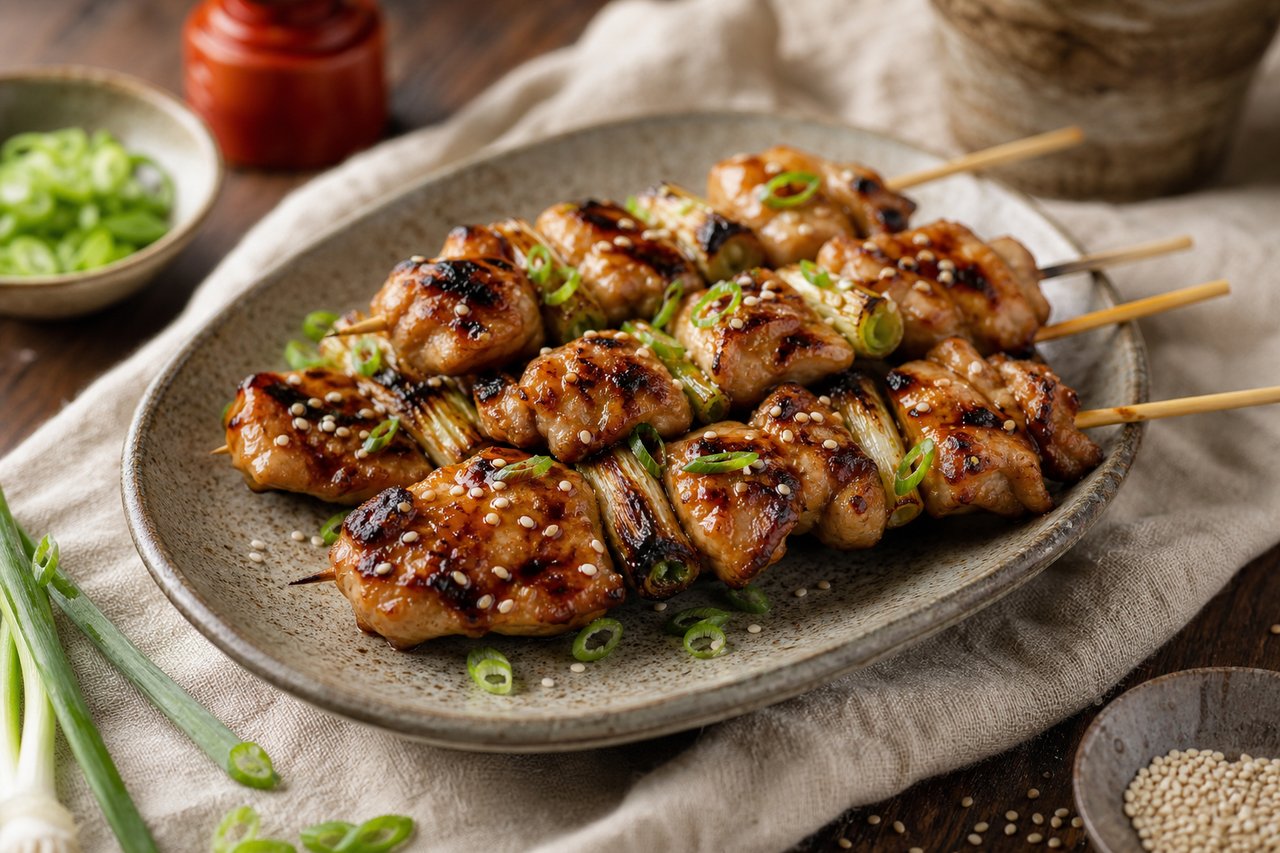
Yakitori — Japanese Grilled Chicken Skewers

Japanese & Ramen

Yakitori — Japanese Grilled Chicken Skewers

45 min Medium

Bite-sized chicken skewers grilled over high heat and lacquered with a sweet-savoury tare, plus a salt-only version for purists.