Cook with
Recipes with Sesame
Toasted seeds and oil that add nutty aroma across Japanese, Korean and Chinese dishes.
Sesame runs quietly through almost every East Asian kitchen, lending a warm, toasty nuttiness that underpins far more dishes than it ever headlines. The tiny seeds appear toasted as a garnish, ground into pastes and dressings, and pressed into the fragrant oil that finishes countless stir-fries and noodle bowls. Mild on their own, they bloom into something rich and deeply savoury once heat is applied, which is why toasting is almost always the first step.
What it is and how it tastes
Sesame comes as small flat seeds in two main forms: hulled white seeds, which are mild and sweetly nutty, and unhulled black seeds, which are earthier and a touch bitter with a bolder colour. Raw, both are unremarkable; toasted, they release a deep, roasted aroma. The same seeds, pressed after roasting, yield toasted sesame oil — amber, intensely fragrant, and used by the spoonful as a seasoning rather than a frying fat. Ground further, toasted seeds become a paste that bodies out dressings and sauces. White seeds are also often left whole as a coating, clinging to dumplings, breads and fried foods where they crisp and colour in the heat.
How to prepare and toast it
To toast seeds, spread them in a dry pan over medium heat and shake or stir constantly until they turn golden and smell nutty, just a few minutes; they scorch quickly once they colour, so they must not be left unwatched. Cool them before storing or grinding. For a sesame dressing, toasted seeds are pounded or blitzed with a little oil and seasoning until coarse or smooth. Toasted sesame oil is added only at the end of cooking, off the heat, or stirred into dips and dressings — heating it hard destroys its fragrance and turns it bitter.
Buying and storing
Seeds are sold raw or pre-toasted; buying raw and toasting at home gives the freshest aroma. Choose plump, uniform seeds and oil that is clearly labelled toasted or roasted for fragrance, as opposed to pale, neutral cold-pressed sesame oil. Being oil-rich, sesame is prone to going rancid, so seal seeds and oil tightly and keep them cool and dark, or refrigerate for longer life. A sharp, off, paint-like smell means the oils have spoiled and it is time to start fresh.
Where it shines and substitutes
Sesame is everywhere in this cooking: toasted seeds and oil season the vegetables of bibimbap, the oil perfumes the marinade for bulgogi, and seeds finish a bowl of japchae glass noodles. A drizzle of the oil lifts countless stir-fries and dressings. If toasted seeds run out, a quick toast of raw ones is the fix; there is no real substitute for the oil’s fragrance. For more on stocking these staples, see the Asian pantry guide.
Sesame recipes (18)
Chinese
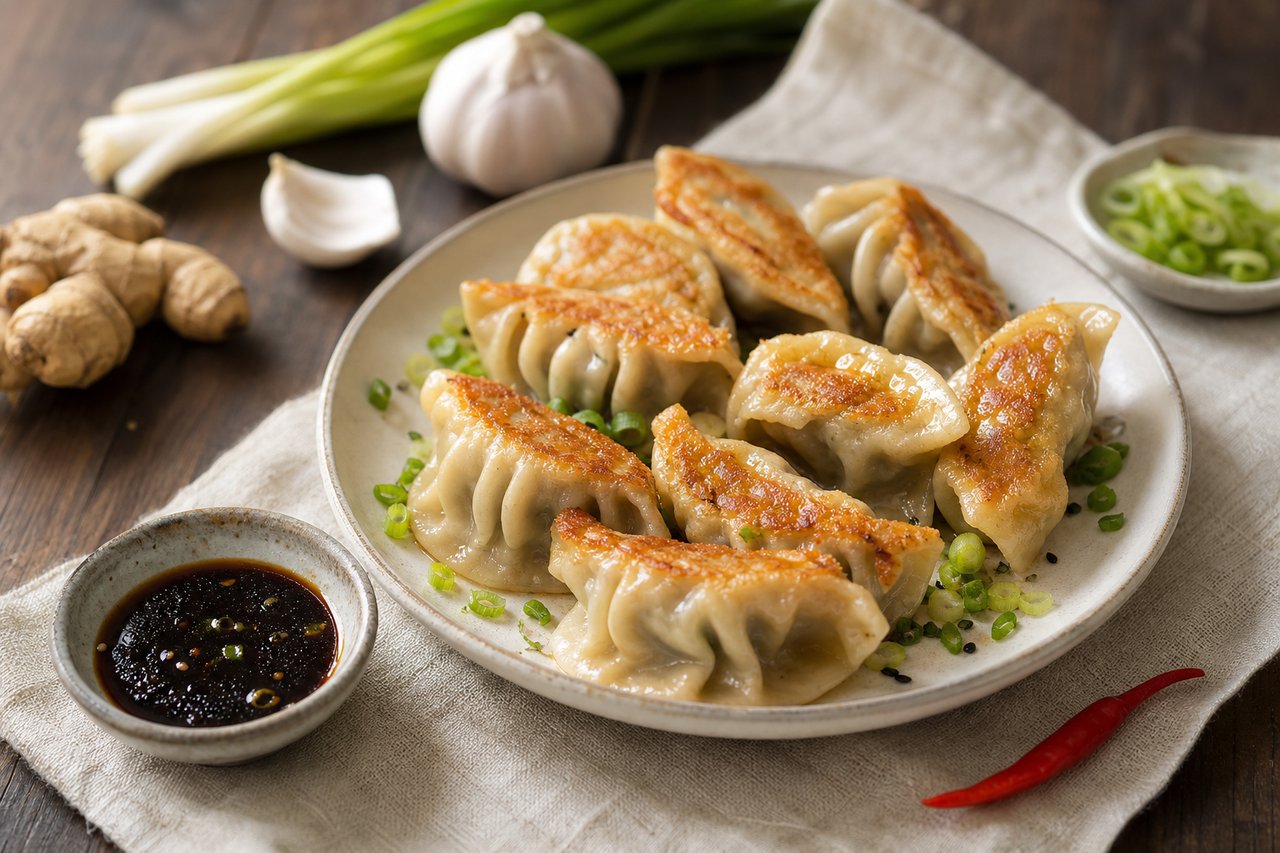
Pork Potstickers
Juicy pork-and-cabbage dumplings pan-fried to a crisp golden base then steam-finished — the classic potsticker method, with a simple dipping sauce.
Korean
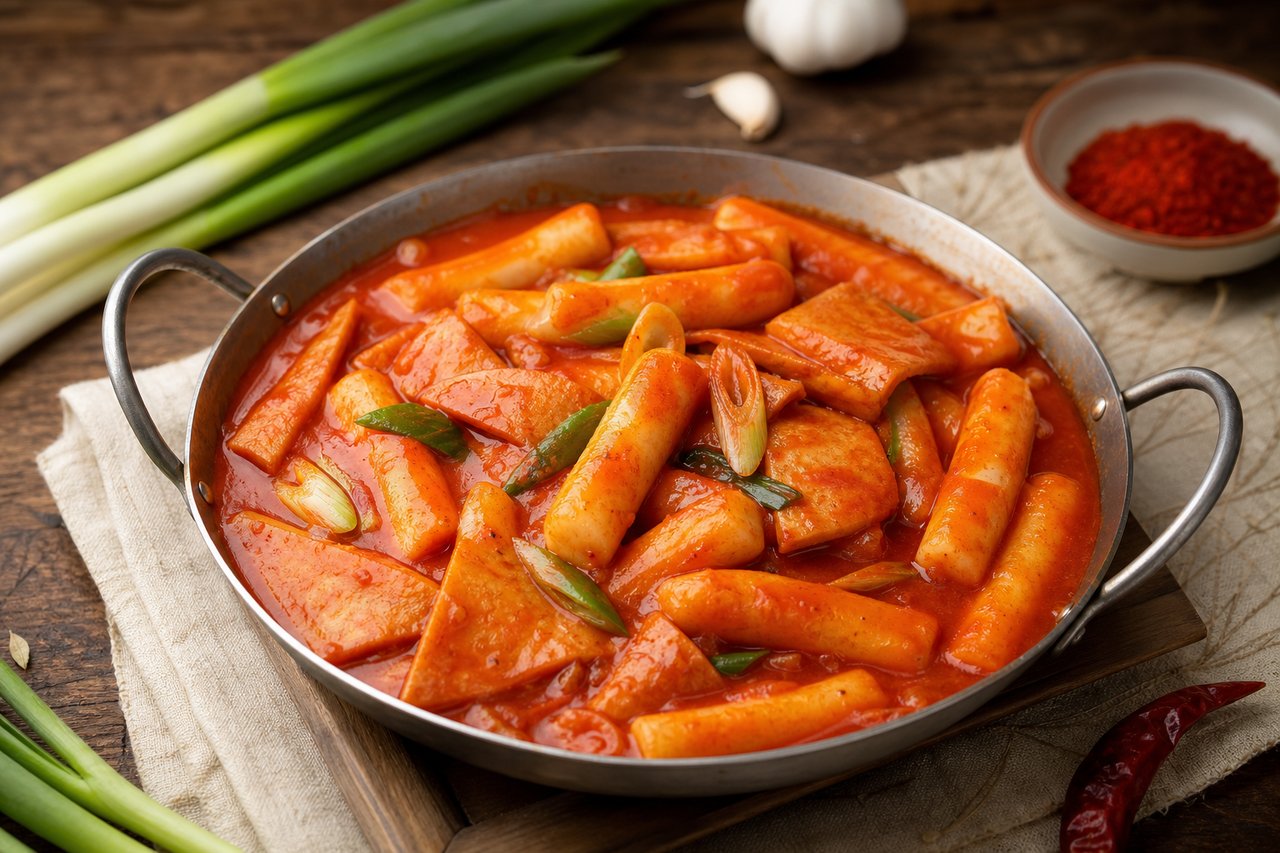
Tteokbokki
Chewy cylindrical rice cakes simmered in a glossy sweet-and-spicy gochujang sauce — Korea's most beloved street snack, ready in under half an hour.
Japanese & Ramen
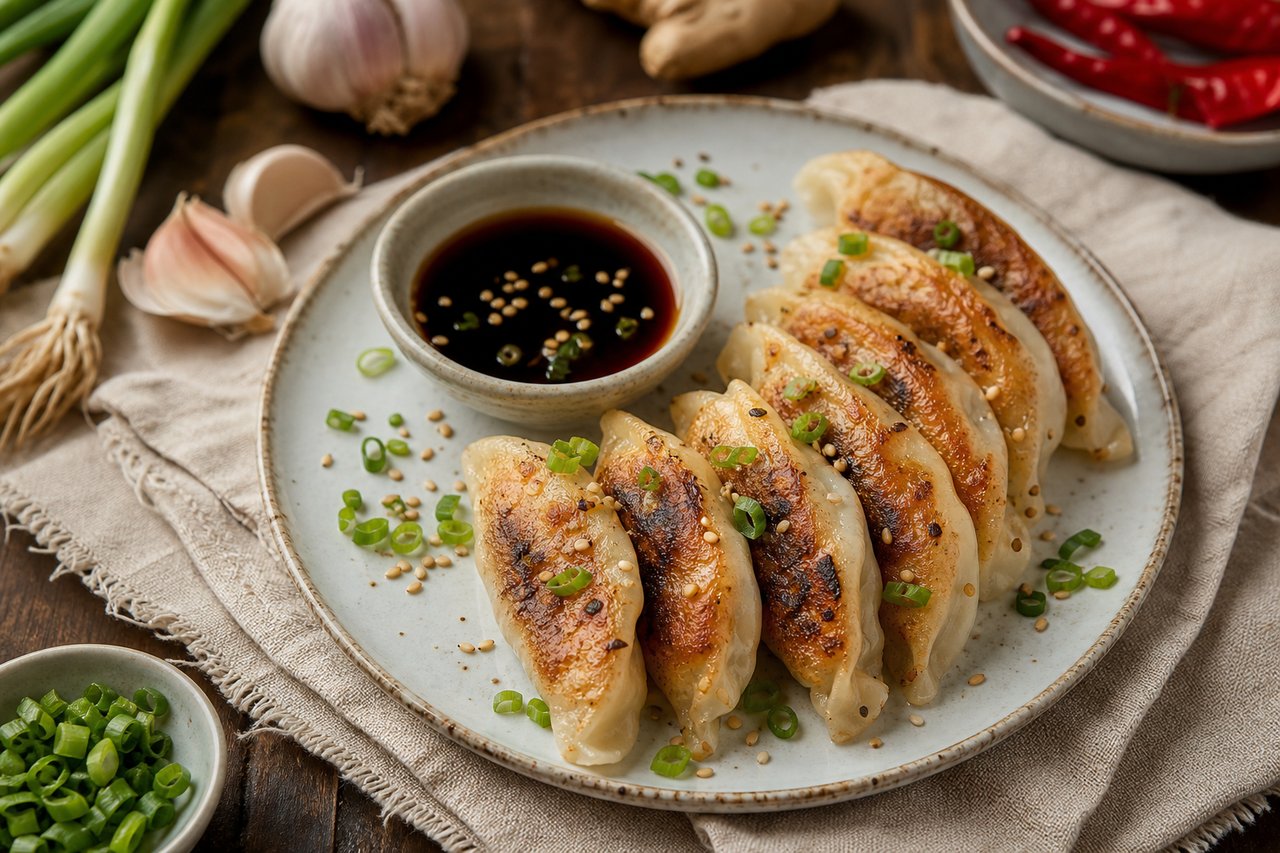
Pan-Fried Pork Gyoza
Juicy pork-and-cabbage dumplings with a lacy, crisp base and steamed pleated tops — the home version of the izakaya classic.
Korean
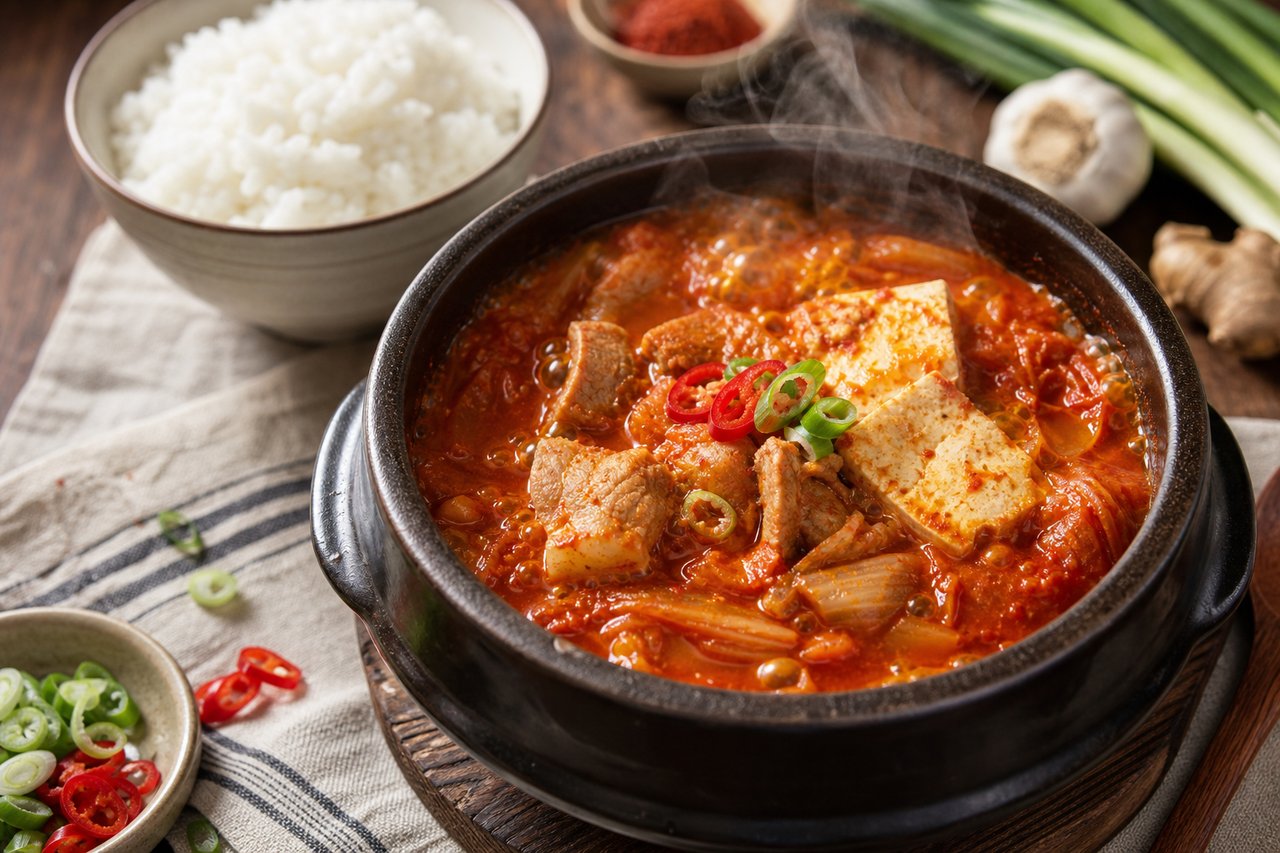
Kimchi Jjigae
The classic Korean kimchi stew — sour, aged kimchi simmered with pork, tofu and a deep gochugaru broth that tastes like it cooked all day but comes together
Korean
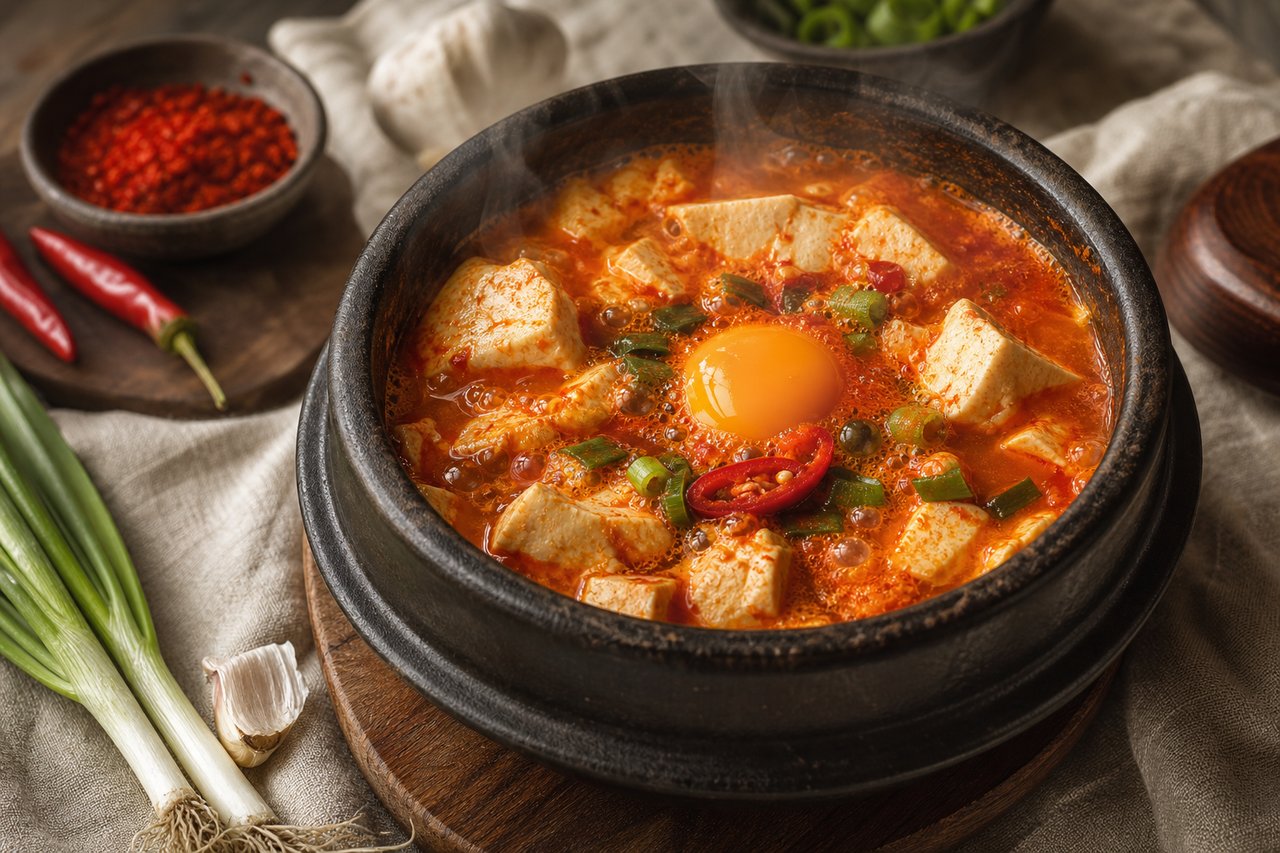
Sundubu Jjigae
A fiery, silky Korean soft-tofu stew built on a fragrant gochugaru-and-garlic chilli oil base, finished with uncurdled tofu and a raw egg cracked in at
Thai
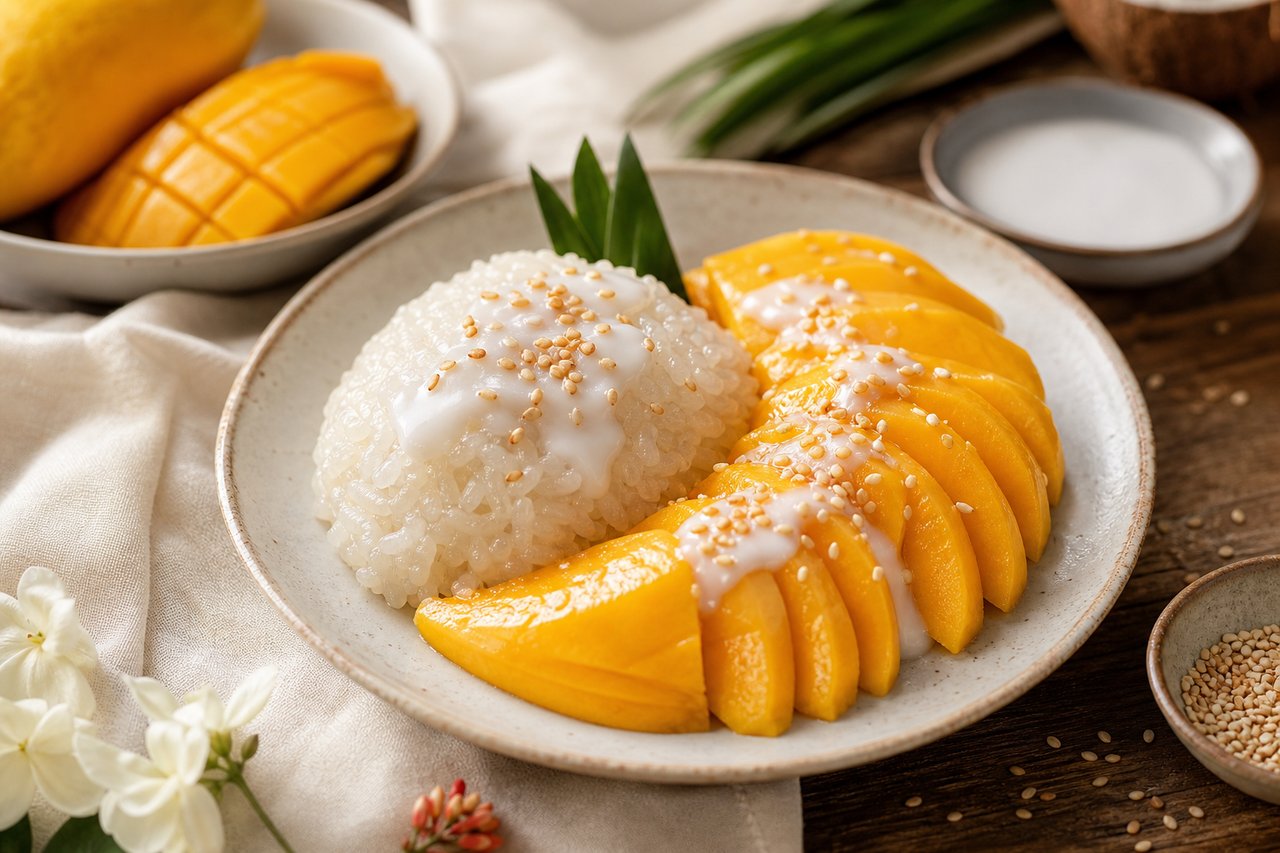
Mango Sticky Rice (Khao Niao Mamuang)
Thailand's best-loved dessert — warm glutinous rice steeped in sweet, salted coconut cream, served with ripe mango and a sprinkle of toasted mung beans.
Chinese
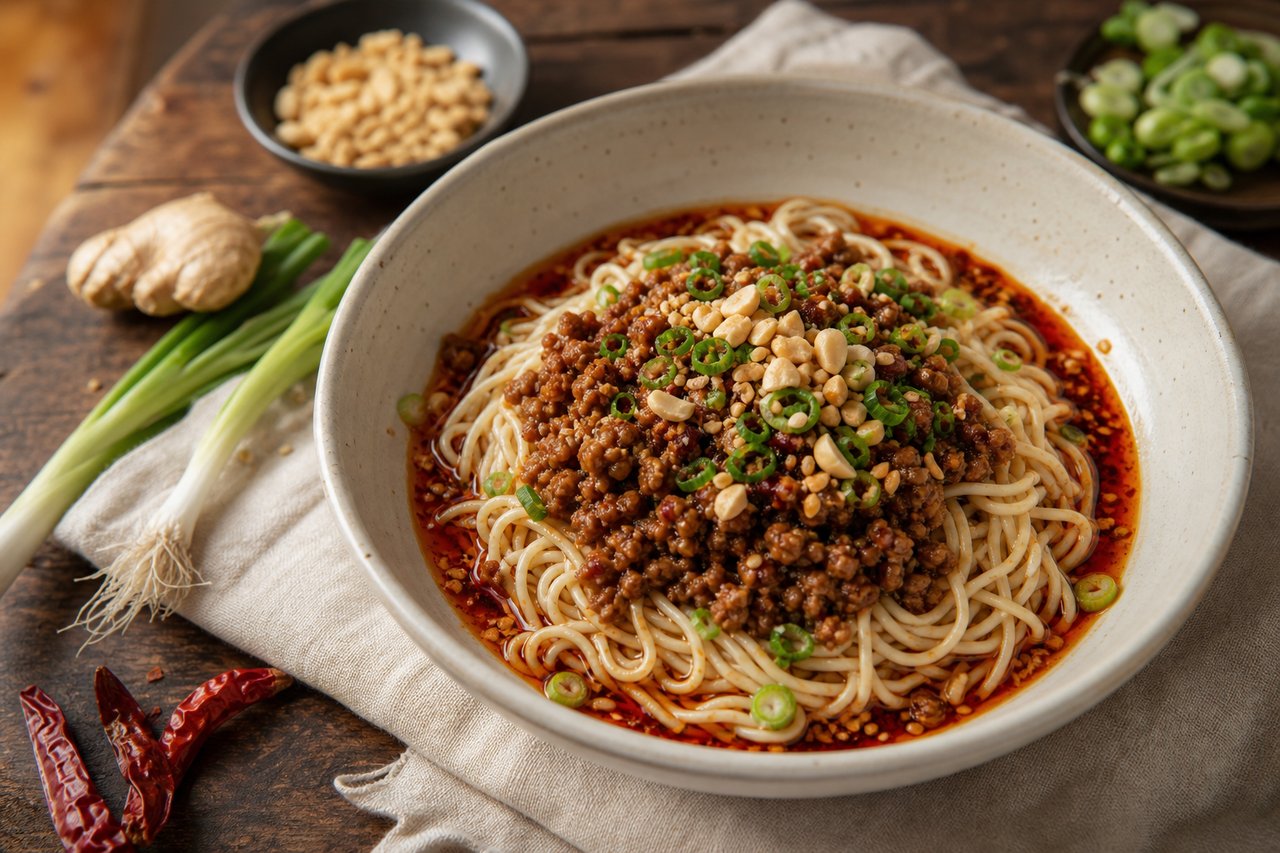
Dan Dan Noodles
Springy wheat noodles over a numbing-spicy sauce of sesame paste, chilli oil and Sichuan peppercorn, topped with crisp minced pork and preserved vegetable.
Japanese & Ramen
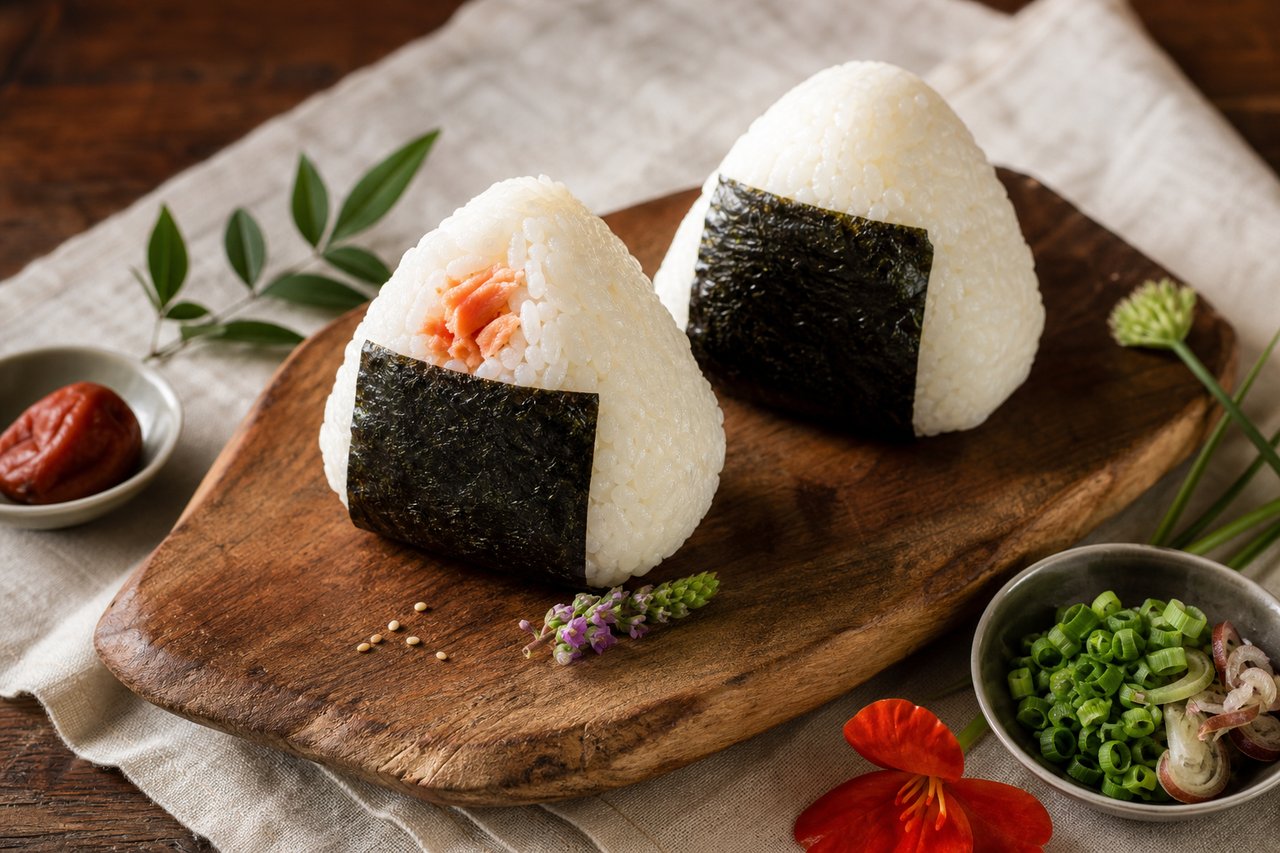
Onigiri Rice Balls
Hand-shaped seasoned rice triangles wrapped in nori, with a savoury filling tucked inside — the portable staple of the Japanese lunchbox.
Korean
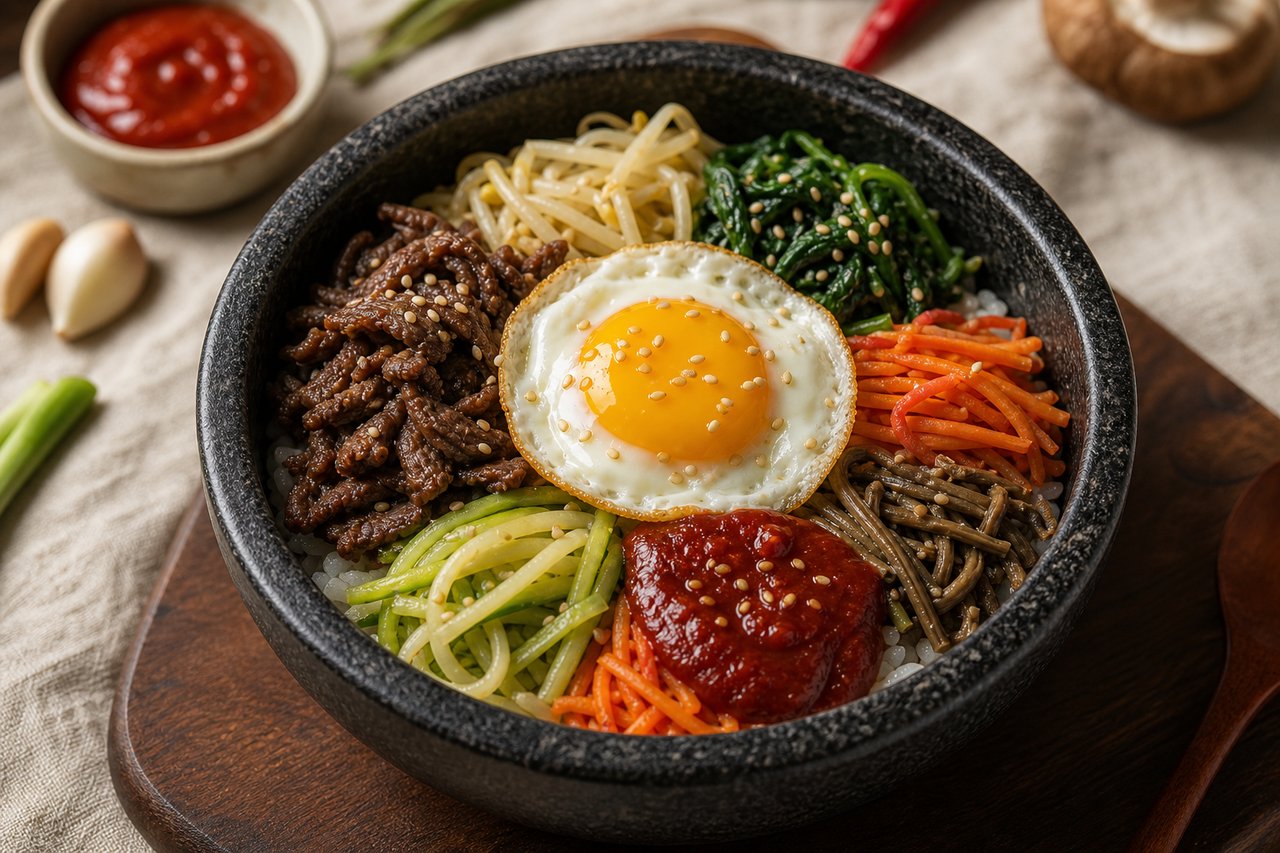
Bibimbap
A bowl of warm rice crowned with seasoned vegetables, beef and a fried egg, all bound together with a sweet-savoury gochujang sauce and a slick of sesame oil.
Chinese
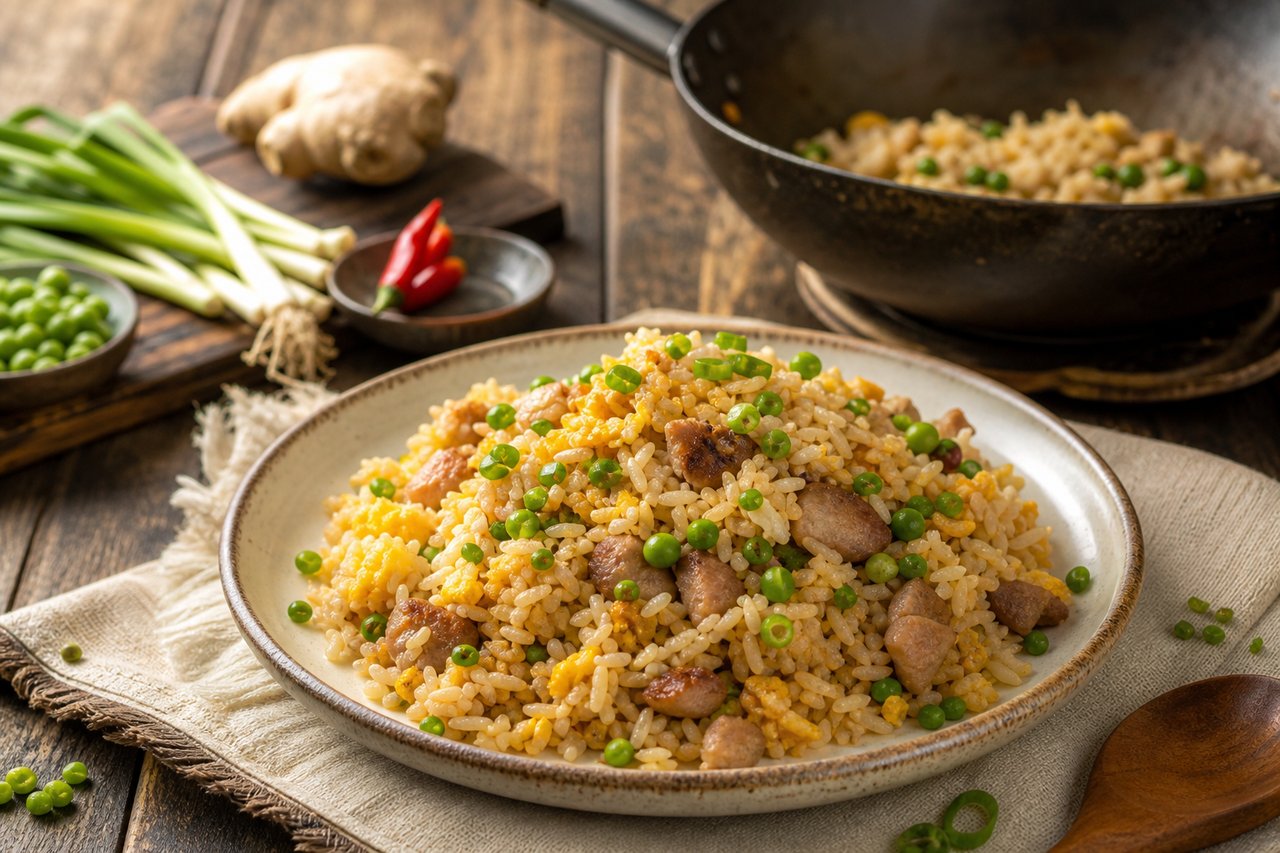
Pork Fried Rice
Day-old rice fried hot and fast with pork, egg and spring onion — the classic way to turn leftovers into a fast, savoury, restaurant-style one-wok meal.
Chinese
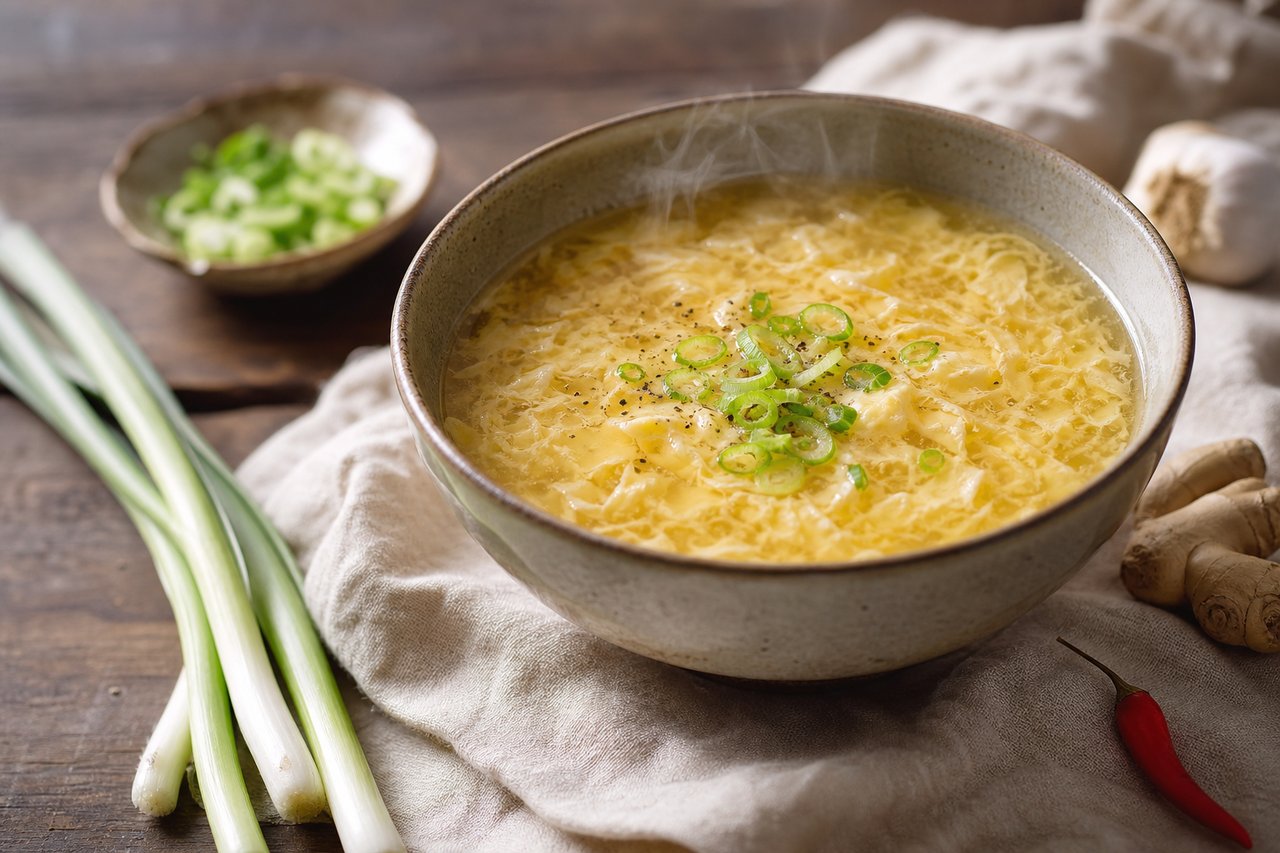
Egg Drop Soup
A silky, savoury chicken broth threaded with delicate ribbons of egg — a five-ingredient Chinese soup that comes together in under fifteen minutes.
Korean
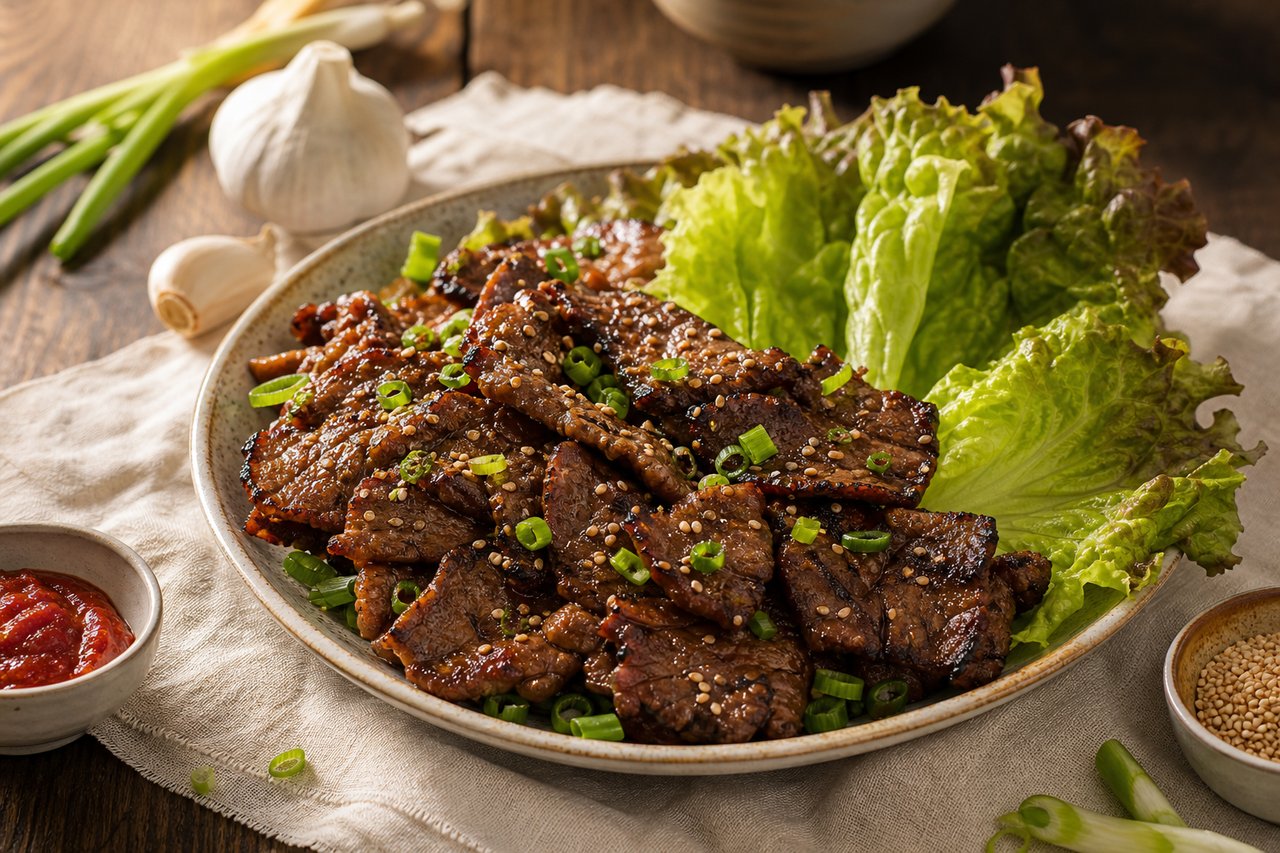
Bulgogi
Thin slices of beef marinated in a sweet-savoury soy, garlic, sesame and grated-pear marinade, then seared hard and fast — the most loved of Korea's grilled
Japanese & Ramen
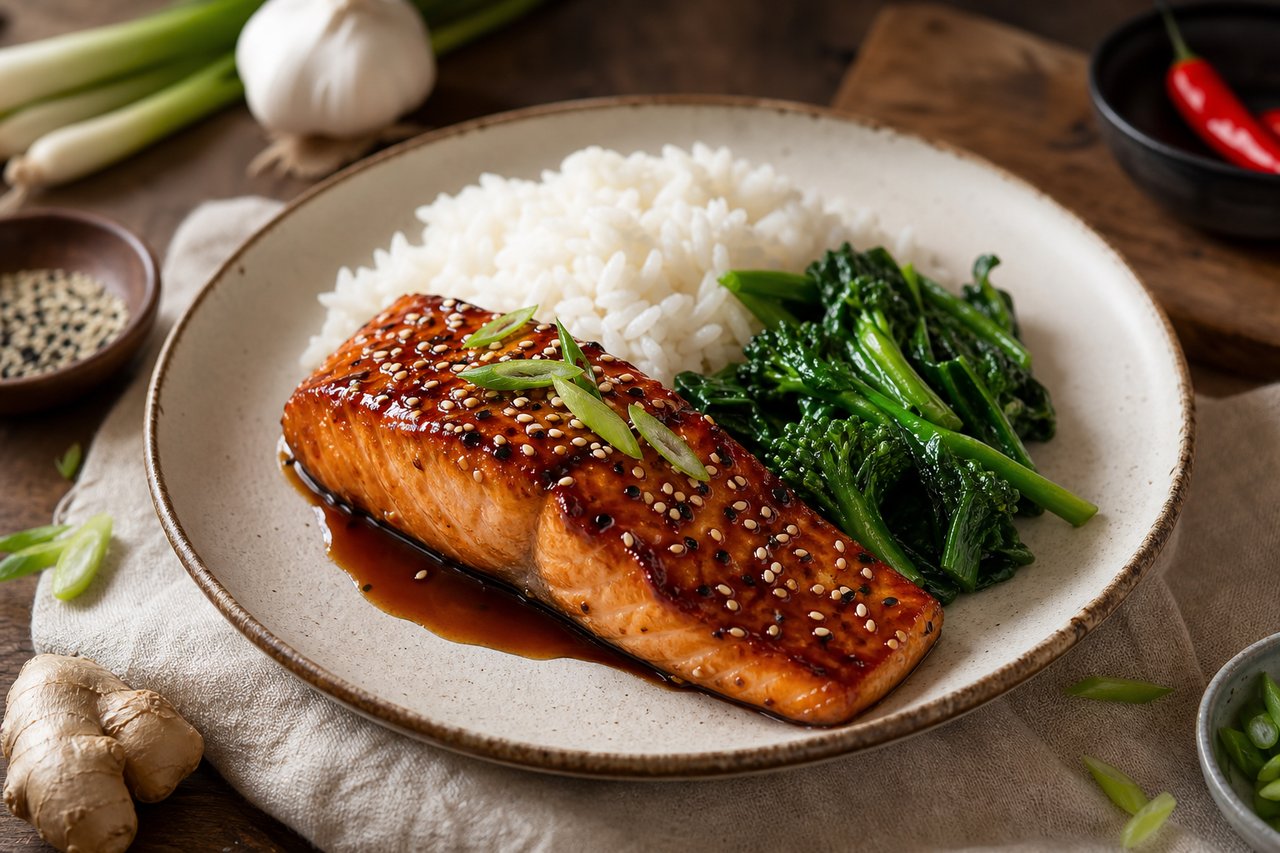
Teriyaki Salmon
Pan-seared salmon fillets glazed in a glossy four-ingredient teriyaki sauce reduced straight in the pan — a fast, weeknight-friendly main.
Korean
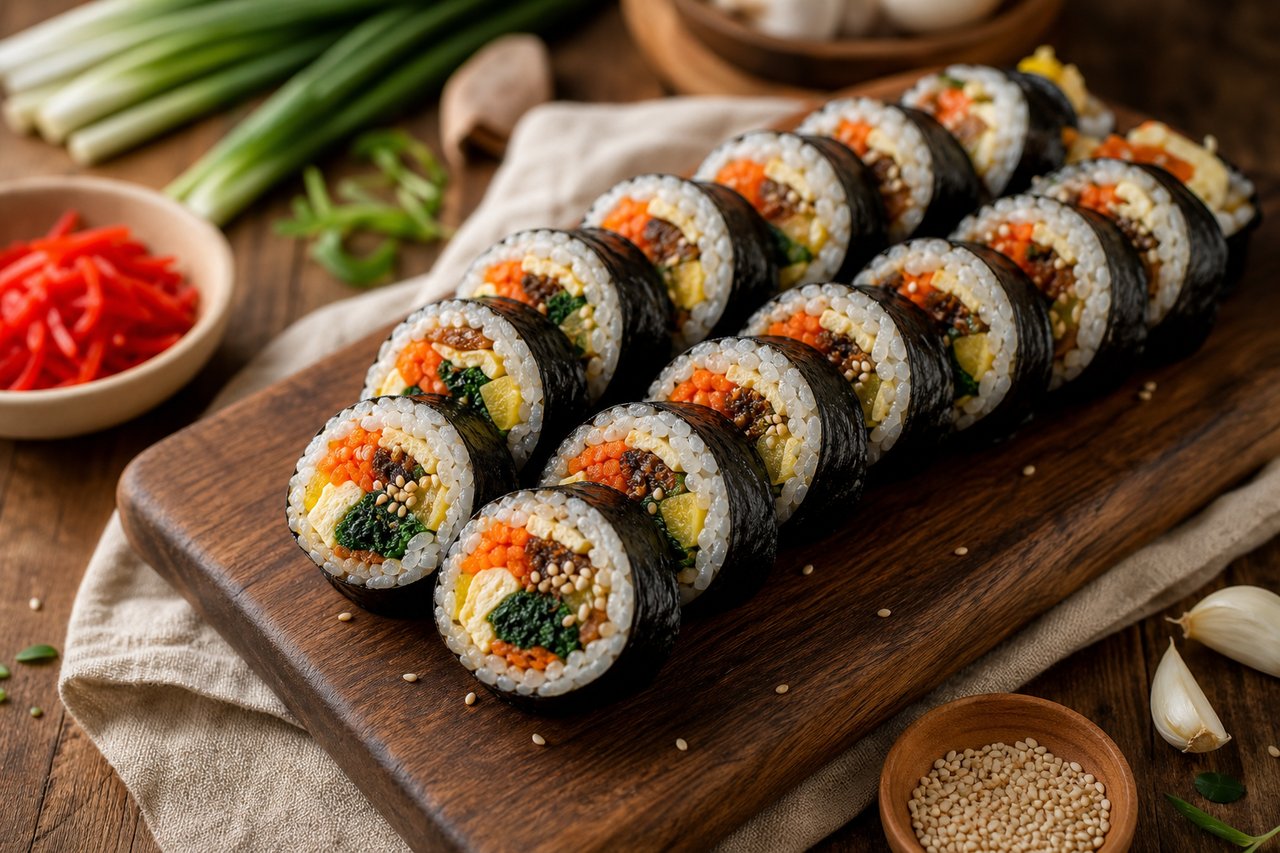
Kimbap — Korean Seaweed Rice Rolls
Seasoned rice and a row of bright fillings rolled in seaweed, sliced into neat rounds — Korea's classic picnic and lunchbox food.
Korean
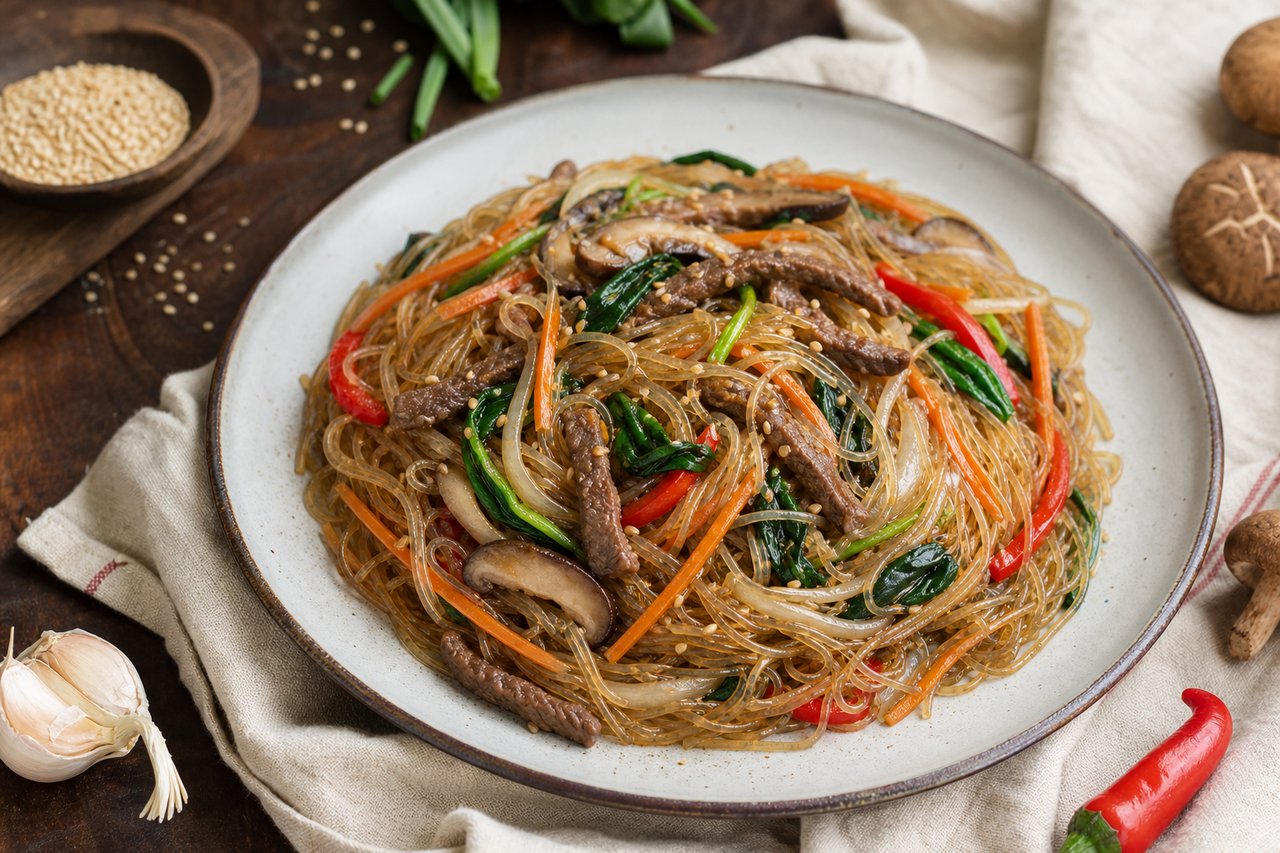
Japchae
Glassy sweet-potato noodles tossed with beef and a rainbow of seasoned vegetables in a savoury-sweet soy and sesame dressing — Korea's beloved celebration
Japanese & Ramen
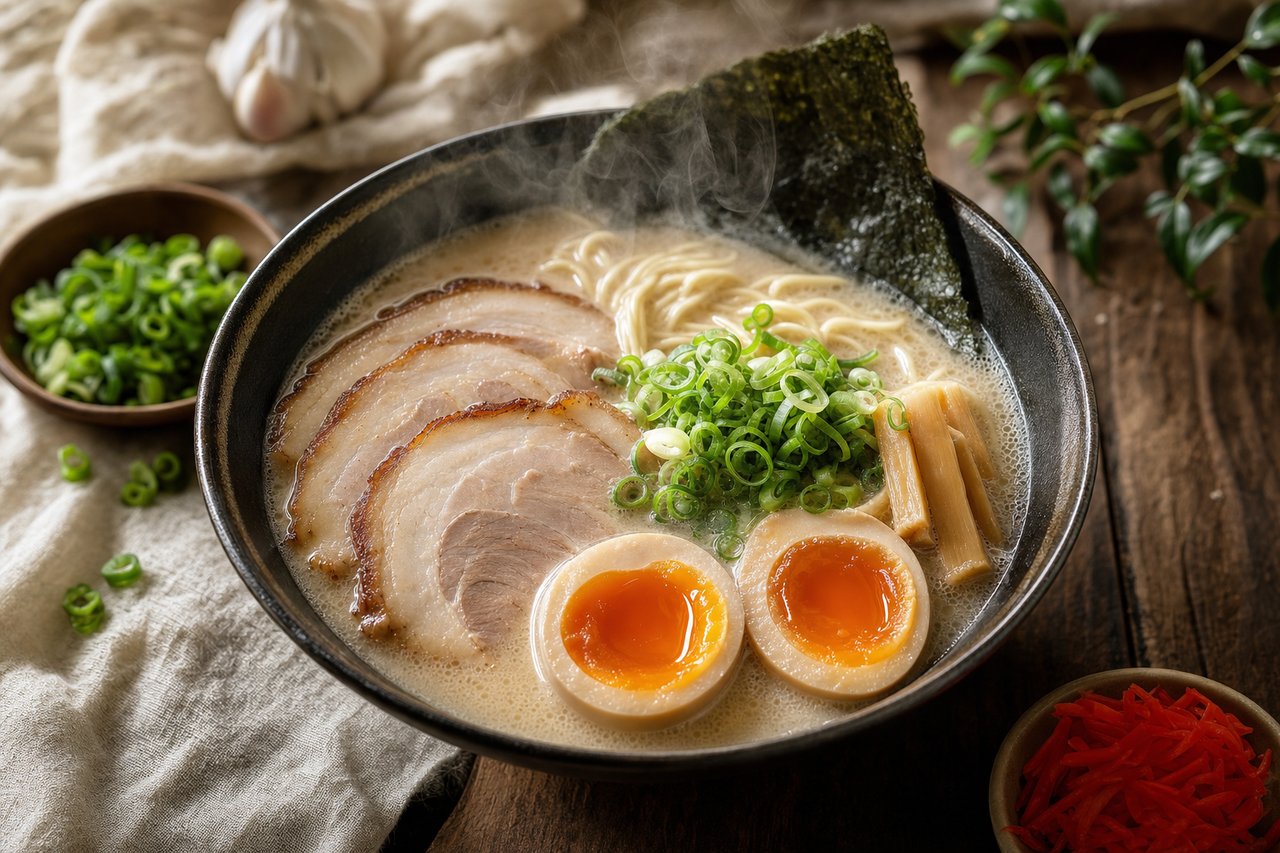
Tonkotsu Ramen from Scratch
A milky, collagen-rich pork-bone broth with springy noodles, chashu and a soft-set egg — the weekend ramen worth the wait.
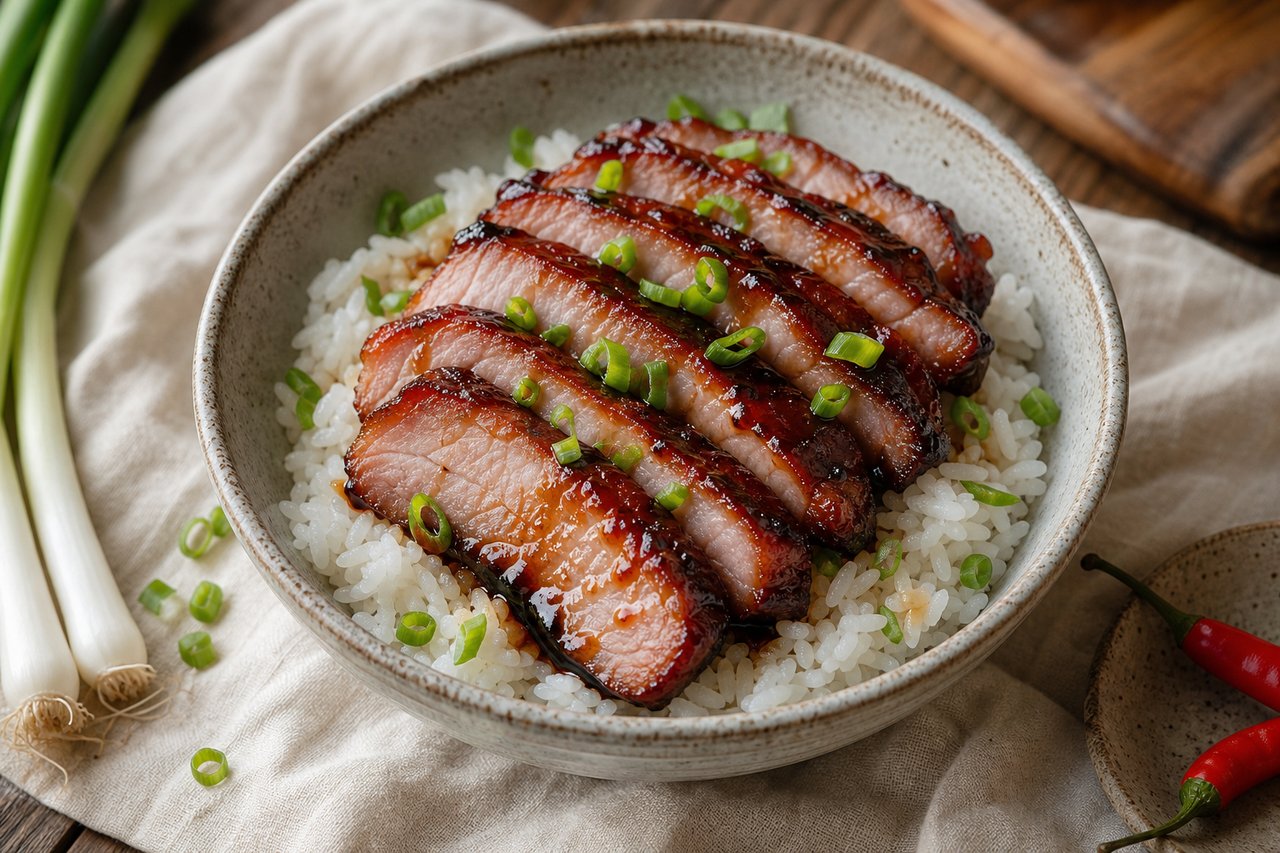
Chinese
Char Siu — Chinese BBQ Glazed Pork
Sticky, mahogany-glazed Cantonese roast pork with a sweet-savoury marinade and a honey lacquer, made in a home oven.
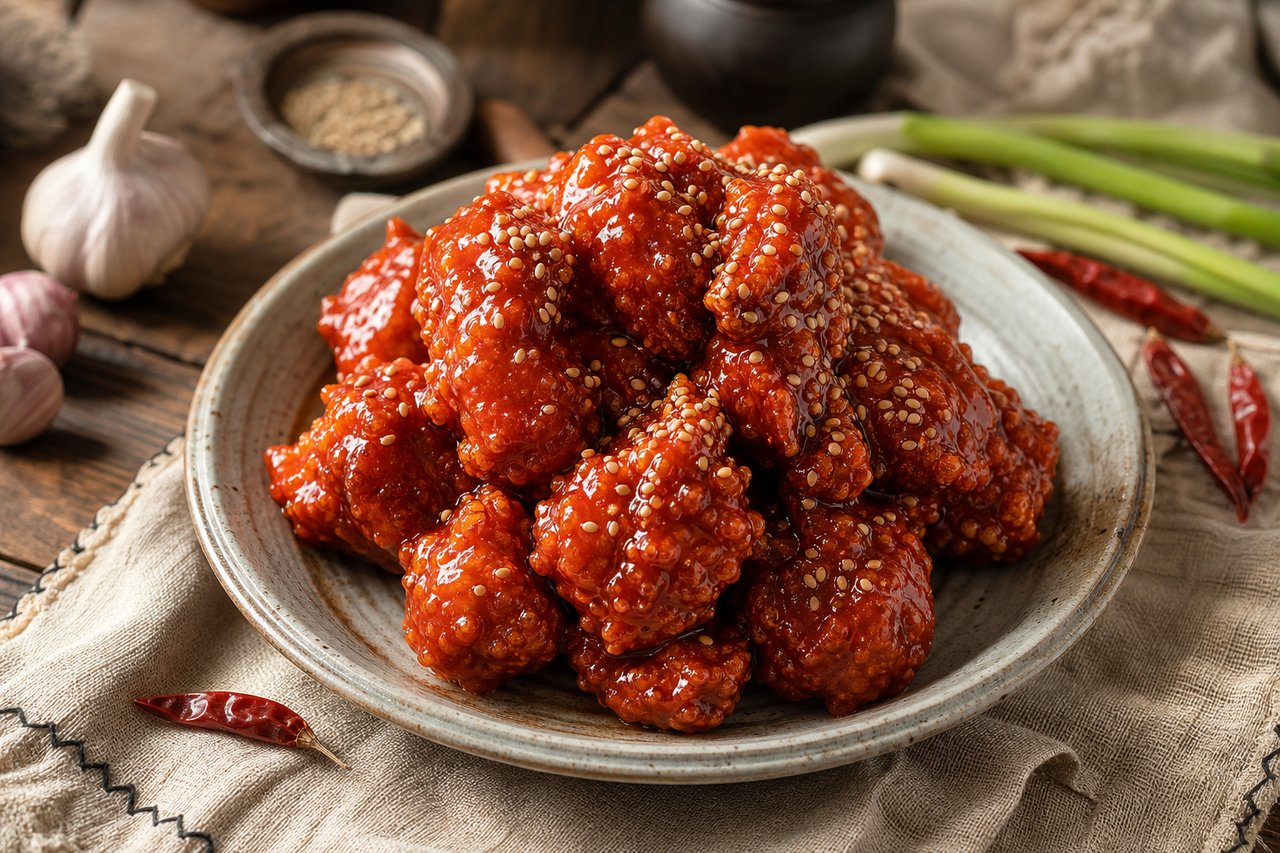
Korean
Korean Fried Chicken
Double-fried for a shatteringly thin, glassy crust that stays crisp under a sticky-sweet gochujang glaze — the famous Korean take on fried chicken, made at
See also the Asian pantry guide for more on stocking these ingredients.