Japanese & Ramen

Onigiri Rice Balls

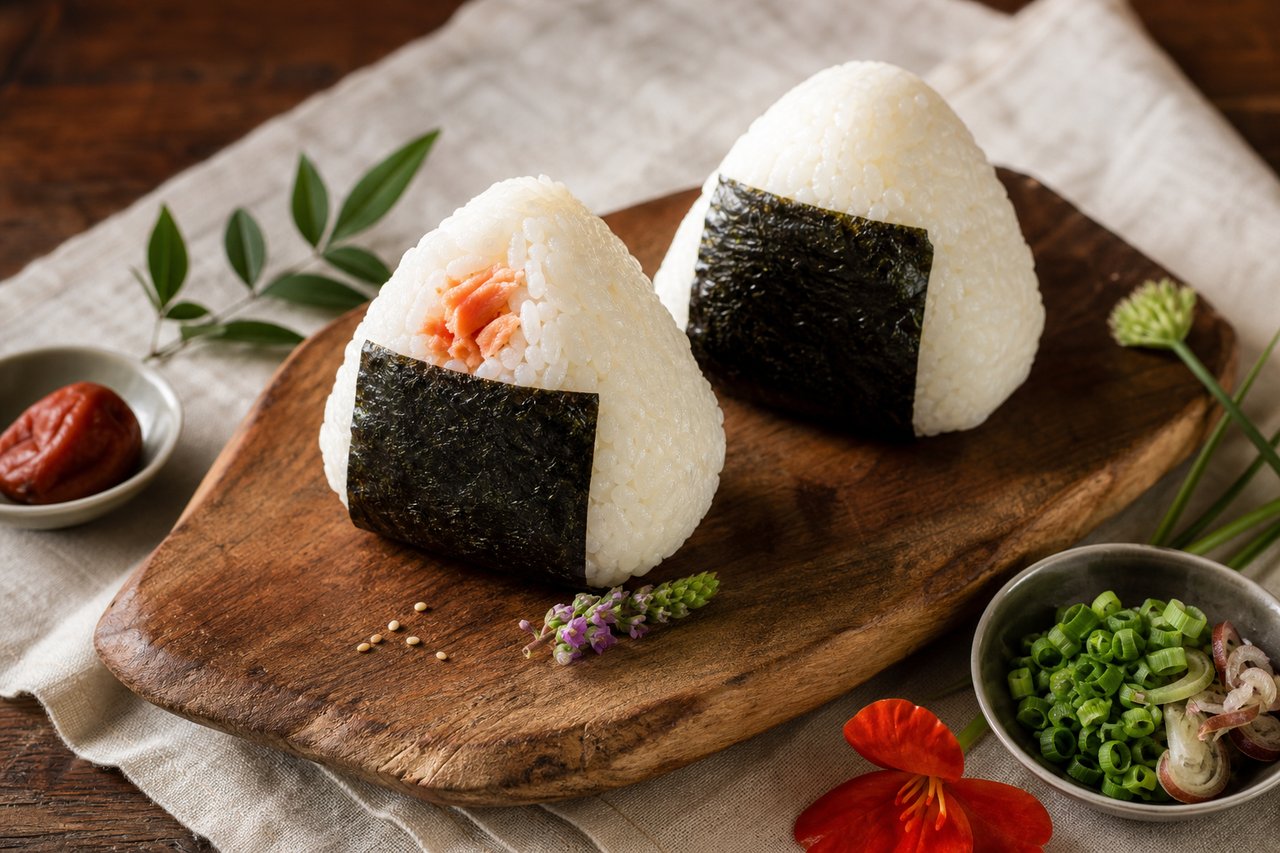
Hand-shaped seasoned rice triangles wrapped in nori, with a savoury filling tucked inside — the portable staple of the Japanese lunchbox.

Prep
20 min
Cook
25 min
Serves
6 rice balls
Level
Easy

By Maya Chen

Onigiri Rice Balls

Method

  1. 01

    Cook the short-grain rice and let it cool just enough to handle while still warm; warm rice holds its shape, cold rice crumbles.

  2. 02

    Wet your hands with water and rub a pinch of salt over your palms. This seasons the surface and stops the rice from sticking.

  3. 03

    Scoop about a half-cup of rice into one hand and press a small well in the centre. Tuck in a teaspoon of your chosen filling.

  4. 04

    Fold the rice over the filling and gently press into a ball, fully enclosing it.

  5. 05

    Cup the rice between both hands and press into a triangle, rotating after each press, using firm but gentle pressure so the grains hold without becoming dense.

  6. 06

    Wrap a strip of nori around the base of each triangle, sealing it against the rice.

  7. 07

    Sprinkle with sesame seeds if using. Serve at room temperature, or wrap individually to keep for a few hours.

Onigiri are the original portable meal: a handful of seasoned rice shaped around a savoury centre and wrapped in a strip of nori. They turn up in lunchboxes, on picnic blankets, and in convenience-store fridges across Japan, and the home version asks for almost nothing beyond good rice and a little patience with shaping.

Rice that holds its shape

The whole thing depends on short-grain rice, which has the natural stickiness to bind into a ball where long-grain rice simply will not. Shape it while it is still warm, because warm rice compresses cleanly and cold rice crumbles. Damp, lightly salted hands keep the grains from sticking to your palms and season the surface at the same time.

Shaping and filling

A small amount of a strong, fairly dry filling tucked into the centre is the traditional approach, since the surrounding rice and nori carry the rest. Press firmly enough that the triangle holds together but gently enough that the grains stay distinct rather than turning to paste. Whether to wrap the nori on right away for a soft bite or at the last minute for a crisp one is entirely a matter of taste.
Frequently Asked Questions

Why does my rice crumble instead of holding together?+

Two reasons usually cause this. The first is using the wrong rice: only Japanese short-grain rice has the natural stickiness to bind into a ball, while long-grain varieties stay loose. The second is temperature, since rice shapes best while still warm and falls apart once fully cold. Cook short-grain rice, let it cool just enough to handle, and shape it warm with damp, lightly salted hands for clean triangles that hold.

Why wet your hands with salt water before shaping?+

Wet hands keep the sticky rice from clinging to your palms so you can shape it cleanly, and the pinch of salt seasons the outer layer of each onigiri, which is otherwise unseasoned plain rice. The thin salt coating also acts as a mild preservative, part of why onigiri travels so well as a packed lunch. Re-wet and re-salt your hands between each rice ball to keep the process smooth.

What fillings work best?+

Classic fillings are intensely savoury or salty so a little carries the whole rice ball: salted grilled salmon flakes, umeboshi pickled plum, seasoned tuna with a touch of mayonnaise, or kombu simmered in soy. The filling should be relatively dry, because anything too wet will make the rice soggy and hard to shape. A small amount in the centre is all you need, as the seasoned rice and nori do much of the work.

When should the nori go on?+

It depends on the texture you want. Wrapping the nori on immediately gives a softer, slightly chewy seaweed that has melded with the rice, which many people prefer for onigiri eaten soon after making. For a crisp, crackly sheet, keep the nori separate and wrap it on just before eating, which is exactly what the plastic-divided convenience-store packaging is designed to allow. Both are correct; it is purely a matter of preference.

You might also like

Pan-Fried Pork Gyoza

Japanese & Ramen

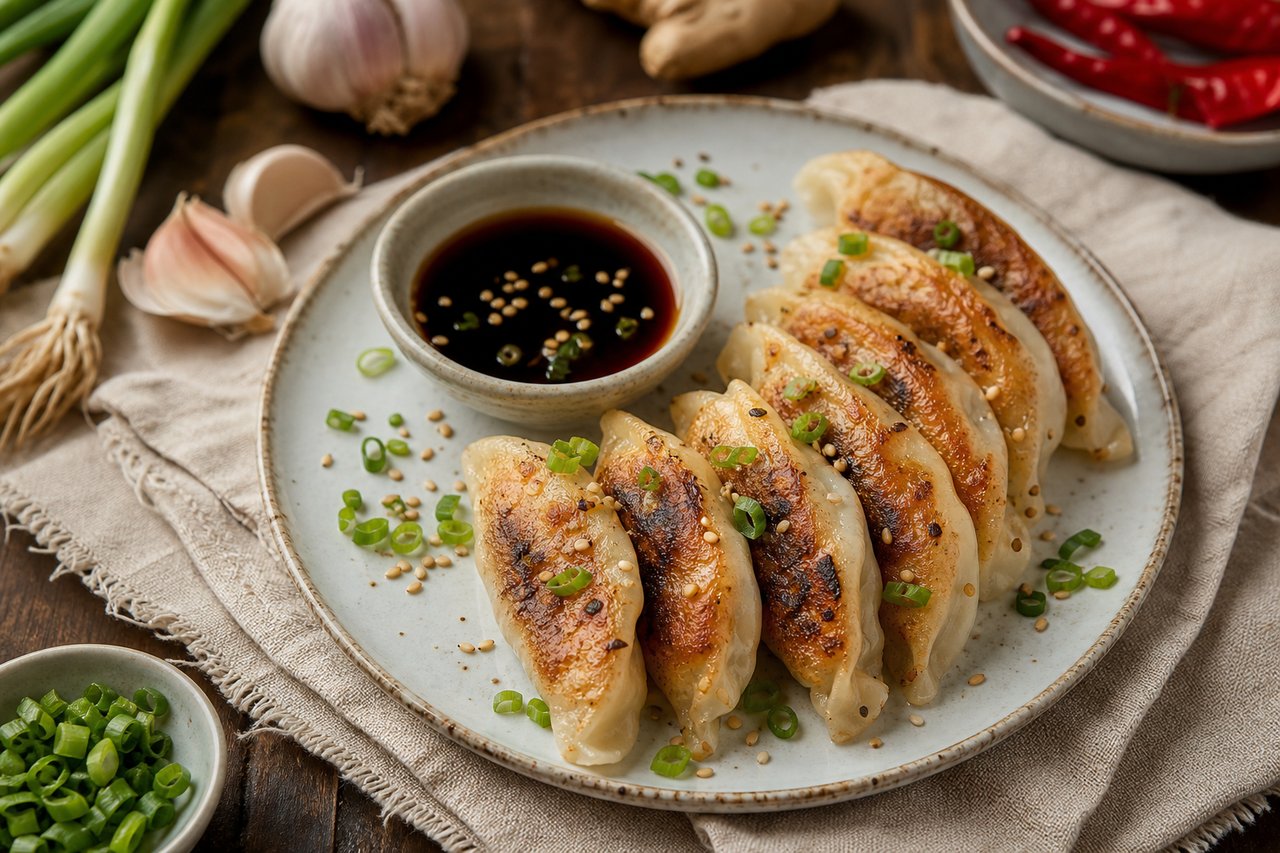
Pan-Fried Pork Gyoza

50 min Medium

Juicy pork-and-cabbage dumplings with a lacy, crisp base and steamed pleated tops — the home version of the izakaya classic.

Chicken Katsu Curry

Japanese & Ramen

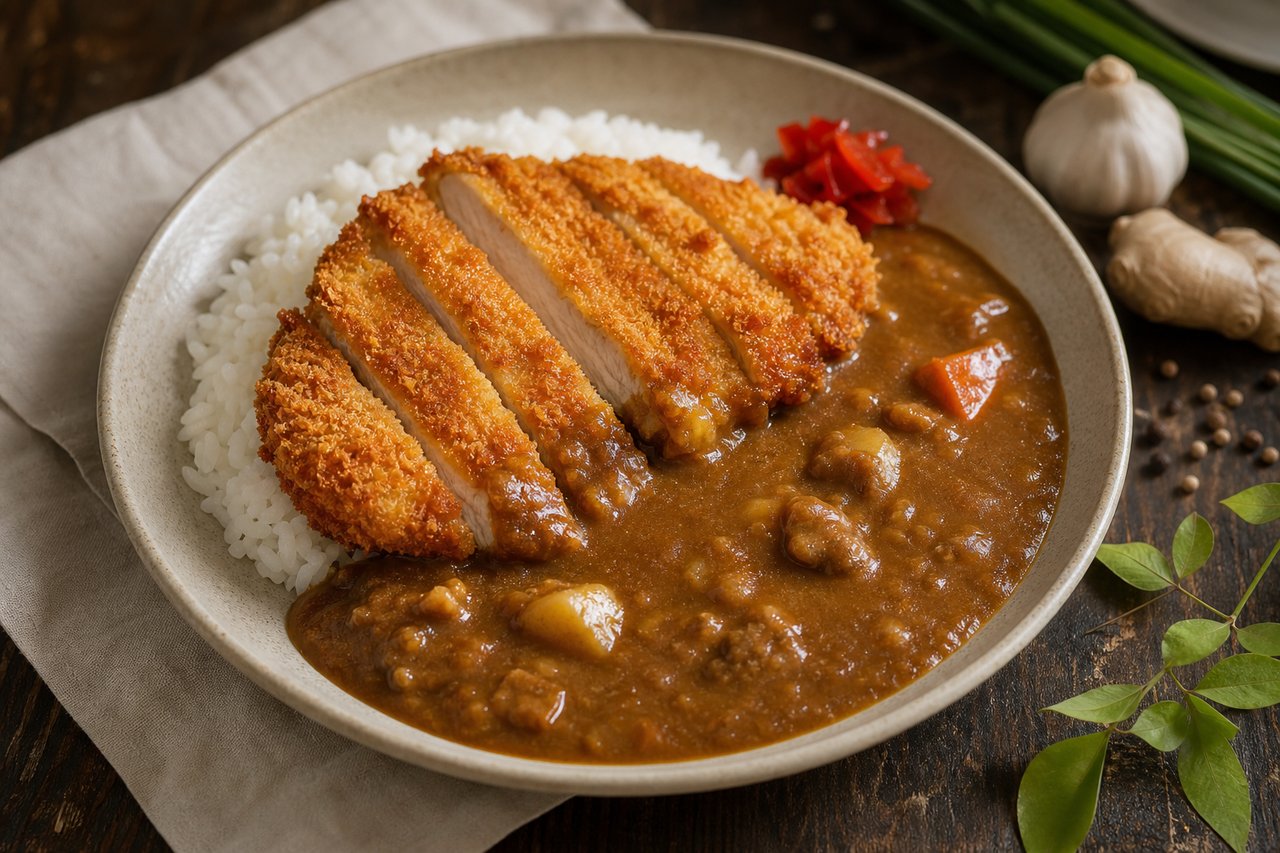
Chicken Katsu Curry

1 h Medium

Crisp panko-crusted chicken cutlet over rice, blanketed in a glossy, lightly sweet Japanese curry sauce.

Yakitori — Japanese Grilled Chicken Skewers

Japanese & Ramen

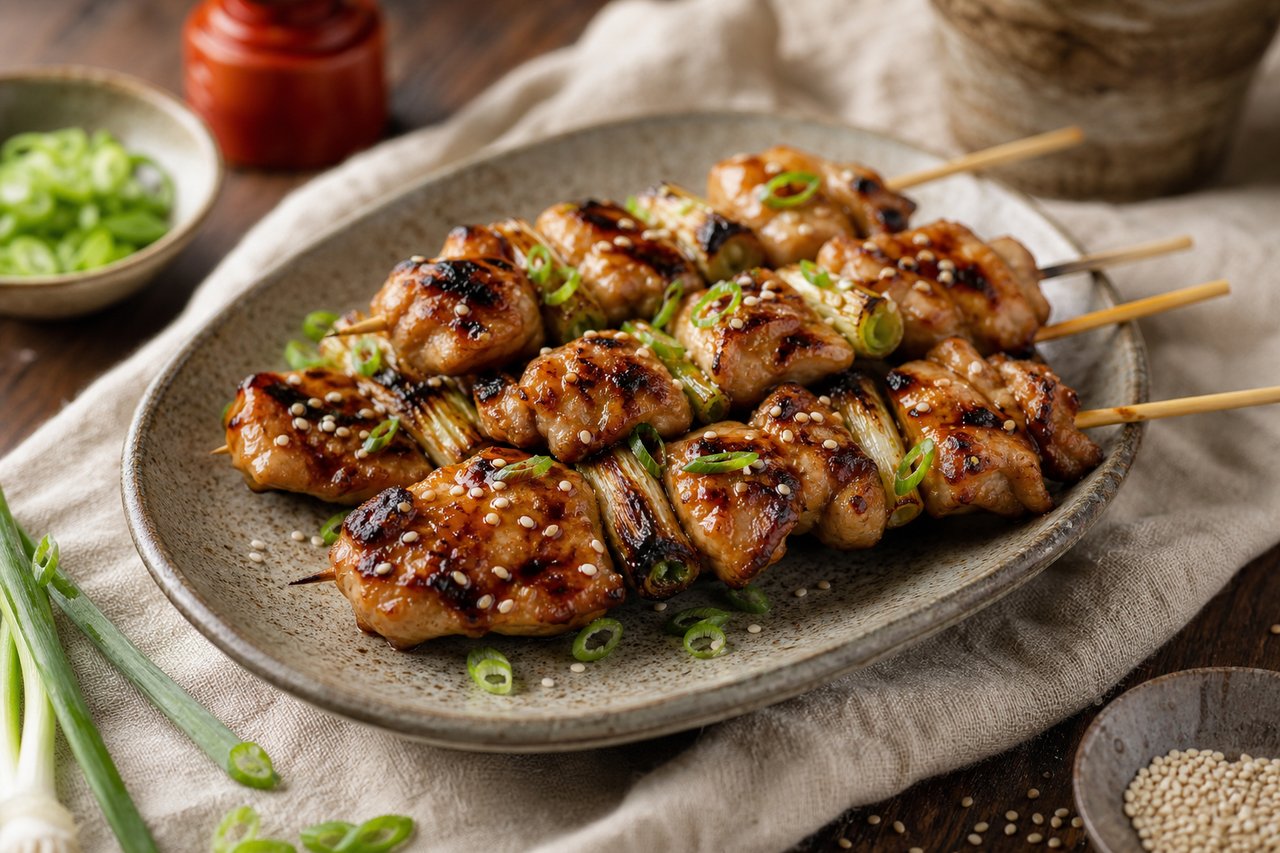
Yakitori — Japanese Grilled Chicken Skewers

45 min Medium

Bite-sized chicken skewers grilled over high heat and lacquered with a sweet-savoury tare, plus a salt-only version for purists.