Chinese

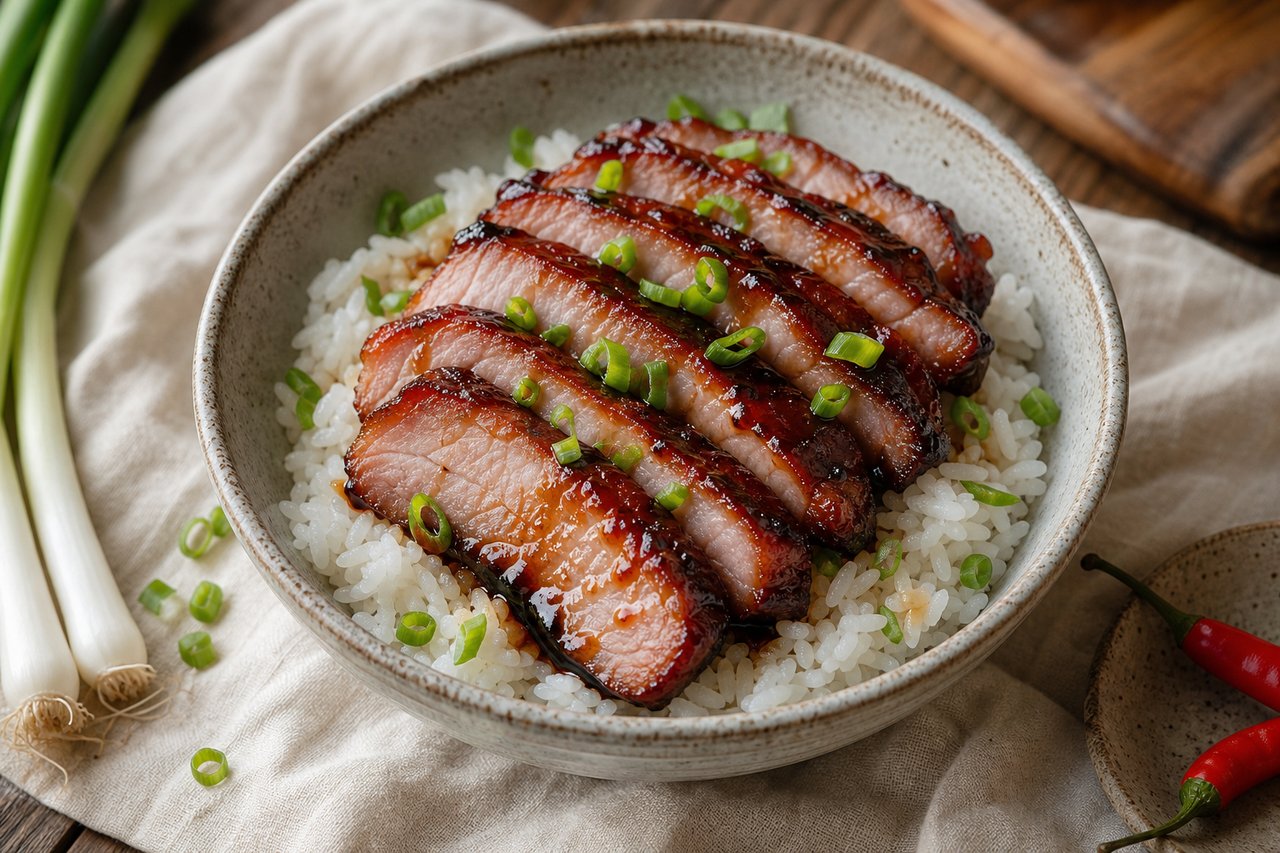
Char Siu — Chinese BBQ Glazed Pork

Sticky, mahogany-glazed Cantonese roast pork with a sweet-savoury marinade and a honey lacquer, made in a home oven.

Prep
20 min
Cook
40 min
Serves
4 to 6
Level
Easy

By Maya Chen

Char Siu — Chinese BBQ Glazed Pork

Method

  1. 01

    Whisk together the hoisin, both soy sauces, Shaoxing wine, sugar, 1 tbsp honey, garlic, five-spice, bean curd and sesame oil into a smooth marinade.

  2. 02

    Coat the pork strips thoroughly, reserving a few tablespoons of marinade for basting. Cover and refrigerate for at least 4 hours, ideally overnight.

  3. 03

    Heat the oven to 220 C. Line a tray and set a rack over it so air circulates under the pork.

  4. 04

    Lay the strips on the rack and roast for 15 minutes, then turn and roast another 10 minutes, basting with the reserved marinade at each turn.

  5. 05

    Mix the remaining 2 tbsp honey with the hot water to make a thin glaze.

  6. 06

    Brush the pork generously with the honey glaze and return to the oven for 5 minutes until the edges begin to caramelise and char.

  7. 07

    Turn, glaze the second side, and roast a final 5 minutes until lacquered and sticky with charred edges.

  8. 08

    Rest the pork for 10 minutes, then slice across the grain and serve with steamed rice or in buns.

Char siu is the glossy, red-edged roast pork that hangs in the windows of Cantonese barbecue shops, sliced over rice or tucked into buns. The restaurant version uses tall roasting ovens, but the marinade and the lacquer translate cleanly to a home oven, and the results are close enough to satisfy.

The marinade does the work

A good char siu starts with a balanced marinade: hoisin and soy for savour, sugar and honey for sweetness, Shaoxing wine for fragrance, and five-spice for warmth. Give the pork as long as possible to soak it up, overnight if you can. The longer it marinates, the deeper the flavour penetrates the meat rather than sitting only on the surface.

Glaze late, char hard

The signature sticky finish comes from a honey glaze applied near the end of the roast, not the start. Brushing it on too early simply burns the sugar. Roast the pork until nearly done, then glaze and return it to high heat so the honey caramelises into charred, lacquered edges in the last few minutes.

Slicing and serving

Rest the pork before slicing so the juices settle, then cut across the grain for tender pieces. Char siu is happy over plain steamed rice, chopped through fried rice, or as the filling for bao, and it keeps and reheats well.
Frequently Asked Questions

What cut of pork makes the best char siu?+

Pork shoulder and pork neck are the traditional choices because they carry enough internal fat to stay moist through a hot roast. Pork neck in particular has fine marbling that renders into the meat, giving the tender, slightly fatty bite that defines good char siu. Leaner cuts like loin will cook through but turn dry and stringy under the high heat the glaze needs. Cutting the meat into long, even strips also exposes more surface for the lacquer to cling to.

How do I get the deep red colour without artificial dye?+

The classic restaurant red usually comes from food colouring, but a natural version is achievable. Fermented red bean curd (nam yu) lends both a reddish tint and a savoury depth, and a generous amount of dark soy deepens the colour further. The final mahogany shade comes mostly from caramelising the sugar and honey glaze under high heat. The result is a touch more brown than neon, but the flavour is better and there is no need for dye.

Can char siu be made without a special oven or roasting box?+

Yes. While restaurants hang the pork in tall roasting ovens, a standard home oven with a rack set over a lined tray works well. The rack lets heat circulate underneath so the strips colour on all sides, and the tray catches drips for easy cleanup. The key is high heat, around 220 C, and basting with glaze near the end so the sugars caramelise into the signature sticky, charred edges rather than burning early.

What can I do with leftover char siu?+

Leftover char siu is genuinely useful and arguably improves the dishes it goes into. Dice it through fried rice, fold it into noodle soups, or chop it for the filling in steamed or baked bao. It keeps well refrigerated for three to four days and freezes for a couple of months. Reheat gently with a splash of water or a brush of fresh glaze so the surface re-softens rather than drying out.

You might also like

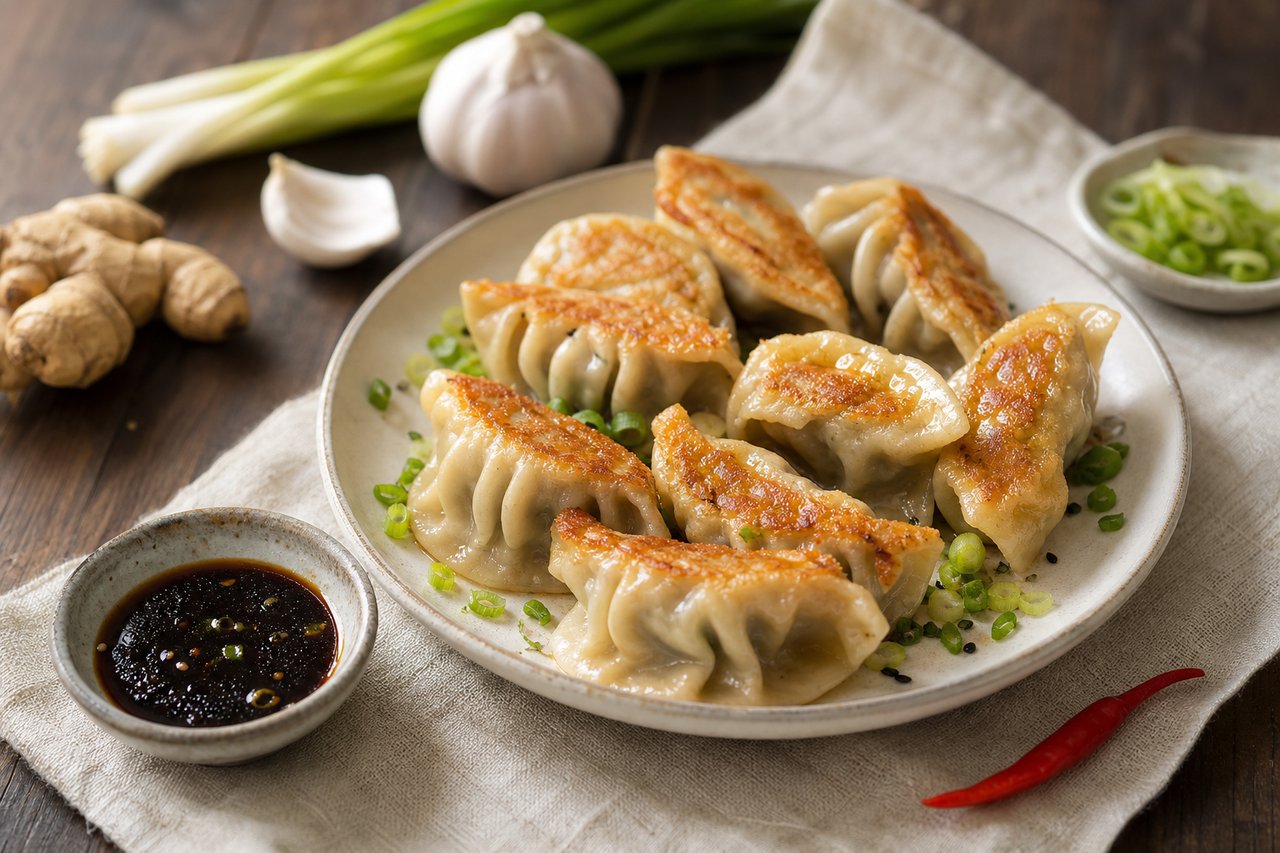
Pork Potstickers

Chinese

Pork Potstickers

60 min Medium

Juicy pork-and-cabbage dumplings pan-fried to a crisp golden base then steam-finished — the classic potsticker method, with a simple dipping sauce.

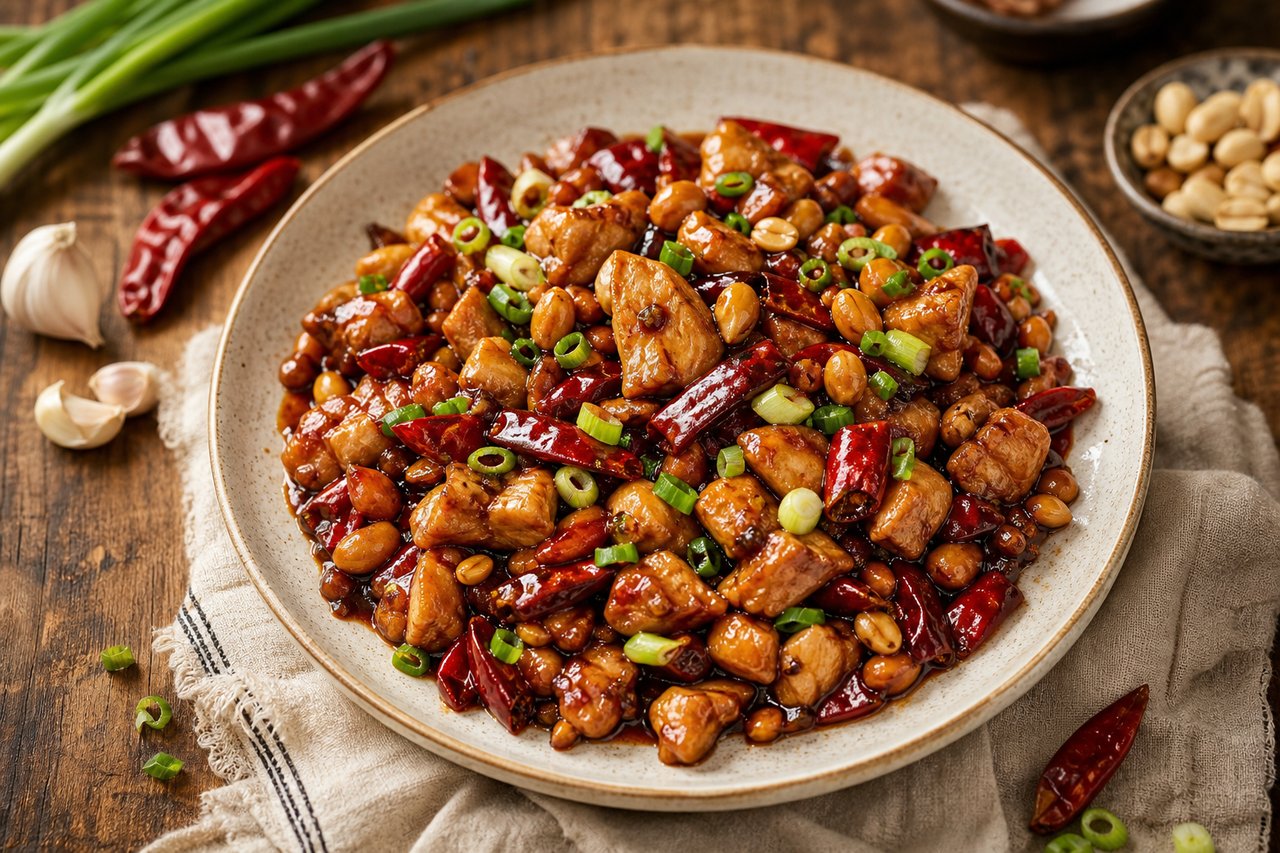
Kung Pao Chicken

Chinese

Kung Pao Chicken

30 min Medium

Diced chicken stir-fried with dried chillies, Sichuan peppercorn and peanuts in a sweet-savoury-sour sauce — a fast, balanced Sichuan classic with real depth.

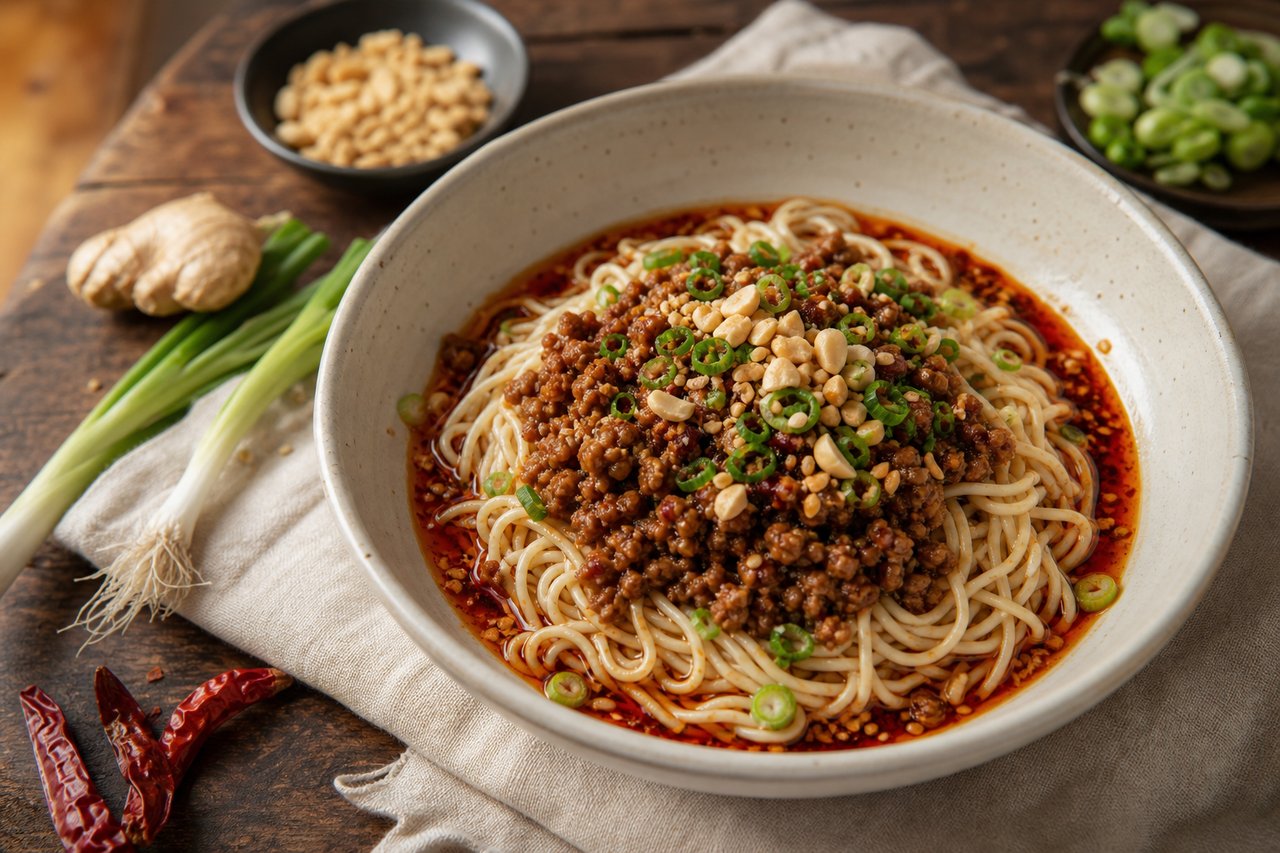
Dan Dan Noodles

Chinese

Dan Dan Noodles

30 min Medium

Springy wheat noodles over a numbing-spicy sauce of sesame paste, chilli oil and Sichuan peppercorn, topped with crisp minced pork and preserved vegetable.