Cook with
Recipes with Garlic
The savoury base note of almost every Asian stir-fry, sauce and marinade.
Garlic is the backbone aromatic of kitchens across Asia and beyond — a small, papery bulb of tightly packed cloves whose flavour shifts dramatically with how it is cut and cooked. Raw and pungent in one dish, sweet and mellow in another, it underpins the savoury depth of stir-fries, braises, marinades and dipping sauces, rarely the star yet almost always present.
What it is and how it tastes
A head of garlic breaks into individual cloves, each wrapped in a thin skin that peels away to a firm, ivory clove. Its character is built on contrast: bitten raw it is hot, sharp and lingering, but the moment it meets heat that aggression softens into something rounded and savoury. The defining pungency comes from compounds released only when the clove is crushed or chopped, which is why the cut matters as much as the cooking. Garlic carries other flavours rather than dominating them, deepening saltiness, richness and umami.
How to prepare and cook it
Crack and peel the cloves, then trim off the hard root end. How finely it is cut decides its intensity: a smashed or pressed clove releases the most bite, slices give gentler pockets of flavour, and whole cloves stay sweetest. The cardinal rule is to keep the heat moderate — garlic burns in seconds and turns bitter. Add it to warm oil and cook only until it smells fragrant and turns pale gold. In stir-fries it usually goes in alongside ginger and spring onion at the start, while braises take whole or sliced cloves that mellow over long, slow cooking.
Buying and storing
Choose firm, heavy heads with tight, dry, unbroken skins; soft spots, green shoots or a sprouting centre signal age and a harsher taste. Store the whole bulb in a cool, dark, airy spot — never the fridge, where it sweats and sprouts. A good head keeps for weeks this way. Once cloves are separated they deteriorate faster, so break off only what is needed. Discard any clove that has gone soft, hollow or sour-smelling.
Where it shines
Garlic is foundational to almost every savoury dish on the table. It builds the punchy base of pork fried rice and the fiery sauce of kung pao chicken, and it is pounded into the marinade and dressing that define bulgogi. There is no true substitute when it leads a dish, though shallot or chive can stand in faintly. As one of the most versatile staples in any kitchen, it earns a permanent place; for more on stocking the essentials, see the Asian pantry guide.
Garlic recipes (24)
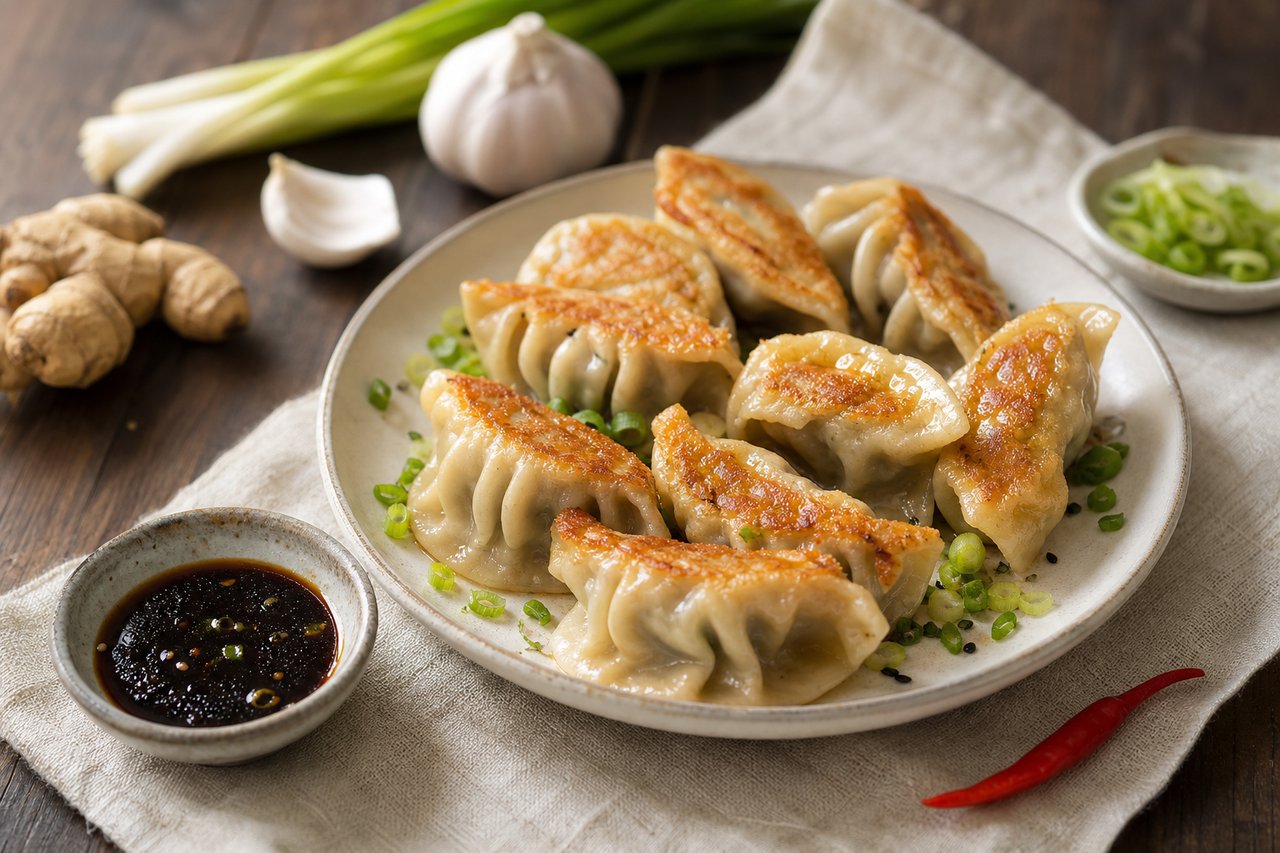
Chinese
Pork Potstickers
Juicy pork-and-cabbage dumplings pan-fried to a crisp golden base then steam-finished — the classic potsticker method, with a simple dipping sauce.
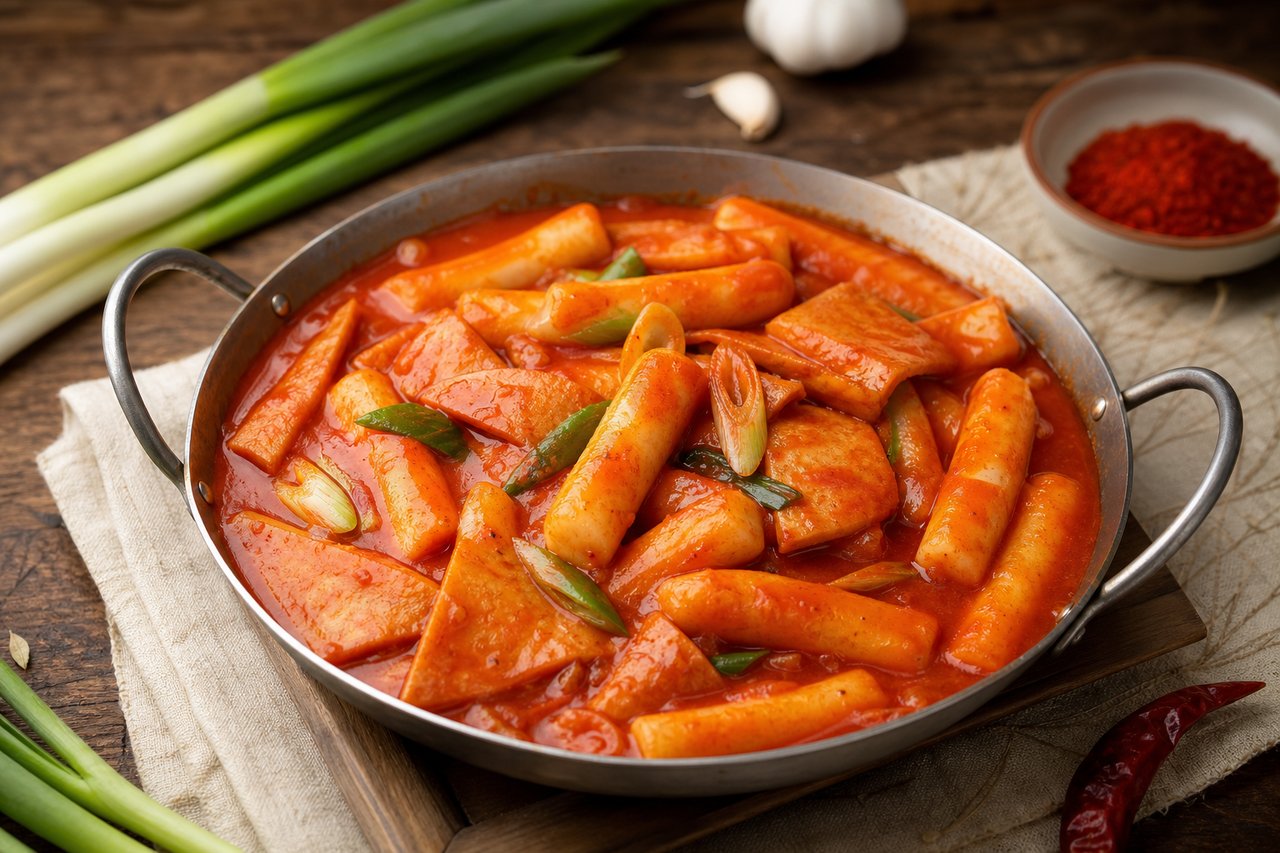
Korean
Tteokbokki
Chewy cylindrical rice cakes simmered in a glossy sweet-and-spicy gochujang sauce — Korea's most beloved street snack, ready in under half an hour.
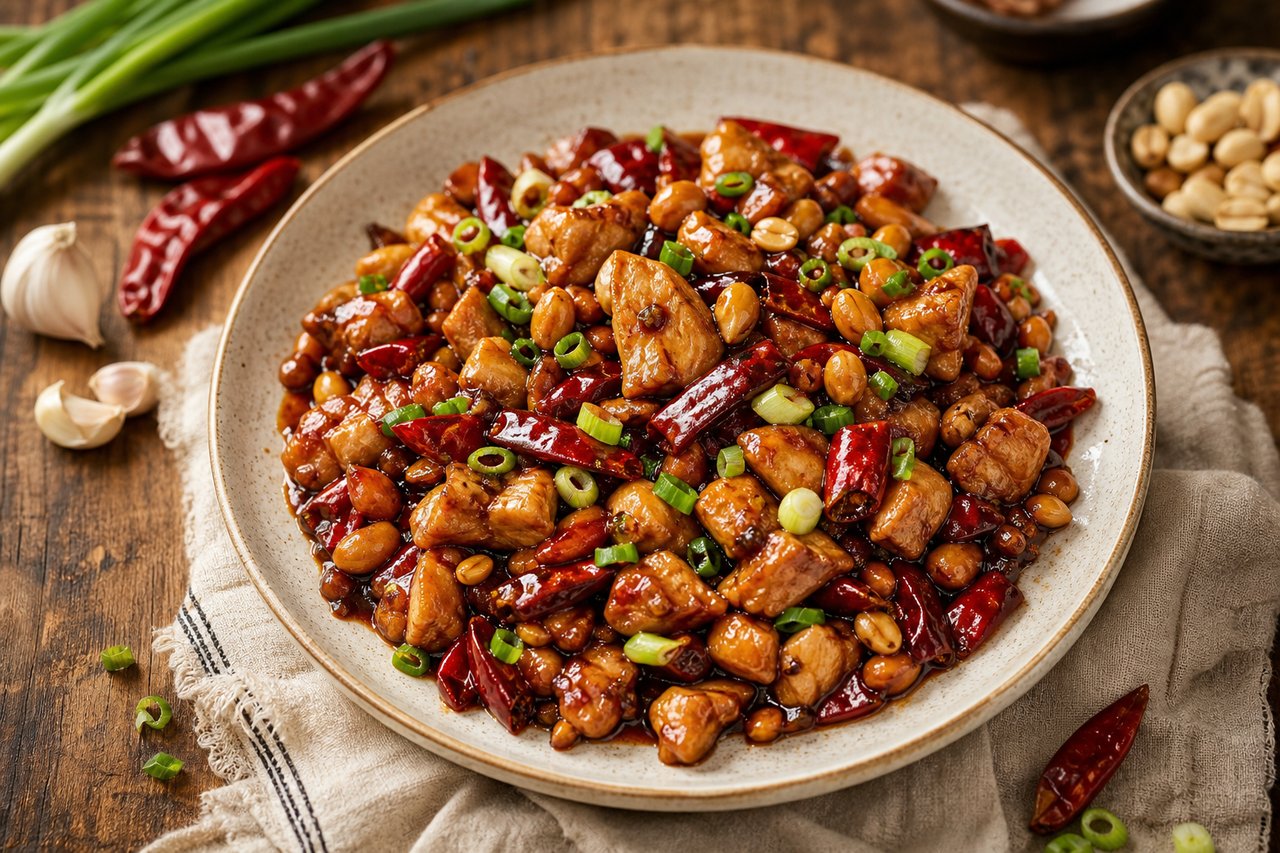
Chinese
Kung Pao Chicken
Diced chicken stir-fried with dried chillies, Sichuan peppercorn and peanuts in a sweet-savoury-sour sauce — a fast, balanced Sichuan classic with real depth.
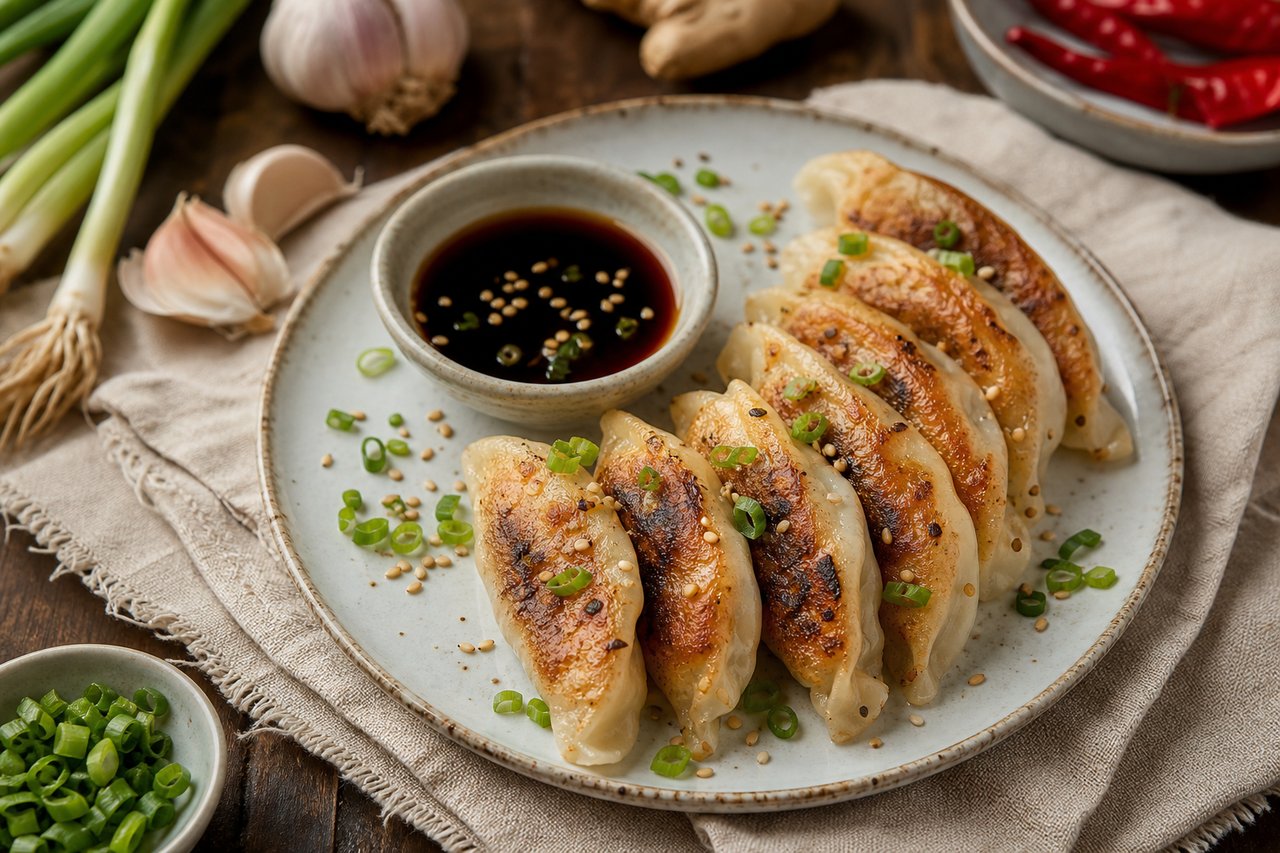
Japanese & Ramen
Pan-Fried Pork Gyoza
Juicy pork-and-cabbage dumplings with a lacy, crisp base and steamed pleated tops — the home version of the izakaya classic.
Korean
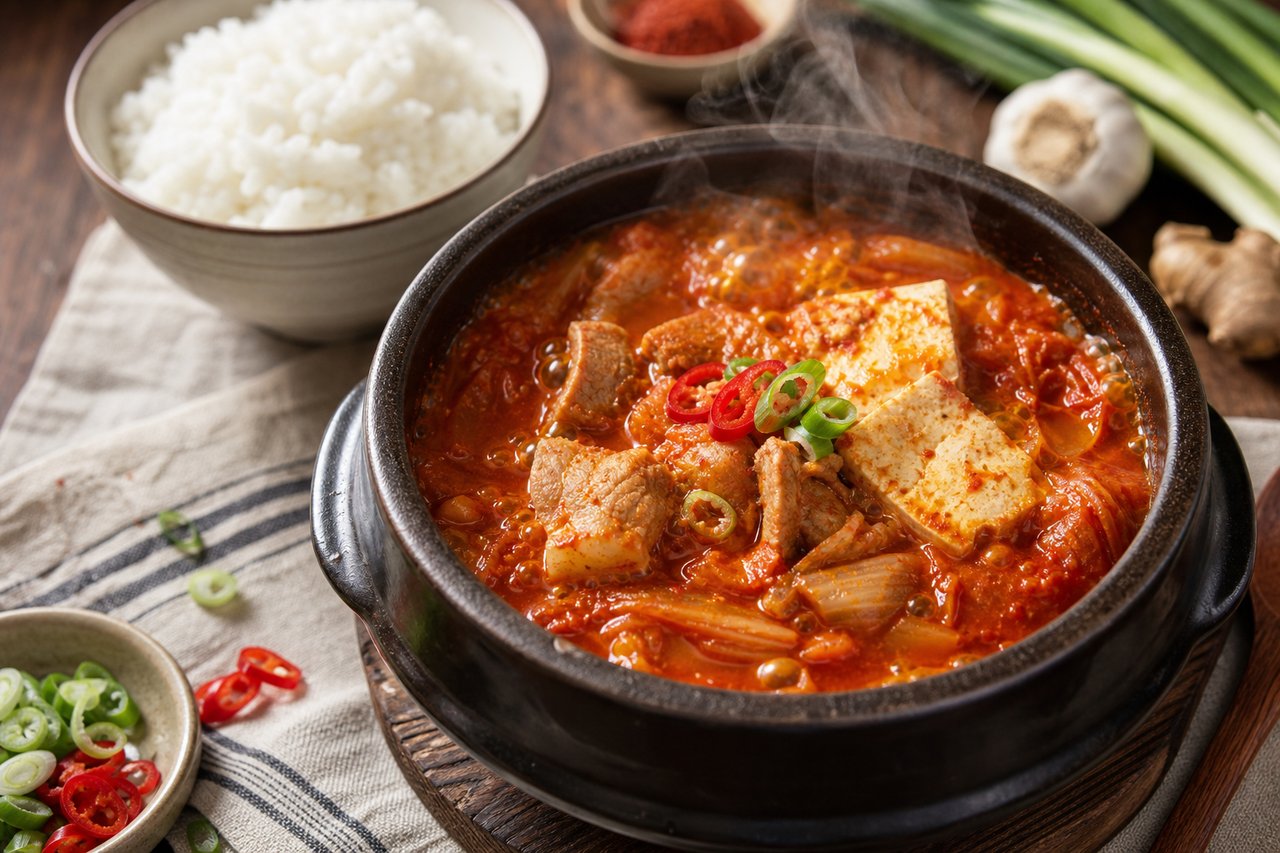
Kimchi Jjigae
The classic Korean kimchi stew — sour, aged kimchi simmered with pork, tofu and a deep gochugaru broth that tastes like it cooked all day but comes together
Japanese & Ramen
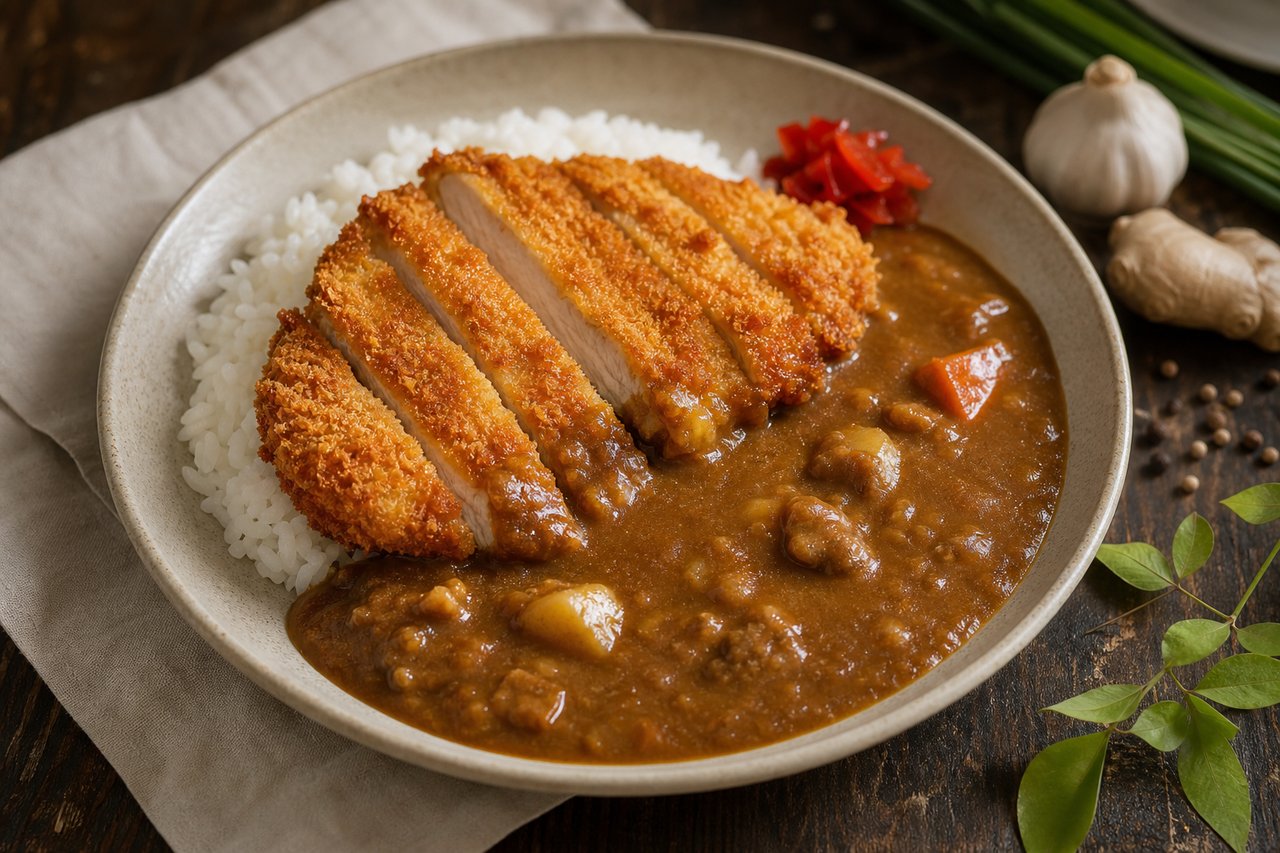
Chicken Katsu Curry
Crisp panko-crusted chicken cutlet over rice, blanketed in a glossy, lightly sweet Japanese curry sauce.
Korean
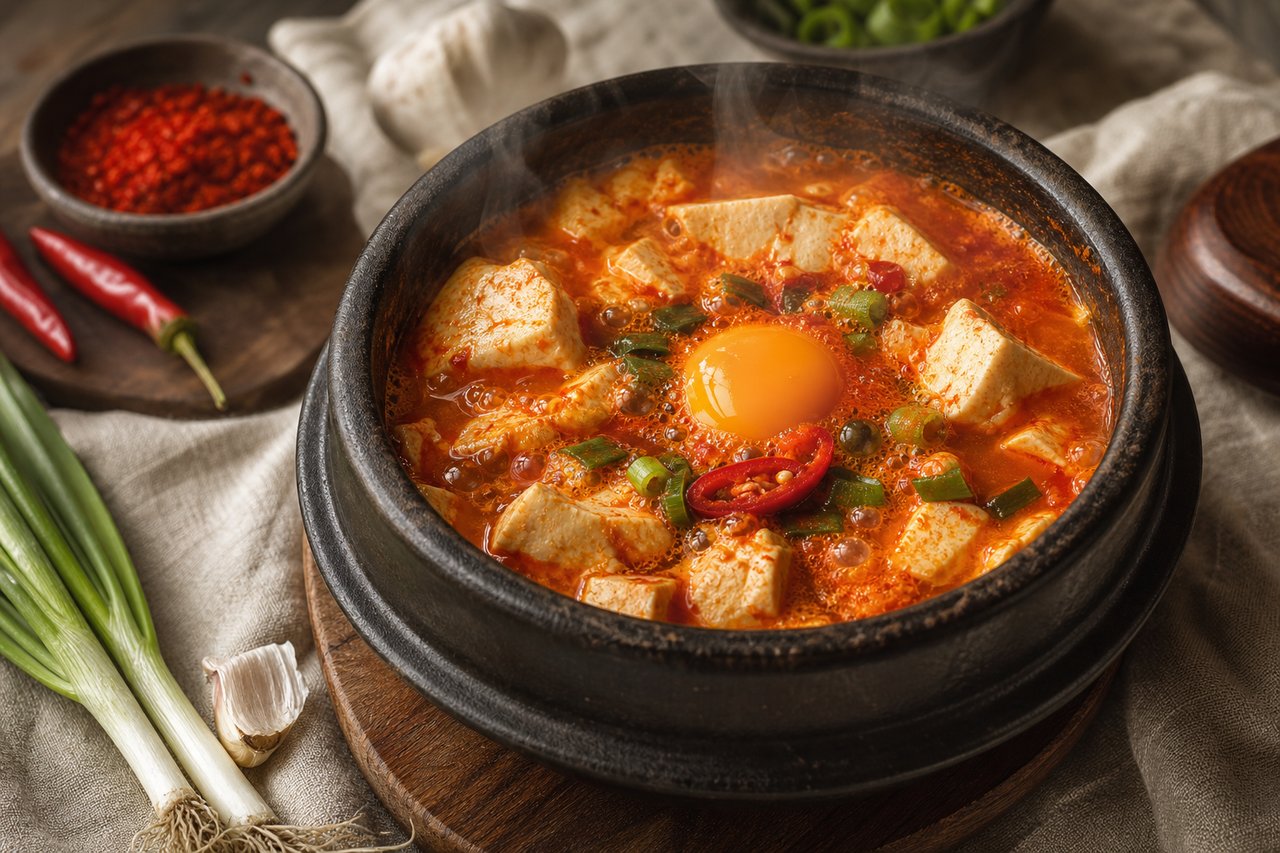
Sundubu Jjigae
A fiery, silky Korean soft-tofu stew built on a fragrant gochugaru-and-garlic chilli oil base, finished with uncurdled tofu and a raw egg cracked in at
Thai
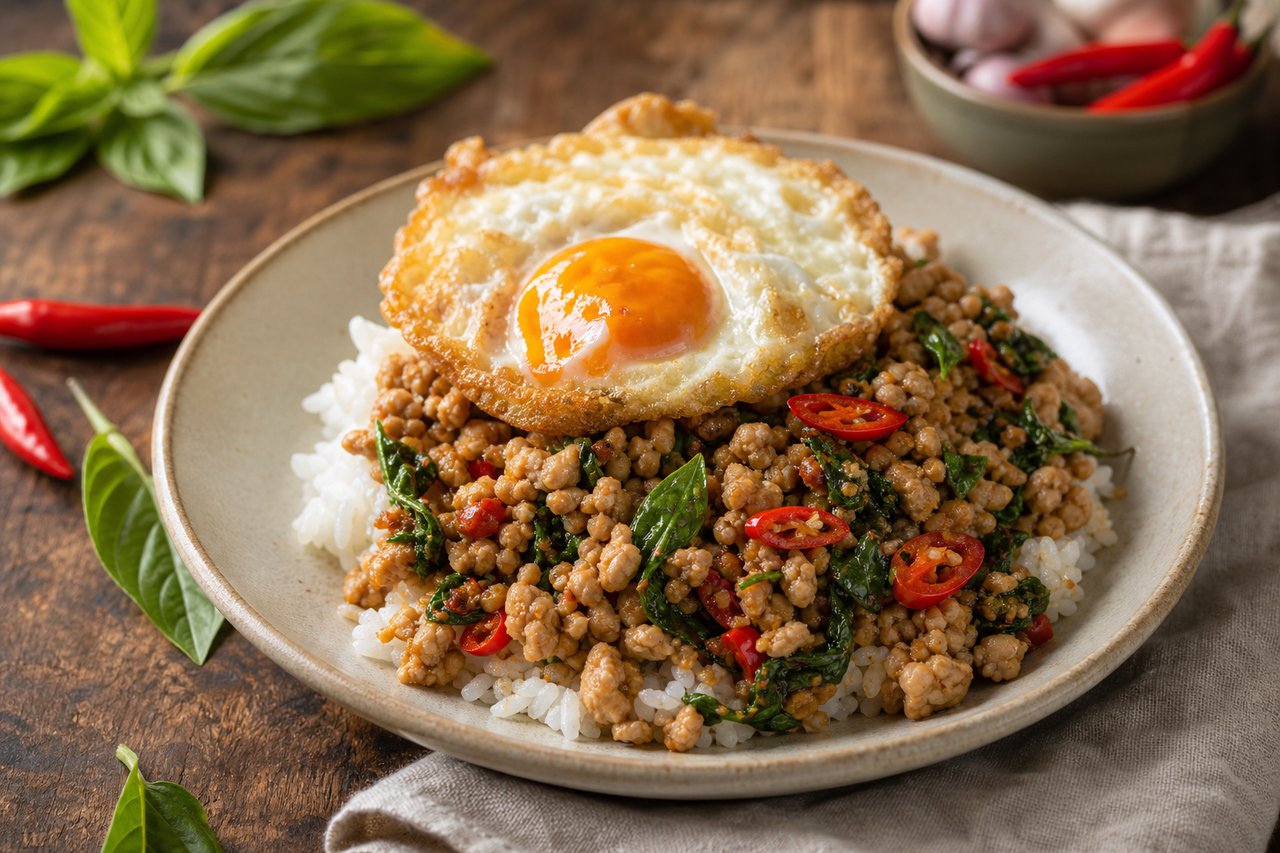
Pad Krapow Gai (Thai Holy Basil Chicken)
The fast, fiery street-food stir-fry of minced chicken with garlic, chilli and holy basil, served over rice with a crispy fried egg.
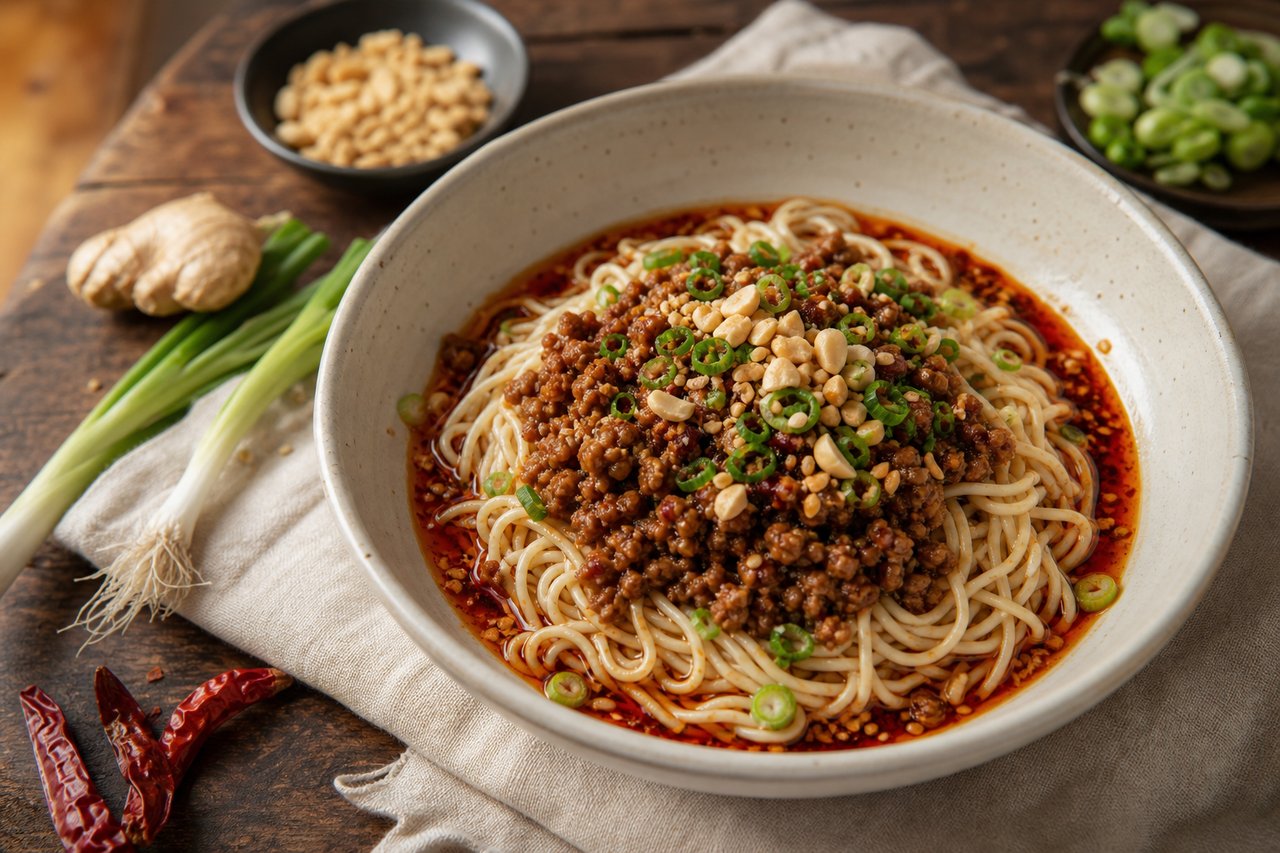
Chinese
Dan Dan Noodles
Springy wheat noodles over a numbing-spicy sauce of sesame paste, chilli oil and Sichuan peppercorn, topped with crisp minced pork and preserved vegetable.
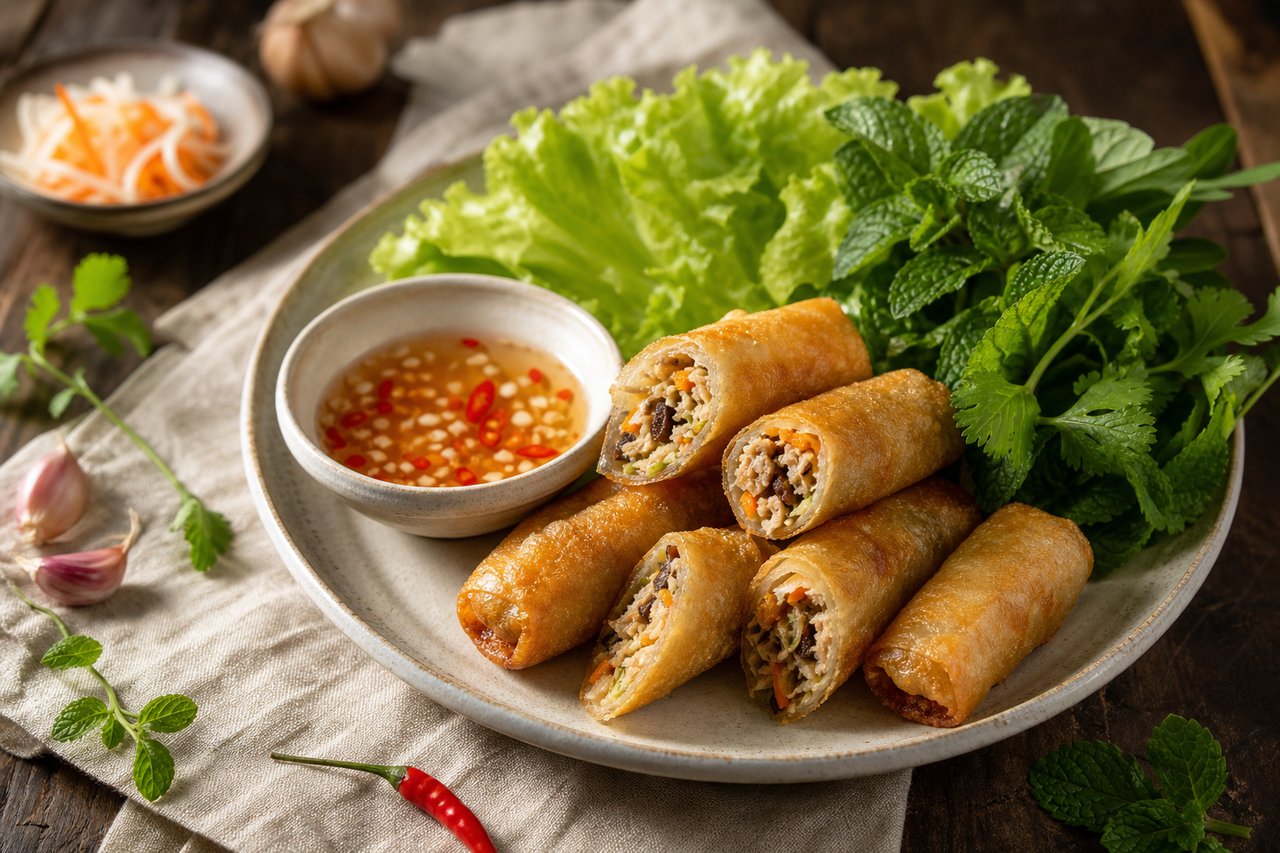
Vietnamese
Cha Gio — Crispy Vietnamese Fried Spring Rolls
Shatteringly crisp Vietnamese spring rolls with a pork and shrimp filling, wrapped in rice paper and served with herbs and nuoc cham.
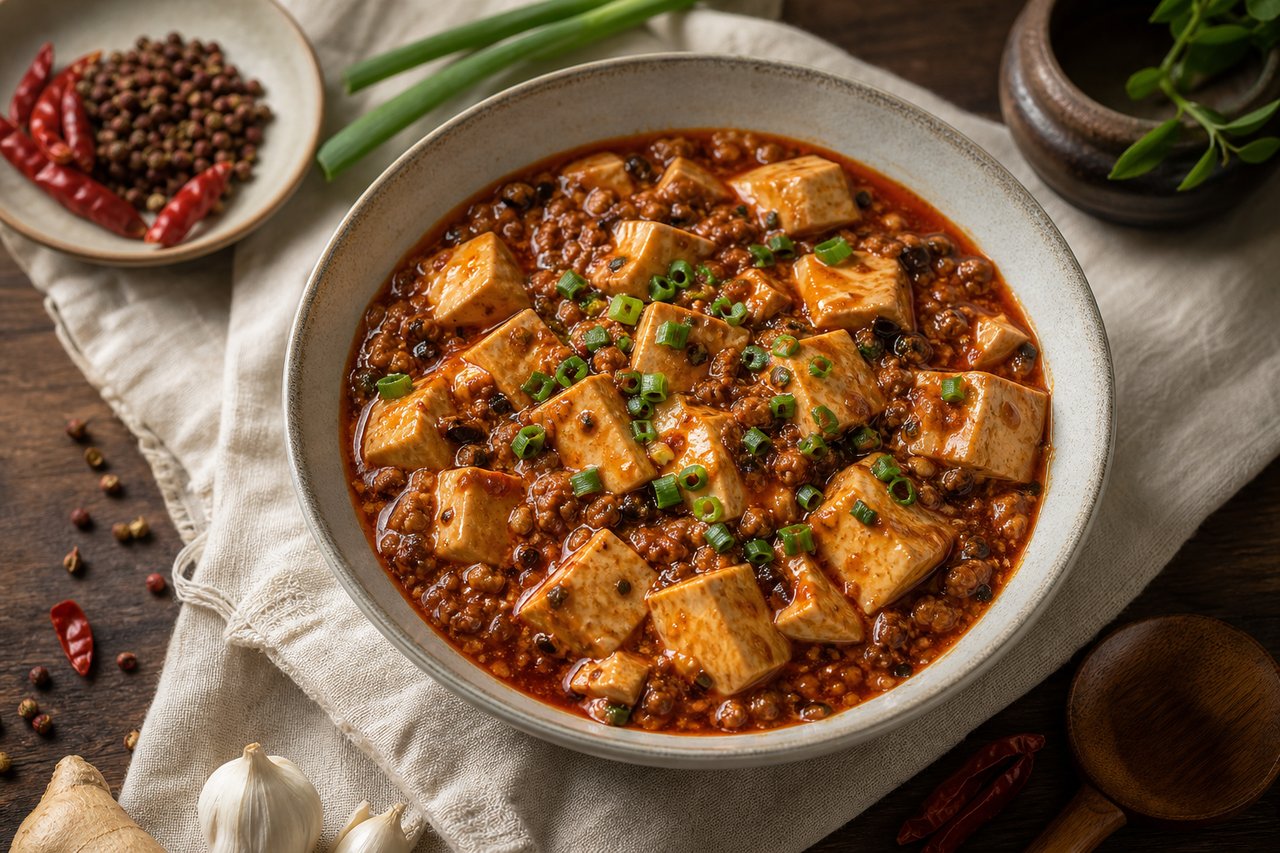
Chinese
Mapo Tofu
Silky tofu and minced pork in a glossy, numbing-hot Sichuan sauce built on doubanjiang and ground Sichuan peppercorn — a fast, deeply savoury weeknight classic.
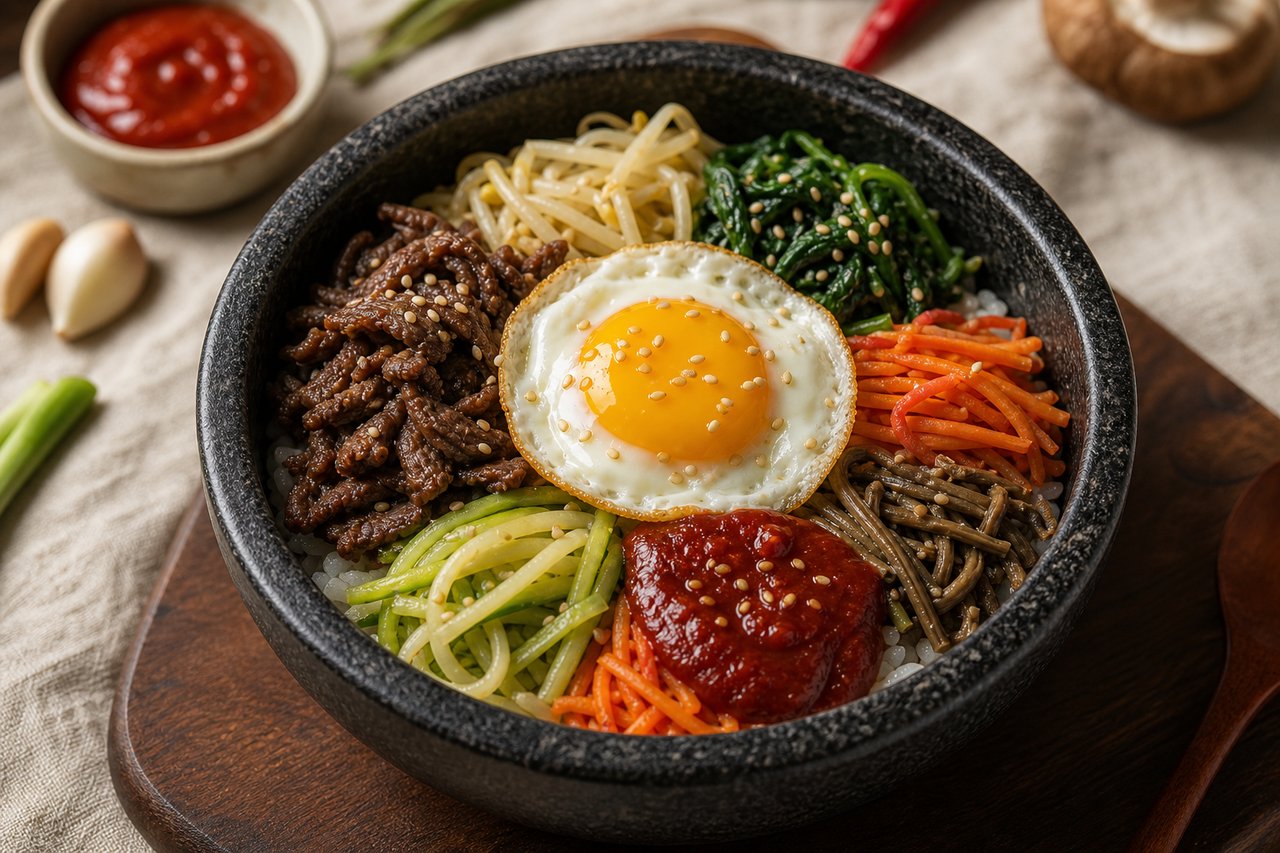
Korean
Bibimbap
A bowl of warm rice crowned with seasoned vegetables, beef and a fried egg, all bound together with a sweet-savoury gochujang sauce and a slick of sesame oil.
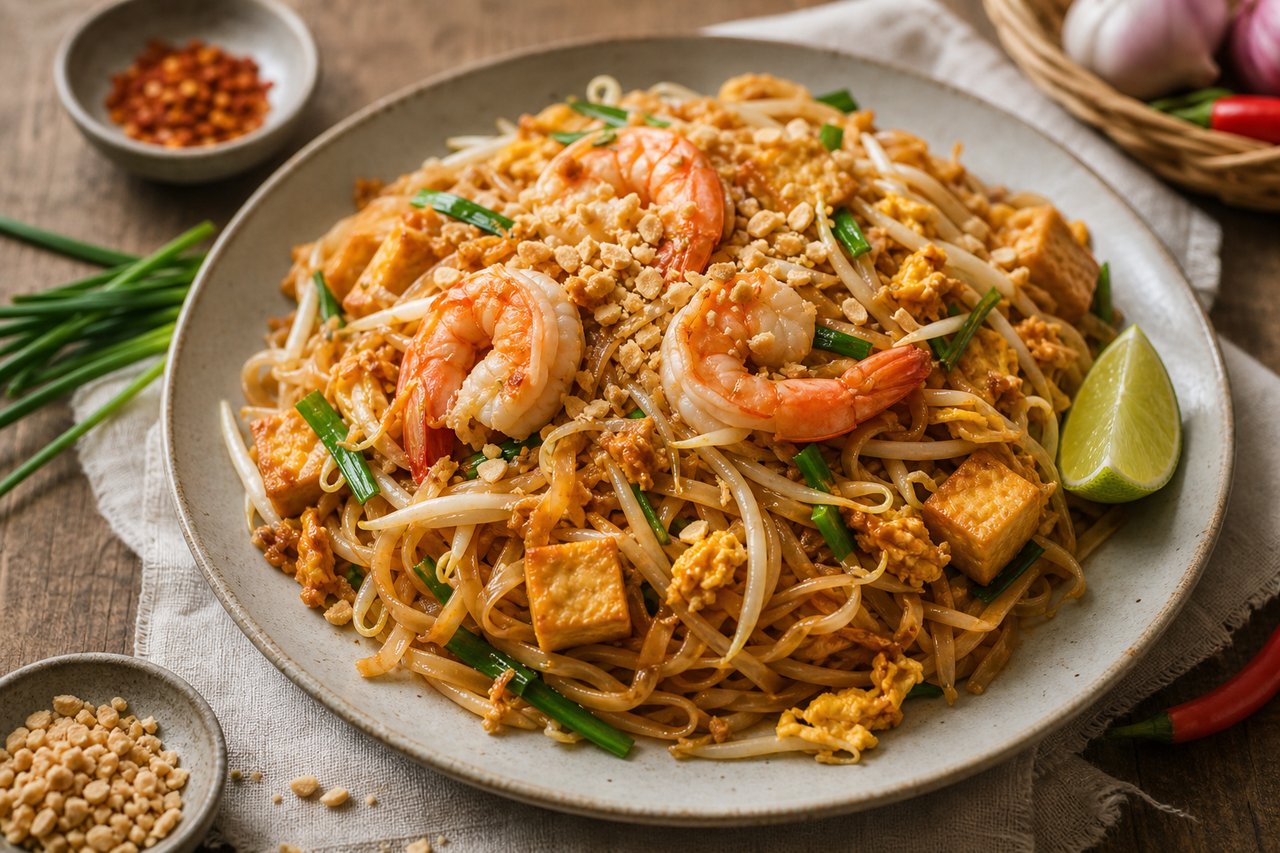
Thai
Pad Thai
Stir-fried rice noodles balanced on tamarind, fish sauce and palm sugar, with prawns, egg, tofu and a crunch of peanuts — the four-flavour classic in noodle
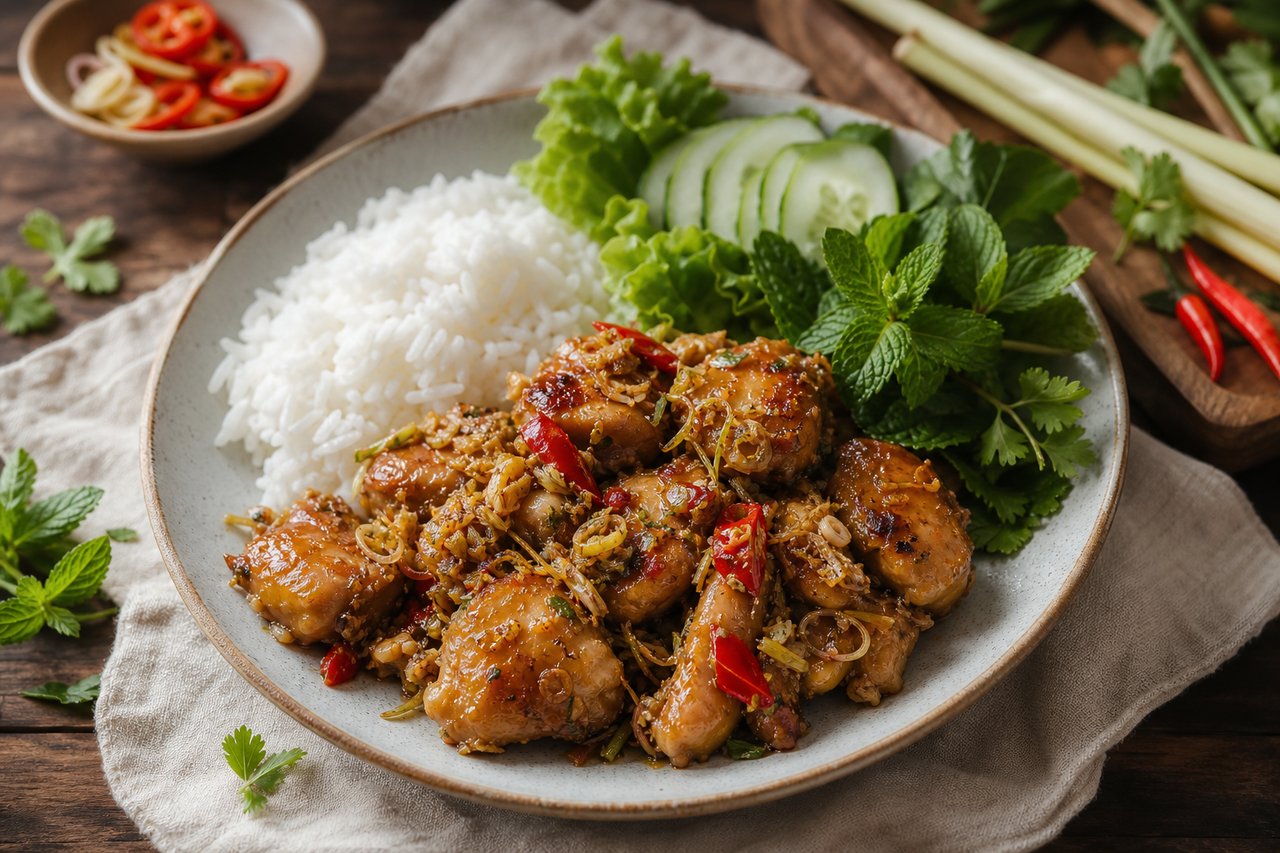
Vietnamese
Vietnamese Lemongrass Chicken (Ga Xao Sa Ot)
Quick stir-fried chicken in a fragrant lemongrass, garlic and chilli marinade with a savoury fish-sauce glaze — a bright, aromatic weeknight dish over rice.
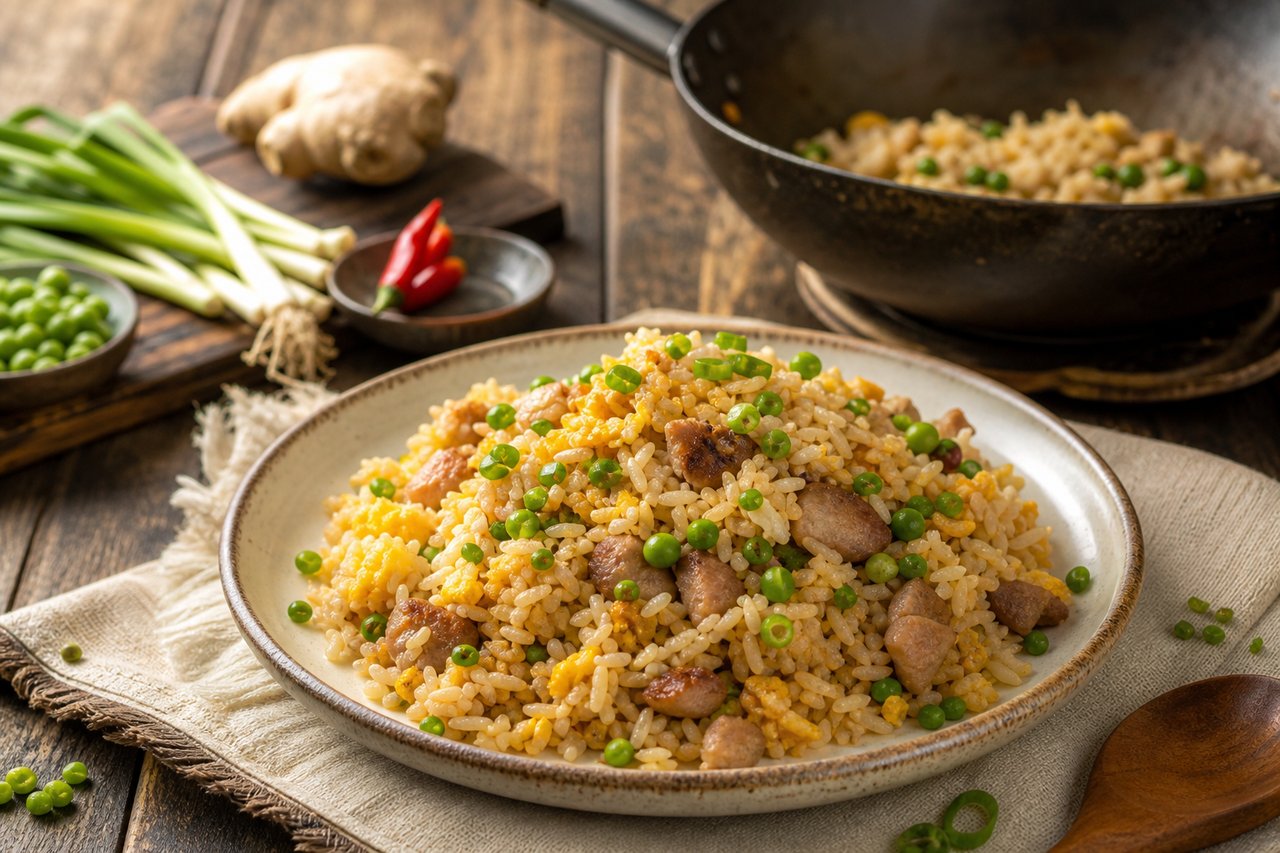
Chinese
Pork Fried Rice
Day-old rice fried hot and fast with pork, egg and spring onion — the classic way to turn leftovers into a fast, savoury, restaurant-style one-wok meal.
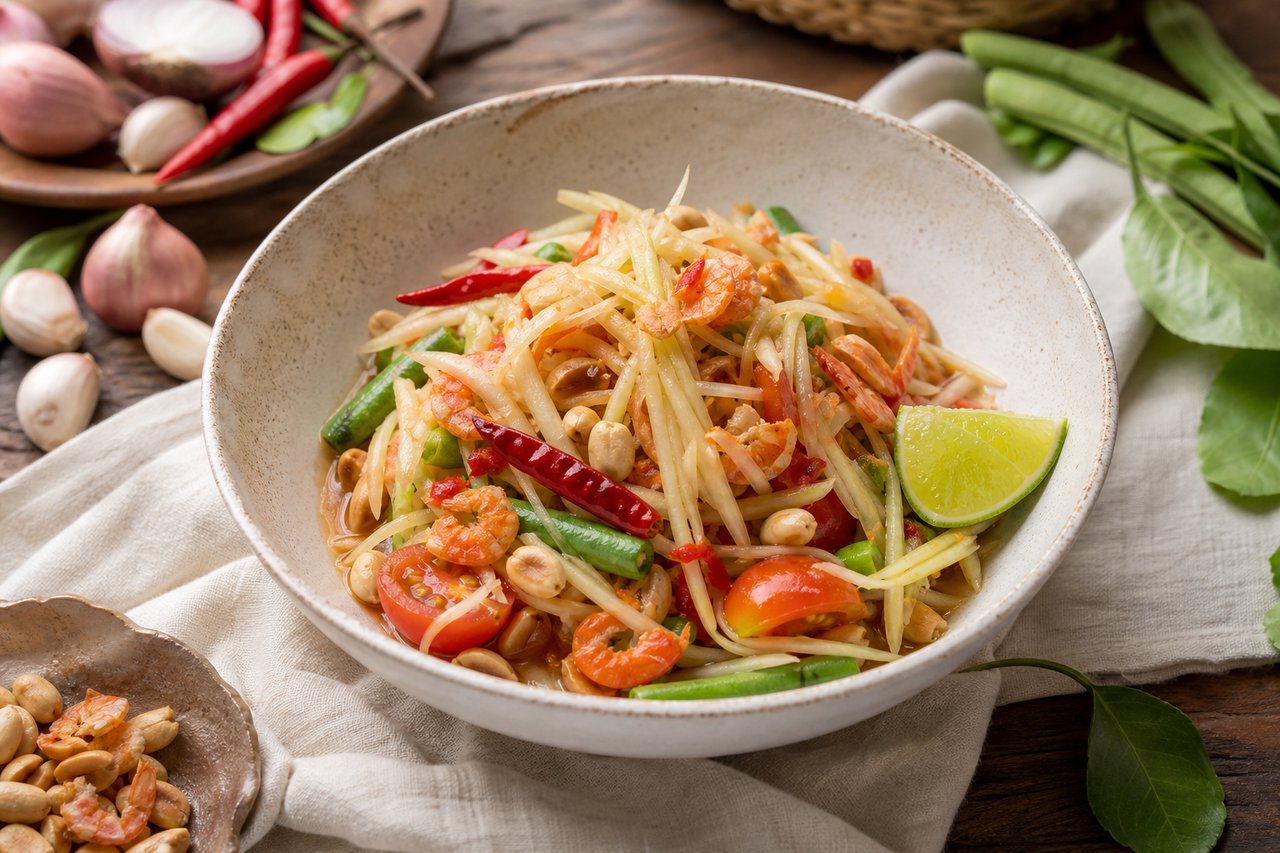
Thai
Som Tam — Thai Green Papaya Salad
Shredded green papaya pounded with lime, chilli, fish sauce and palm sugar — the bracing, crunchy salad at the heart of northeastern Thai food.
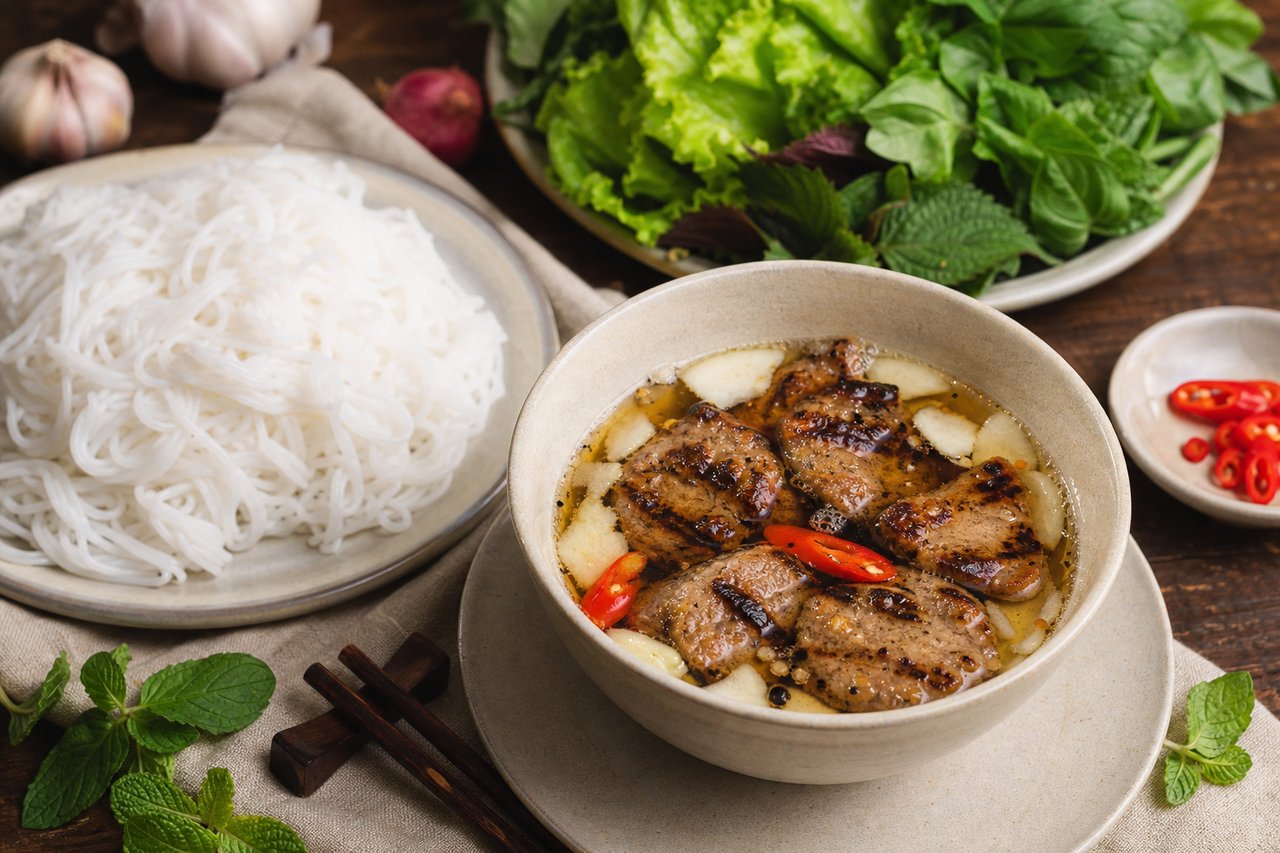
Vietnamese
Bun Cha (Grilled Pork with Rice Noodles)
Smoky, caramelised grilled pork patties and belly served in a warm, sweet-and-sour dipping broth with cold rice vermicelli and a heap of fresh herbs
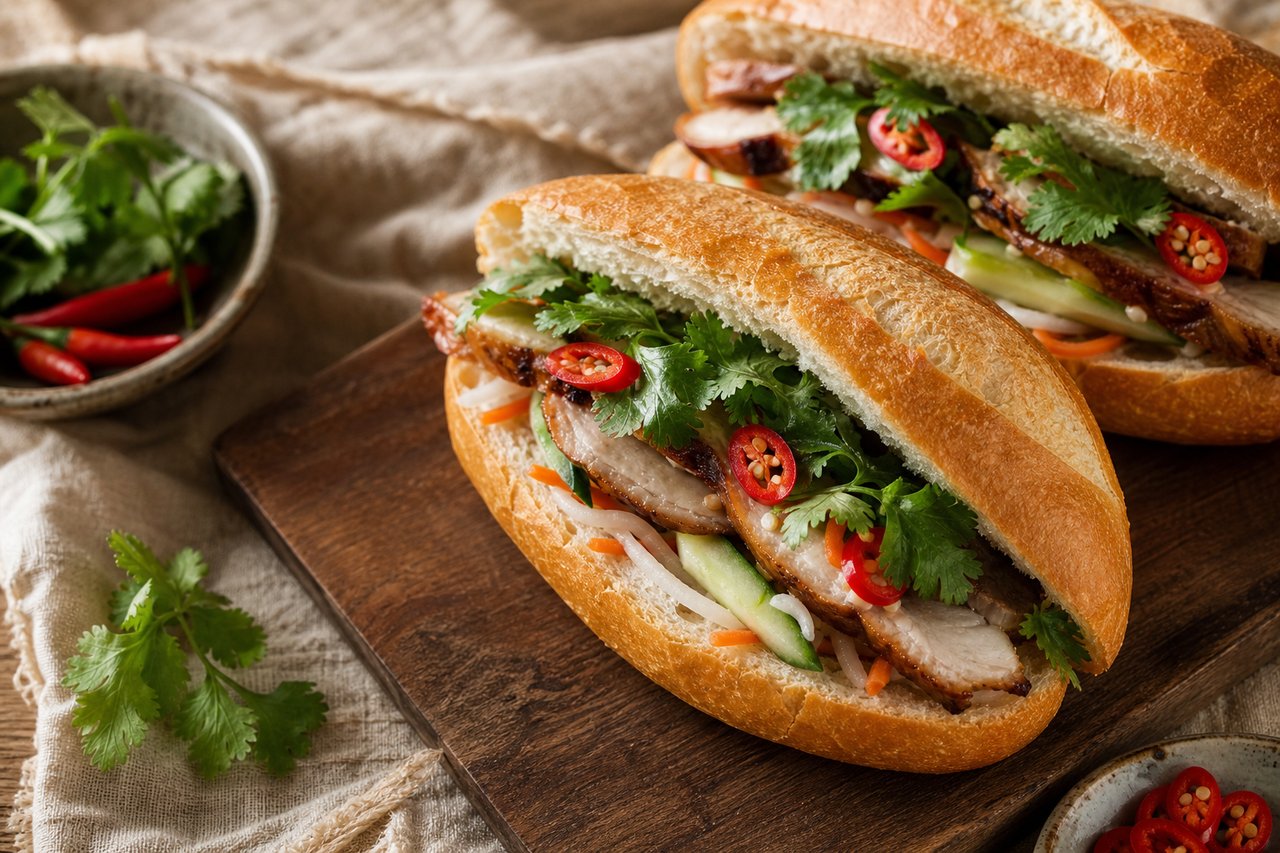
Vietnamese
Banh Mi (Vietnamese Pork Sandwich)
A shatteringly crisp baguette filled with savoury pork, quick-pickled carrot and daikon, cucumber, coriander and chilli — the four-taste balance in a sandwich.
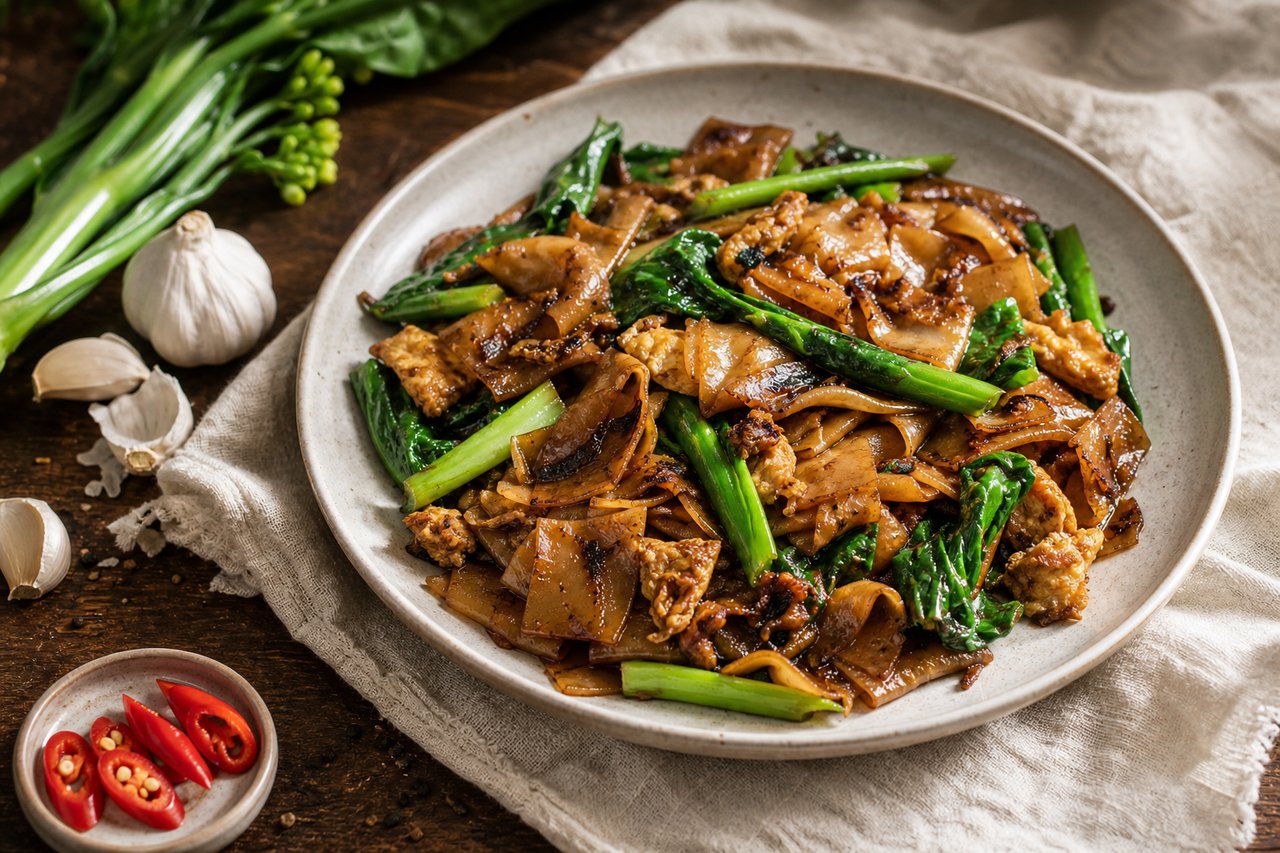
Thai
Pad See Ew — Thai Stir-Fried Wide Rice Noodles
Wide rice noodles charred in a hot wok with dark soy, egg and Chinese broccoli — smoky, savoury and lightly sweet Thai comfort food.
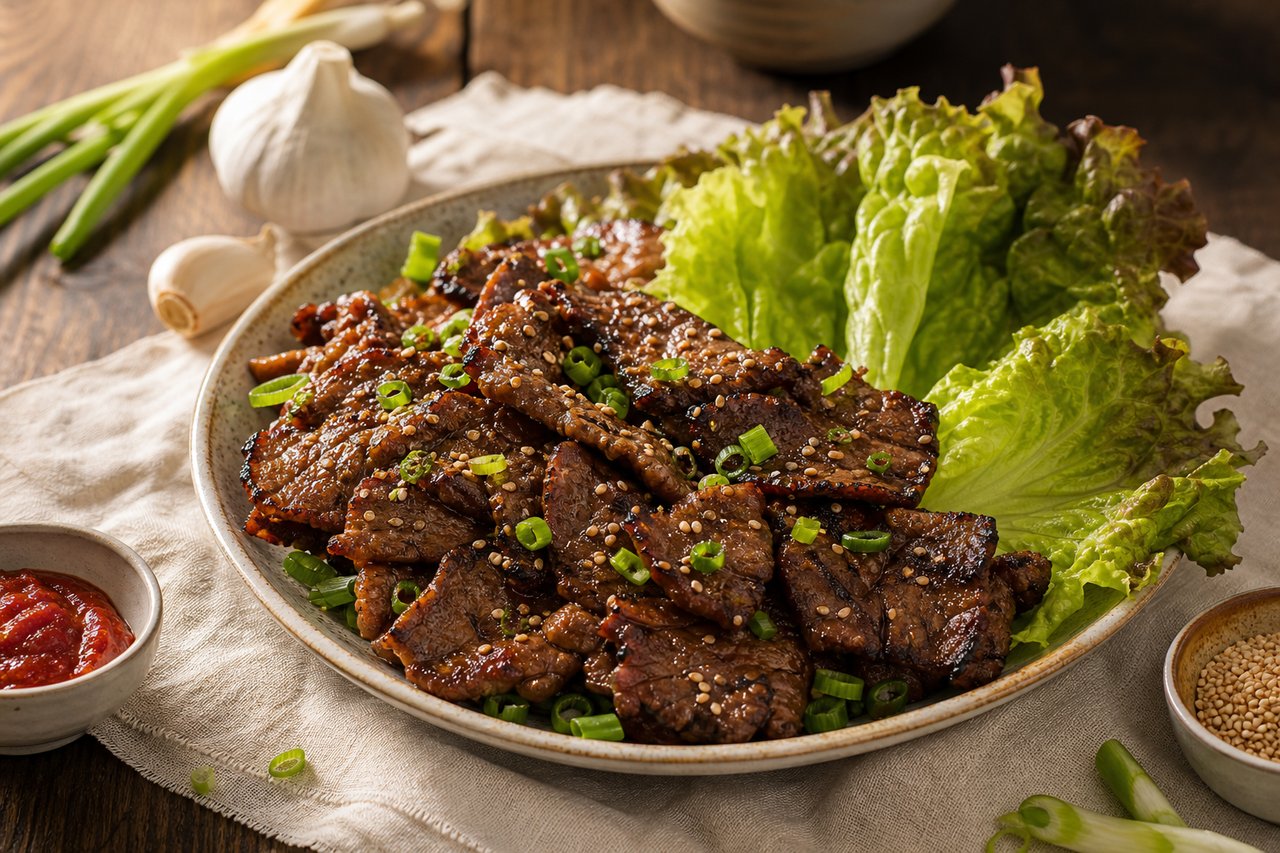
Korean
Bulgogi
Thin slices of beef marinated in a sweet-savoury soy, garlic, sesame and grated-pear marinade, then seared hard and fast — the most loved of Korea's grilled
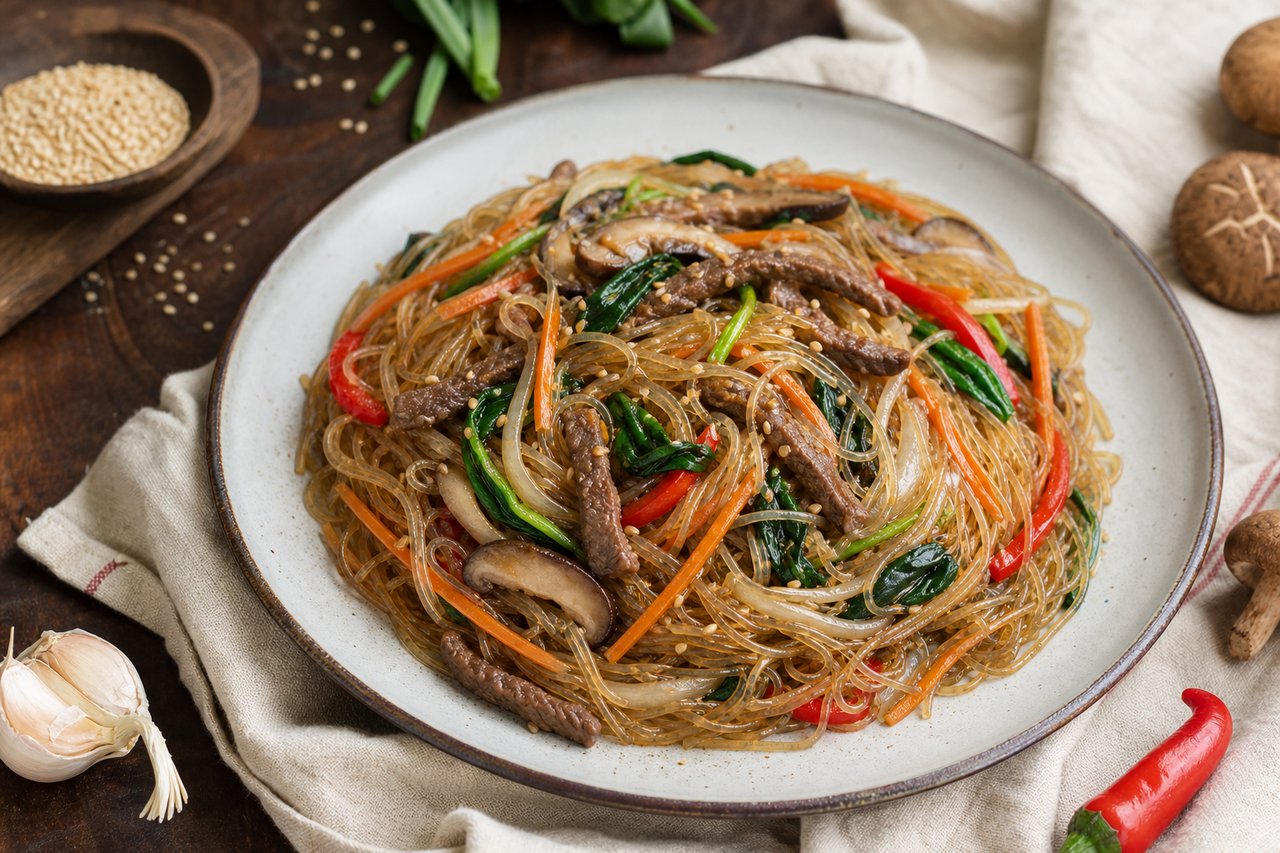
Korean
Japchae
Glassy sweet-potato noodles tossed with beef and a rainbow of seasoned vegetables in a savoury-sweet soy and sesame dressing — Korea's beloved celebration
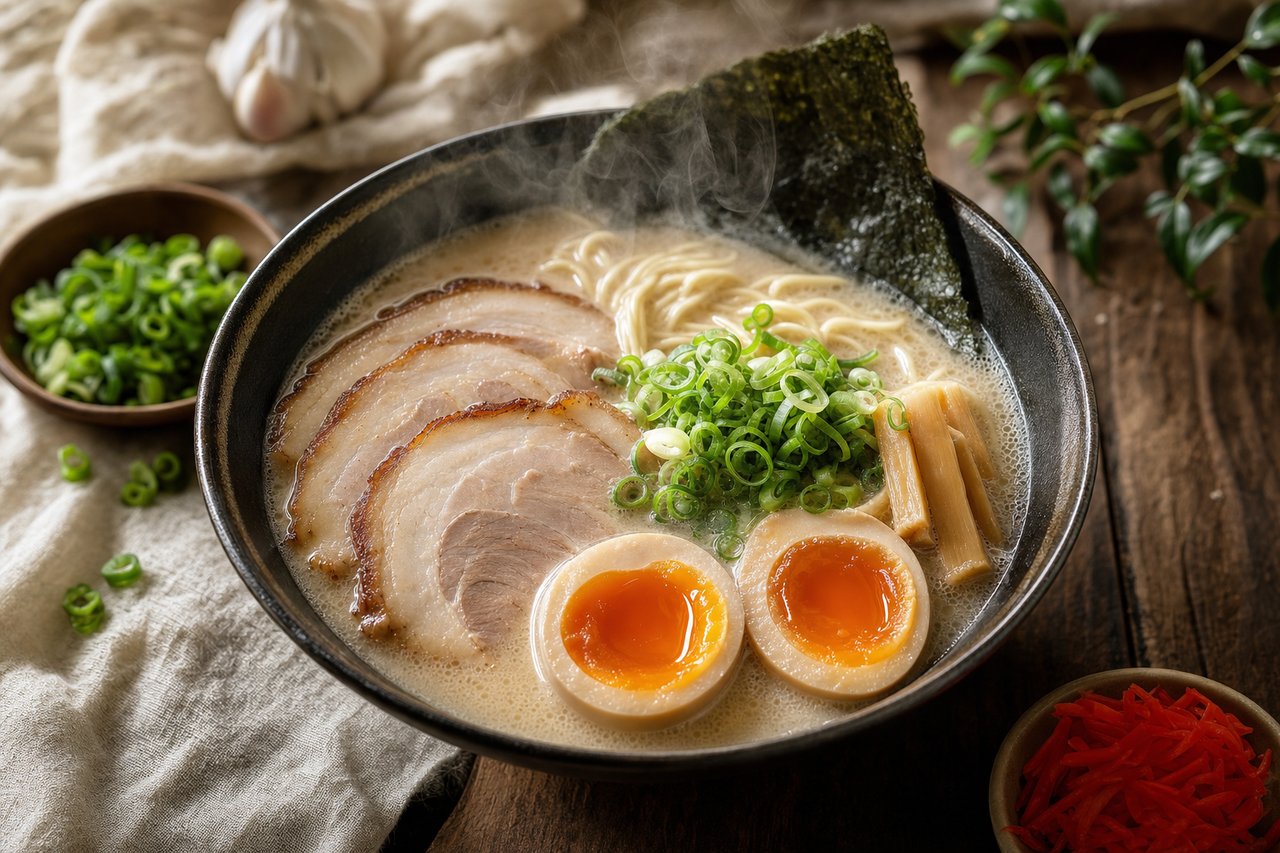
Japanese & Ramen
Tonkotsu Ramen from Scratch
A milky, collagen-rich pork-bone broth with springy noodles, chashu and a soft-set egg — the weekend ramen worth the wait.
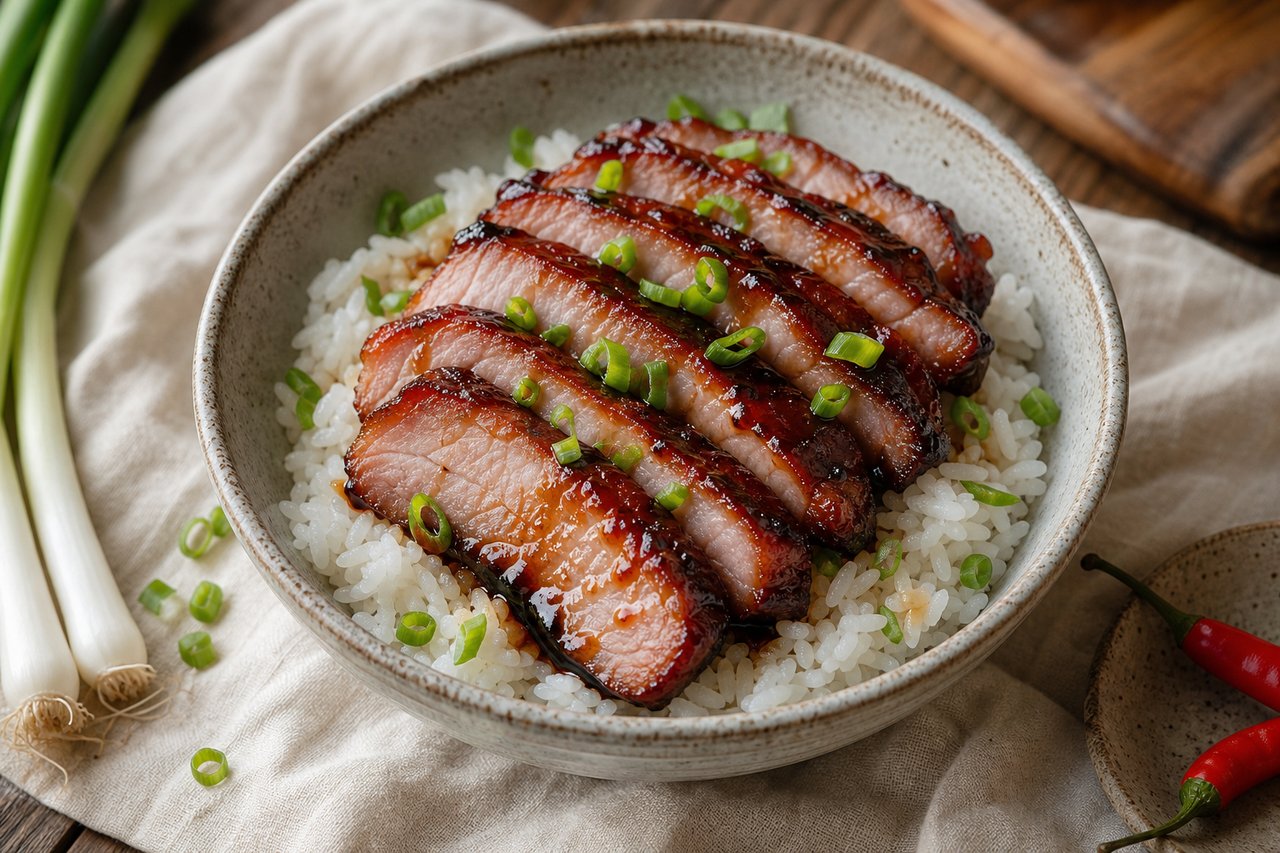
Chinese
Char Siu — Chinese BBQ Glazed Pork
Sticky, mahogany-glazed Cantonese roast pork with a sweet-savoury marinade and a honey lacquer, made in a home oven.
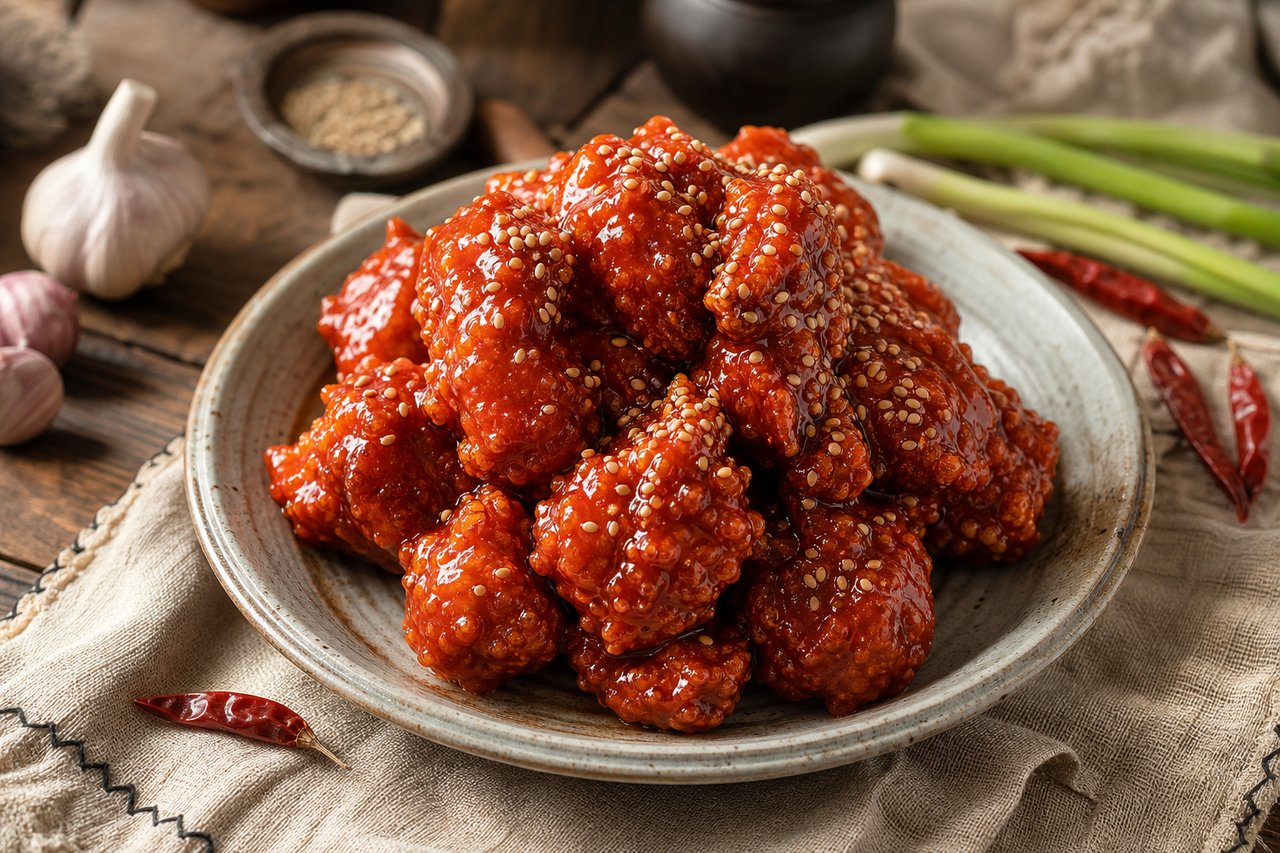
Korean
Korean Fried Chicken
Double-fried for a shatteringly thin, glassy crust that stays crisp under a sticky-sweet gochujang glaze — the famous Korean take on fried chicken, made at
See also the Asian pantry guide for more on stocking these ingredients.