Cook with
Recipes with Pork
Belly, mince or shoulder — the backbone of ramen, dumplings and char siu.
Pork is the backbone of much of East and Southeast Asian cooking — endlessly adaptable, generous with fat where it counts, and able to swing from a quick wok-tossed slice to a glistening, hours-long braise. Few proteins reward technique as clearly, and few cuts differ as much from one another, so choosing the right one is half the battle.
Cuts and forms, and how they cook
Pork belly, with its alternating bands of meat and fat, is prized for braising, roasting and the lacquered slices that crown a noodle bowl. Shoulder, similarly marbled and threaded with connective tissue, turns meltingly tender over slow heat and shreds beautifully. Loin and tenderloin are lean and quick-cooking, best sliced thin for stir-fries or seared whole and rested before slicing. Ribs suit grilling and steaming, where the bone keeps the meat moist and adds flavour. Minced pork, fatty enough to stay juicy, fills dumplings, forms meatballs and dresses noodles with savoury depth. Each cut asks for a method matched to its fat and structure, and choosing wisely is the difference between a dry result and a tender one.
Marinating, braising and other techniques
Pork takes a marinade exceptionally well; a blend of soy, sugar, garlic and warm spices lacquers the surface and caramelises into the burnished crust of char siu. Red-braising — simmering slowly in soy, sugar and aromatics until the liquid reduces to a glaze — transforms belly and shoulder into something silky. Slicing lean cuts against the grain keeps stir-fried pork tender, and a light cornflour coating shields it from fierce heat. For dumplings, the mince is seasoned and sometimes loosened with a little stock so it stays moist as it steams or fries.
Buying, storing and food safety
Look for pork that is pink and firm with white, not yellowing, fat. Keep it cold and tightly wrapped, stored low in the fridge away from ready-to-eat food, and cook or freeze within a couple of days. Whole cuts are safe at 63°C with a short rest and need not be cooked grey throughout, but mince and sausages should reach 71°C. Thaw frozen pork in the fridge, and never refreeze it raw once defrosted. Clean any board, knife or hand that touched raw pork before it meets anything else.
Where it shines
Pork defines some of the most beloved dishes in the region. It is the sweet-savoury, glazed char siu hanging in Cantonese windows, the juicy filling pleated into pork gyoza, and the slow-simmered belly that tops a rich bowl of tonkotsu ramen. Its affinity for fat, sugar and fermented seasonings makes it a natural partner to the bold pantry of Asian cooking. To stock the sauces and aromatics that pork loves most, see the Asian pantry guide.
Pork recipes (14)
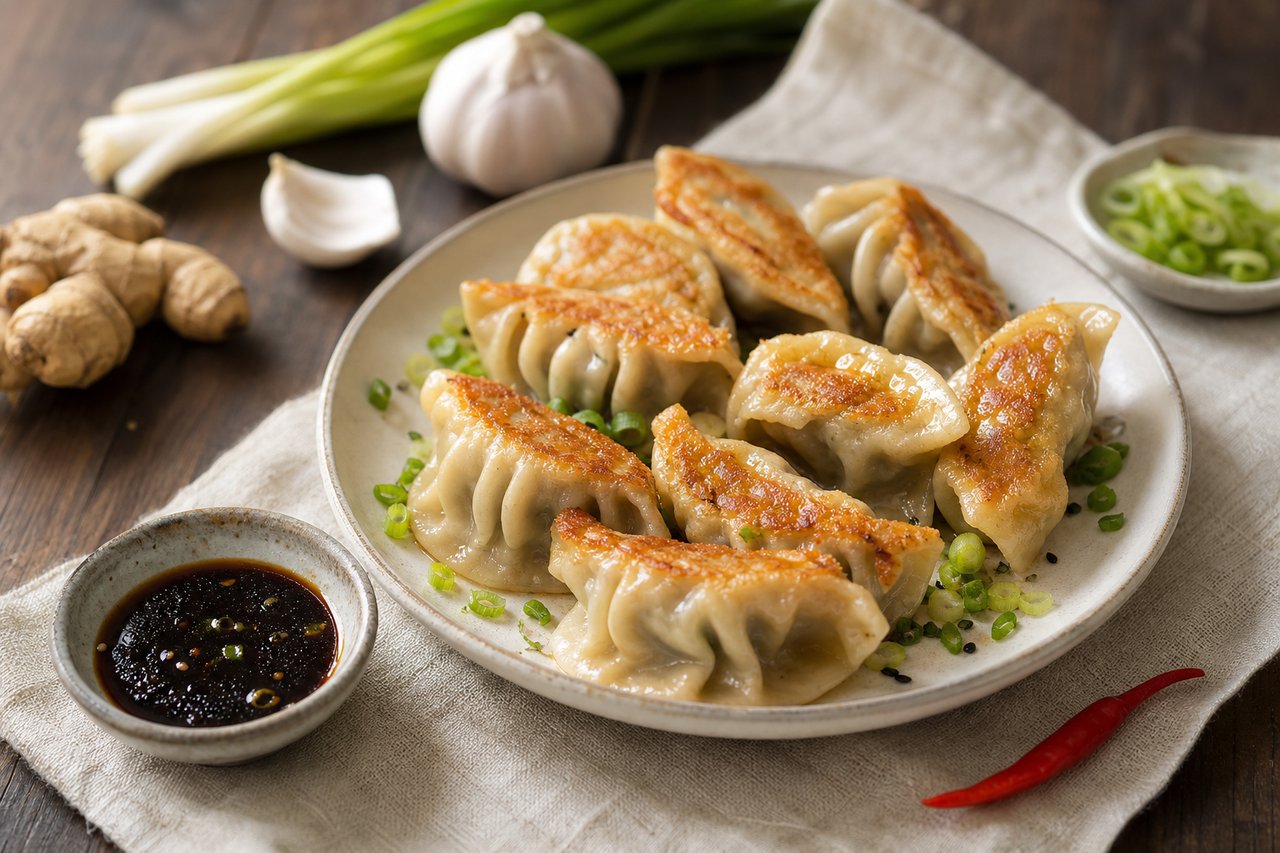
Chinese
Pork Potstickers
Juicy pork-and-cabbage dumplings pan-fried to a crisp golden base then steam-finished — the classic potsticker method, with a simple dipping sauce.
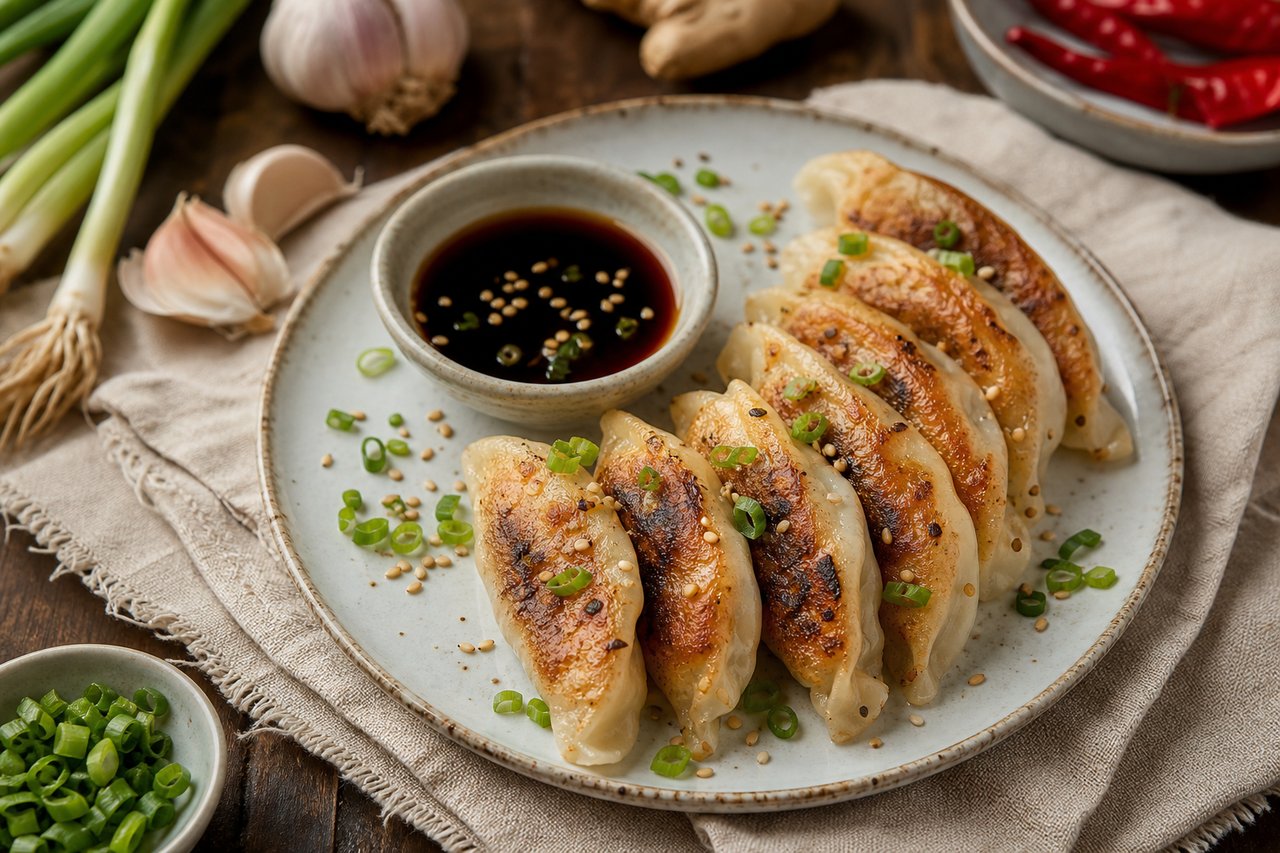
Japanese & Ramen
Pan-Fried Pork Gyoza
Juicy pork-and-cabbage dumplings with a lacy, crisp base and steamed pleated tops — the home version of the izakaya classic.
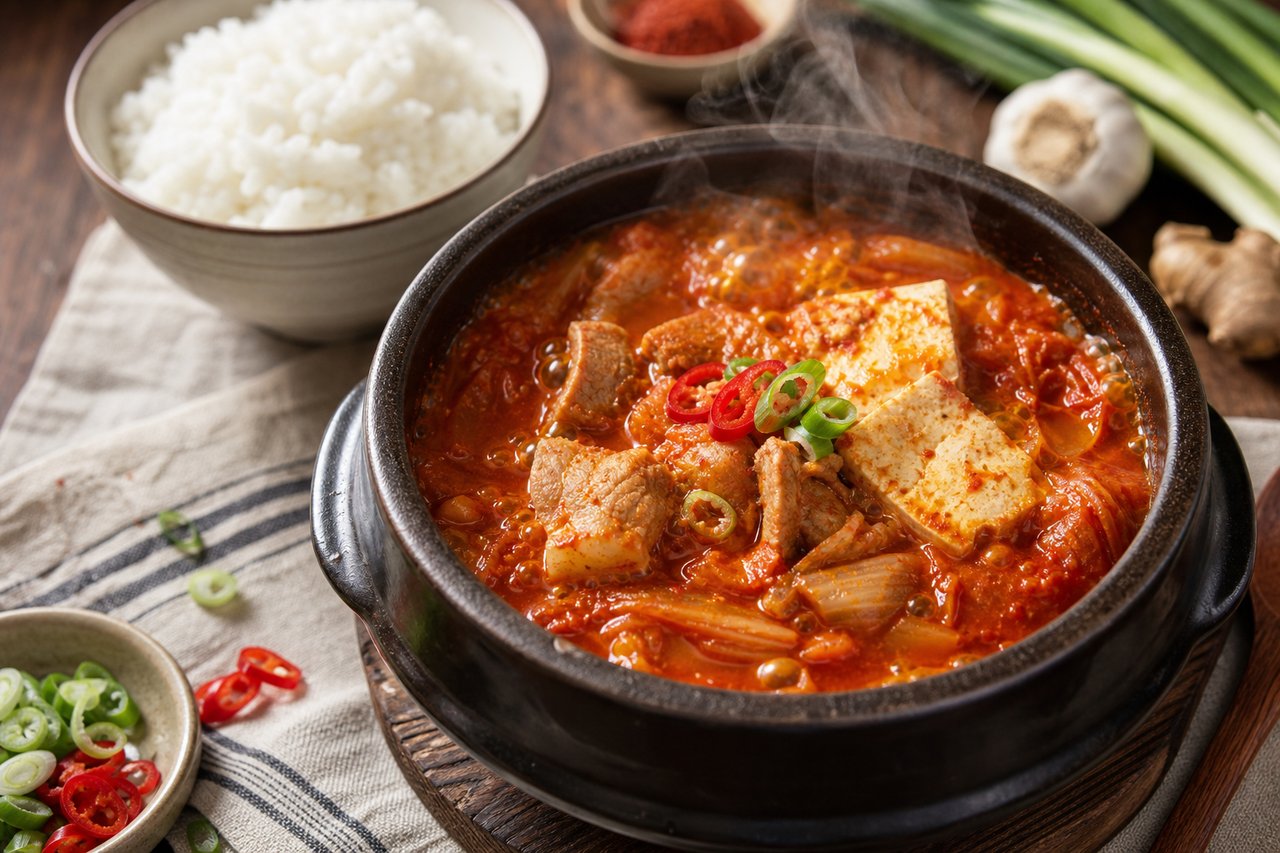
Korean
Kimchi Jjigae
The classic Korean kimchi stew — sour, aged kimchi simmered with pork, tofu and a deep gochugaru broth that tastes like it cooked all day but comes together
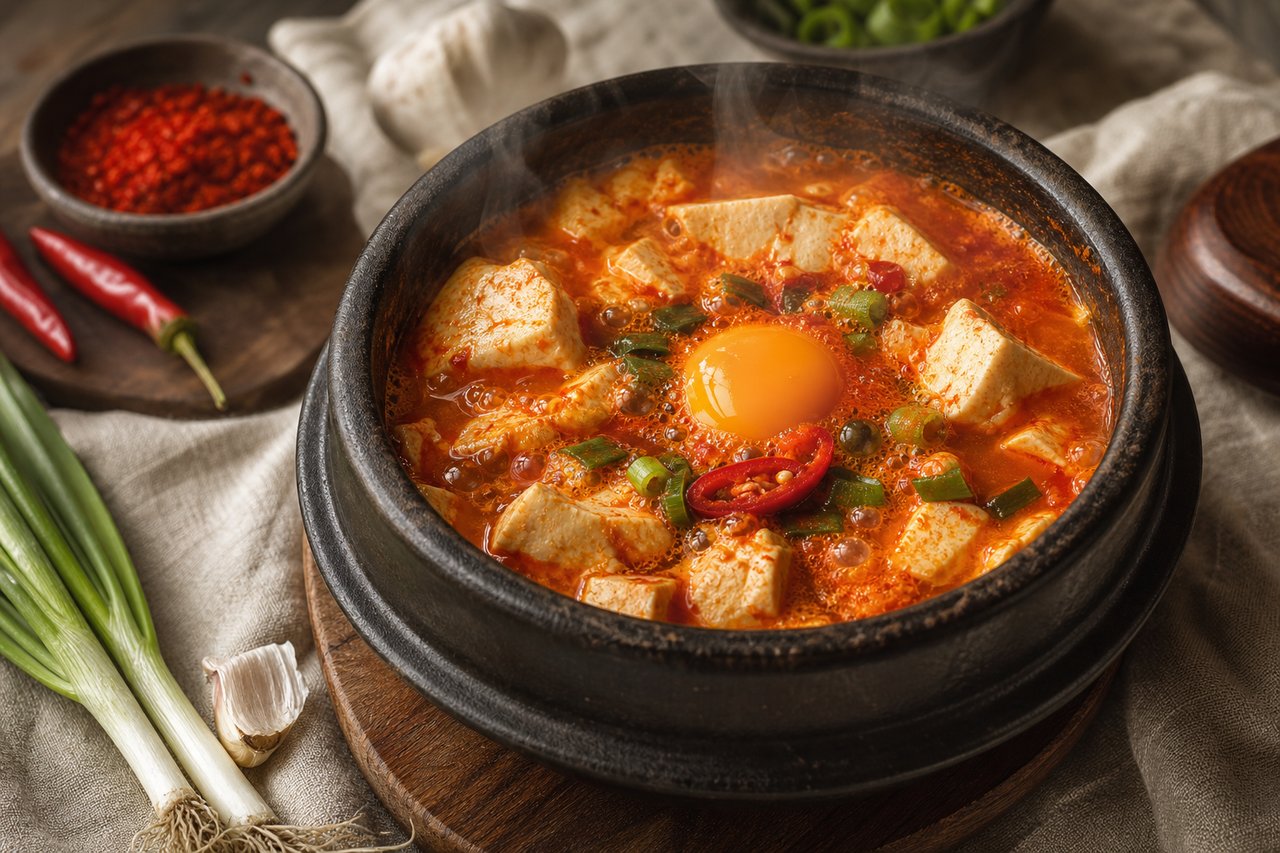
Korean
Sundubu Jjigae
A fiery, silky Korean soft-tofu stew built on a fragrant gochugaru-and-garlic chilli oil base, finished with uncurdled tofu and a raw egg cracked in at
Chinese
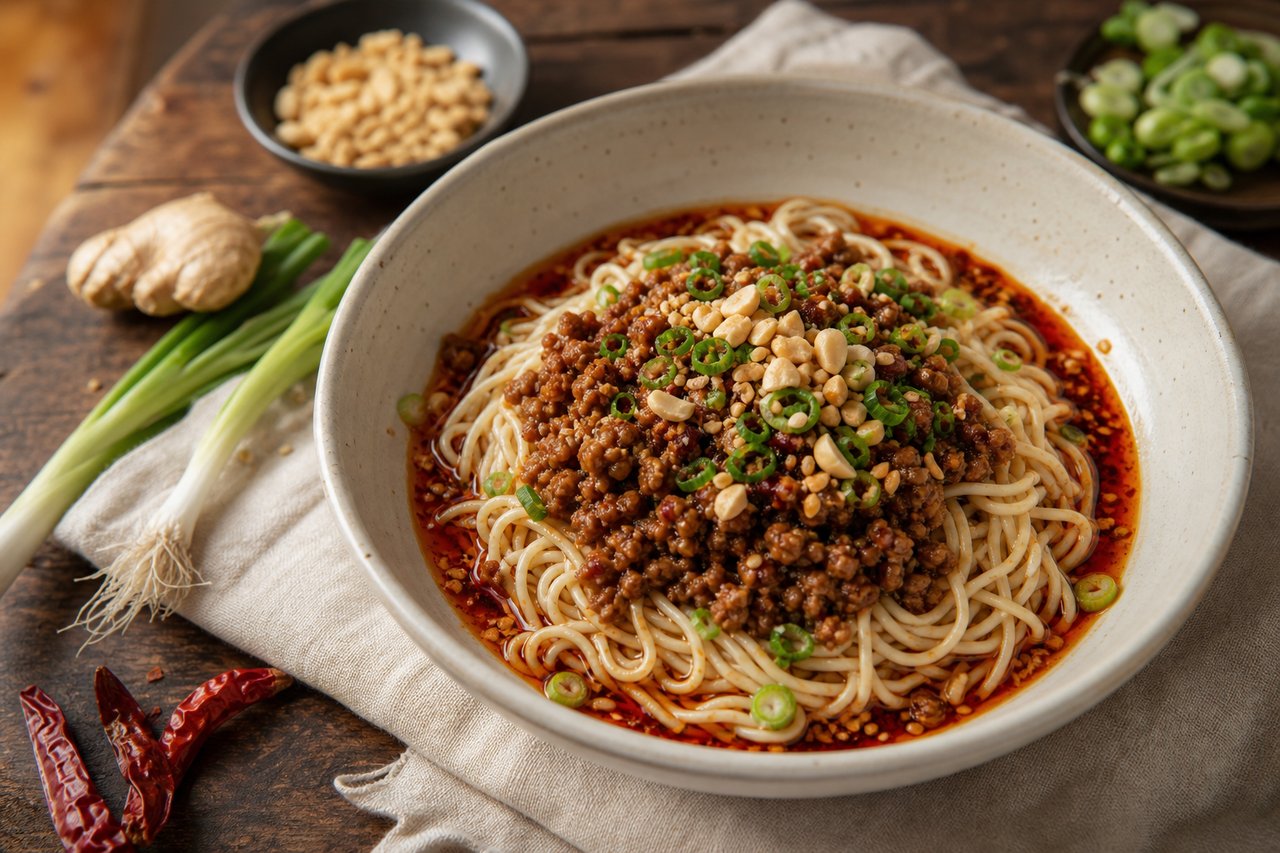
Dan Dan Noodles
Springy wheat noodles over a numbing-spicy sauce of sesame paste, chilli oil and Sichuan peppercorn, topped with crisp minced pork and preserved vegetable.
Vietnamese
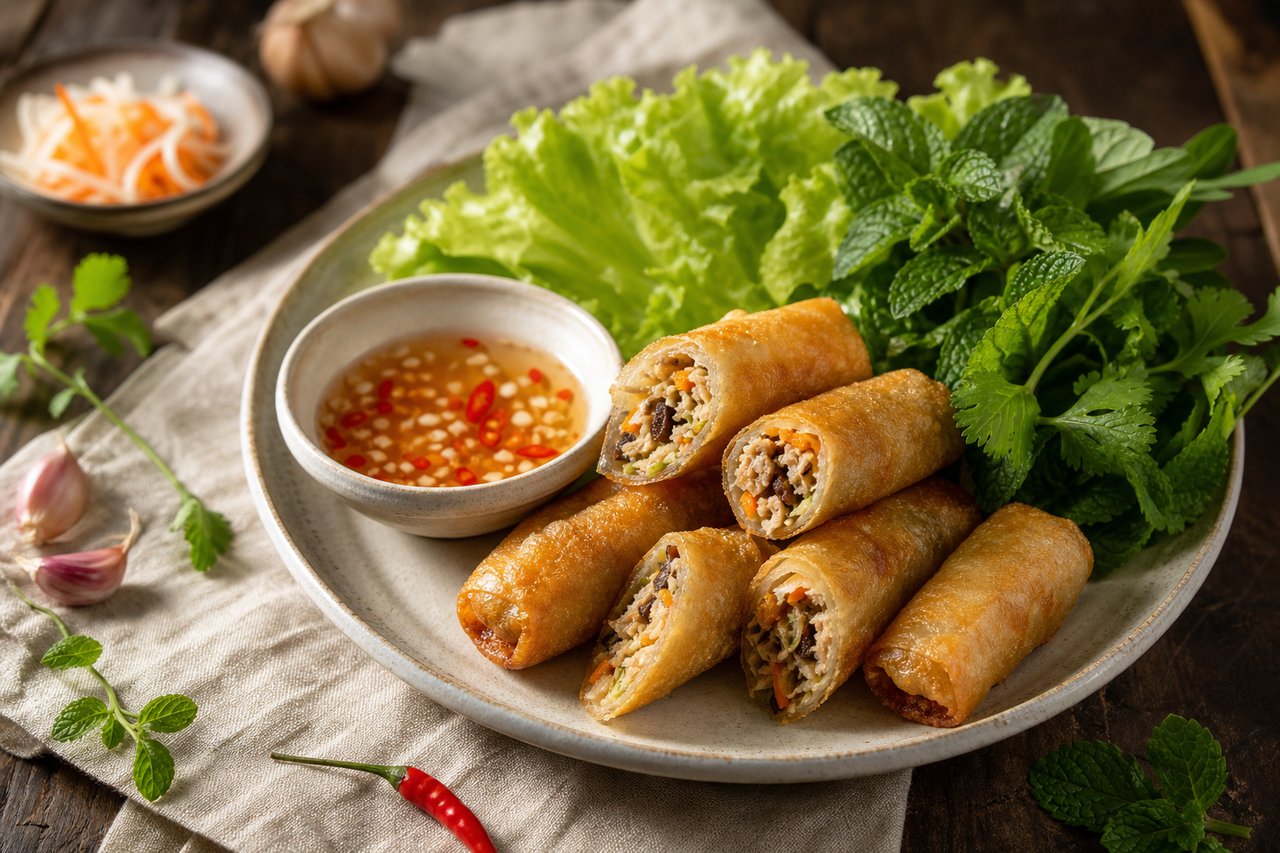
Cha Gio — Crispy Vietnamese Fried Spring Rolls
Shatteringly crisp Vietnamese spring rolls with a pork and shrimp filling, wrapped in rice paper and served with herbs and nuoc cham.
Chinese
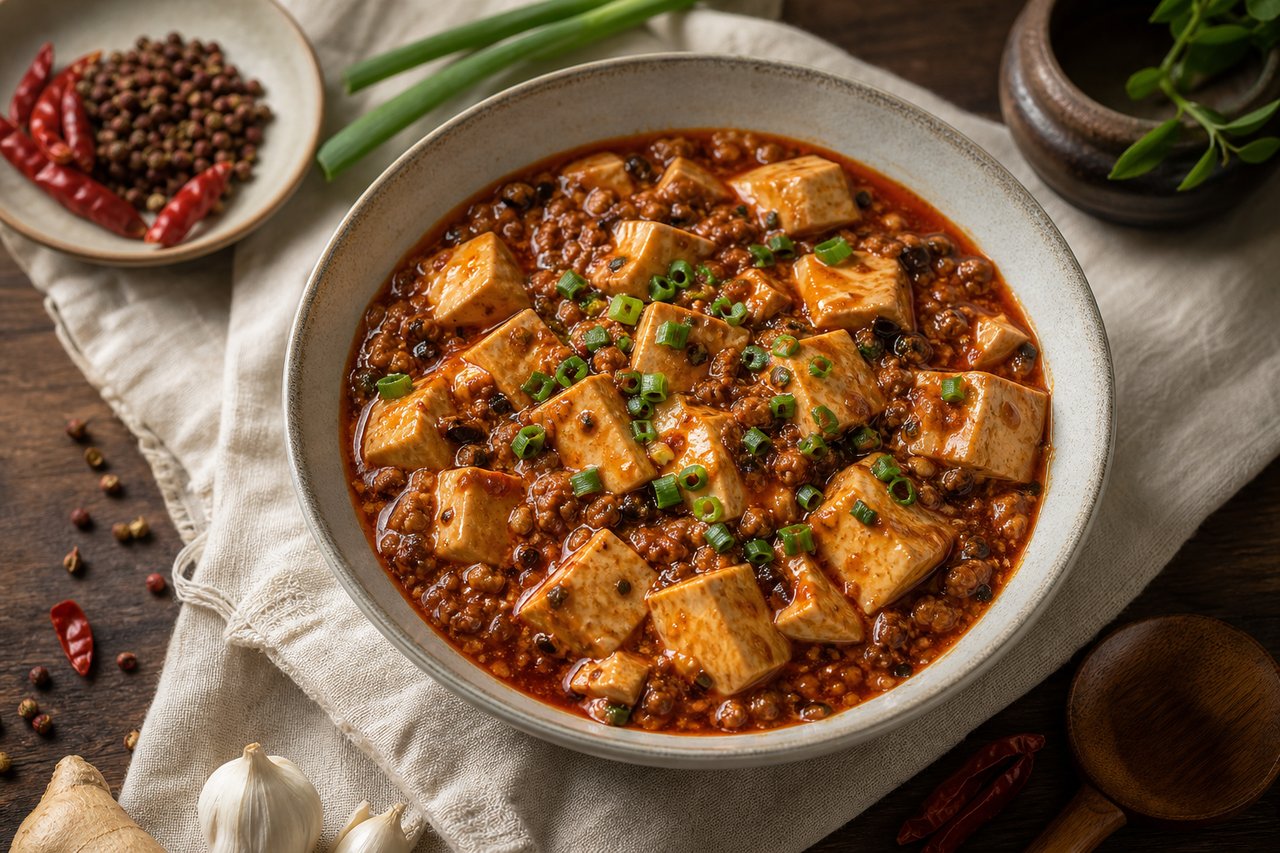
Mapo Tofu
Silky tofu and minced pork in a glossy, numbing-hot Sichuan sauce built on doubanjiang and ground Sichuan peppercorn — a fast, deeply savoury weeknight classic.
Chinese
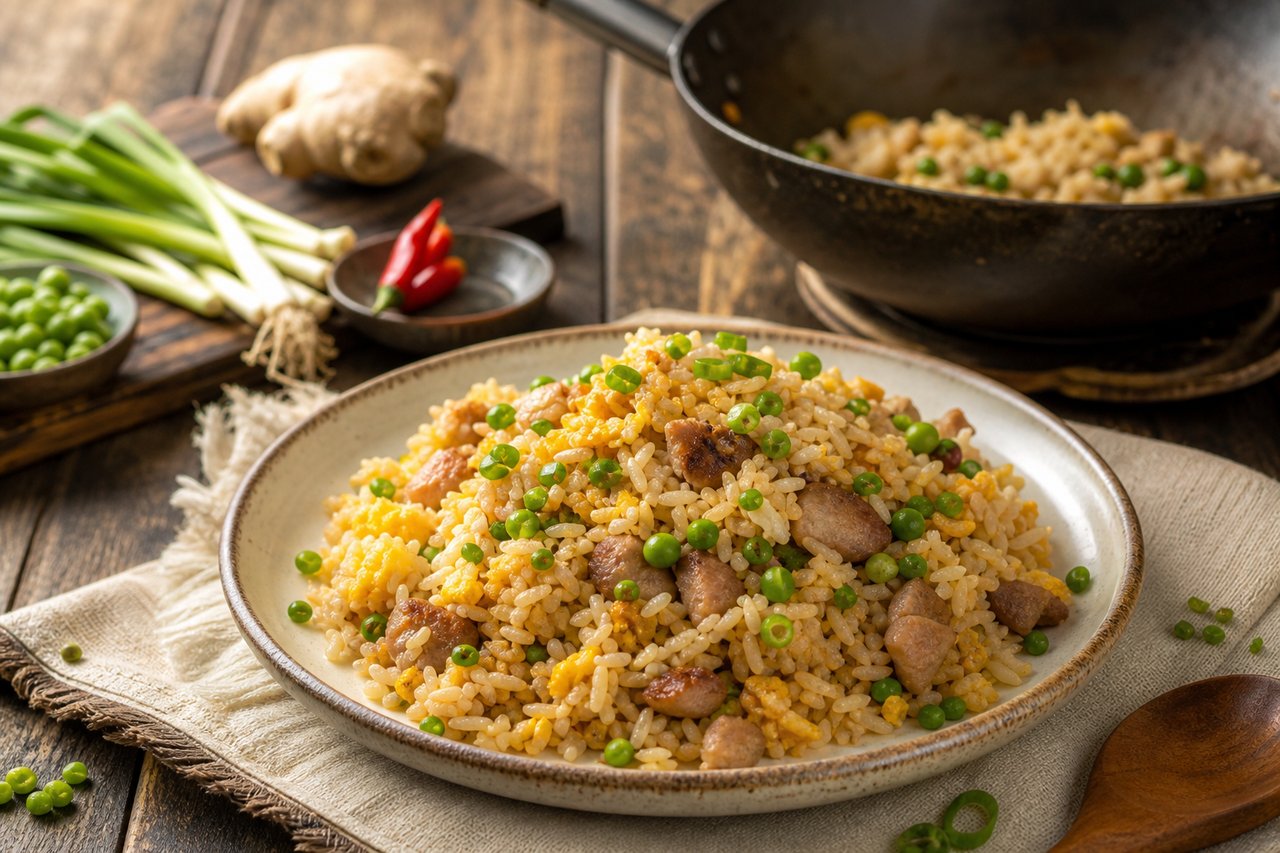
Pork Fried Rice
Day-old rice fried hot and fast with pork, egg and spring onion — the classic way to turn leftovers into a fast, savoury, restaurant-style one-wok meal.
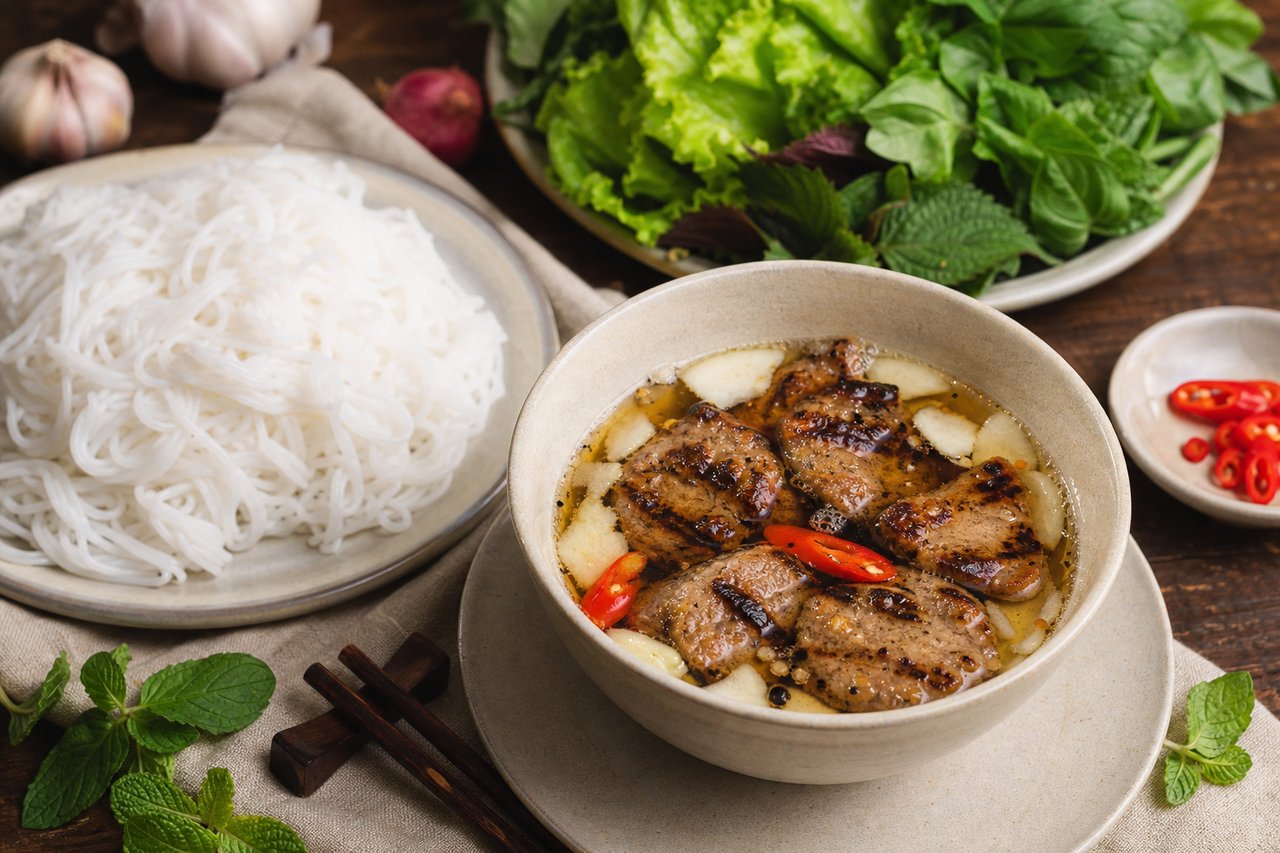
Vietnamese
Bun Cha (Grilled Pork with Rice Noodles)
Smoky, caramelised grilled pork patties and belly served in a warm, sweet-and-sour dipping broth with cold rice vermicelli and a heap of fresh herbs
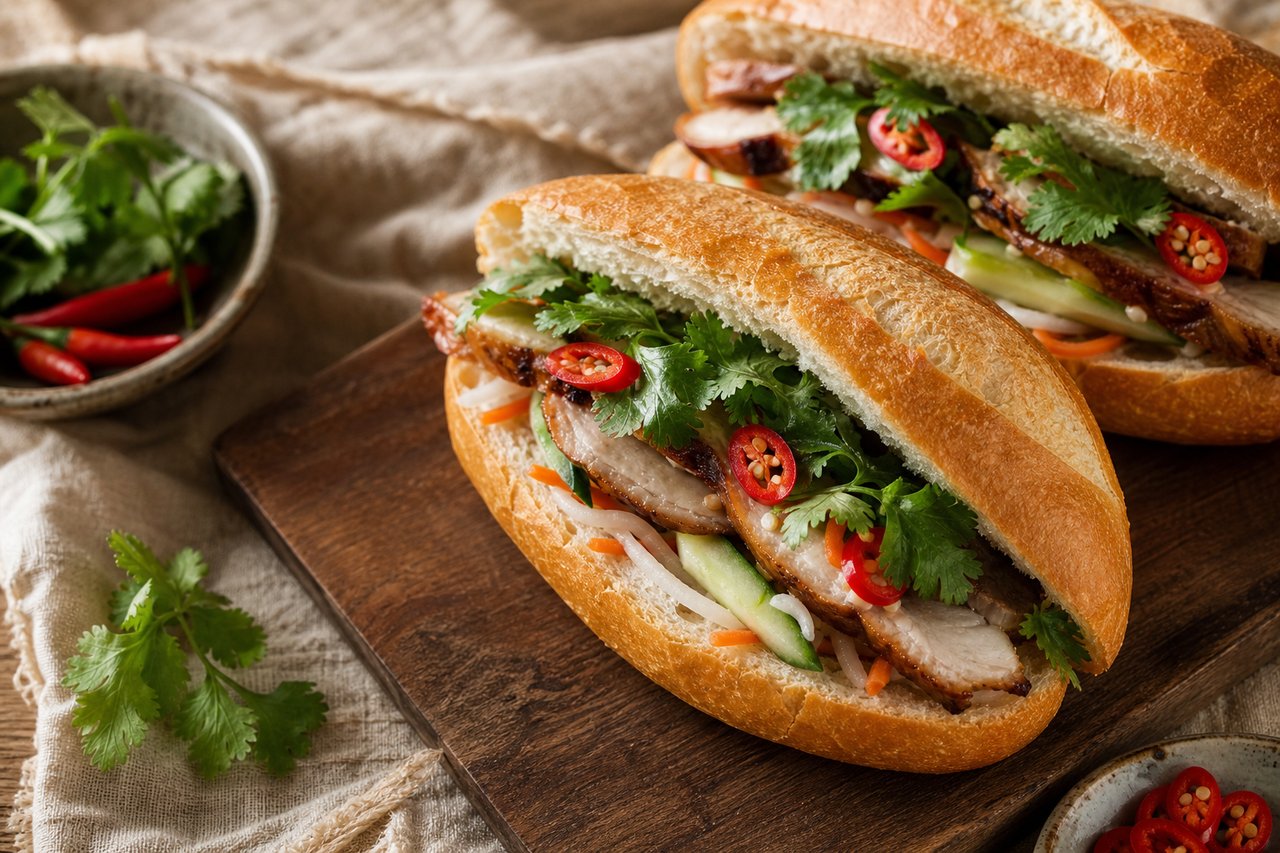
Vietnamese
Banh Mi (Vietnamese Pork Sandwich)
A shatteringly crisp baguette filled with savoury pork, quick-pickled carrot and daikon, cucumber, coriander and chilli — the four-taste balance in a sandwich.
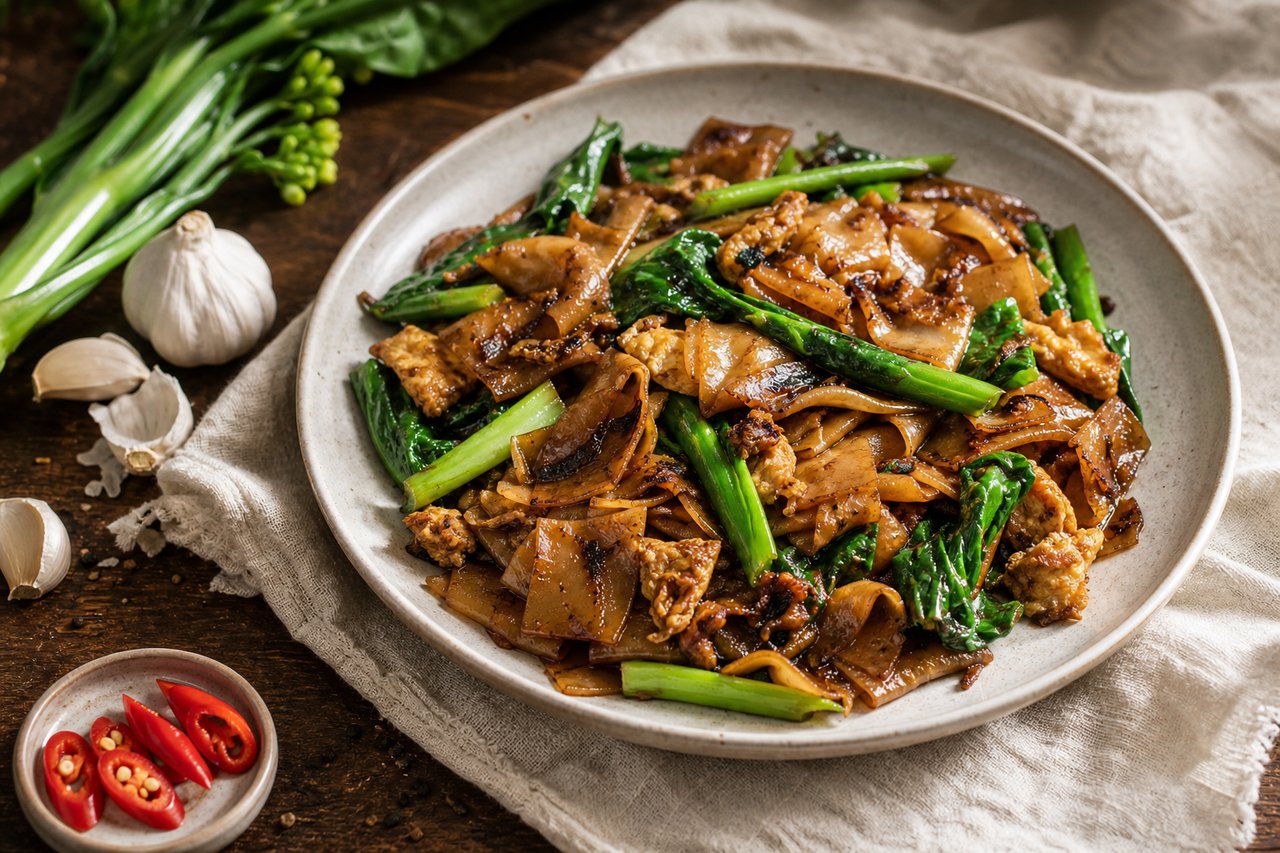
Thai
Pad See Ew — Thai Stir-Fried Wide Rice Noodles
Wide rice noodles charred in a hot wok with dark soy, egg and Chinese broccoli — smoky, savoury and lightly sweet Thai comfort food.
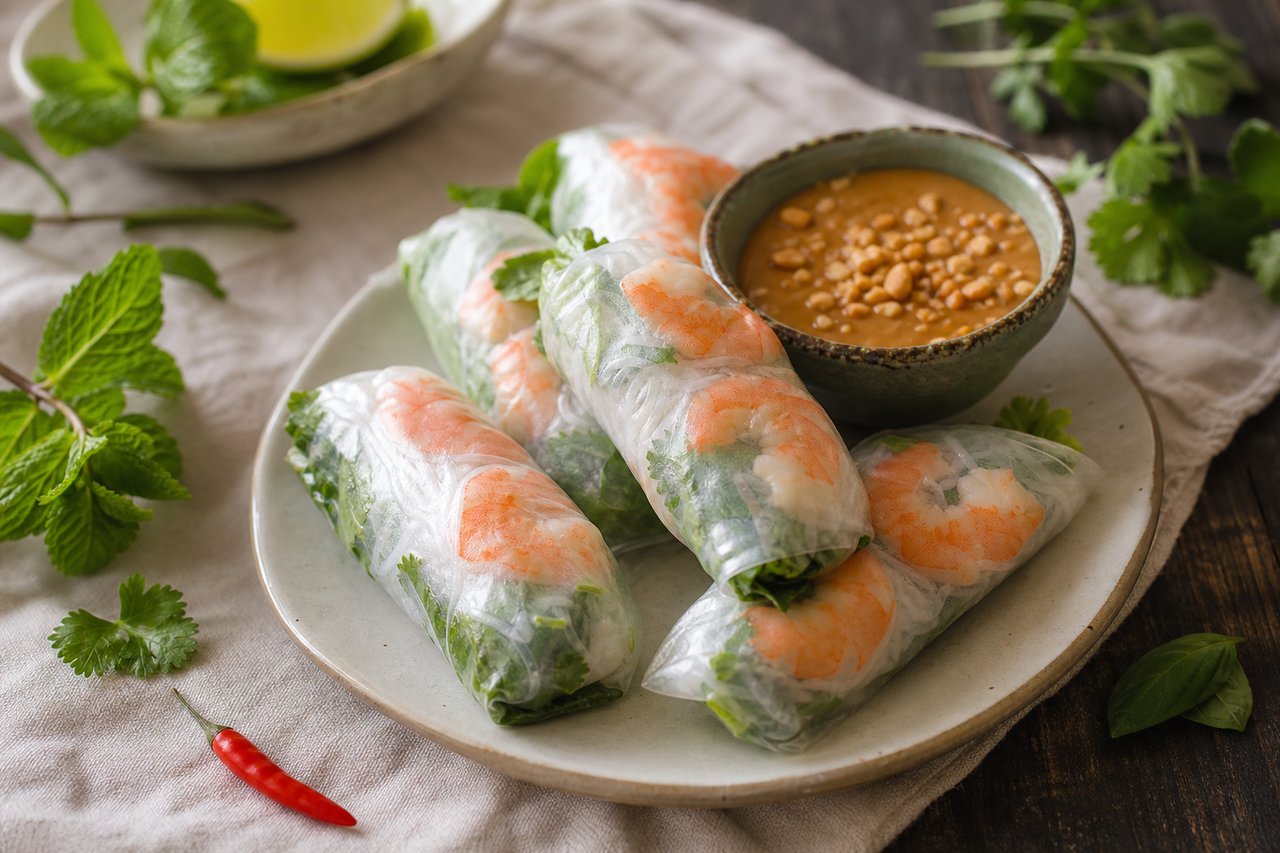
Vietnamese
Goi Cuon (Fresh Vietnamese Summer Rolls)
Soft rice-paper rolls packed with prawns, pork, herbs and vermicelli — served fresh and uncooked with a rich peanut dipping sauce.
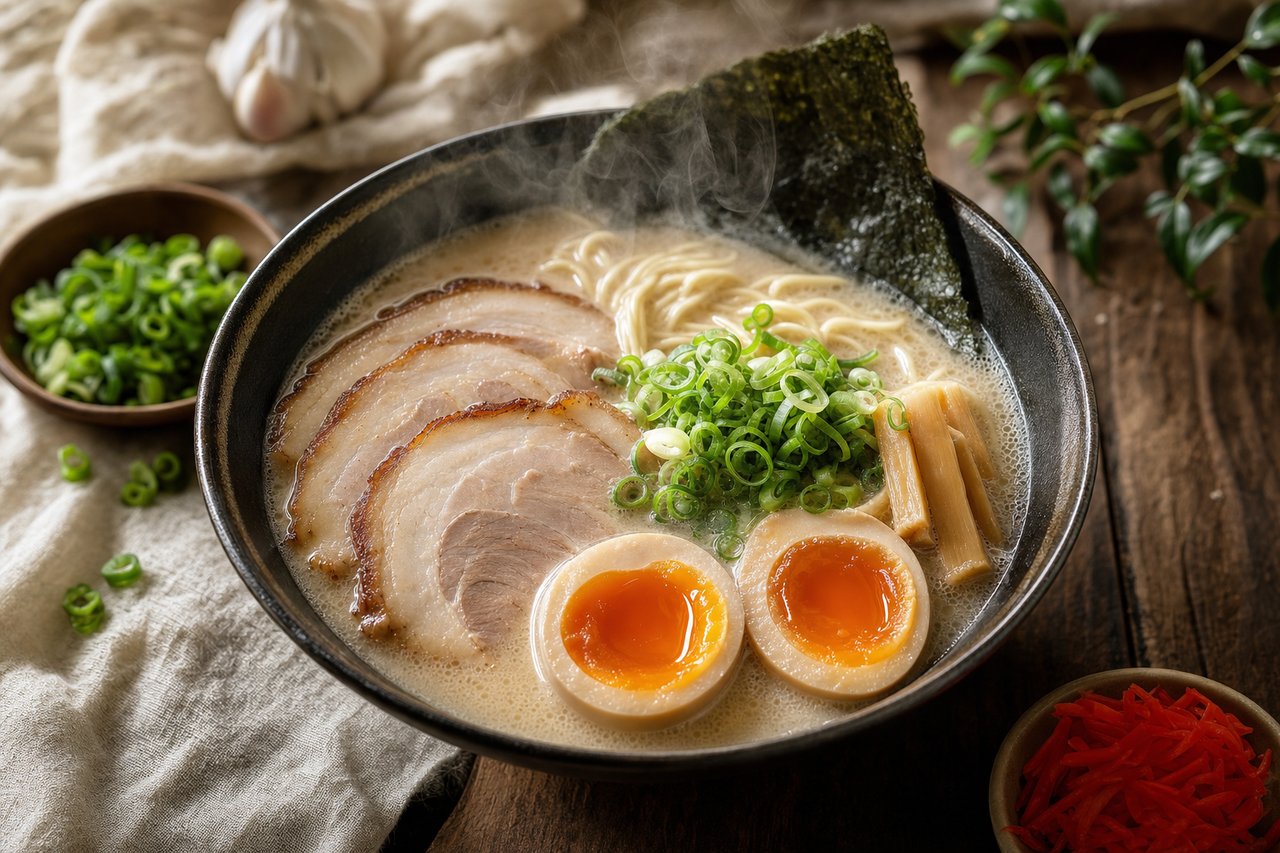
Japanese & Ramen
Tonkotsu Ramen from Scratch
A milky, collagen-rich pork-bone broth with springy noodles, chashu and a soft-set egg — the weekend ramen worth the wait.
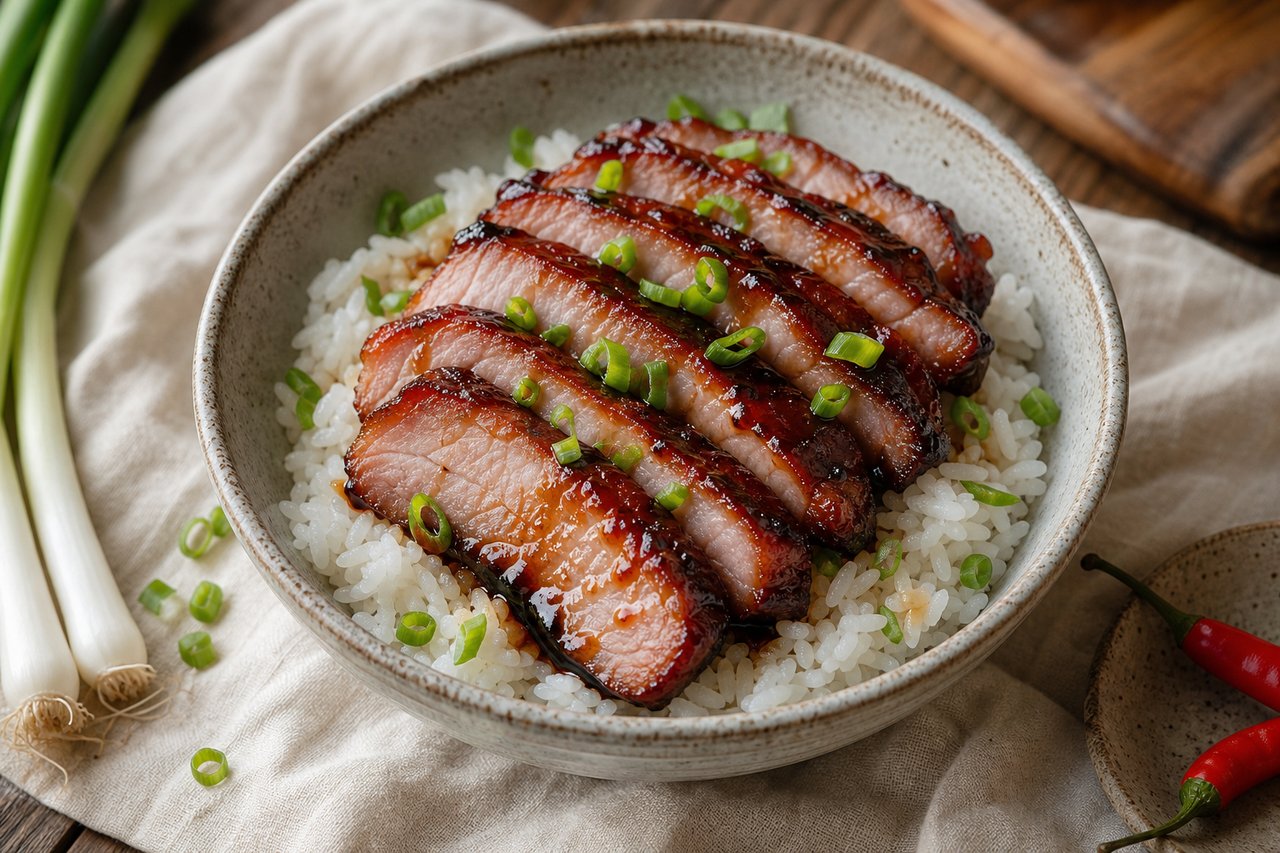
Chinese
Char Siu — Chinese BBQ Glazed Pork
Sticky, mahogany-glazed Cantonese roast pork with a sweet-savoury marinade and a honey lacquer, made in a home oven.
See also the Asian pantry guide for more on stocking these ingredients.