Cook with
Recipes with Ginger
Fresh, peppery and warming — grated or sliced into marinades, stir-fries and broths.
Ginger is among the most widely used aromatics in Asian cooking — a knobbly underground rhizome with golden skin and pale, fibrous flesh that delivers a warm, peppery heat and a clean, citrus-fresh lift. It works hand in hand with garlic and spring onion as a foundational trio in Chinese kitchens, and it appears everywhere from delicate steamed fish to robust braises, dipping sauces and even sweet drinks.
What it is and how it tastes
The rhizome grows in branching, knuckled hands and is harvested firm and juicy. Its flavour is a balance of gentle heat and brightness: there is a peppery warmth that spreads slowly across the palate, lifted by a sharp, almost lemony freshness. Younger ginger is milder, juicier and less fibrous, while mature ginger is more pungent and stringy. It cuts through richness and tames strong, fishy or gamey flavours, which is why a few slices so often go into a meat or seafood dish to keep it clean and fragrant.
How to prepare and cook it
Scrape away the skin with a teaspoon where needed, then cut to suit the job: grate for maximum juice and even distribution, slice into coins or matchsticks for gentle pockets of flavour, or bruise large pieces to perfume a broth and remove later. Ginger can take more heat than garlic, so it often goes into the oil first in a stir-fry, sizzling until fragrant before the other aromatics follow. In braises and soups, larger chunks simmer slowly to release their warmth without harshness. Grated ginger and its juice also brighten marinades and dressings raw.
Buying and storing
Look for firm, plump roots with smooth, taut, shiny skin and a fresh, spicy smell at a cut end. Wrinkled, soft or light pieces have dried out and lost both juice and flavour. Avoid any with mould at the knuckles. Stored loose and dry in the fridge it lasts several weeks, and it freezes beautifully — grating straight from frozen is fast and saves the fibrous waste that comes with fresh.
Where it shines
Ginger is essential to the aromatic base of pork gyoza and to the comforting depth of miso soup, and it sharpens the glaze on teriyaki salmon. Where it is bruised and steeped, a strip of galangal can push a dish in a similar direction, though nothing matches ginger’s particular brightness. It rewards keeping a knob always on hand; for more on building the essentials, see the Asian pantry guide.
Ginger recipes (12)
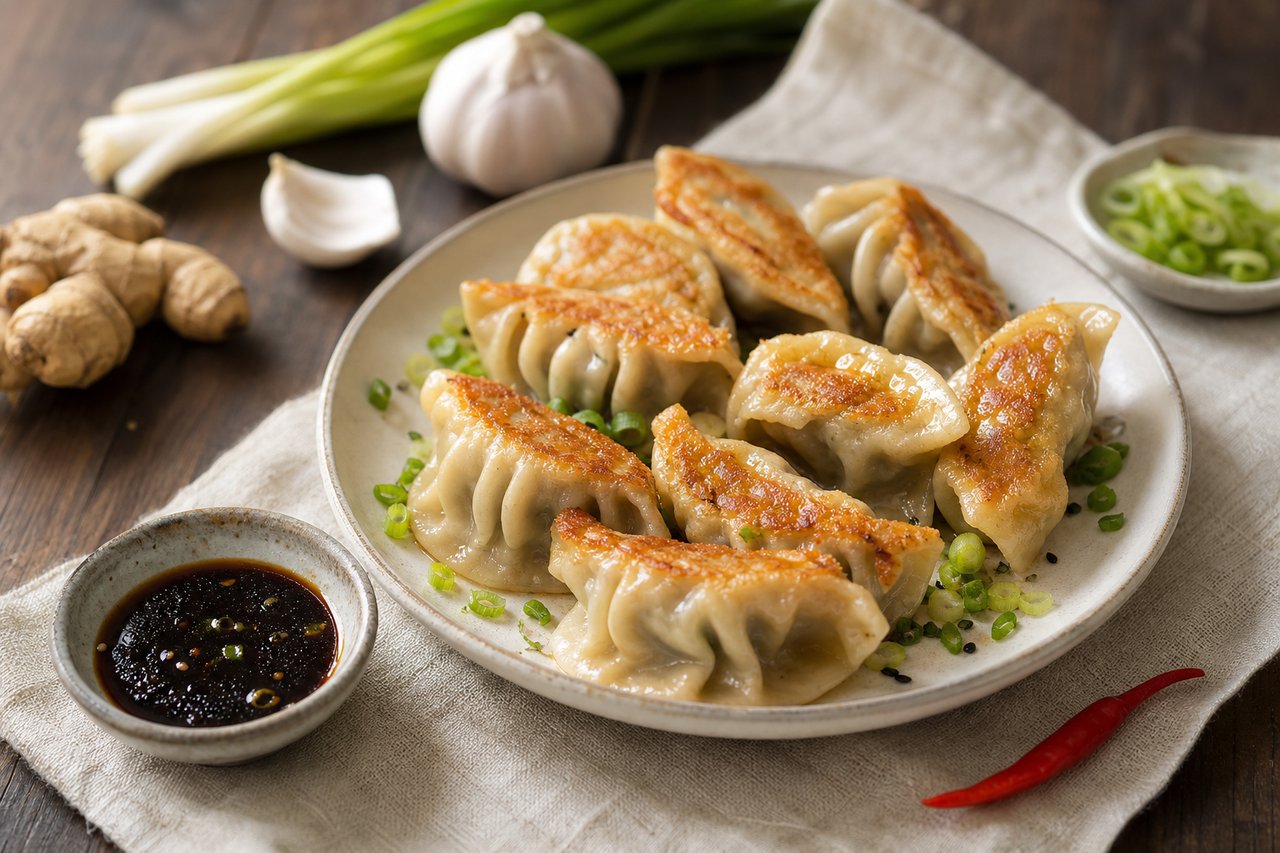
Chinese
Pork Potstickers
Juicy pork-and-cabbage dumplings pan-fried to a crisp golden base then steam-finished — the classic potsticker method, with a simple dipping sauce.
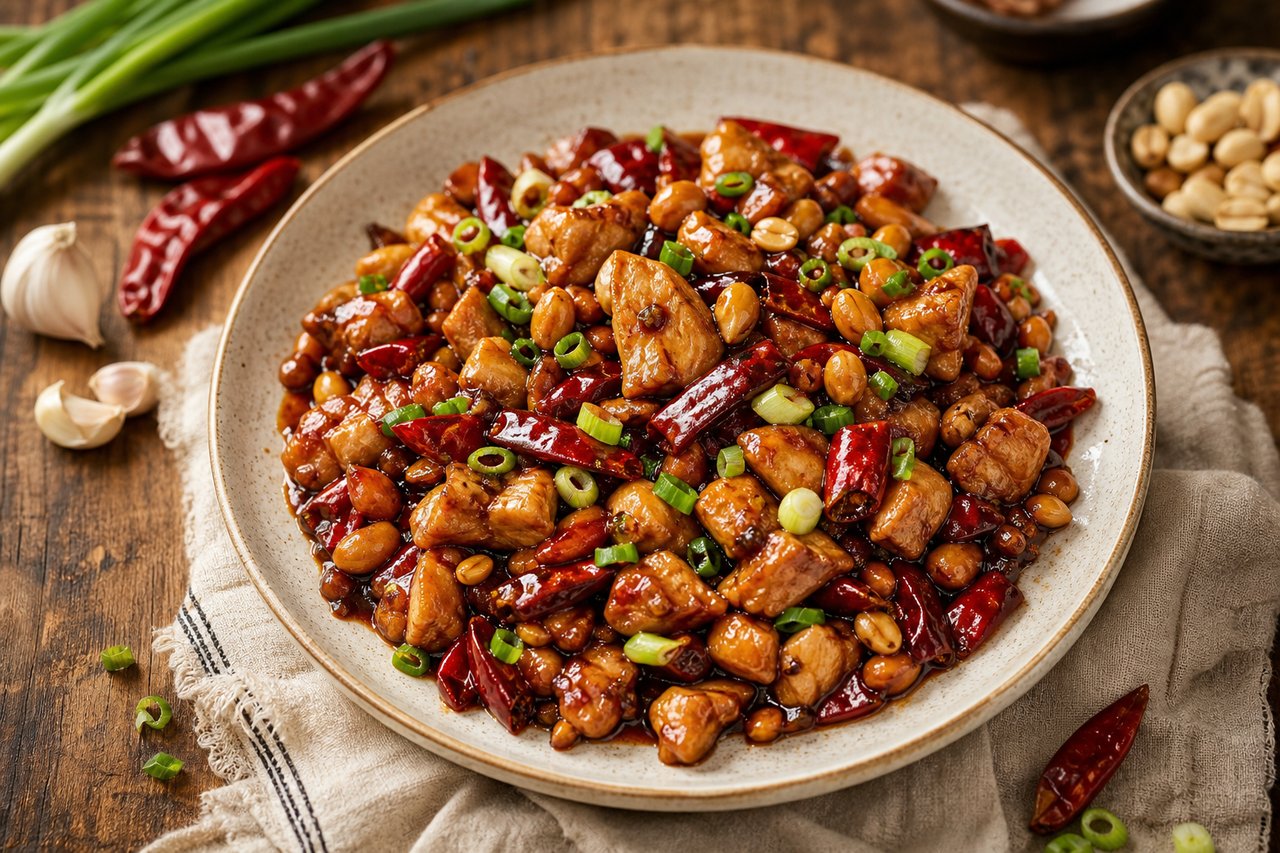
Chinese
Kung Pao Chicken
Diced chicken stir-fried with dried chillies, Sichuan peppercorn and peanuts in a sweet-savoury-sour sauce — a fast, balanced Sichuan classic with real depth.
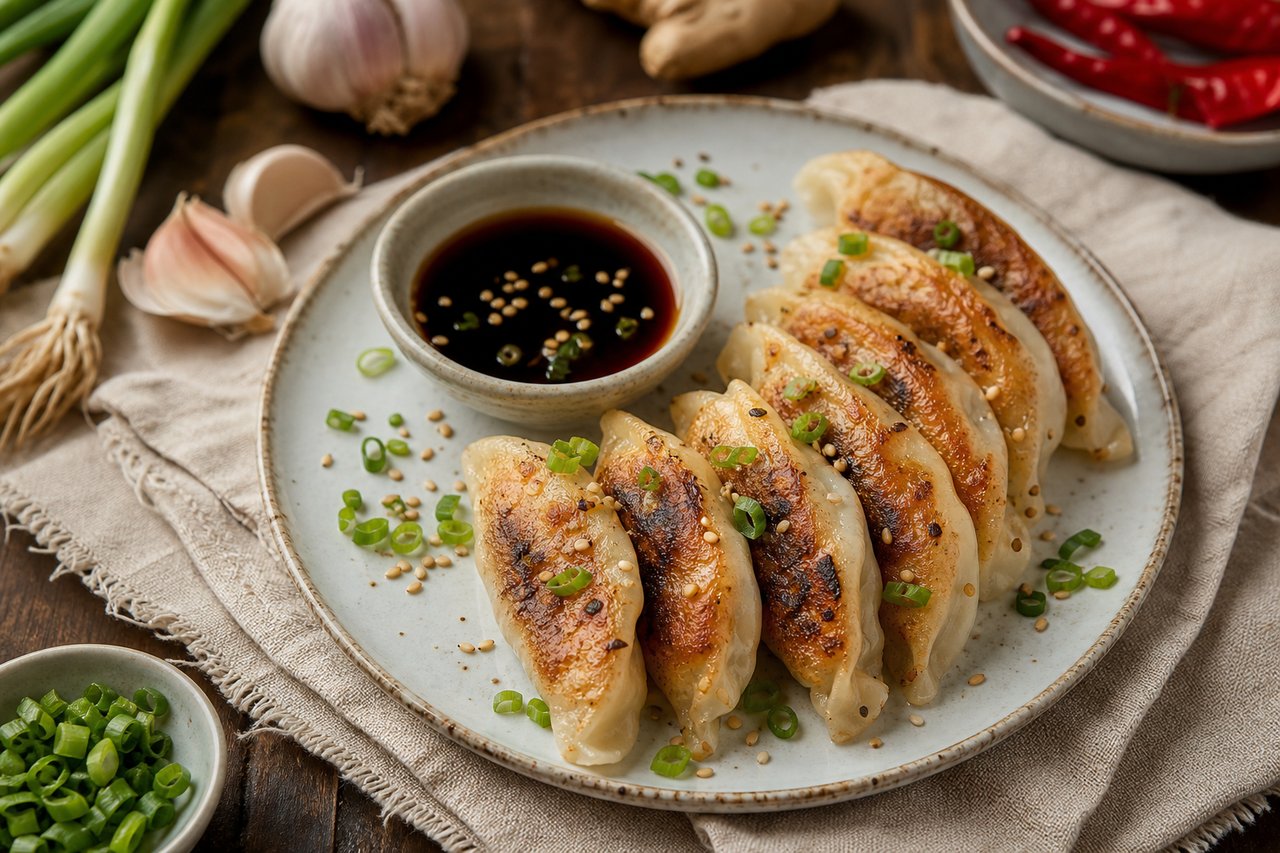
Japanese & Ramen
Pan-Fried Pork Gyoza
Juicy pork-and-cabbage dumplings with a lacy, crisp base and steamed pleated tops — the home version of the izakaya classic.
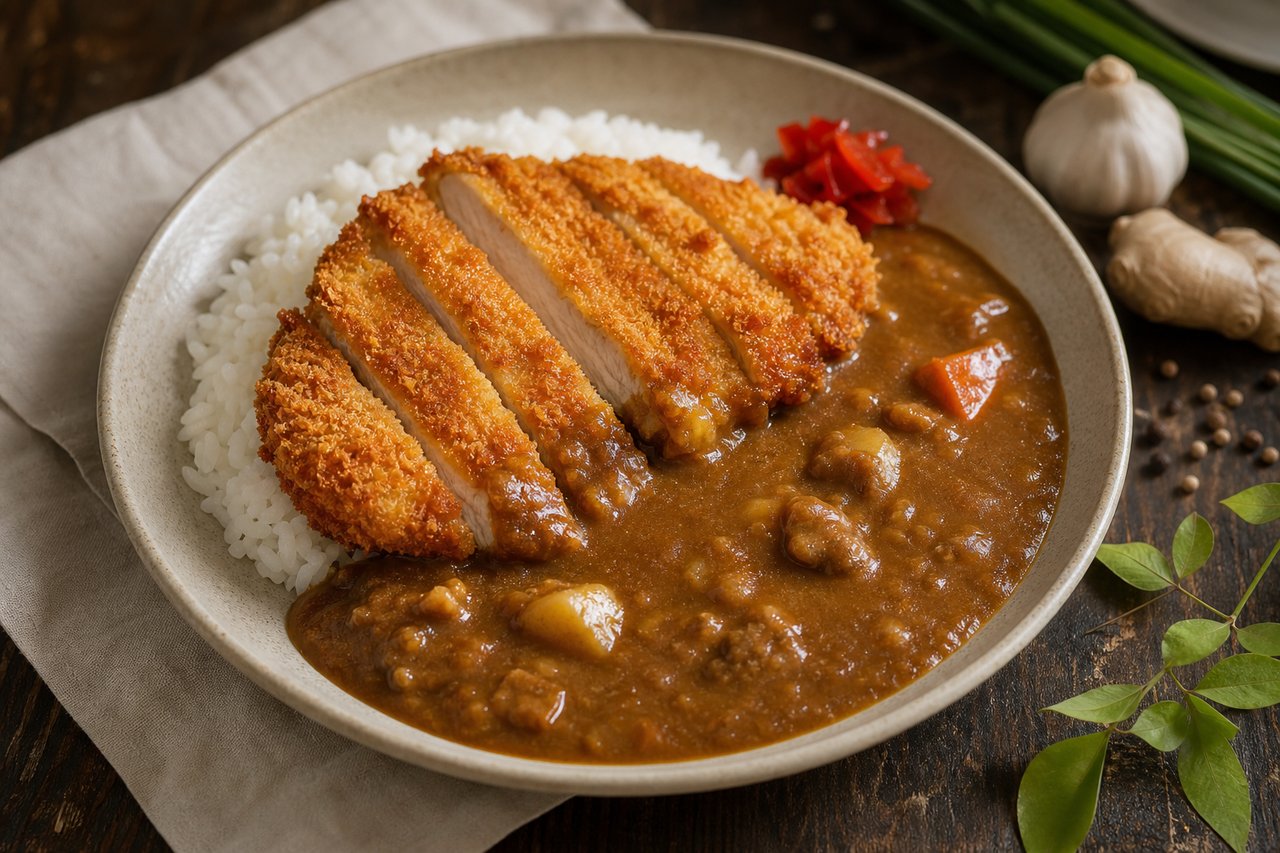
Japanese & Ramen
Chicken Katsu Curry
Crisp panko-crusted chicken cutlet over rice, blanketed in a glossy, lightly sweet Japanese curry sauce.
Japanese & Ramen
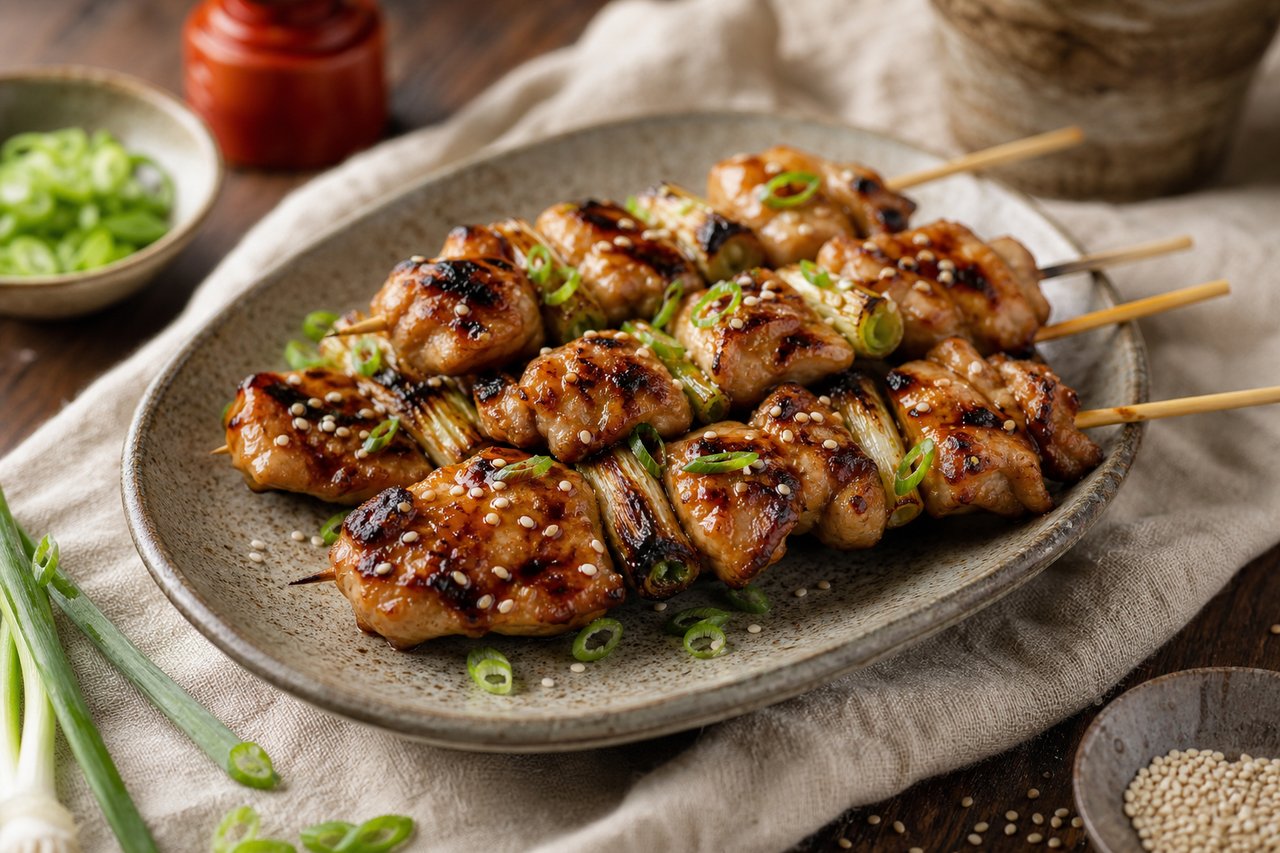
Yakitori — Japanese Grilled Chicken Skewers
Bite-sized chicken skewers grilled over high heat and lacquered with a sweet-savoury tare, plus a salt-only version for purists.
Chinese
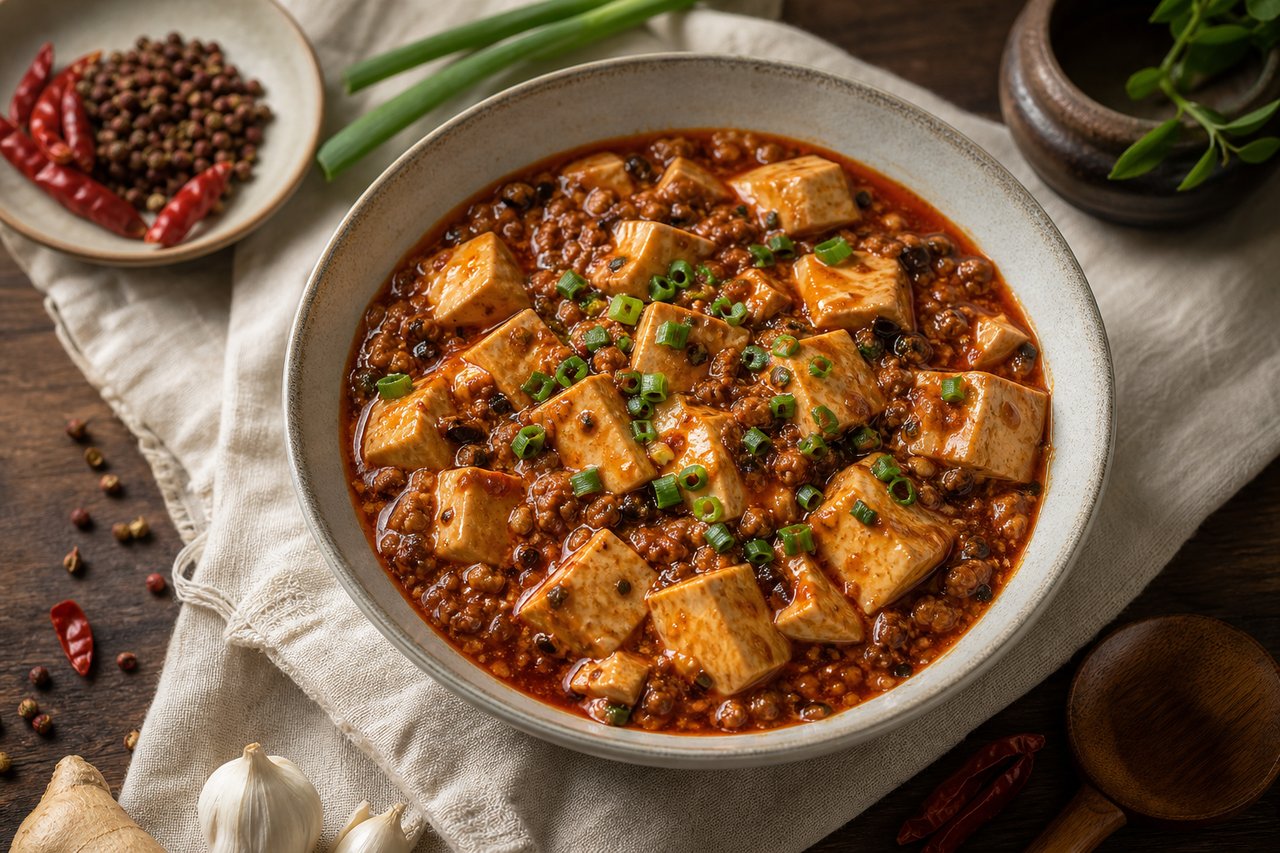
Mapo Tofu
Silky tofu and minced pork in a glossy, numbing-hot Sichuan sauce built on doubanjiang and ground Sichuan peppercorn — a fast, deeply savoury weeknight classic.
Chinese
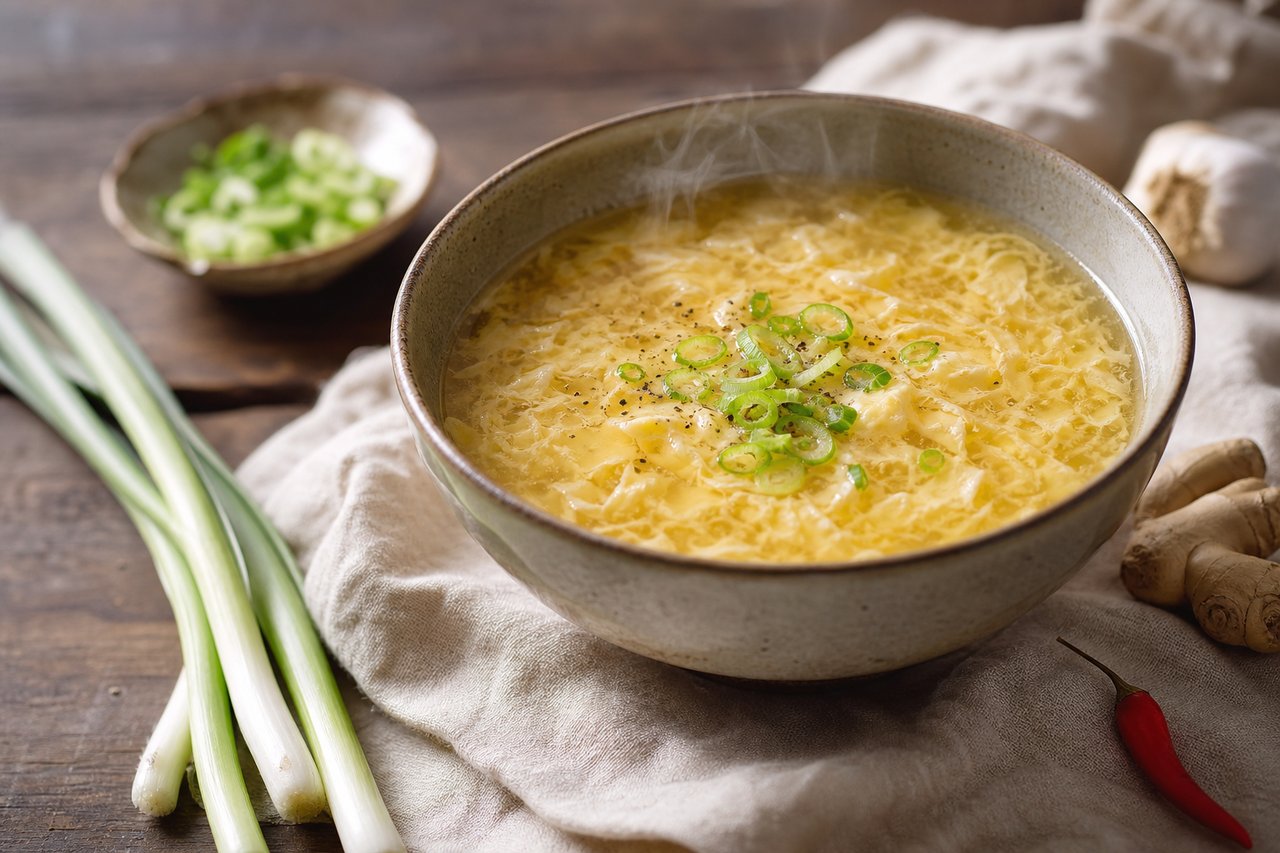
Egg Drop Soup
A silky, savoury chicken broth threaded with delicate ribbons of egg — a five-ingredient Chinese soup that comes together in under fifteen minutes.
Korean
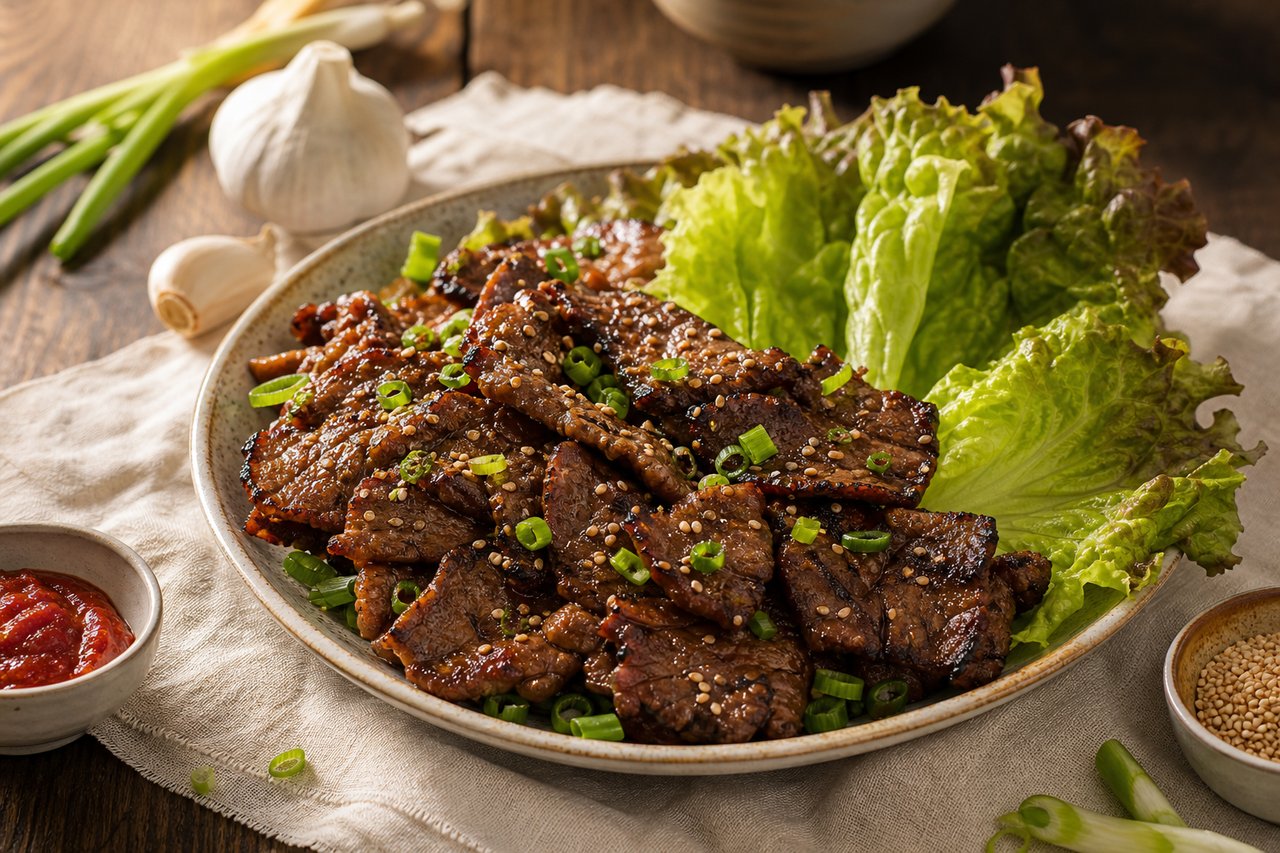
Bulgogi
Thin slices of beef marinated in a sweet-savoury soy, garlic, sesame and grated-pear marinade, then seared hard and fast — the most loved of Korea's grilled
Vietnamese
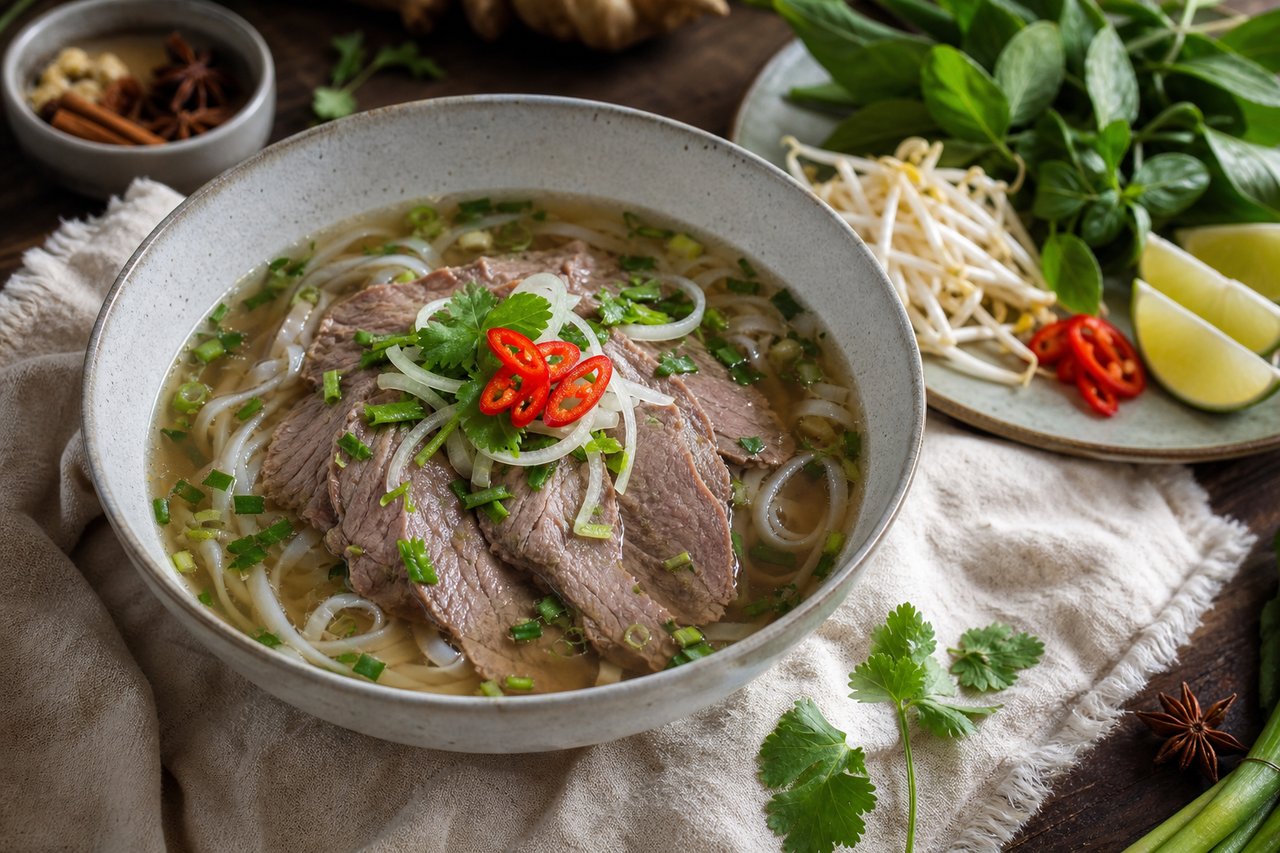
Pho Bo (Vietnamese Beef Noodle Soup)
A clear, deeply aromatic beef broth scented with charred onion, ginger and toasted spice, poured over rice noodles and raw beef and finished with a plate
Japanese & Ramen
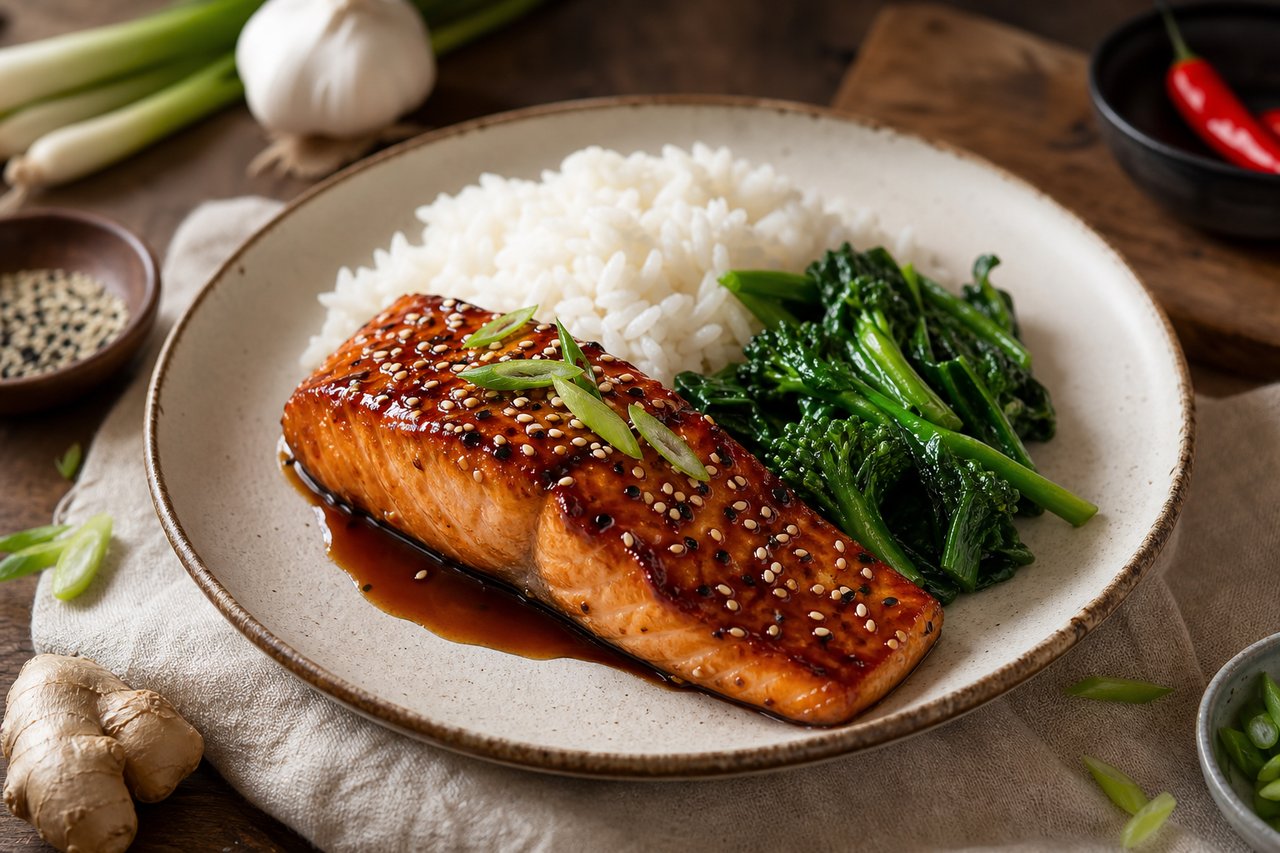
Teriyaki Salmon
Pan-seared salmon fillets glazed in a glossy four-ingredient teriyaki sauce reduced straight in the pan — a fast, weeknight-friendly main.
Japanese & Ramen
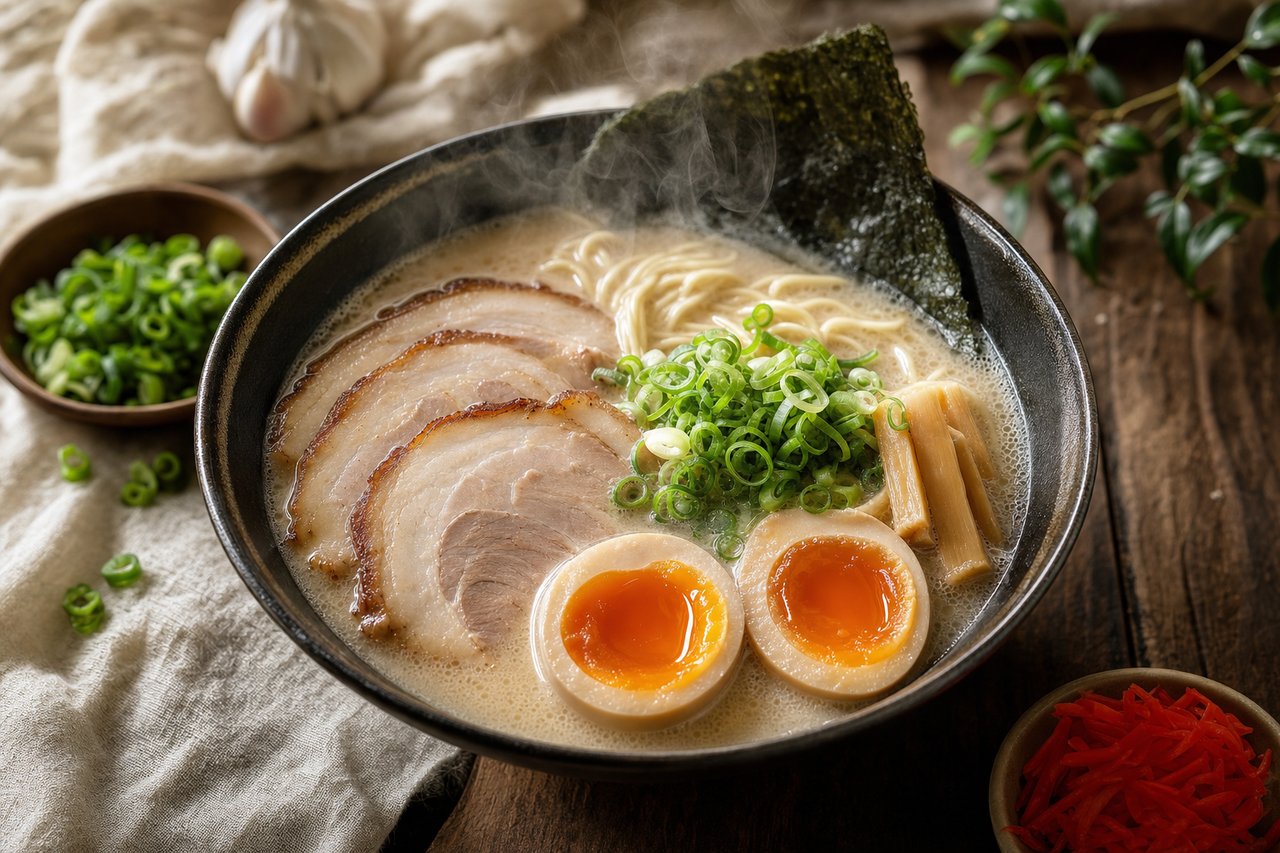
Tonkotsu Ramen from Scratch
A milky, collagen-rich pork-bone broth with springy noodles, chashu and a soft-set egg — the weekend ramen worth the wait.
Korean
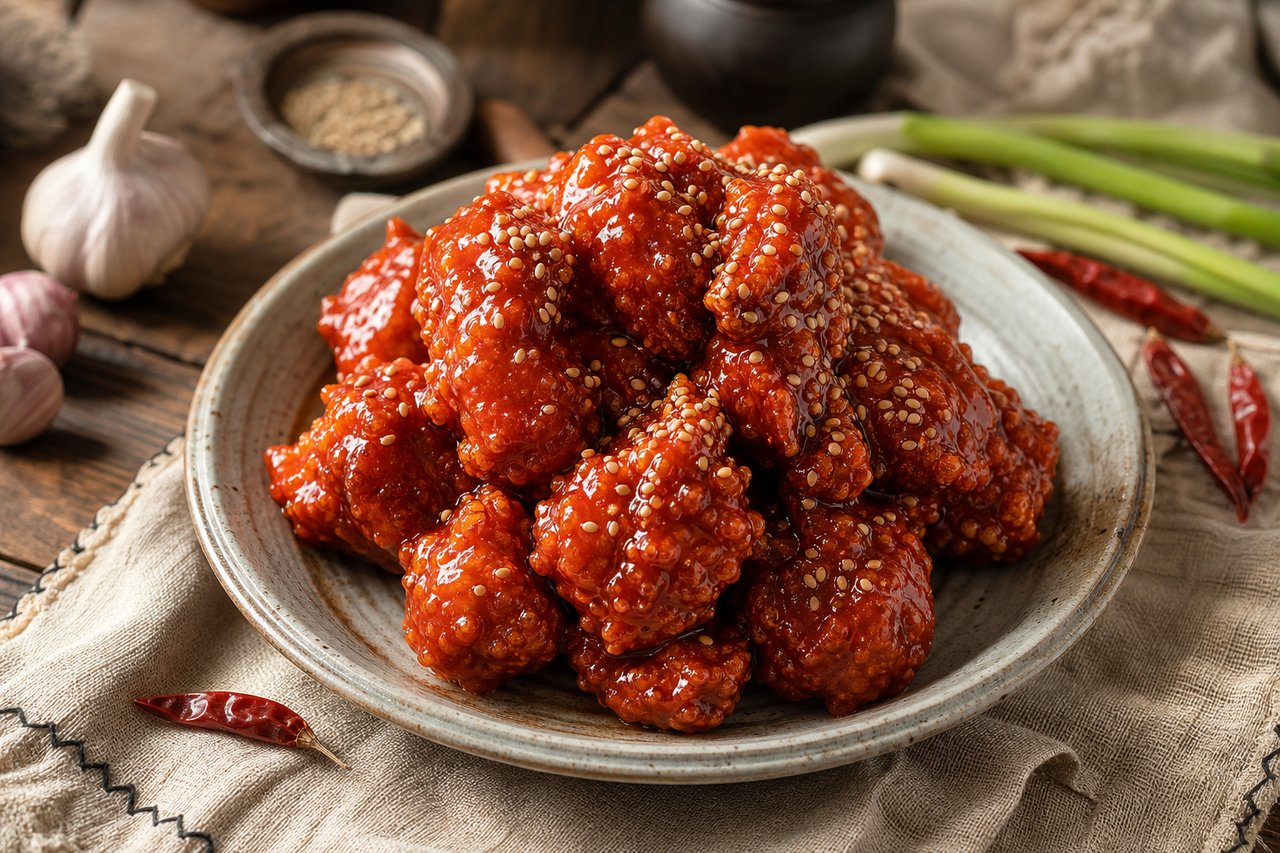
Korean Fried Chicken
Double-fried for a shatteringly thin, glassy crust that stays crisp under a sticky-sweet gochujang glaze — the famous Korean take on fried chicken, made at
See also the Asian pantry guide for more on stocking these ingredients.