Cook with
Recipes with Egg
Fried, soft-boiled or scrambled into rice and noodles across every cuisine.
The egg is the quiet hero of the Asian kitchen — binder, coating, garnish, enriching swirl and centrepiece all at once. It thickens a soup, crowns a rice bowl, holds a dumpling filling together and turns into a marinated jewel atop a bowl of noodles. Few ingredients do so many different jobs, and a cook who learns to handle eggs with a little precision unlocks a great deal at once.
Forms and styles, and how they cook
An egg’s behaviour is all about how its proteins set with heat. Boiled hard it slices into salads and rice; boiled for under seven minutes it stays jammy for ramen. Beaten and drizzled into simmering broth it forms silky ribbons; beaten and fried flat it becomes a thin omelette to shred over noodles or roll into kimbap. Scrambled fast and folded through fried rice it adds richness and softness. As a coating it binds breadcrumbs to cutlets, and as a binder it holds meatballs and dumpling fillings tender and cohesive.
Timing, heat and other techniques
Eggs are unforgiving of overcooking, so heat control is everything. For jammy boiled eggs, exact timing plus an ice bath gives a set white and a soft centre, and the cold shock makes peeling far easier. For egg-drop soup, a slow pour into barely-simmering, lightly thickened broth yields delicate strands rather than rubbery clumps. For an omelette to shred, cook it gently so it stays pale and pliable. When marinating soft-boiled eggs, a soy-and-mirin steep colours and seasons them right through to the yolk over a few hours.
Buying, storing and food safety
Keep eggs cold in their carton, away from strong odours, and use them within their date. To test freshness, lower one into water: fresh eggs sink and lie flat, older ones tilt up, and a floater is past its best. Wash hands and surfaces after handling raw egg, and discard any that are cracked or leaking. Soft and runny yolks are widely enjoyed but carry a small salmonella risk, so the vulnerable should eat eggs cooked fully through. Good sourcing and cold storage keep that risk minimal.
Where it shines
Eggs appear everywhere across the region. A soft-boiled, soy-marinated egg crowns a ramen bowl, while a thin shredded omelette and a folded slice run through Japanese rice dishes like onigiri. In China the egg becomes the silky ribbons of egg-drop soup, and in Thailand it binds and enriches a plate of pad thai. Versatile, fast and forgiving once its timing is learned, the egg belongs in every cook’s daily rotation. For the seasonings that turn a plain egg into something memorable, see the Asian pantry guide.
Egg recipes (11)
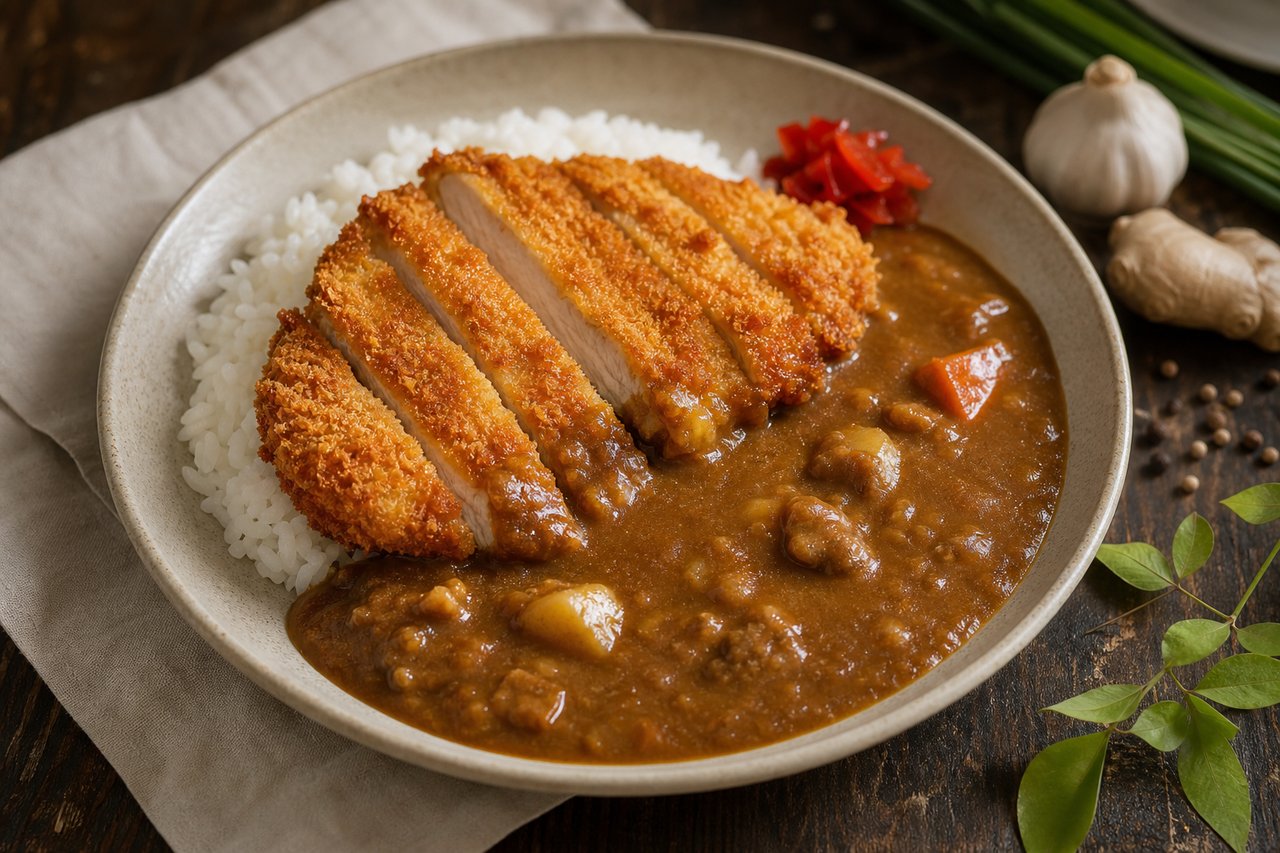
Japanese & Ramen
Chicken Katsu Curry
Crisp panko-crusted chicken cutlet over rice, blanketed in a glossy, lightly sweet Japanese curry sauce.
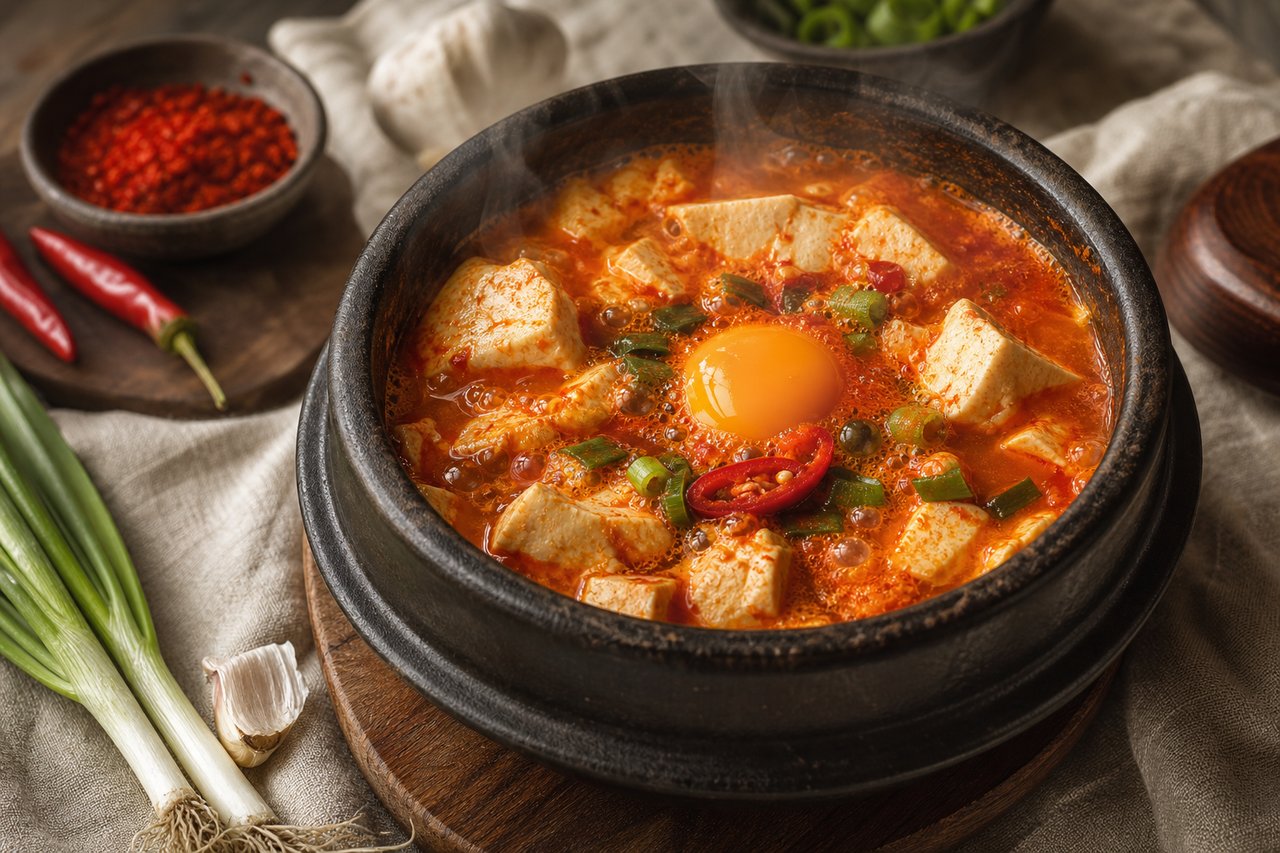
Korean
Sundubu Jjigae
A fiery, silky Korean soft-tofu stew built on a fragrant gochugaru-and-garlic chilli oil base, finished with uncurdled tofu and a raw egg cracked in at
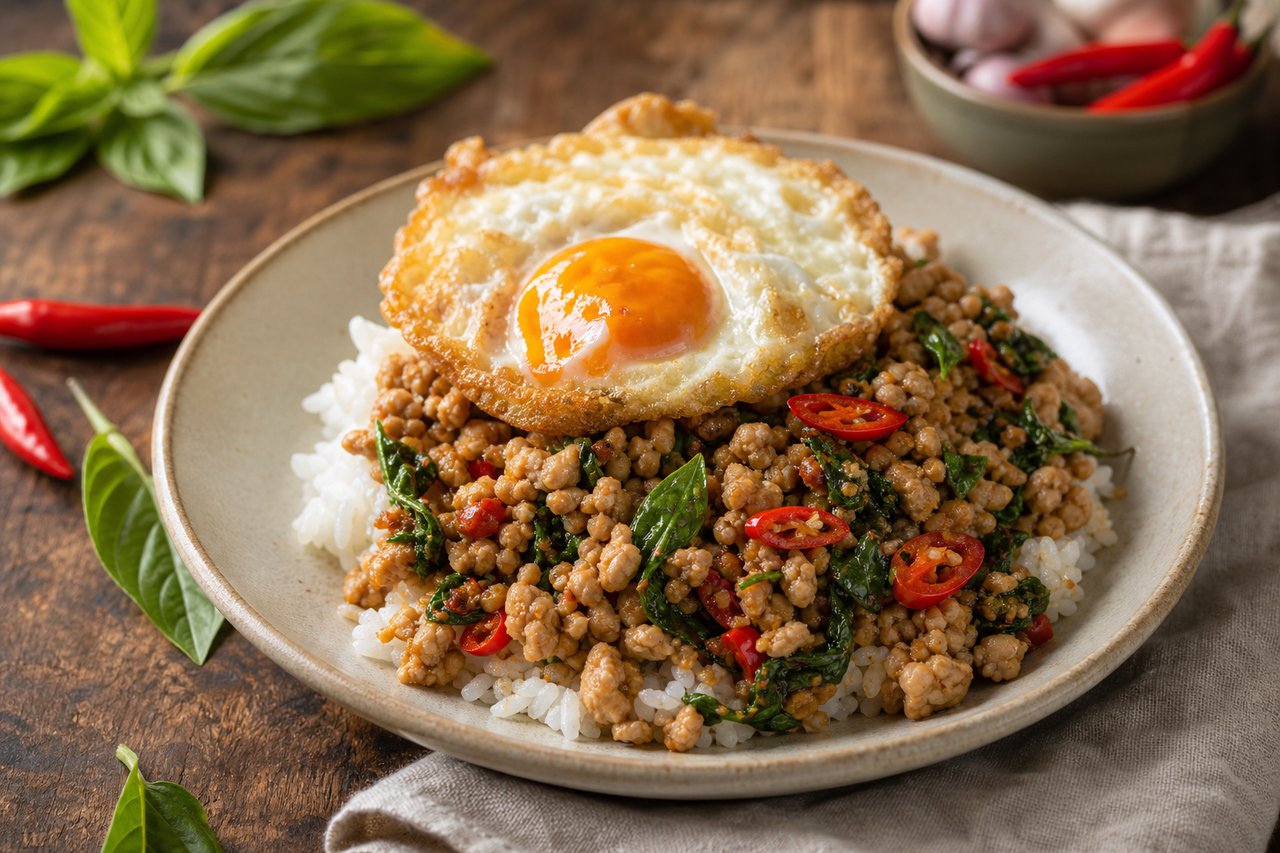
Thai
Pad Krapow Gai (Thai Holy Basil Chicken)
The fast, fiery street-food stir-fry of minced chicken with garlic, chilli and holy basil, served over rice with a crispy fried egg.
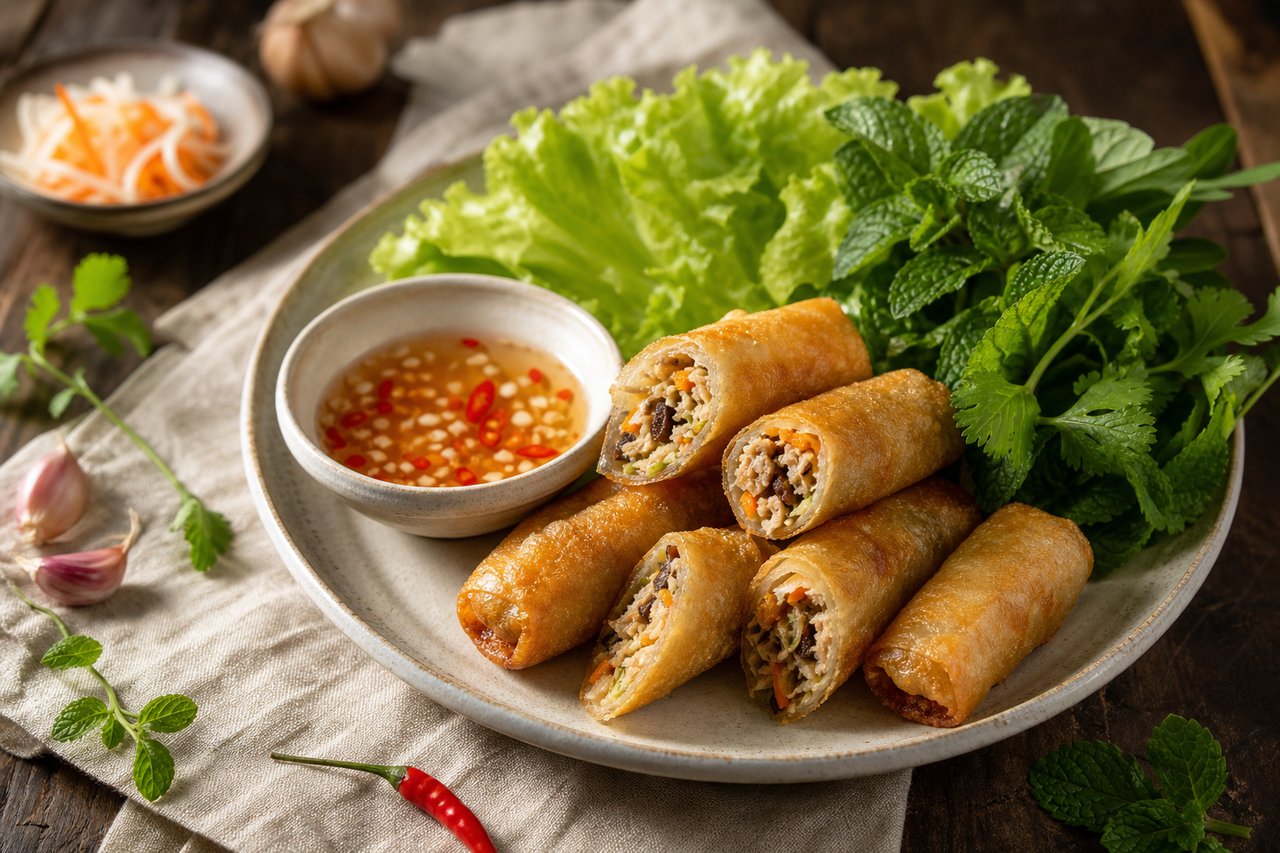
Vietnamese
Cha Gio — Crispy Vietnamese Fried Spring Rolls
Shatteringly crisp Vietnamese spring rolls with a pork and shrimp filling, wrapped in rice paper and served with herbs and nuoc cham.
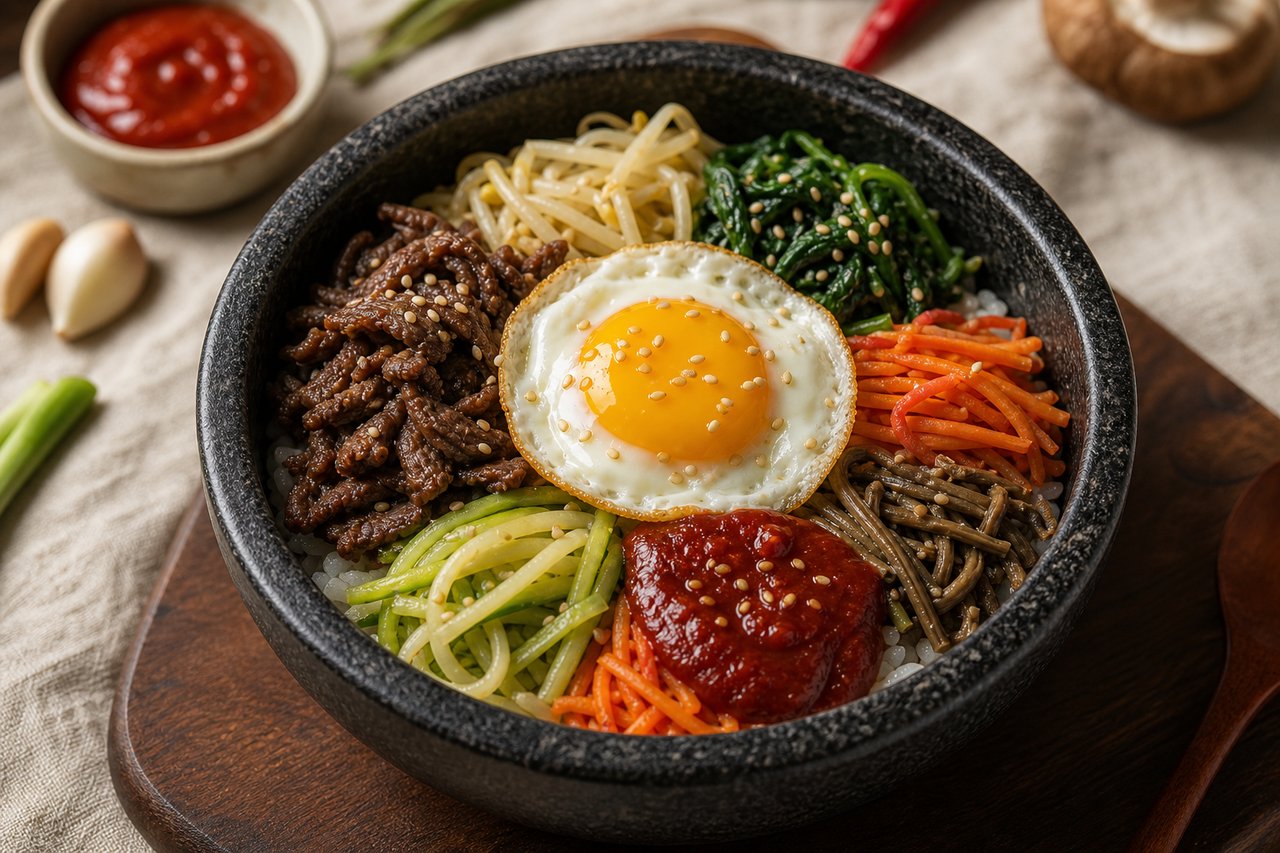
Korean
Bibimbap
A bowl of warm rice crowned with seasoned vegetables, beef and a fried egg, all bound together with a sweet-savoury gochujang sauce and a slick of sesame oil.
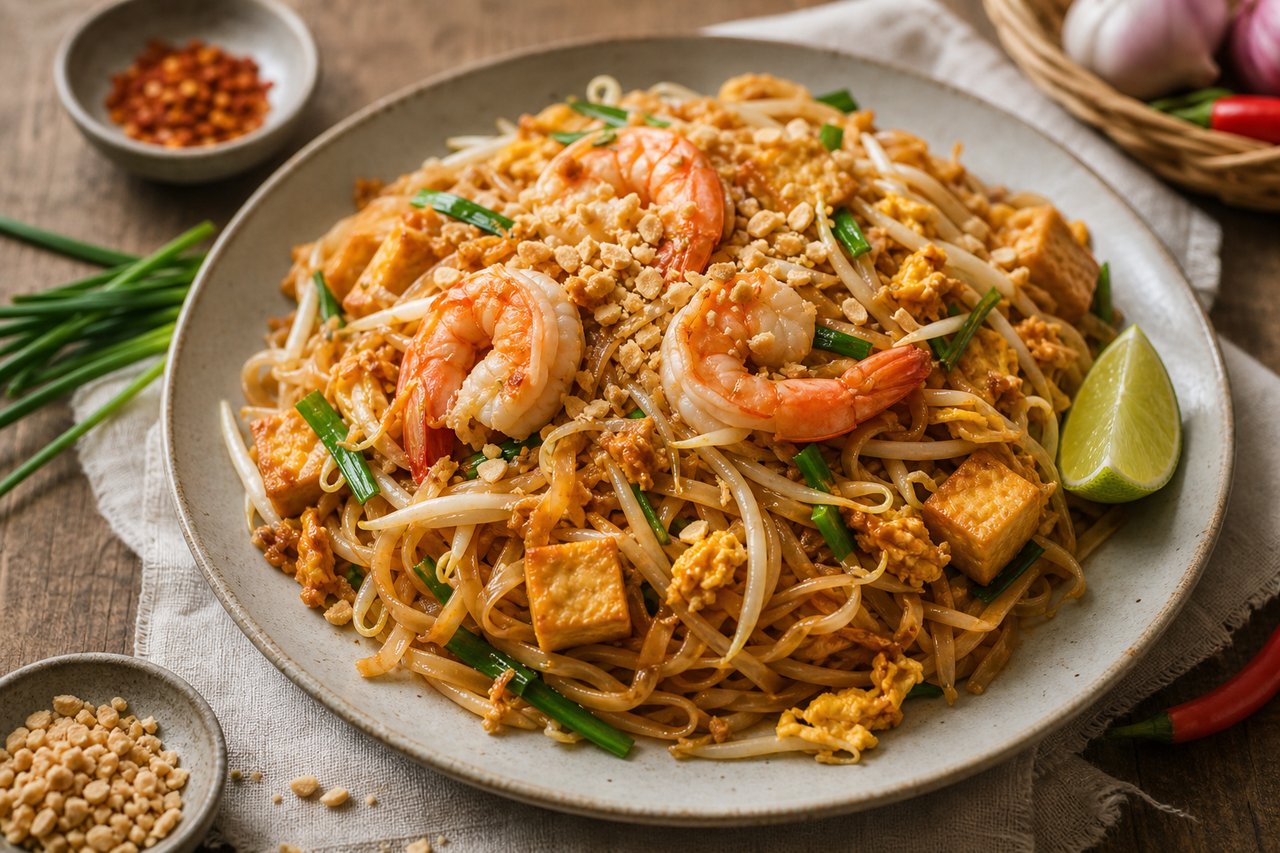
Thai
Pad Thai
Stir-fried rice noodles balanced on tamarind, fish sauce and palm sugar, with prawns, egg, tofu and a crunch of peanuts — the four-flavour classic in noodle
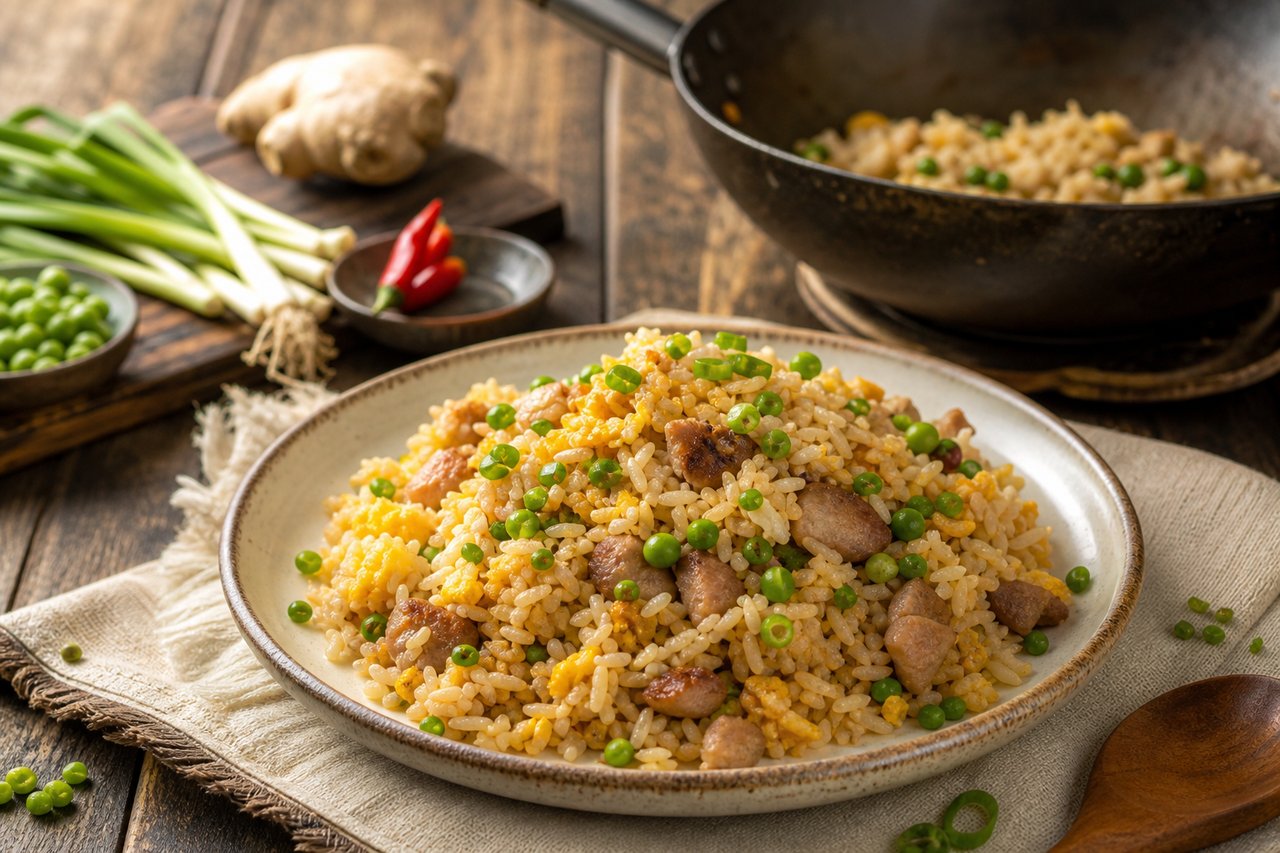
Chinese
Pork Fried Rice
Day-old rice fried hot and fast with pork, egg and spring onion — the classic way to turn leftovers into a fast, savoury, restaurant-style one-wok meal.
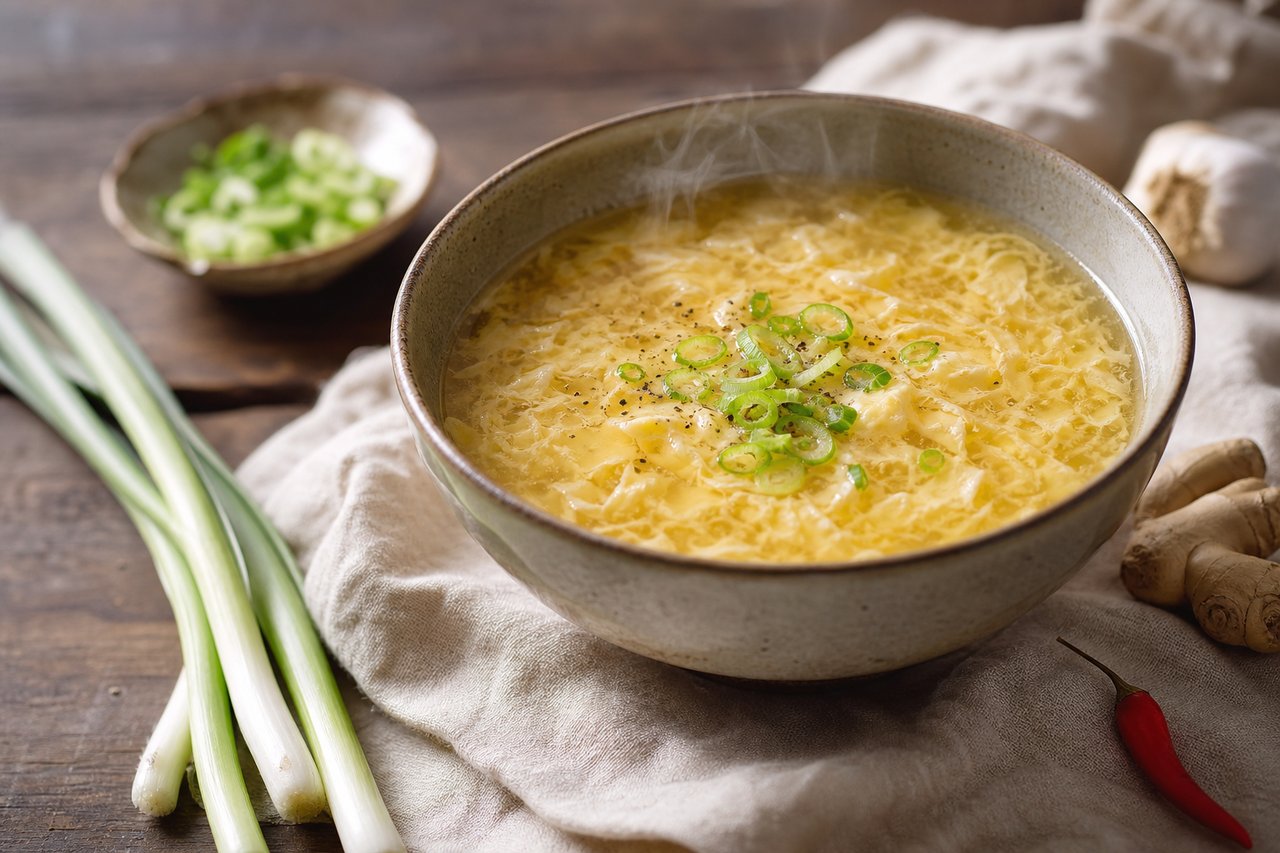
Chinese
Egg Drop Soup
A silky, savoury chicken broth threaded with delicate ribbons of egg — a five-ingredient Chinese soup that comes together in under fifteen minutes.
Thai
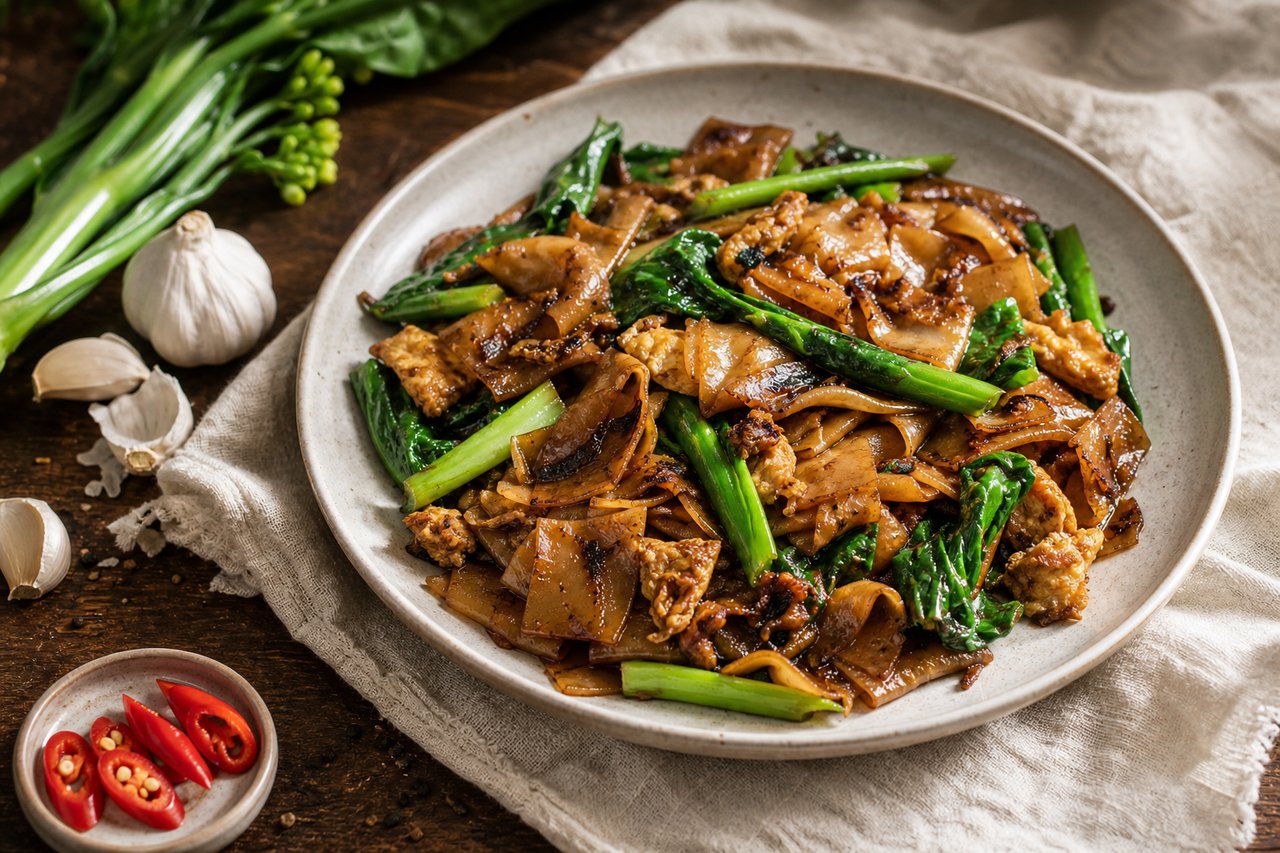
Pad See Ew — Thai Stir-Fried Wide Rice Noodles
Wide rice noodles charred in a hot wok with dark soy, egg and Chinese broccoli — smoky, savoury and lightly sweet Thai comfort food.
Korean
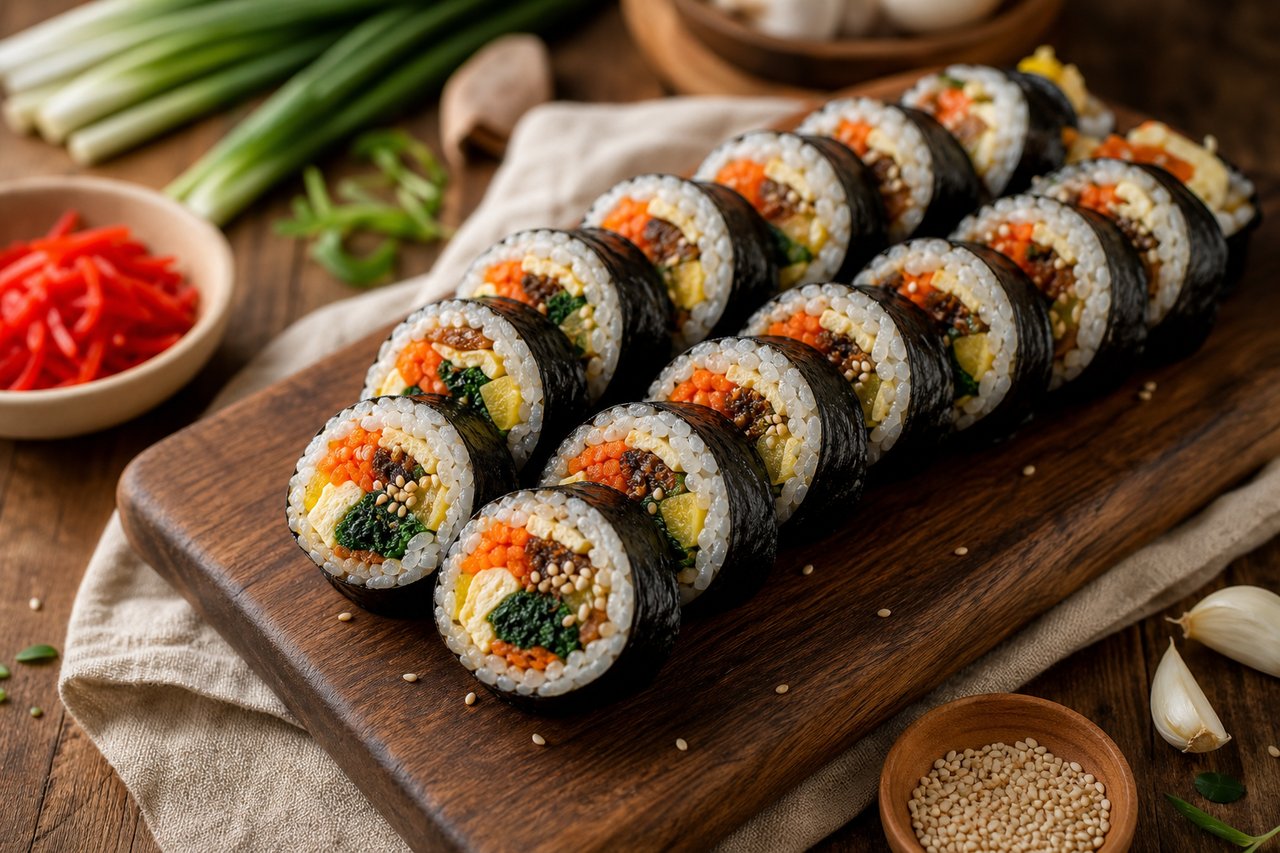
Kimbap — Korean Seaweed Rice Rolls
Seasoned rice and a row of bright fillings rolled in seaweed, sliced into neat rounds — Korea's classic picnic and lunchbox food.
Japanese & Ramen
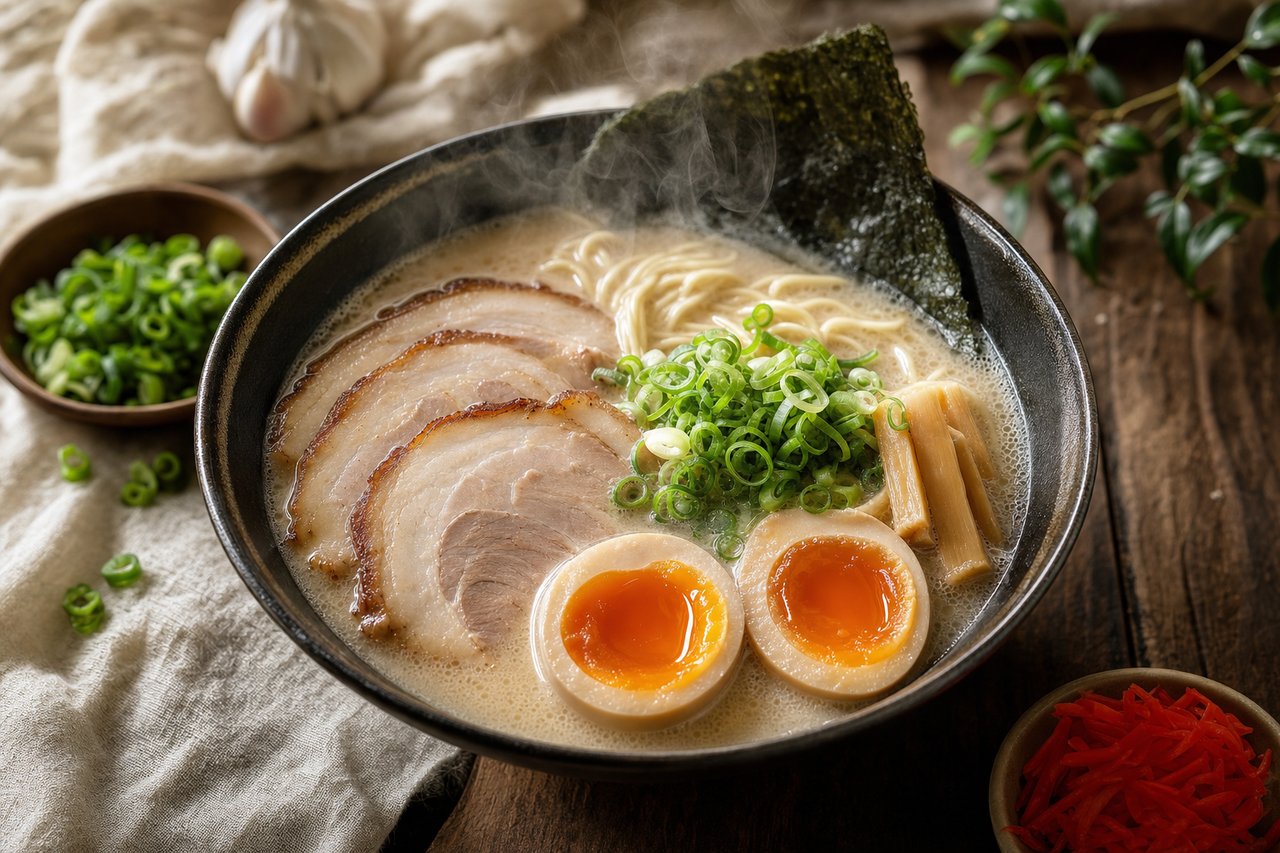
Tonkotsu Ramen from Scratch
A milky, collagen-rich pork-bone broth with springy noodles, chashu and a soft-set egg — the weekend ramen worth the wait.
See also the Asian pantry guide for more on stocking these ingredients.