Cook with
Recipes with Peanut
Crushed for crunch or ground into sauces, from pad thai to satay.
Peanuts run through Southeast and East Asian cooking in two guises: as crunchy toasted nuts scattered for texture, and as a smooth, rich base ground into countless sauces. Faintly sweet, deeply toasty and satisfyingly fatty, they balance heat and acidity and bring a comforting richness to noodle dishes, salads and grilled skewers. Versatile and inexpensive, they are a staple worth keeping close at hand.
What it is and how it tastes
Though commonly called a nut, the peanut is actually a legume that grows underground, which gives it a denser, earthier character than tree nuts. Raw, it tastes bland and slightly grassy; roasting is what unlocks its signature warm, toasty sweetness and crisp bite. Ground into a paste it becomes creamy and rich, while crushed it stays crunchy. That dual nature — smooth or crisp depending on how it is treated — is what makes it so useful across so many dishes.
How to use it
For garnishes, roast the peanuts until golden and fragrant, then crush them coarsely so they release their aroma and scatter them over a finished dish for crunch and contrast. For sauces, peanut butter or freshly ground roasted nuts form the base, loosened with lime, fish sauce, chilli and a little sugar into a balanced satay or noodle dressing that is at once rich, salty, sour and sweet. Toast raw peanuts gently over medium heat and watch them closely, shaking the pan, since they scorch in moments and turn bitter. They take well to both sweet and savoury treatments, which is why they appear in everything from fiery stir-fries to sweet desserts.
Buying and storing
Buy peanuts roasted for convenience or raw to toast as needed, and choose unsalted ones so the seasoning of a dish can be controlled. For peanut butter in cooking, a natural unsweetened version with minimal additives gives the cleanest flavour, free of the added sugar and palm oil found in many spreads. Store them airtight in a cool, dark cupboard, or chilled for longer life, as their high oil content can turn rancid; a sharp, bitter smell is the sign they are past their best.
Where it shines and substitutes
Peanuts are essential to a proper pad thai, to the dressing of green papaya salad som tam, and to the spicy sauce of kung pao chicken. They also crown countless noodle bowls and grilled skewers with a finishing crunch. Where they must be avoided, cashews offer the closest crunch and a seed butter such as tahini the closest creamy base for a sauce. Kept toasted and ready to crush, they are one of the simplest ways to lift a finished dish from flat to lively. For more on the pantry they belong to, see the Asian pantry guide.
The peanut recipe (1)
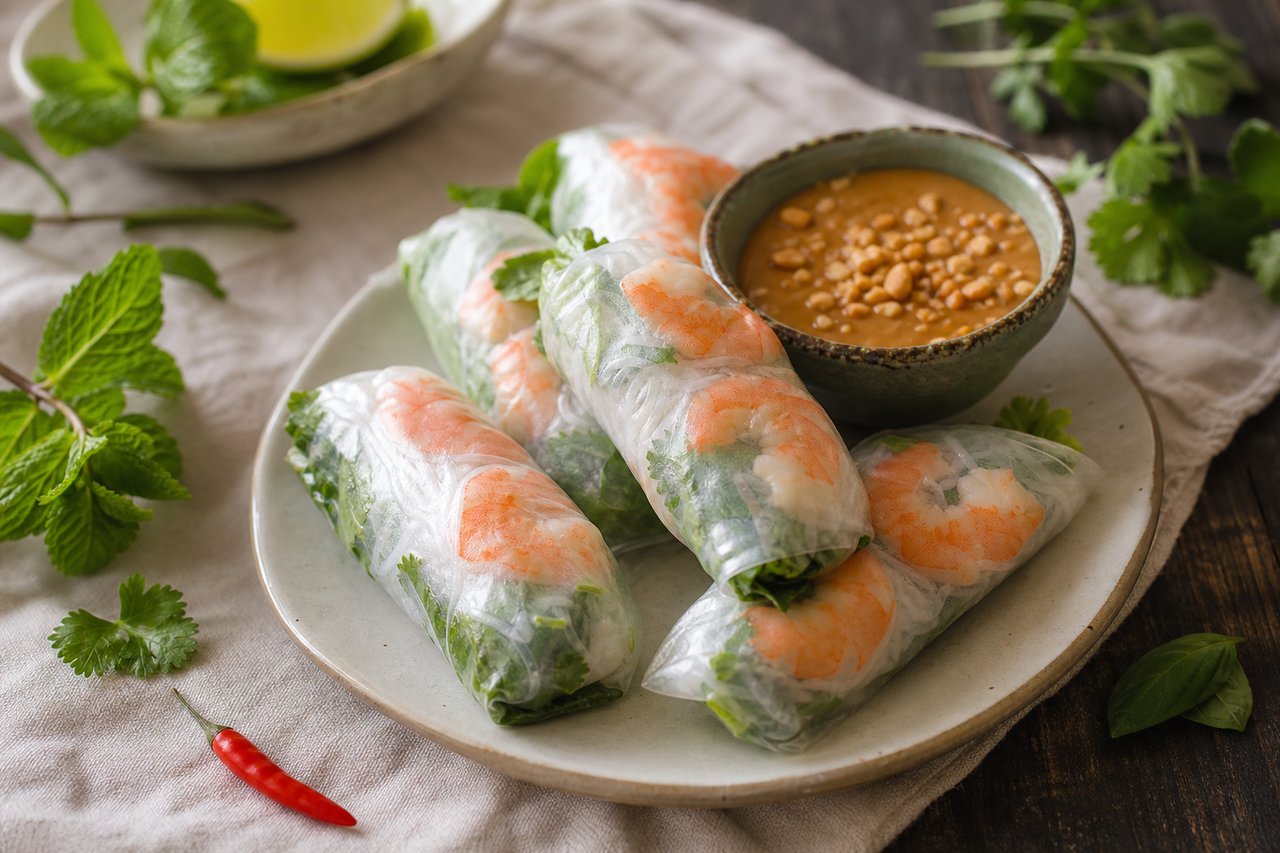
See also the Asian pantry guide for more on stocking these ingredients.