Cook with
Recipes with Lime
The bright, sour lift that finishes Thai and Vietnamese dishes.
Lime is the acidic spark of much of Southeast Asian cooking — a small, thin-skinned citrus whose sharp, fragrant juice and aromatic zest balance the salt, heat and richness that define the region’s food. A final squeeze of lime can transform a dish, lifting a heavy curry or a fiery salad into something bright and alive, which is why it is so often added right at the end rather than cooked in.
What it is and how it tastes
The fruit is smaller and more aromatic than a lemon, with a tart, almost floral acidity and a fresh green perfume concentrated in the oils of its skin. Its job in cooking is balance: where fish sauce brings salt and chilli brings heat, lime brings the sourness that ties them together. The juice is clean and bracing rather than sweet, and the zest adds fragrance without tartness. This combination of acid and aroma makes lime central to dressings, dipping sauces, soups and the marinades that flavour grilled meats.
How to prepare and cook it
For juice, roll the lime firmly to loosen the flesh, halve it across the middle and squeeze cut-side up to catch the seeds. Add the juice late — its brightness is fragile and cooks away — stirring it through at the end or offering wedges at the table. For zest, grate only the thin coloured skin and avoid the bitter white pith beneath; the zest can go in earlier as it is more robust. In marinades the acidity is used deliberately to flavour and tenderise, so there lime is mixed in from the start.
Buying and storing
Choose limes that feel heavy and firm with smooth, glossy, thin skin, signs of plenty of juice; hard, knobbly or lightweight fruit has dried out inside. A touch of yellow is fine and often means a sweeter, juicier lime. Stored in the fridge they keep for two to three weeks, longer than at room temperature. Zest spare limes before juicing and freeze the zest, or freeze the juice in small portions for cooking when fresh fruit runs short.
Where it shines
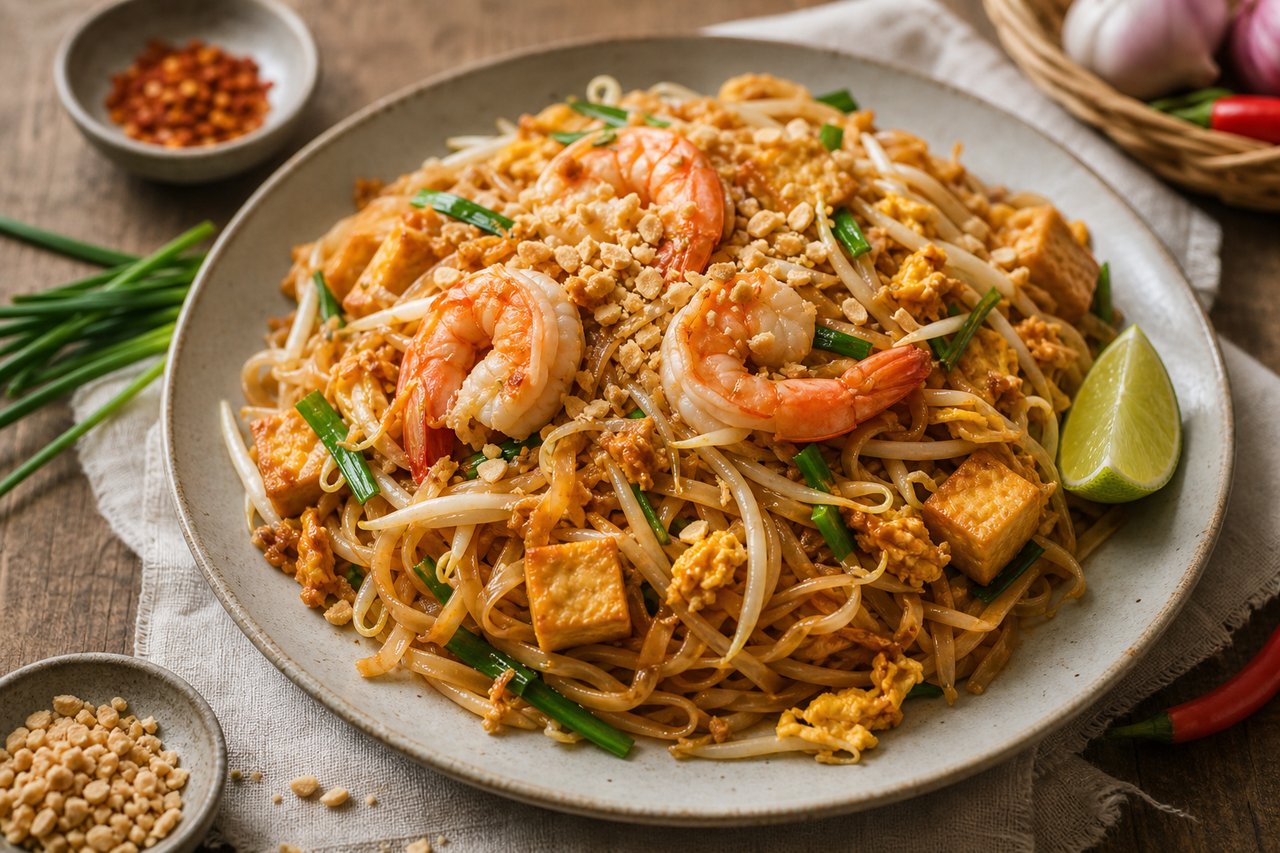
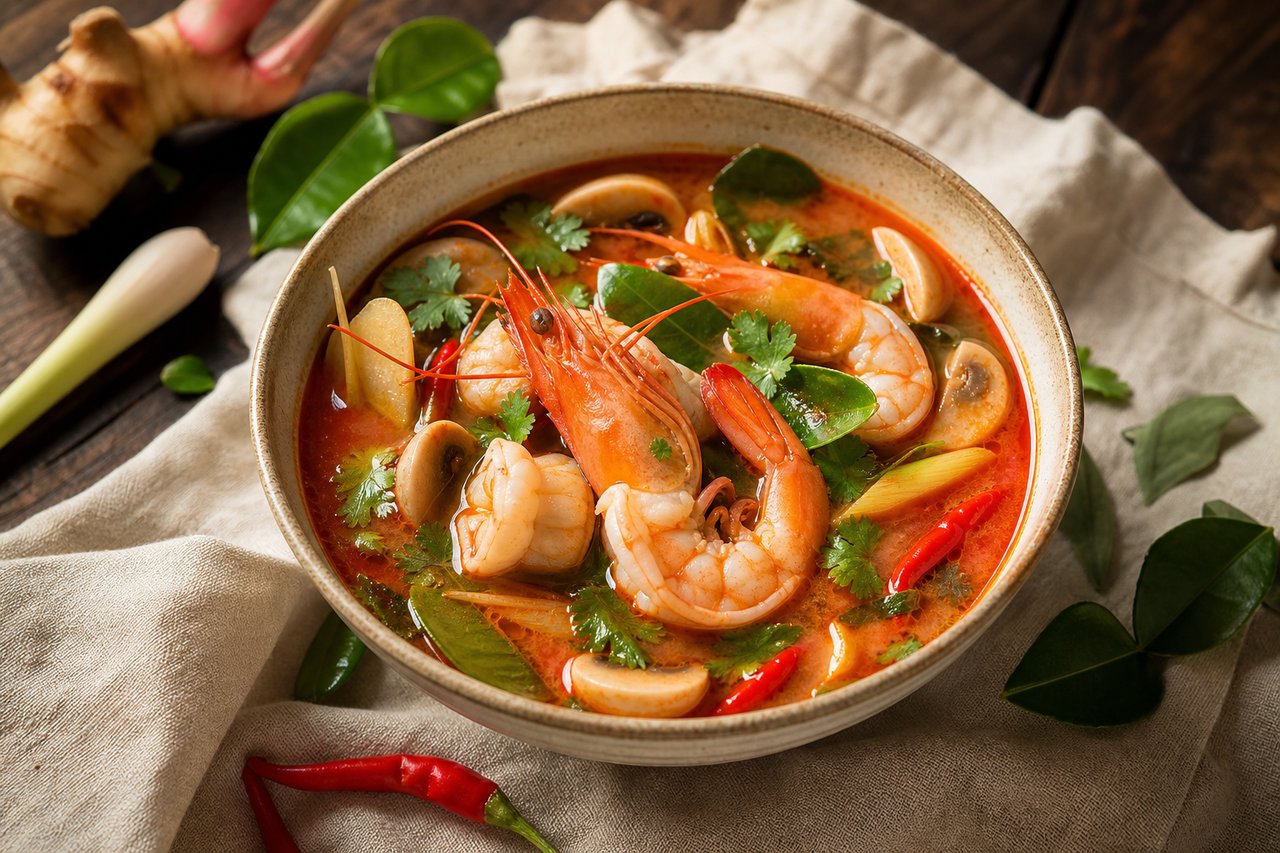
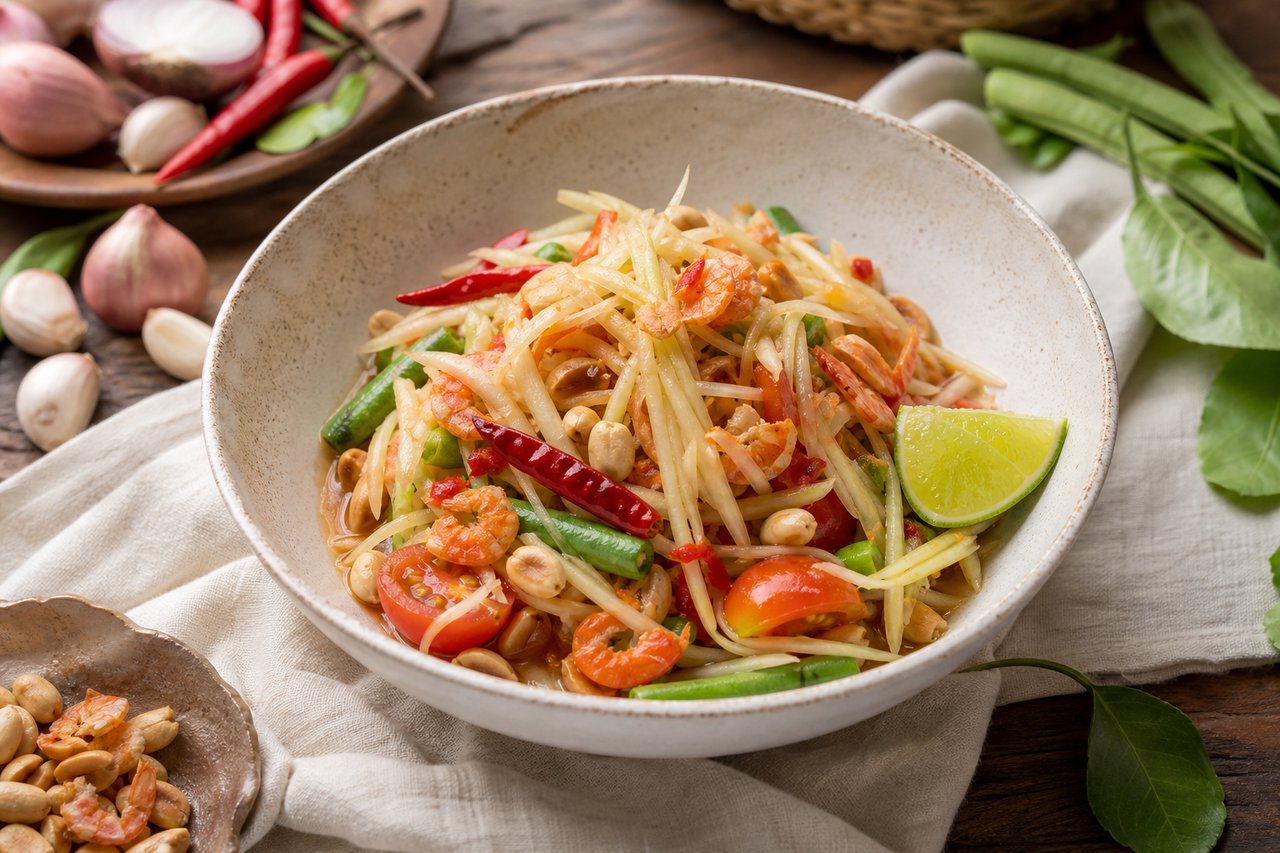
Lime is essential to the hot-and-sour balance of tom yum goong and to the dressing that pulls together a green papaya som tam, and it is the bright finish squeezed over a plate of pad thai. Lemon can stand in at a pinch but is sweeter and less aromatic, so it shifts the character of a dish. Where lime defines the balance it is worth using fresh; for more on these building blocks, see the Asian pantry guide.
Lime recipes (6)
Thai
Pad Thai
Stir-fried rice noodles balanced on tamarind, fish sauce and palm sugar, with prawns, egg, tofu and a crunch of peanuts — the four-flavour classic in noodle
Thai
Tom Yum Goong
Thailand's iconic hot-and-sour prawn soup — fragrant with lemongrass, galangal and kaffir lime, sharpened with lime and chilli and ready in under half an hour.
Bubble Tea & Drinks
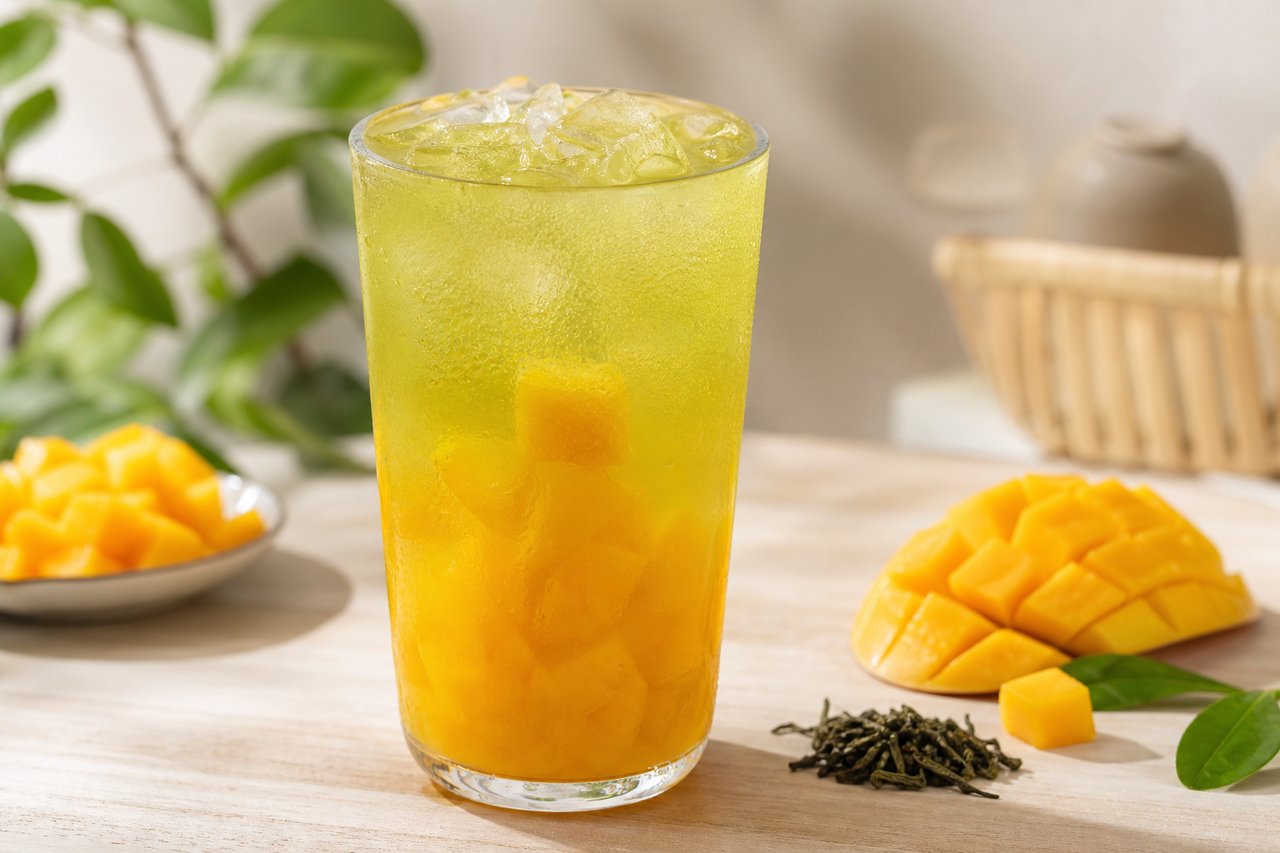
Mango Green Tea
A bright, dairy-free fruit tea — fresh mango and a lightly brewed green tea base, shaken over ice for a refreshing, fragrant cooler.
Thai
Som Tam — Thai Green Papaya Salad
Shredded green papaya pounded with lime, chilli, fish sauce and palm sugar — the bracing, crunchy salad at the heart of northeastern Thai food.
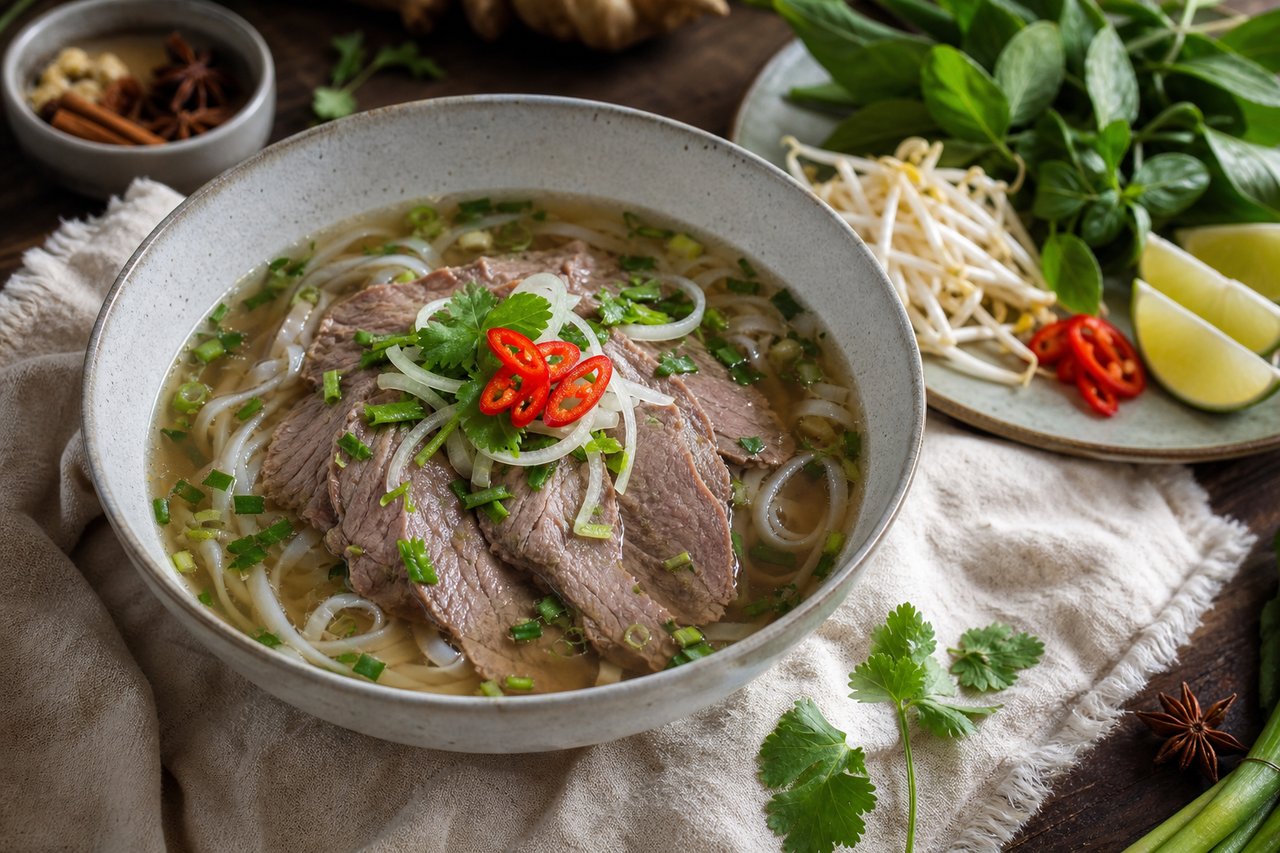
Vietnamese
Pho Bo (Vietnamese Beef Noodle Soup)
A clear, deeply aromatic beef broth scented with charred onion, ginger and toasted spice, poured over rice noodles and raw beef and finished with a plate
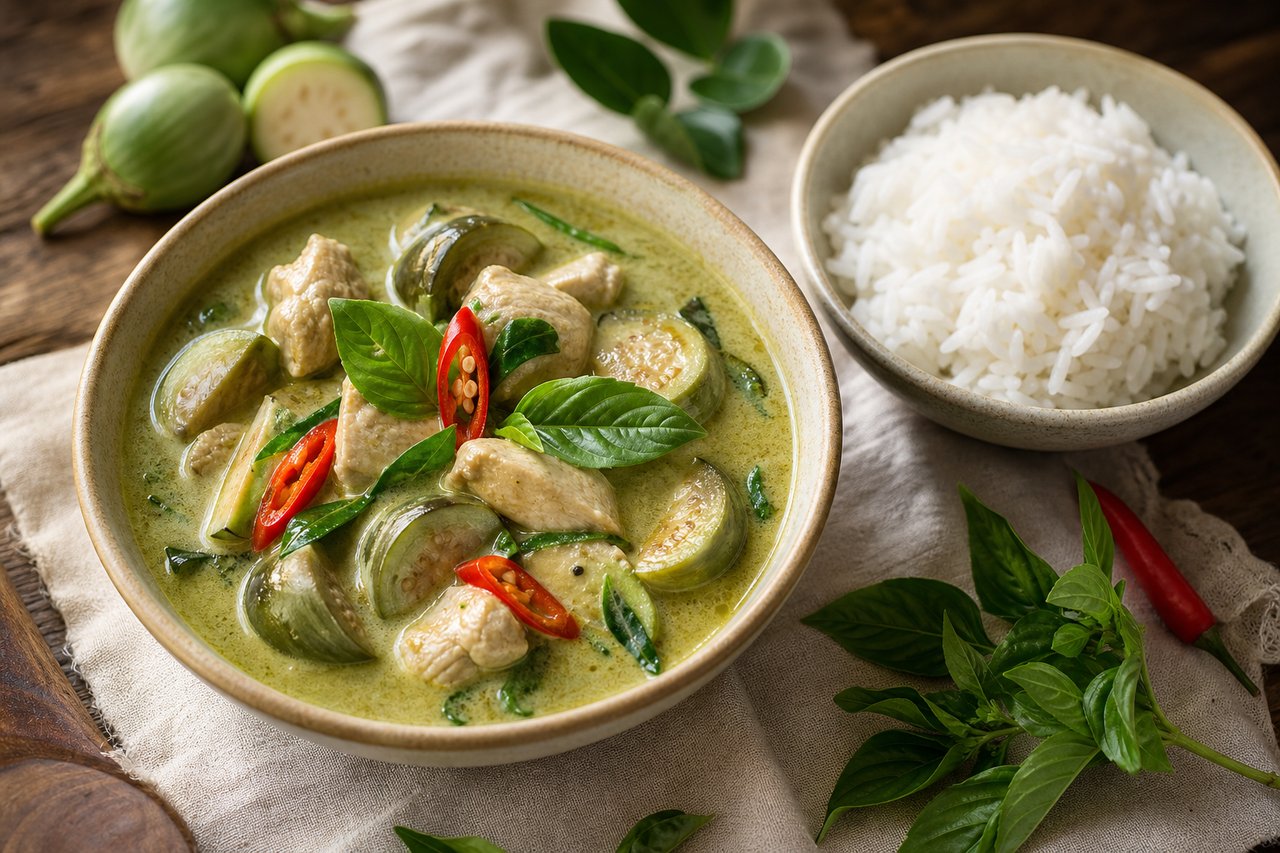
Thai
Thai Green Curry
A bright, fragrant coconut curry built on a fresh green chilli paste fried until it splits — with chicken, aubergine, basil and kaffir lime.
See also the Asian pantry guide for more on stocking these ingredients.