Cook with
Recipes with Chili Oil
Infused oil that adds heat, gloss and a toasty aroma to noodles and dumplings.
Chili oil is the condiment that ties a great deal of Chinese and wider Asian cooking together — a glossy red oil steeped with dried chillies and aromatics that adds heat, depth and a savoury fragrance in a single spoonful. It can be drizzled over noodles and dumplings, stirred into sauces, or used as a cooking fat in its own right. At its heart it is simple: hot oil poured over chilli flakes, with endless room to vary the spices.
What it is and how it tastes
The base is a neutral oil infused with the warmth and colour of dried chilli, but the character comes from what is steeped alongside it. Aromatics such as star anise, bay, cinnamon, ginger and Sichuan peppercorn perfume the oil during heating, while toasted sesame and fried garlic round it out. The result ranges from a mild, fragrant finishing oil to a fierce, numbing condiment, depending on the chilli used and the balance of spices. Good chili oil tastes layered rather than simply hot, with a savoury, slightly toasty backbone behind the burn.
How to prepare and infuse it
Place coarse chilli flakes in a heatproof bowl, often with a little salt and toasted sesame seed. Heat the oil with whole aromatics until it shimmers and just begins to smoke, then strain out the spices. Crucially, let the oil cool slightly before pouring it over the flakes in two or three stages, stirring between each — too-hot oil scorches the chilli and turns it bitter. It should sizzle gently and bloom to a deep red. A spoonful of toasted sesame oil stirred in once cool adds fragrance. Let it sit overnight so the flavours marry before using.
Buying and storing
Ready-made chili oil and chili crisp are widely sold and vary enormously in heat and salt, so taste before committing it to a dish. Look for a vivid red colour and a list led by oil and chilli rather than fillers. Homemade or opened jars keep for several weeks at cool room temperature if strained smooth, longer in the fridge if they contain fresh garlic or shallot. Always dip in with a clean, dry spoon to keep water out and ward off spoilage.
Where it shines and substitutes
Chili oil is the natural finish for a plate of pork gyoza or potstickers, spooned over the crisp bases as a dip. It also brings fire and gloss to a bowl of dan dan noodles. If none is on hand, dried chilli flakes warmed briefly in oil make a quick stand-in, though they lack the layered aromatics. For more on the chillies and oils worth keeping stocked, see the Asian pantry guide.
Chili Oil recipes (4)
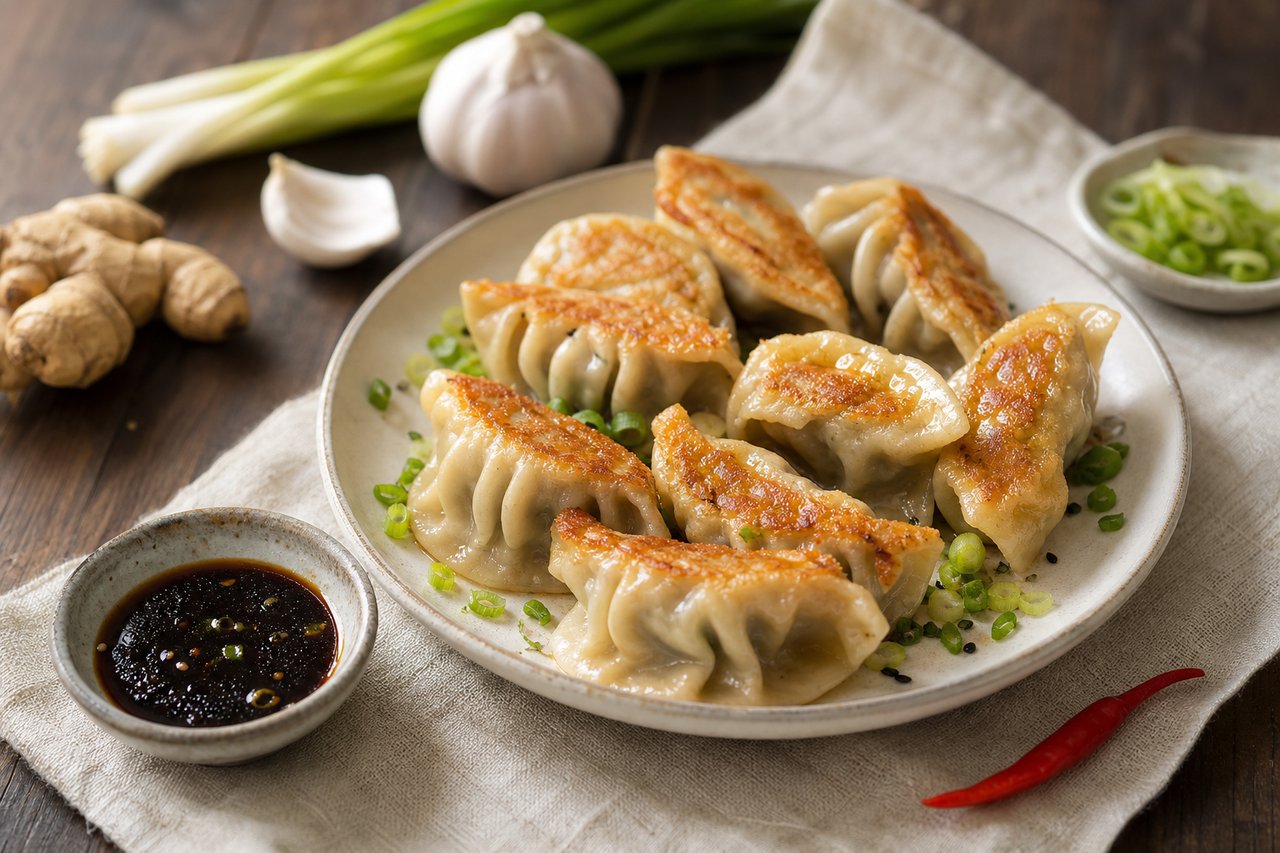
Chinese
Pork Potstickers
Juicy pork-and-cabbage dumplings pan-fried to a crisp golden base then steam-finished — the classic potsticker method, with a simple dipping sauce.
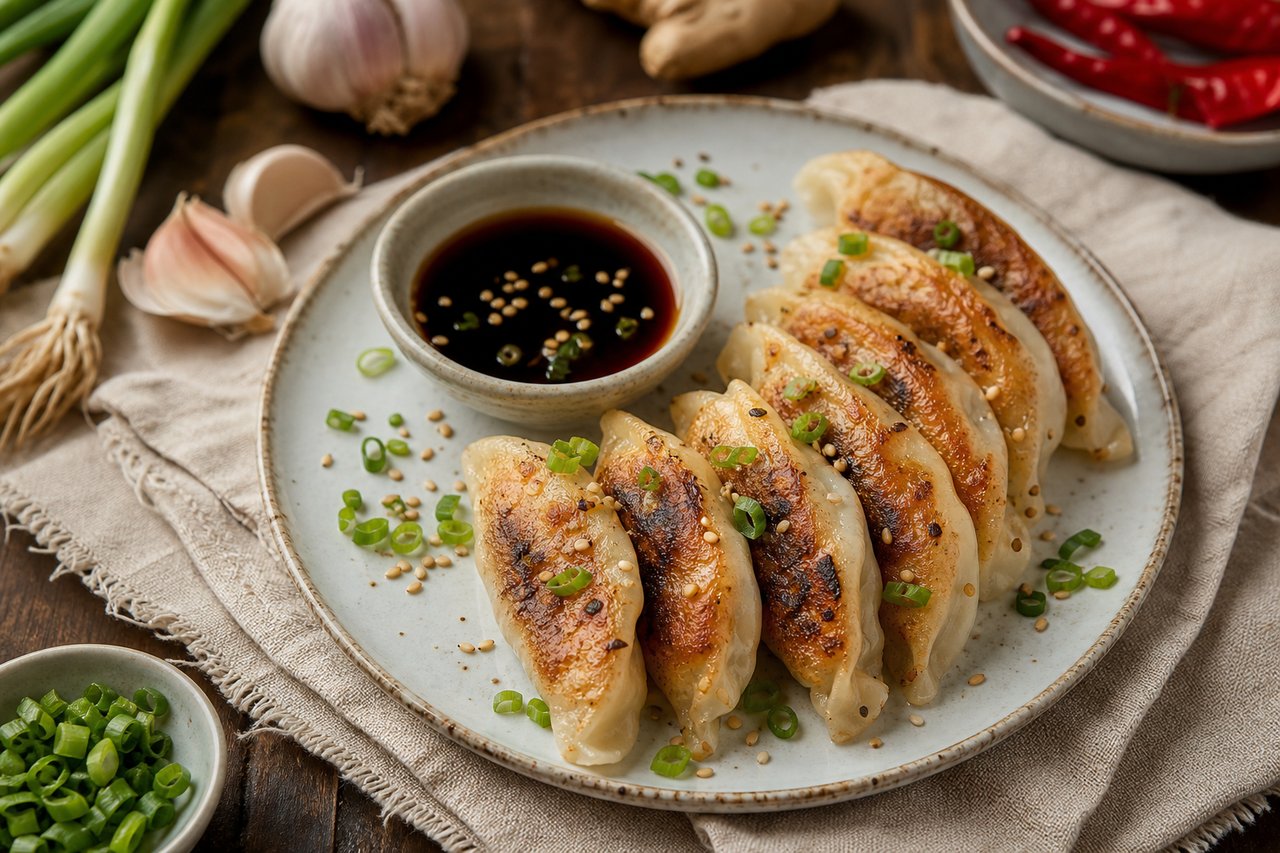
Japanese & Ramen
Pan-Fried Pork Gyoza
Juicy pork-and-cabbage dumplings with a lacy, crisp base and steamed pleated tops — the home version of the izakaya classic.
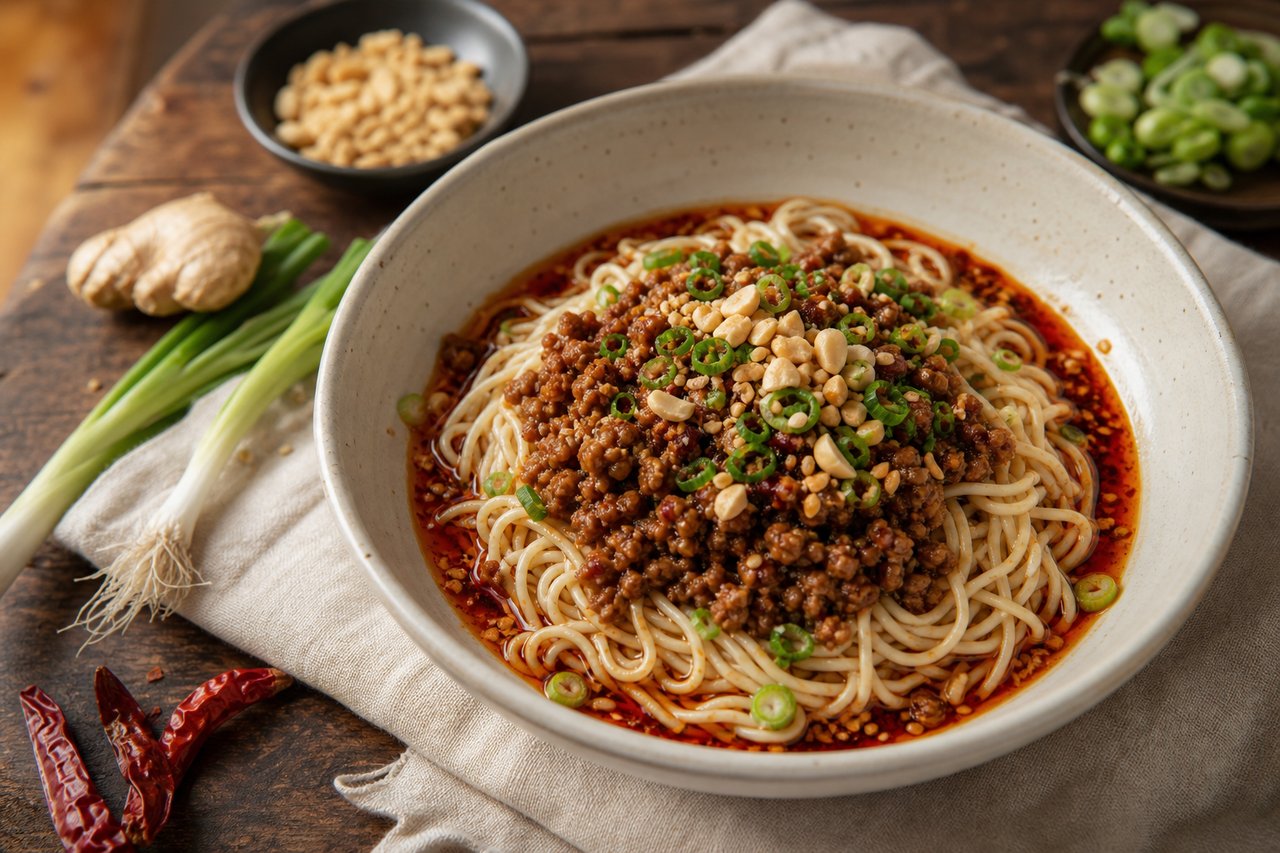
Chinese
Dan Dan Noodles
Springy wheat noodles over a numbing-spicy sauce of sesame paste, chilli oil and Sichuan peppercorn, topped with crisp minced pork and preserved vegetable.
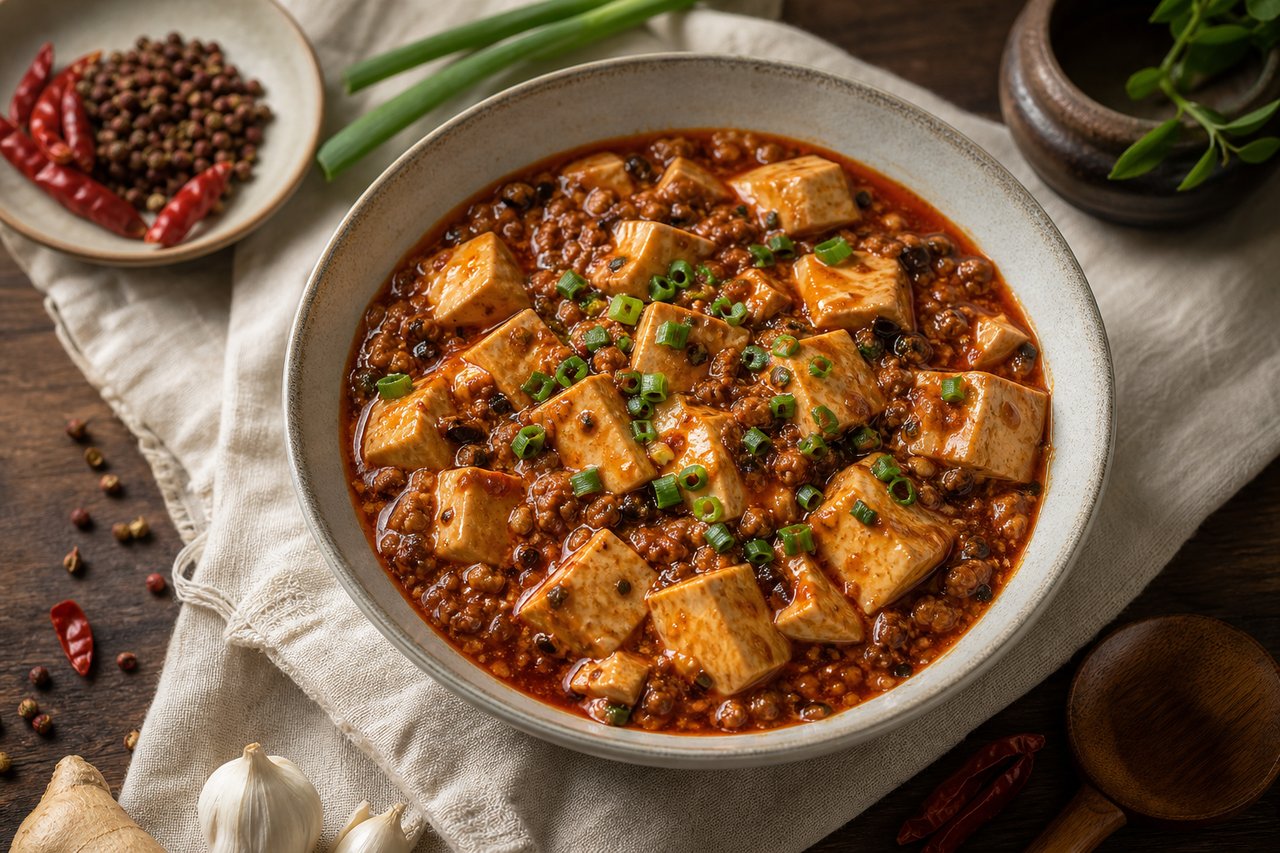
Chinese
Mapo Tofu
Silky tofu and minced pork in a glossy, numbing-hot Sichuan sauce built on doubanjiang and ground Sichuan peppercorn — a fast, deeply savoury weeknight classic.
See also the Asian pantry guide for more on stocking these ingredients.